

Why We Only Use Beeswax (and Why Most Brands Don't)
Why We Only Use Beeswax (and Why Most Brands Don't)
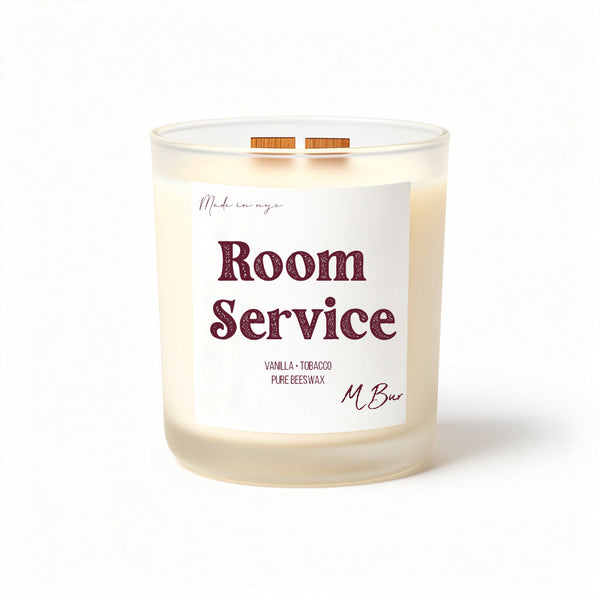
The first thing you notice about Room Service is that it does not smell like a candle. It smells like a place. Vanilla, tobacco, saffron, orchid, tonka bean. The scent is dimensional in a way that most candles never achieve, and it is not because of the fragrance alone. It is because of what is underneath the fragrance. The wax itself.
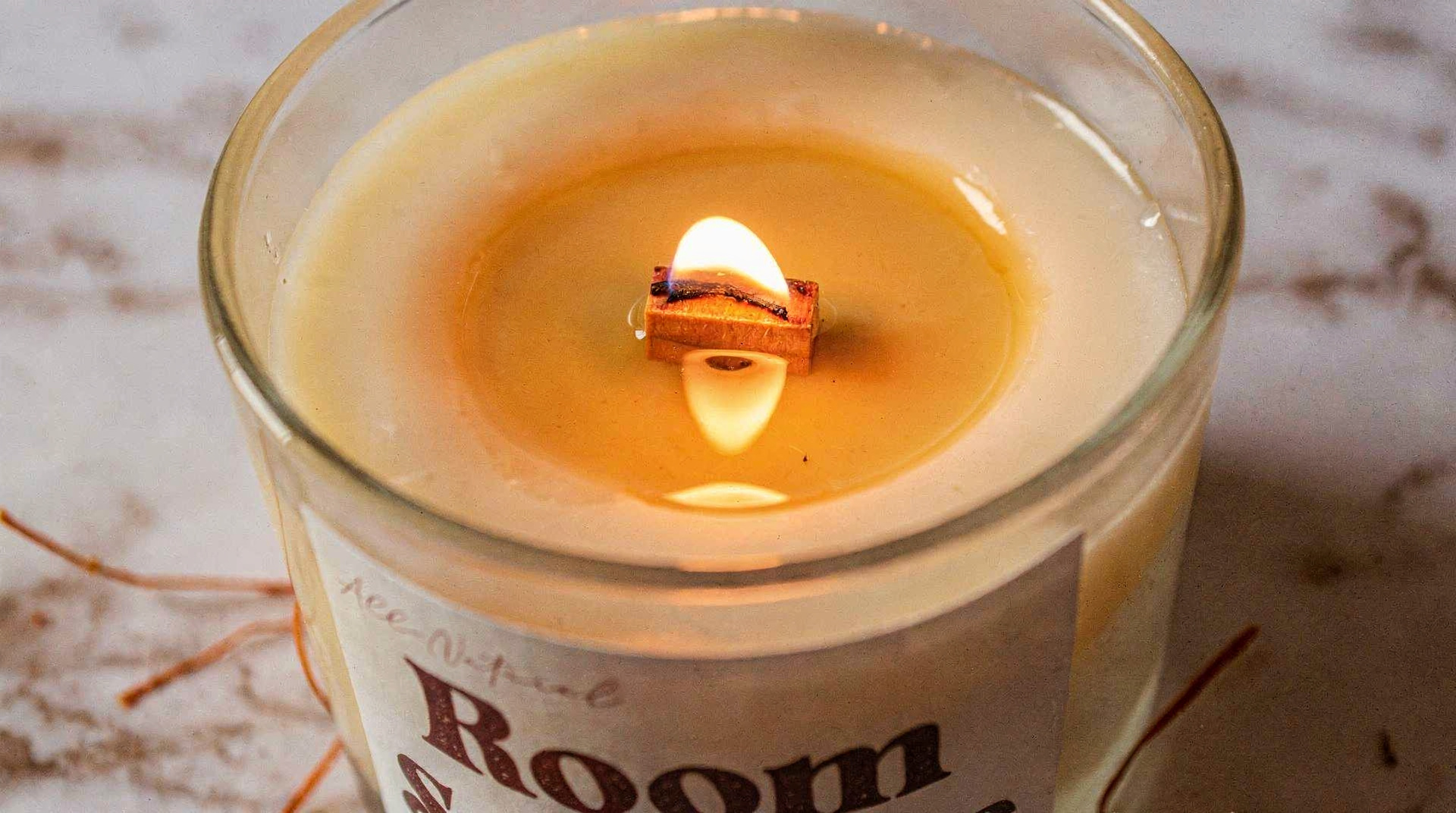
Beeswax carries scent differently than paraffin. Differently than soy. The burn is slower, hotter, and more complete, which means the fragrance release is steadier and more nuanced. You get the top notes at the start, the heart notes as the melt pool deepens, and the base notes hours later when most paraffin candles have already guttered out.
That is not a happy accident. It is the whole reason we built MBur around beeswax and nothing else.
The Decision Most Candle Brands Never Make
Here is the uncomfortable truth about the candle industry: the vast majority of candles on the market, including many brands that market themselves as premium or natural, are made from paraffin wax. Paraffin is a byproduct of petroleum refining. It is cheap, consistent, and easy to work with. It is also one of the worst materials you can burn indoors.
When paraffin burns, it releases benzene, toluene, and formaldehyde. These are not trace amounts. Studies have confirmed that paraffin candle soot contains many of the same compounds found in diesel exhaust. The black residue you see on the rim of a paraffin candle jar, or worse, on your walls, is not just cosmetic. It is a signal about what you have been breathing.
Soy wax is a step in the right direction, but it comes with its own complications. Most commercial soy wax is blended with paraffin to improve performance. It often requires toxic fragrance to compensate for a naturally weak scent throw. And because soy wax has a lower melting point, it burns faster and less evenly, which means shorter burn times and more candle waste.
Beeswax is different in almost every measurable way. It is the oldest candle material in human history, used since roughly 3,000 BCE. It has the highest melting point of any candle wax, which is what produces that long, slow, even burn. It burns without producing toxic byproducts. And it is a genuine natural material, not a processed agricultural commodity or a petroleum derivative. It comes from bees. Full stop.
When we started MBur, the choice was not difficult. It was obvious. The harder question was why more brands were not making it.
The Answer Is Cost
Beeswax costs significantly more than paraffin. A pound of food grade beeswax runs several times the price of a pound of paraffin. For large scale manufacturers producing tens of thousands of units, that cost difference is decisive. They choose paraffin because margins matter more than materials.
For a smaller brand making candles by hand in Queens, NY, the calculus is different. We are not trying to produce at industrial scale. We are trying to make the best possible candle, and that means using the best possible wax. Every MBur candle is 100% beeswax. Not a blend. Not beeswax combined with coconut oil or soy. Single ingredient wax, period.
That decision shapes everything else about how the candles perform.
What 100% Beeswax Actually Means for Your Burn
The numbers are straightforward. Our 12oz candles burn for up to 80 hours. That is a function of beeswax chemistry. Beeswax has the highest melting point of any candle wax, which means it releases energy more slowly and more completely than paraffin or soy.
Compare that to a typical paraffin candle of equivalent size. Most burn for 40 to 50 hours at best. A soy candle might get you 50 to 60 hours. Beeswax routinely doubles the burn time of paraffin, which means the higher upfront price evens out, and then some, when you calculate cost per hour of burn.
We pair the beeswax with wooden wicks, which produce a low crackling sound during the burn, similar to a small fireplace. Wooden wicks also create a wider melt pool faster than cotton wicks, which helps carry the fragrance more effectively. The combination of high melting point beeswax and a wide pool wooden wick is why MBur candles fill a room rather than just perfuming the air around the jar.
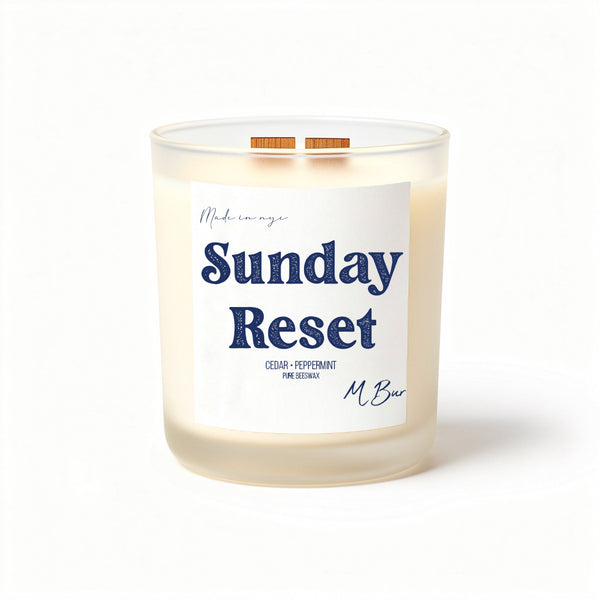
"Candle burned slowly and was exactly the amount of hours the company said it would burn. I was able to enjoy it for days even though it was the smaller size." Portia Darby, Sunday Reset Candle
That is a real customer burning the smaller 2.5oz size, which is rated for 20 hours, and being genuinely surprised that it delivered what it promised. That is what happens when the material is right.
The Scent Question: Why Non Toxic Fragrance Matters as Much as the Wax
Choosing beeswax and then filling a candle with cheap toxic fragrance would be like building a house with structural steel and then insulating it with newspaper. The foundation matters, but so does everything else.
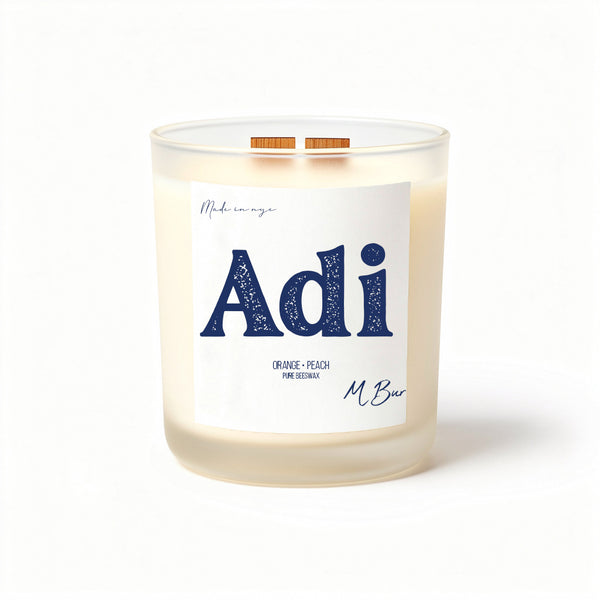
Every MBur candle uses phthalate free, non toxic fragrance. No chemical dyes, either. Phthalates are plasticizers that have been linked to hormone disruption, and they are common in many fragrance oils used by candle manufacturers because they help anchor scent and improve throw. We do not use them. The scent throw in our candles comes from the beeswax carrier doing its job properly, not from chemical enhancement.
The difference is noticeable, and not just in theory.
"I absolutely love these candles! I instantly notice the difference in the air quality, in comparison to the Bath and Body scented candles. I love Bath and Body's candles but I acknowledge that it caused a slight headache and other minor respiratory discomfort. Awesome products. Totally addicted." Jason H., Sunday Reset Candle
"A lot of other candles tend to give me headaches, but this one was a total game changer. I was able to enjoy the calming aroma without any discomfort." Nicole D., Sunday Reset Candle
These are not isolated experiences. The pattern shows up consistently in our reviews. People who had written off scented candles because of headaches or respiratory irritation find that beeswax with non toxic fragrance changes the equation entirely.
How MBur Compares to What Is Already in Your Home
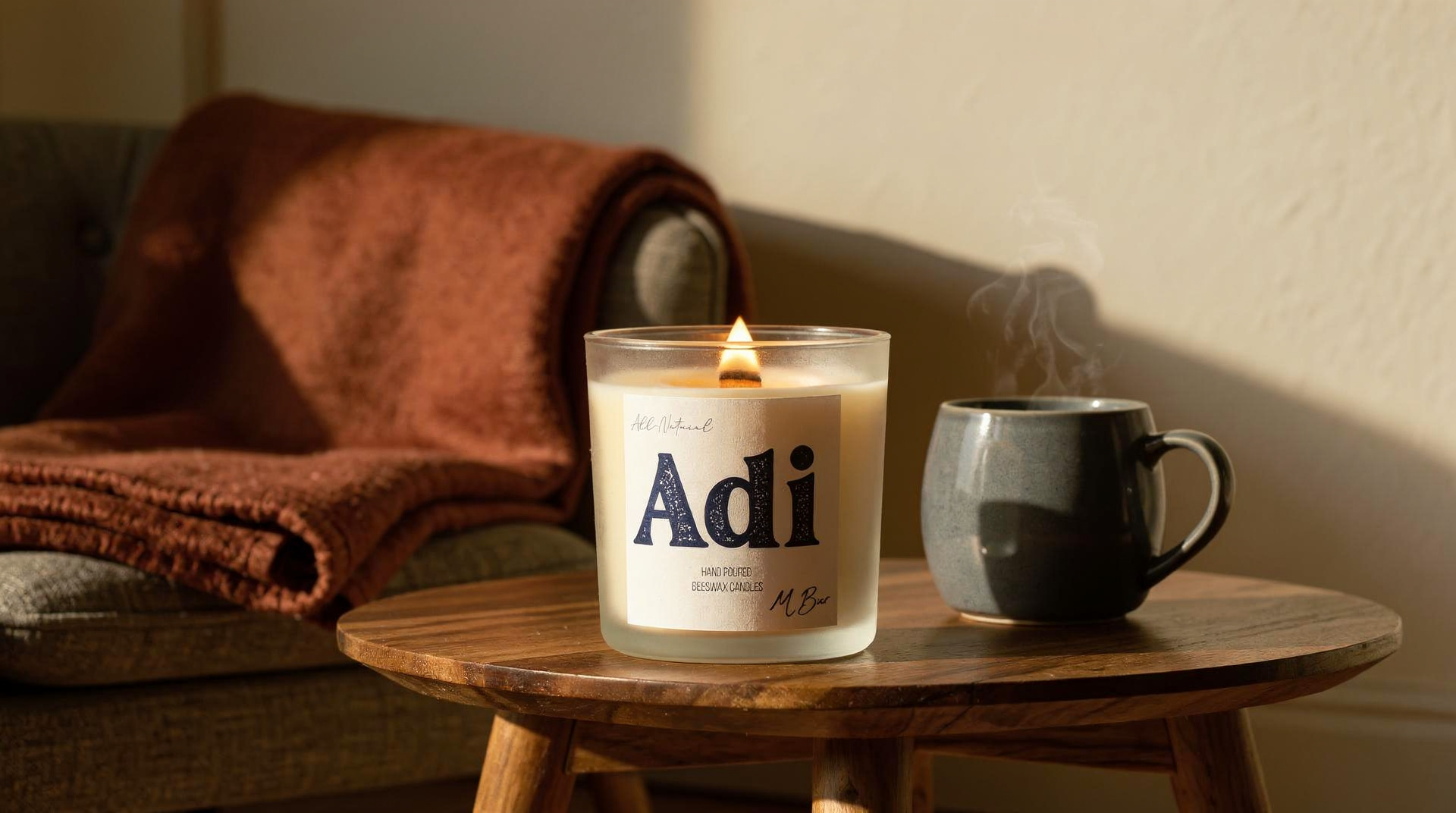
If you currently burn candles from Bath and Body Works, Yankee Candle, or a similar mass market brand, you are almost certainly burning paraffin. Both of those brands are paraffin based, and both use toxic fragrance compounds that include phthalates. They smell good in the store. That is not a coincidence. Fragrance intensity at point of sale is a retail strategy, not a quality signal.
If you burn soy candles from a smaller brand, you are closer, but you should read the label carefully. Many "soy" candles are soy blends that contain 20 to 40% paraffin. The word "soy" on the label does not mean the candle is paraffin free. Look for "100% soy" at minimum, and then check whether the fragrance oils are phthalate free.
MBur is 100% beeswax, phthalate free fragrance, wooden wick, no chemical dyes, handmade in Queens. That is the complete list. There is no fine print.
Where to Start
For a first candle, the Room Service candle is the consistent recommendation. It is our bestseller for a reason. Vanilla, tobacco, saffron, orchid, and tonka bean. Sophisticated without being difficult, and it performs exactly as described in any room size. The 5oz size at $23 is a reasonable starting point. The 12oz at $60 is what most people end up buying once they see how long it actually lasts.
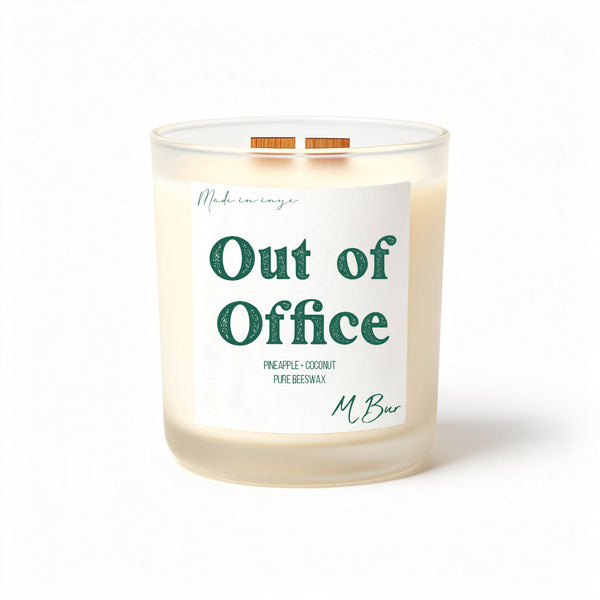
Or if you want the citrus end of the spectrum, the Adi candle is a different kind of room filling experience. Lemon, orange, grapefruit, mandarin, and lime.
Frequently Asked Questions
Why do beeswax candles cost more than regular candles?
Beeswax is significantly more expensive to produce than paraffin or soy. The higher material cost is reflected in the price, but because beeswax burns for nearly twice as long as paraffin, the cost per hour of burn is often lower. The 80 hour Room Service candle at $65 works out to 75 cents per hour of burn time.
How long do beeswax candles actually burn?
MBur beeswax candles are rated for 20 hours at 2.5oz, 40 hours at 5oz, 55 hours at 7oz, and 80 hours at 12oz. These are real numbers based on beeswax chemistry. Beeswax has the highest melting point of any candle wax, which means it burns slower and longer than paraffin or soy at equivalent sizes.
Are beeswax candles better for people with scent sensitivities?
Many customers who report headaches or respiratory discomfort from other candles find beeswax with non toxic fragrance a significant improvement. The headache pattern is typically linked to paraffin combustion byproducts and phthalates in toxic fragrance oils, not to scent intensity itself.
Is all beeswax the same?
No. Beeswax quality varies depending on source and processing. Food grade beeswax is filtered to remove impurities while preserving the natural compounds that make it burn cleanly. Lower quality beeswax may contain contaminants that affect the burn. MBur uses 100% pure beeswax with no additives or blending agents.
Why do you use wooden wicks instead of cotton wicks?
Wooden wicks create a wider, shallower melt pool than cotton wicks, which helps the fragrance release more evenly and more completely. They also produce a low crackling sound that most people find pleasant. The wooden wick and beeswax combination is specifically what allows MBur candles to fill a room rather than just scenting the area immediately around the jar.
The Bottom Line
The why beeswax question has a short answer and a long one. The short answer is: it burns cleaner, lasts longer, and carries scent better than anything else. The long answer is everything above. Either way, the conclusion is the same. Once you try a real beeswax candle, the rest feel like compromises.
Shop the full MBur beeswax candle collection
What buyers say:
Related reading:

