

What Do Beeswax Candle Grades Actually Mean for a Cleaner Burn?
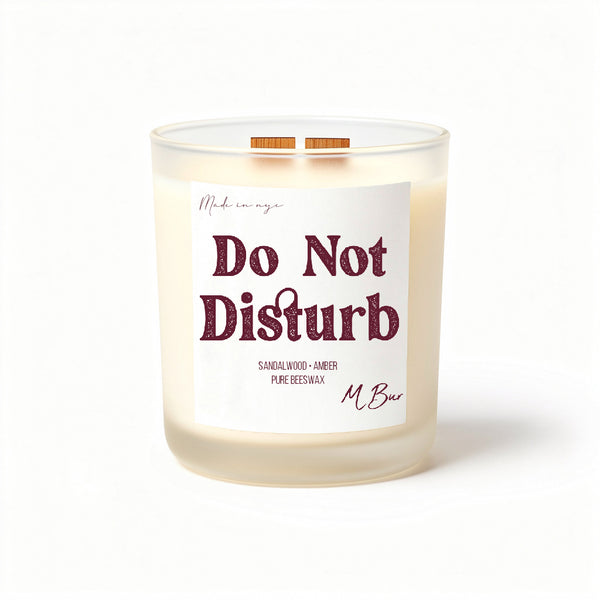
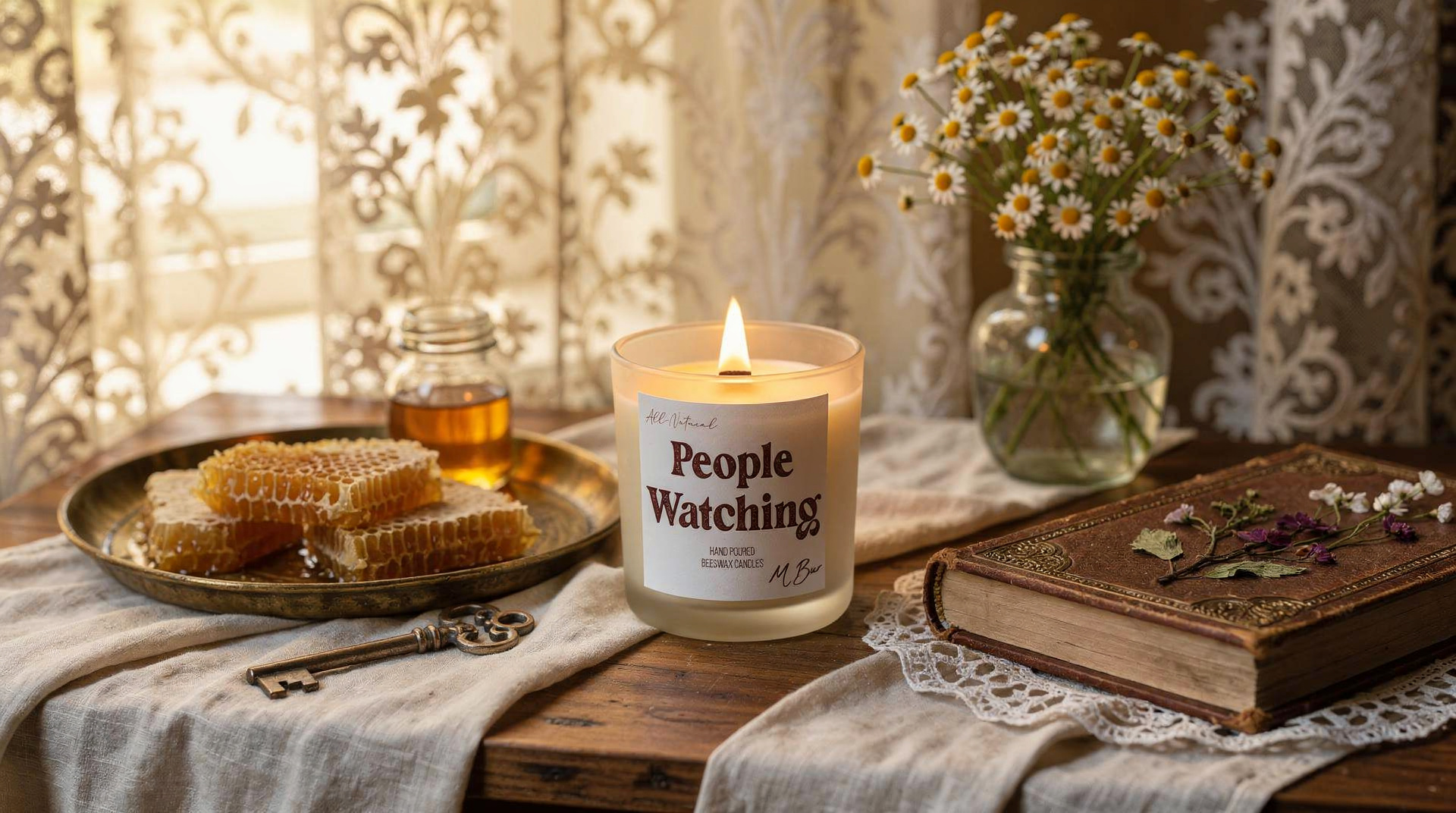
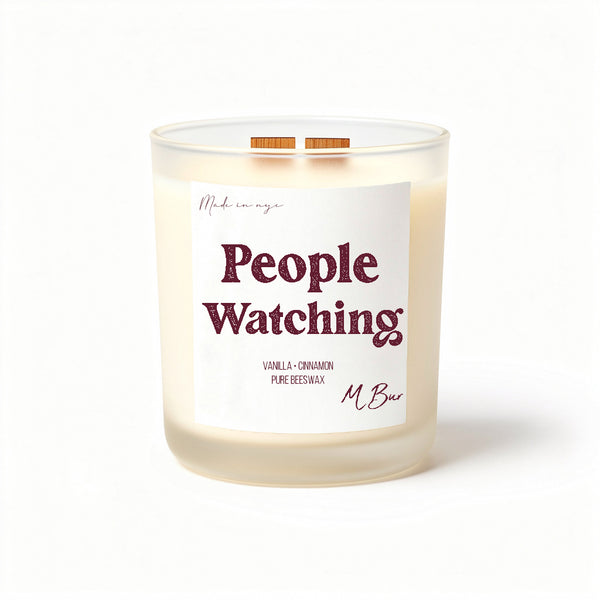
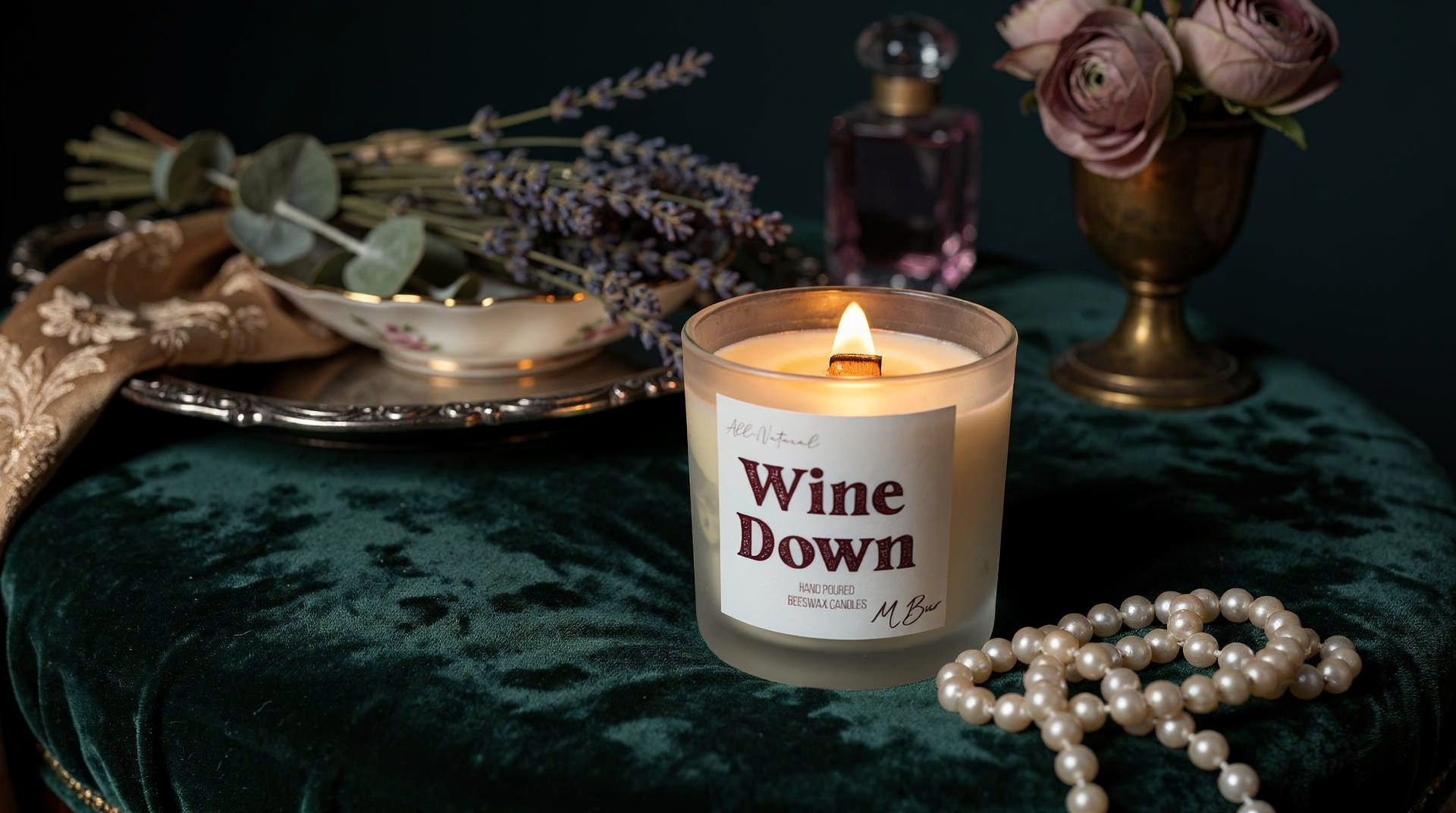
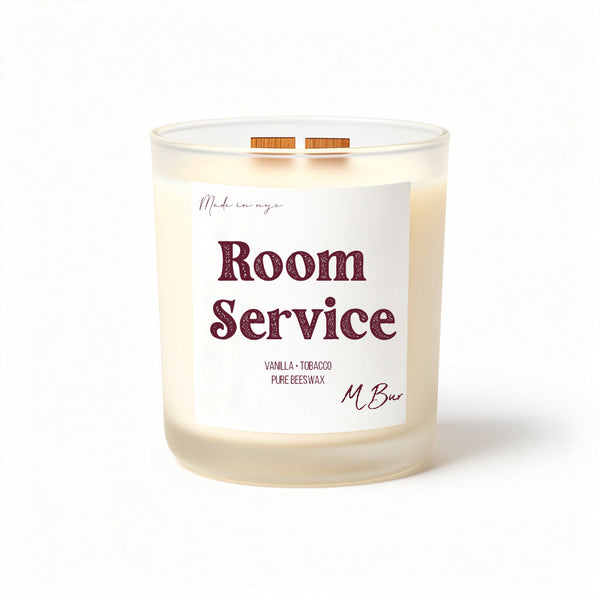
If you have shopped for beeswax, you have probably seen words like cosmetic grade, triple filtered, or pharmaceutical grade attached to it, and it is fair to ask whether any of that matters for a candle. Some of it does, and some of it is just language. Beeswax grading is loosely used and not tightly regulated, so the label alone will not tell you much. What actually matters for a candle is purity and filtering. Here is how to read past the marketing. We make 100% beeswax candles, and the full collection is here as you read.
What grade usually refers to
When beeswax is sold by grade, it generally describes how much it has been cleaned and what it is intended for. Cosmetic or pharmaceutical grade wax is highly filtered and meant for things like lip balm and skincare, where a smooth, debris free wax is needed. Craft or general grade wax is filtered less. For a candle, you do not need cosmetic grade, but you do want wax that has been filtered enough to be free of honeycomb debris.
Why filtering matters for a candle
Raw beeswax straight from the hive carries bits of pollen, propolis, and comb. Left in, that debris can clog a wick and make a candle burn unevenly or sputter. Filtering removes it, which is why a well filtered beeswax candle burns clean and steady. This is the practical reason filtering matters more than whatever grade is printed on the label.
What grade does not tell you
Here is the catch. Because the terms are not strictly defined, a grade label does not guarantee a candle is pure beeswax. A wax can be filtered beautifully and still be blended with paraffin or soy to cut costs. So the grade speaks to cleanliness, while purity is a separate question entirely. The honest signal is a brand stating plainly that a candle is 100% beeswax, not a grade buzzword.
| Question | What it tells you | What to look for |
|---|---|---|
| What grade is it? | How filtered the wax is | Filtered enough for an even burn |
| Is it pure? | Whether it is cut with other wax | Stated 100% beeswax |
| How does it burn? | Real world cleanliness | Low soot, steady flame |
What buyers notice is the burn and the air, not a grade on a box:
Where the grade terms come from
It helps to know that beeswax grading was never really designed for candles. The terms come mostly from cosmetic and industrial use, where wax is sorted by how thoroughly it has been cleaned and how consistent its color and texture are for things like lotions and balms. Those buyers need a predictable, debris free wax, so the grades describe filtering and refinement to that end. When a candle brand borrows the language, it is reaching for words that sound precise but were built for a different purpose, which is part of why a grade on a candle label can promise less than it appears to.
What actually affects your candle
For a candle specifically, only a couple of things about the wax really matter, and grade touches just one of them. Filtering matters, because debris left in the wax clogs the wick and makes the flame sputter, so a reasonably filtered wax burns more evenly. Purity matters more, because a wax cut with paraffin or soy changes the burn and the air regardless of how finely it was filtered. And how the wax was cleaned matters, since gentle filtering is fine while harsh chemical treatment is not. A grade label speaks loosely to filtering and says nothing about the other two.
How to actually judge a beeswax candle
Rather than chasing grade buzzwords, a few plain questions tell you what you need. Does the label clearly say 100% beeswax, not just beeswax? Is the fragrance disclosed and phthalate free, or left vague? Does the candle burn with a steady flame and little soot when you use it? Those three things, stated purity, honest fragrance, and a clean real world burn, decide whether a candle is good far more reliably than whether the wax was called cosmetic or triple filtered on the box.
Why pure matters more than polished
If you had to pick one thing to care about, purity beats polish every time. Beautifully filtered wax that has been blended with cheaper paraffin still gives you paraffin's heavier soot and whatever an undisclosed fragrance is carrying, no matter how smooth and pale it looks. Plainly pure beeswax that is merely well filtered, on the other hand, gives you the low soot, the high melting point, and the long clean burn that make beeswax worth buying. A grade describes the finish. Purity describes the substance, and the substance is what ends up in your air.
Common questions
What grade of beeswax is best for candles?
You do not need the highest grade. Any well filtered, pure beeswax makes a clean candle. The two things that matter are that the debris has been filtered out so the wick burns evenly, and that the wax is actually 100% beeswax rather than a blend. The collection lists exactly what each candle is.
Is triple filtered beeswax better?
More filtering means a cleaner, debris free wax, which helps a candle burn evenly, so it is a good sign. Just remember filtering and purity are different things. Triple filtered wax can still be blended, so check that it is pure beeswax too.
Does beeswax grade affect how clean it burns?
Indirectly. Better filtered wax has less debris to clog the wick, so it burns a little cleaner and steadier. The bigger factor in a clean burn is simply that the candle is pure beeswax instead of paraffin.
The bottom line
Beeswax grades describe how filtered a wax is, which affects how evenly a candle burns, but a grade label does not promise purity. Look for well filtered, 100% beeswax and let the buzzwords go.

