

White vs Yellow Beeswax Candles: What the Color Difference Actually Means
Pick up two beeswax candles and one might be a deep golden yellow while the other is pale and creamy white, and it is reasonable to wonder which one is better. The color does mean something, but probably not what the shelf tag implies. Natural beeswax is yellow, and white beeswax is that same wax after it has been filtered or lightened. Neither color tells you, on its own, whether a candle is pure or clean to burn. Here is what the difference actually comes down to. We make 100% beeswax candles, and the full collection is here as you read.
Why natural beeswax is yellow
Beeswax comes out of the hive golden because of the pollen and propolis the bees work into it. That color is a sign of where it came from, and it usually carries a faint natural honey scent along with it. A yellow beeswax candle is showing you its origin rather than hiding it.
Where white beeswax comes from
White beeswax is yellow beeswax that has had its color removed. This can happen gently, by filtering the wax through charcoal or exposing it to sunlight over time, or more aggressively through chemical bleaching. The gentle methods leave you with clean, pale wax and little else. The aggressive ones can leave residue behind, which is the only real reason to care about how a white wax got white.
For a candle, white beeswax burns much the same as yellow, with a more neutral scent and a blank canvas that takes fragrance and color predictably. That is why many scented candles use a lighter wax to begin with.
So which is better to burn?
Color is not the thing to judge by. A yellow candle can be pure beeswax or quietly cut with cheaper wax, and a white candle can be cleanly filtered or chemically bleached. The question that matters is purity, whether the candle is actually 100% beeswax, and how it was processed, not what shade it ended up. A pure, well filtered beeswax candle is a clean burn whether it is gold or ivory.
| Trait | Yellow beeswax | White beeswax |
|---|---|---|
| Source | Natural, straight from comb | Filtered or lightened yellow wax |
| Scent | Faint natural honey | More neutral |
| Burn | Clean, low soot | Clean, low soot |
| Watch for | Blending with cheaper wax | Harsh chemical bleaching |
Buyers tend to judge a candle by how it performs, not its shade. As one put it:
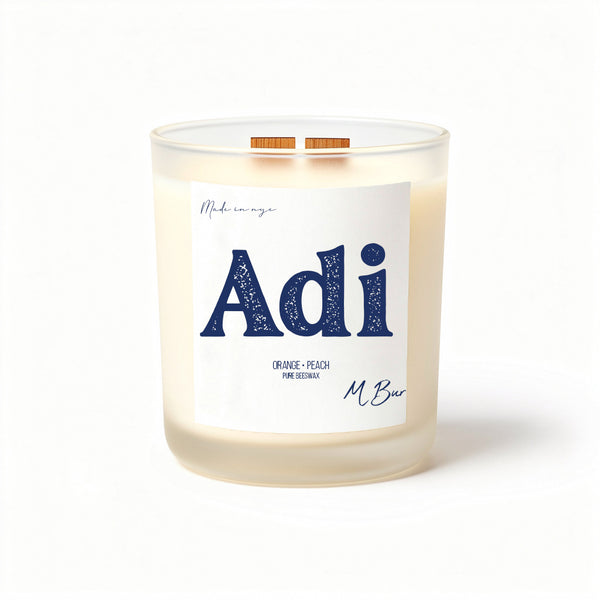
This scent has me in a chokehold. I've tried quite a few scents from them and they all have different vibes. - Tiffany Gordon, Adi Candle
Does the color change the burn?
For the actual burn, the difference between white and yellow beeswax is small. Both share the same high melting point, the same low soot, and the same long, steady burn, because underneath the color they are the same wax. You will not get noticeably more hours or a cleaner flame from one shade over the other. What can differ slightly is scent. A natural yellow wax carries its own faint honey note, which is lovely in an unscented candle but can very subtly color an added fragrance, while a lighter wax gives a more neutral base for scent to sit on. That is why scented lines often start from a paler wax.
Which color should you choose?
Mostly it comes down to what you want from the candle. If you love the idea of a candle that shows its natural origin and you enjoy a soft honey warmth, a yellow beeswax candle leans into that character. If you want a fragrance to come through as cleanly as possible, or you simply prefer the look of a pale, creamy candle, a white one suits better. Neither choice is a compromise on quality as long as the wax is pure. It is a preference about scent and appearance, not a question of one being a better candle than the other.
The question to ask instead of color
Since shade does not tell you what you really want to know, it helps to ask better questions when you shop. Is the candle stated plainly as 100% beeswax, or does it just say beeswax, which can mean a blend? Is the fragrance listed, and is it phthalate free? If the wax is white, is the brand open about how it was lightened, gentle filtering rather than harsh bleaching? Those answers tell you far more about how a candle will burn and what goes into your air than whether it happens to be gold or ivory on the shelf.
Color from dye is a different thing
One more distinction is worth drawing. The natural color of beeswax, gold or filtered pale, is not the same as a candle that has been dyed a color. Added dyes are a separate ingredient, and a candle marketed in bright colors has had colorant mixed in, which is something a purist may want to avoid. A natural beeswax candle gets its look from the wax itself, not from added color. So if you see a vivid candle, that hue is dye, not beeswax doing something unusual, and it is a fair thing to ask about if a clean, simple ingredient list matters to you.
Common questions
Is white or yellow beeswax better for candles?
Neither is automatically better. Both burn cleanly when the wax is pure. Yellow keeps a faint honey scent, white is more neutral and takes fragrance evenly. The thing to look for is that it is 100% beeswax and well filtered, which you can confirm in the collection.
Is white beeswax bleached with chemicals?
Sometimes, but not always. White beeswax can be lightened gently with charcoal filtering or sunlight, or more harshly with chemicals. The gentle route is clean. If a brand is vague about it, that is worth a question.
Does yellow beeswax smell like honey?
A little. Natural yellow beeswax carries a soft honey note from the pollen in it, which some people love in an unscented candle. Scented candles usually start from a more neutral wax so the fragrance comes through clearly.
The bottom line
The color of a beeswax candle tells you about its scent and how it was processed, not whether it is pure or clean. Judge it on purity, look for 100% beeswax, and let the shade be a preference rather than a worry.
What buyers say:

