

What Chemicals Are in WoodWick Candles? What You're Burning
WoodWick is best known for its signature crackling wooden wick. That's where the brand gets its name, and the cozy fireplace ambiance is the main reason it has a loyal following. The wick is genuinely a clean credential. The wax under it is a separate question. Here's a sourced breakdown of what's actually in a WoodWick candle.
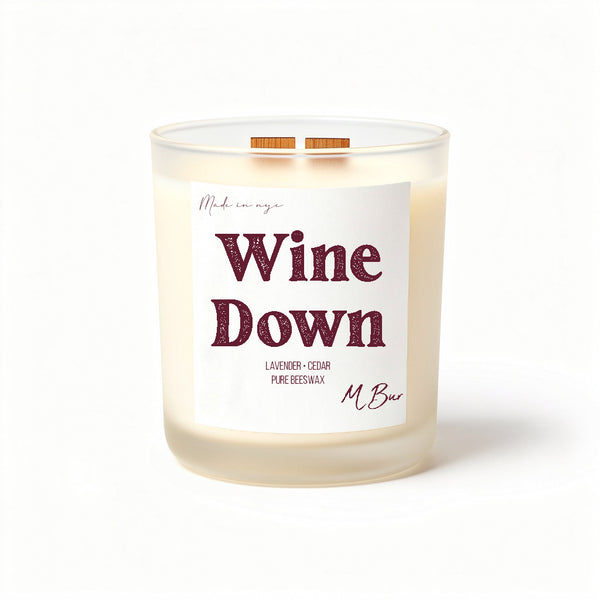
For an alternative that combines a wooden wick with clean wax, browse the full MBur beeswax candle collection.
The Quick Answer
WoodWick uses a soy-paraffin wax blend, a wooden wick (the brand's "Pluswick Innovation"), and proprietary fragrance formulations. The brand is owned by Yankee Candle (Newell Brands). The wooden wick is a genuine clean credential. The wax base contains paraffin, which puts WoodWick in the same wax category as Yankee Candle itself. The brand doesn't state whether the fragrance is phthalate-free. The crackle is real, while the clean wax is partial at best.
The Wax: Soy-Paraffin Blend
WoodWick's product listings confirm a "premium soy and paraffin wax blend" across the brand's standard line. Some newer collections (like the "Eco-conscious" line) use a soy-coconut wax blend, but the bulk of the brand's catalog is soy-paraffin. The brand's parent company, Yankee Candle, has been transparent about using soy-paraffin blends across multiple lines.
The paraffin percentage isn't publicly disclosed. A "soy and paraffin blend" can mean almost anything from majority soy with trace paraffin to majority paraffin with trace soy. Without disclosed percentages, the buyer can't tell how much paraffin is actually present, and any paraffin component can release compounds like benzene and toluene when burned.
The Wick: Wooden, Crackling
This is what WoodWick is built around. The brand's "Pluswick Innovation" is a wooden wick designed to produce the distinctive crackling sound. Wooden wicks are a clean credential. No metal core, no metal particulates, lower burn temperature, and less soot than thin cotton wicks would typically produce. The wick itself is one of WoodWick's strongest features.
The Fragrance: Proprietary, Phthalate Status Not Stated
WoodWick describes fragrance as multi-layered and complex, with some collections using essential oils as part of the formulation. The brand doesn't publicly state whether the fragrance is phthalate-free across the line. The absence of that claim is information in itself, though not confirmation either way. As a Newell Brands product, WoodWick shares the same parent company as Yankee Candle, which similarly doesn't state phthalate-free fragrance.
Ingredient Summary Table
| Component | What's Disclosed | Concern Level |
|---|---|---|
| Wax | Soy-paraffin blend (percentages not stated) | Moderate (paraffin component) |
| Wick | Wooden, lead-free | Low (clean credential) |
| Fragrance | Proprietary; phthalate status not stated | Moderate (uncertainty) |
| Dyes | Not prominently disclosed | Unknown |
| Burn time | Up to 130 hours for large hourglass | n/a |
How WoodWick Compares to Clean Alternatives
A clean-candle benchmark requires non-paraffin wax, explicitly phthalate-free fragrance, cotton or wood wicks, and no dyes. WoodWick meets the wick standard with its signature wooden wick. The wax standard isn't met because of the paraffin in the blend. The fragrance transparency standard isn't met because phthalate-free isn't stated. The crackling wooden wick is what makes WoodWick distinctive on the sensory side. The wax base is the part that keeps it short of clean-candle criteria.
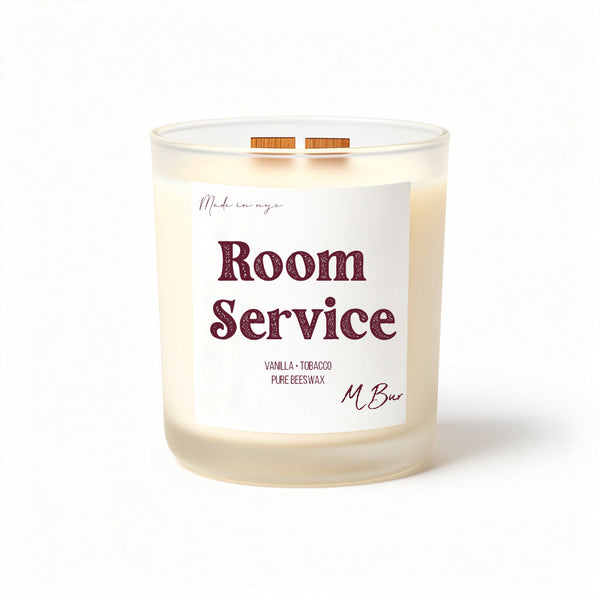
MBur uses 100% beeswax (no paraffin) with man-made phthalate-free non-toxic fragrance, wooden wicks that also crackle, and no dyes. The wooden-wick experience is similar to WoodWick's. The wax underneath is the meaningful difference. The Room Service candle is a good direct comparison: same wooden-wick crackle, clean wax base.
Frequently Asked Questions
Are WoodWick candles cleaner because of the wooden wick?
The wooden wick is a clean credential. It doesn't change what's in the wax though. The wax is a soy-paraffin blend, which contains paraffin. A wooden wick burning on top of a paraffin blend still releases paraffin's combustion byproducts. The wick helps the sensory experience and the burn quality. The wax is where the air quality questions actually come from.
Are WoodWick candles toxic?
Not classified as toxic by regulatory standards. The paraffin component releases VOCs when burned, and the fragrance isn't stated to be phthalate-free. For most people with occasional use, this isn't an acute concern. For sensitive lungs or anyone managing indoor air quality, a paraffin-free alternative is the cleaner choice.
What about WoodWick's eco-conscious line?
The eco-conscious collection uses a soy-coconut wax blend (no paraffin in that specific line), wooden wicks, and bio-based ingredients with essential oils. This collection is meaningfully cleaner than the standard WoodWick line. It's a subset though, not the full catalog. Check the specific candle's wax description before buying.
What's a cleaner alternative to WoodWick?
For the wooden-wick crackle on clean wax, look at 100% beeswax brands with wooden wicks (like MBur), or MADE SAFE certified brands like Fontana (beeswax-coconut blend, wooden wicks, essential oils). Both deliver the wooden wick experience on cleaner wax.
The Bottom Line
WoodWick's wooden wick is a real clean credential and a distinctive sensory feature. The wax under it is a soy-paraffin blend with paraffin in an undisclosed percentage. The brand doesn't state phthalate-free fragrance. For buyers who want the crackling wooden wick experience on clean wax, a 100% beeswax candle with a wooden wick gives you the wick plus a paraffin-free, phthalate-free formulation.
Shop the full collection of clean-burning beeswax candles
Related reading
What buyers say:

