

What Chemicals Are in Voluspa Candles? An Honest Breakdown
What Chemicals Are in Voluspa Candles? An Honest Breakdown
Voluspa sits in an interesting position in the candle world. It's widely available, decorated for visual appeal, and known for strong scent throw. That last part makes shoppers reasonably ask whether it shares the air quality issues of mass-market scented candles. Based on what Voluspa discloses, the brand is genuinely cleaner than most widely available candles. Here's the full breakdown.
For a different clean option, browse the full MBur beeswax candle collection.
The Quick Answer
Voluspa is one of the cleaner widely-available candle brands. The brand confirms its candles use a proprietary coconut wax blend (no paraffin), 100% natural cotton wicks, and fragrance formulations that are phthalate-free, paraben-free, and sulfate-free. The "proprietary coconut wax blend" isn't specified by exact percentages, but the brand explicitly states the wax is paraffin-free. This is a meaningful distinction from most mass-market candles.
The Wax: Proprietary Coconut Blend
Voluspa's own FAQ and ingredient page state the brand uses "a proprietary coconut wax blend made of sustainably farmed coconuts." Coconut wax has a lower melting point than paraffin or soy, which allows it to release fragrance effectively at lower temperatures and contributes to Voluspa's strong scent throw. The brand claims the wax burns "up to 90% cleaner than its 100% soy wax counterpart."
"Blend" without specifics is the one transparency gap. Coconut wax is often blended with other plant-based waxes for stability (pure coconut wax can be soft), but Voluspa confirms the blend is paraffin-free. Multiple third-party retailers carrying the brand for decades corroborate this.
The Wicks: 100% Natural Cotton
Voluspa uses 100% natural cotton wicks with no metal core. Lead-free is the baseline standard, and natural cotton is a step above the thin synthetic cotton wicks used in mass-market candles.
The Fragrance: Phthalate, Paraben, and Sulfate-Free
This is where Voluspa earns its clean credentials clearly. The brand explicitly states its fragrance formulations are free of phthalates, parabens, and sulfates, and contain no animal-sourced ingredients. The specific fragrance compositions aren't publicly disclosed (most fragrance brands invoke trade secret protection here), but the absence of phthalates is a meaningful clean credential that most mass-market brands can't or don't make.
The Vessels and Other Components
Voluspa is known for ornate, decorative jars with metal lids, designed to be reusable after the candle is finished. The vessels don't affect indoor air quality but are part of what the price buys.
Ingredient Summary Table
| Component | What's Disclosed | Concern Level |
|---|---|---|
| Wax | Proprietary coconut wax blend, paraffin-free | Low |
| Wick | 100% natural cotton, no metal core | Low |
| Fragrance | Phthalate-free, paraben-free, sulfate-free (specifics not disclosed) | Low |
| Dyes | Not explicitly disclosed | Unknown but minor |
| Burn time | 40 to 100 hours depending on size | n/a |
| Animal testing | None, vegan | n/a |
How Voluspa Compares to Clean Alternatives
Voluspa is a genuinely cleaner option than most widely-available candle brands. The paraffin-free wax and phthalate-free fragrance put it in a different tier from Yankee, Bath & Body Works, or Nest. The remaining gap is the lack of percentage disclosure on the coconut wax blend, which keeps it short of full transparency.
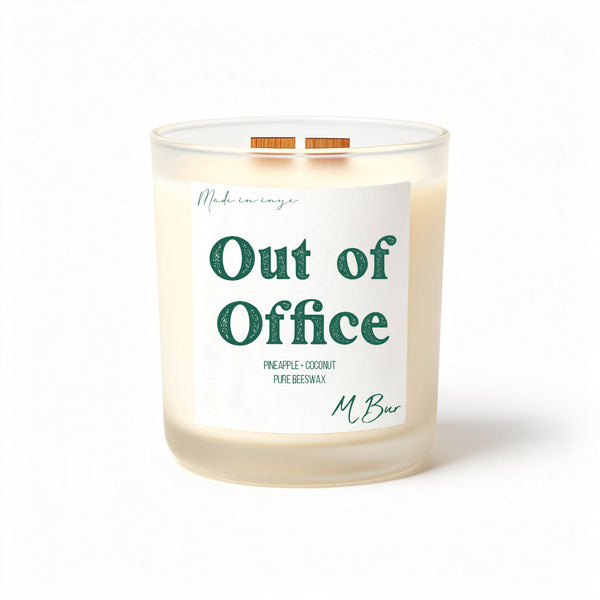
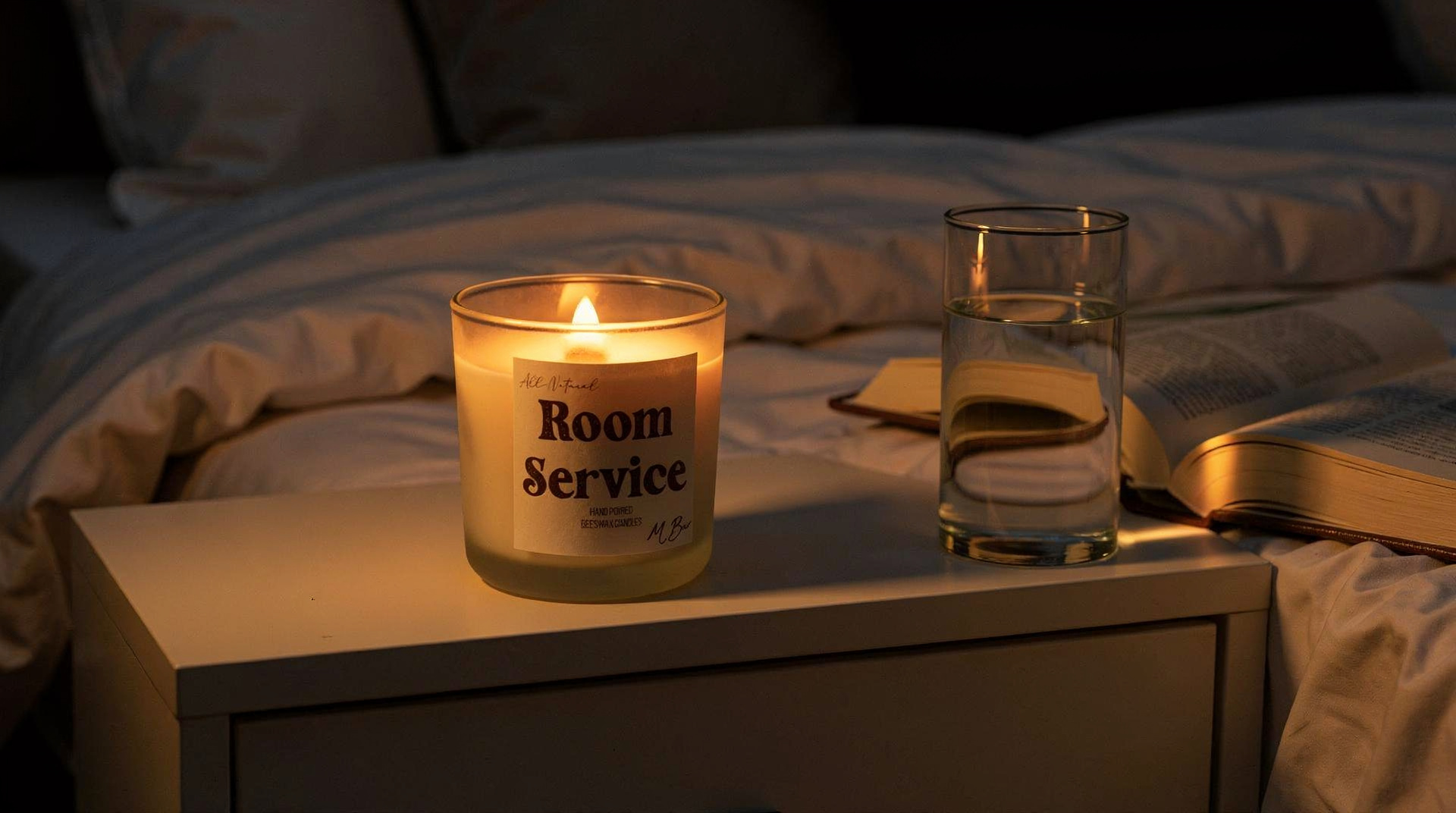
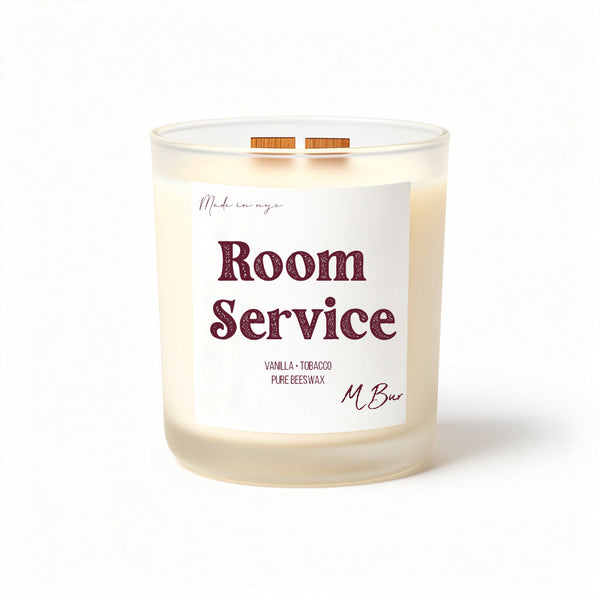
For comparison, MBur uses 100% beeswax (not a blend) with phthalate-free non-toxic fragrance, wooden wicks, and no dyes, all stated explicitly. Both Voluspa and MBur are in the clean-candle category. The differences come down to wax type (coconut blend vs 100% beeswax) and scent style. Voluspa is known for big, bold throw. Beeswax releases scent more gradually over a longer burn. The Room Service candle is MBur's strongest-throw scent if you want a beeswax comparison.
Frequently Asked Questions
Are Voluspa candles non-toxic?
By standard clean-candle criteria, Voluspa qualifies as one of the cleaner widely-available brands. The wax is paraffin-free, the wicks are cotton, and the fragrance is explicitly phthalate-free. The remaining unknown is the exact composition of the coconut wax blend, but the brand confirms no paraffin is included.
Is coconut wax better than soy or beeswax?
Coconut, soy, and beeswax are all clean choices that are far better than paraffin. Coconut wax releases scent strongly at lower temperatures, which is a key Voluspa selling point. Soy is plant-based and vegan. Beeswax burns longest of the three, produces the least soot, and may release negative ions. Each has its own strengths. Voluspa's coconut wax is genuinely strong for scent throw if that's the priority.
Do Voluspa candles contain phthalates?
No. The brand explicitly states its fragrance is phthalate-free, paraben-free, and sulfate-free. This is one of Voluspa's clearest clean credentials.
Are Voluspa candles vegan?
Yes. The brand states its candles are vegan, with no animal-sourced ingredients and no animal testing. This is a meaningful credential for buyers who prioritize vegan products. Beeswax candles aren't vegan, since beeswax is an animal byproduct. If vegan status matters, coconut wax brands like Voluspa are the clearer choice.
The Bottom Line
Voluspa is one of the cleaner widely-available candle brands. The coconut wax blend is paraffin-free, the wicks are natural cotton, and the fragrance is explicitly phthalate-free. For a vegan clean candle with strong scent throw, Voluspa is a reasonable pick. If you'd rather have 100% pure wax (no blend) and the longest burn time, beeswax is the alternative.
Shop the full collection of clean-burning beeswax candles
What buyers say:

