
What Chemicals Are in Diptyque Candles? The Real Ingredient List
What Chemicals Are in Diptyque Candles? The Real Ingredient List
Diptyque is the original luxury candle brand, founded in Paris in 1961, and the candles consistently top "best of" lists. They cost upwards of $80 per jar, and the scents (Baies, Figuier, Roses) have defined the modern luxury candle category. The ingredient question still matters at any price point though. Here's the real ingredient list for Diptyque candles, based on what the brand and reliable retailers disclose.
For a cleaner alternative, browse the full MBur beeswax candle collection.
The Quick Answer
Diptyque uses a paraffin and vegetable wax blend (not 100% pure paraffin, though older sources sometimes claim that), cotton wicks, and proprietary fragrance formulations with an unusually high fragrance load (around 10%). The brand doesn't publicly disclose the percentage of paraffin in the blend or whether the fragrance is phthalate-free. Diptyque is a luxury paraffin-blend candle. It's cleaner than mass-market paraffin in some ways, still in the paraffin category overall. The premium price buys fragrance complexity and craftsmanship rather than paraffin-free wax.
The Wax: Paraffin and Vegetable Blend
Diptyque describes its wax as "a unique blend of high-quality waxes" without specifying percentages. Reliable retailer disclosures and the brand's own product pages confirm the blend includes paraffin and vegetable (often unspecified plant-based) waxes. The paraffin component is described as a refined petroleum wax used to ensure burn consistency and scent throw. Whatever the percentage, burning paraffin still releases benzene, toluene, and soot regardless of how refined or "high quality" the paraffin is.
The Wicks: Cotton, Lead-Free
Diptyque uses lead-free cotton wicks (the standard since the US lead-core ban in 2003). For larger candles or specific scents, the brand uses double wicks to handle the wider wax surface. Wicks are hand-glued and individually inspected during the candle's 8-step, 2-day production process.
The Fragrance: Proprietary, High Concentration
This is what most buyers are paying for. Diptyque's fragrance load is roughly 10% by weight, which is high for the candle category and accounts for the brand's distinctive scent throw and complexity. The fragrances are composed by master perfumers working with natural and synthetic aroma compounds. The exact formulations aren't publicly disclosed and the brand doesn't state whether they're phthalate-free. Diptyque doesn't market itself as a clean or non-toxic brand. The positioning is luxury fragrance, which is a different category.
The Vessels and Other Components
The hand-blown French glass vessels and the iconic oval labels are part of what the price buys. They aren't relevant to indoor air quality but do affect the perceived value and the reusability of the jar after the candle is finished.
Ingredient Summary Table
| Component | What's Disclosed | Concern Level |
|---|---|---|
| Wax | Paraffin + vegetable wax blend (percentages not stated) | Moderate to high (paraffin component) |
| Wick | Cotton, lead-free | Low (baseline standard) |
| Fragrance | Proprietary, ~10% load; phthalate status not stated | Moderate (high load + uncertainty) |
| Dyes | Not prominently disclosed | Unknown |
| Burn time | 50 to 60 hours | n/a |
How Diptyque Compares to Clean Alternatives
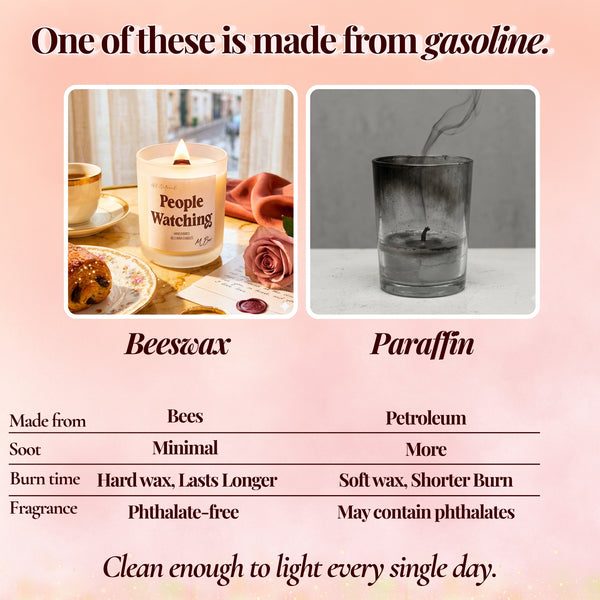
A clean-candle benchmark requires non-paraffin wax, explicitly phthalate-free fragrance, cotton or wood wicks, and no dyes. Diptyque meets the wick standard. The wax standard isn't met because of the paraffin in the blend. The fragrance transparency standard isn't met because phthalate-free isn't stated. The high fragrance load that makes Diptyque distinctive is also a meaningful factor for headache-prone people, since concentrated fragrance is the most common candle-related trigger.
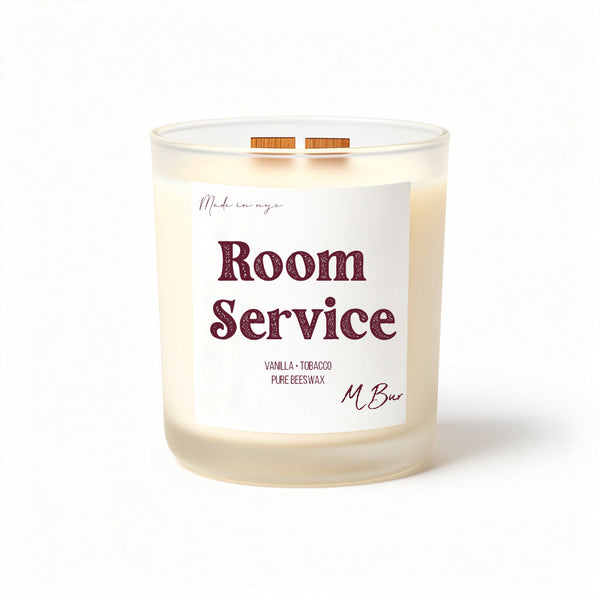
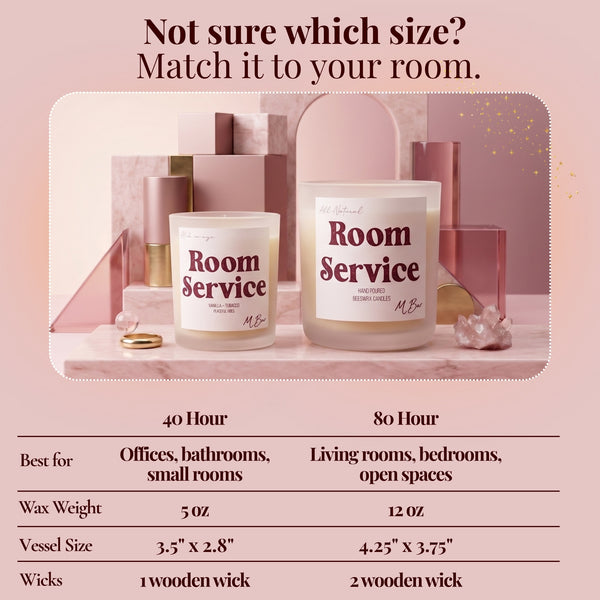
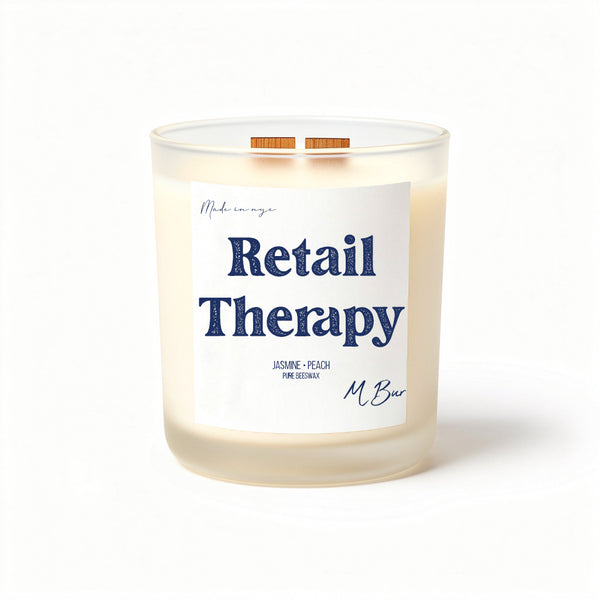
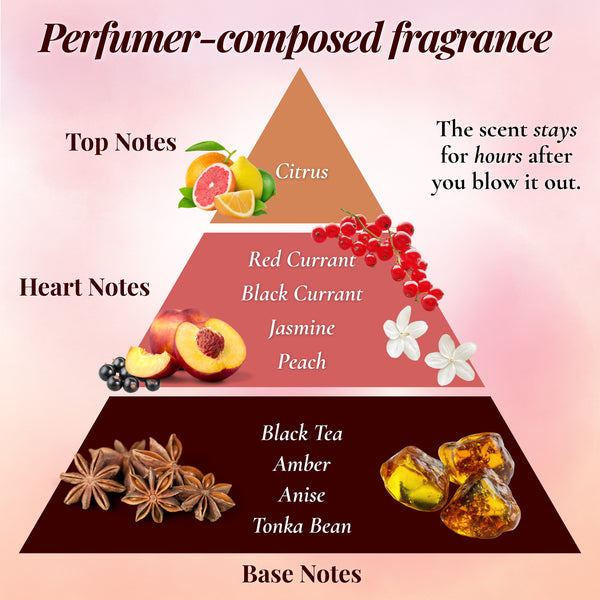
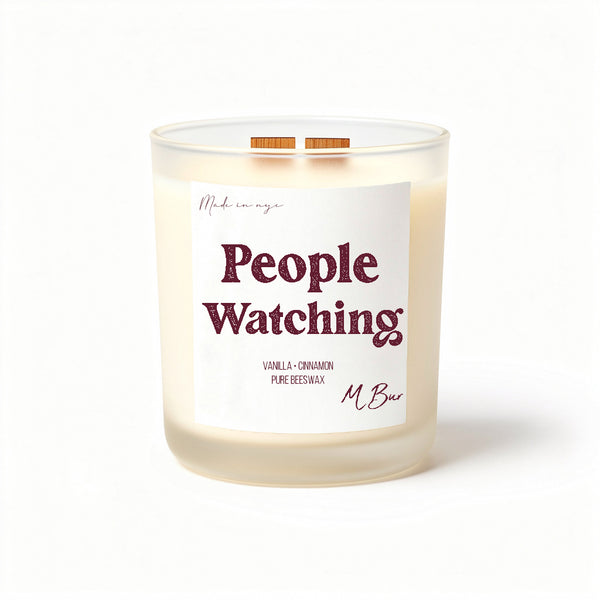
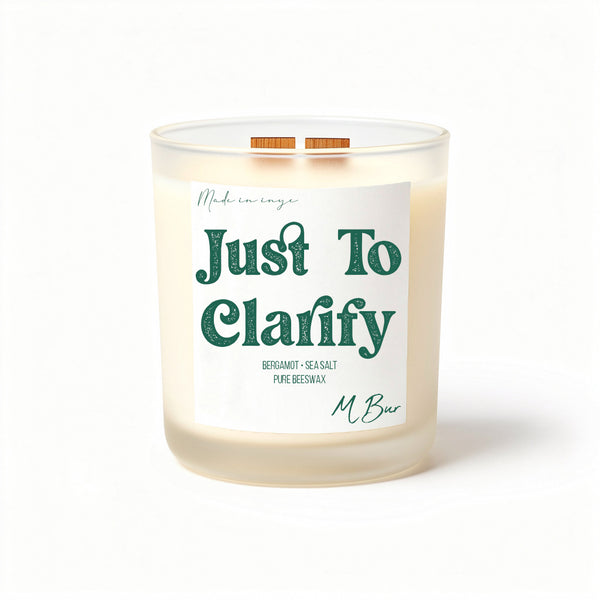
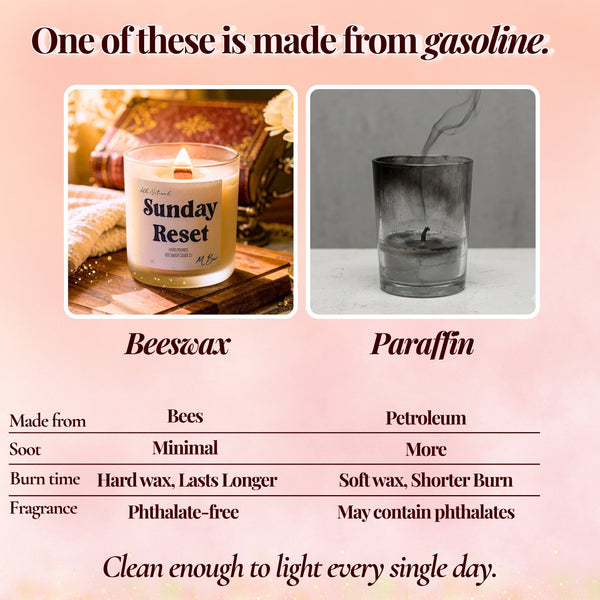
MBur uses 100% beeswax with phthalate-free non-toxic fragrance, wooden wicks, and no dyes, stated explicitly on every product page. The Retail Therapy candle is a layered, complex scent done on clean wax. The Room Service candle is the bestseller for buyers who want luxury scent without paraffin in the equation.
Frequently Asked Questions
Are Diptyque candles toxic?
Diptyque candles aren't classified as toxic by regulatory standards. The wax contains paraffin, which releases benzene and toluene when burned, and the fragrance isn't stated to be phthalate-free. For most people in well-ventilated rooms with occasional use, this isn't an acute concern. For sensitive lungs, headache-prone people, or pregnancy, a paraffin-free alternative is the cleaner choice.
Why do Diptyque candles cost so much if they have paraffin?
The price reflects the fragrance complexity, the high fragrance load, the hand-poured production, the French glass vessels, and the brand. It doesn't reflect any switch to non-paraffin wax. Luxury pricing doesn't automatically mean clean ingredients.
Do Diptyque candles contain phthalates?
The brand doesn't state whether the fragrance is phthalate-free. Brands that formulate without phthalates typically advertise it. The absence of that claim is information in itself, though not confirmation either way. A buyer concerned about phthalates would need to choose a brand that explicitly states phthalate-free.
What's a cleaner alternative to Diptyque?
For luxurious scent without paraffin or undisclosed fragrance, look at 100% beeswax brands like MBur, MADE SAFE certified brands like Fontana, or 100% coconut wax brands that explicitly state phthalate-free, like Voluspa. The Retail Therapy candle is one example of a complex layered scent on clean wax.
The Bottom Line
Diptyque candles are luxury paraffin-blend candles with high fragrance loads and proprietary formulations. The wick and craftsmanship meet luxury standards. The wax and fragrance transparency don't meet clean-candle standards. For buyers prioritizing indoor air quality, a 100% beeswax or 100% coconut wax candle with stated phthalate-free fragrance is the cleaner alternative.
Shop the full collection of clean-burning beeswax candles
What buyers say:
Related reading:
Shop our candles