

What Are Sootless Candles? What the Term Actually Means
Every candle that has ever existed produces soot. Every single one. Beeswax, soy, paraffin, coconut, tallow, the expensive one from that boutique in SoHo. If it has a flame, it has combustion, and combustion means carbon particles escape into the air.
So when you see "sootless" on a label, what exactly are you buying?
The answer is more interesting than you might expect, and it has real implications for the air inside your home, the walls of your apartment, and the candle sitting on your nightstand right now. This post breaks down the combustion science behind clean burning candles, explains why some waxes genuinely burn cleaner than others, and gives you a practical checklist for keeping soot to an absolute minimum. If you want to skip ahead and browse candles built around every principle covered here, our full beeswax candle collection is a good place to start.
The Combustion Problem: Why "Sootless" Is a Marketing Term
Soot is unburned carbon. When you light a wick, the heat melts the wax, the liquid wax travels up the wick via capillary action, and the flame vaporizes it into a gas. That gas mixes with oxygen and ignites. In a perfect world, every carbon atom in that gas would find an oxygen molecule and convert cleanly into carbon dioxide and water vapor.
We do not live in a perfect world. The fuel to oxygen ratio inside a candle flame is never perfectly balanced, so some carbon atoms escape without fully combusting. Those escaped particles are soot. It is a fundamental byproduct of burning any organic material, the same way ash is a byproduct of burning wood.
The U.S. Environmental Protection Agency has noted that all candle combustion, regardless of wax type, produces particulate matter and byproducts of incomplete combustion. This is not a controversy. It is thermodynamics.
So "sootless" as a literal claim? Scientifically impossible. What the term actually signals, when used by reputable brands, is a candle formulated and designed to produce dramatically less soot than a conventional paraffin candle with a cotton wick. That distinction matters.

What Actually Determines How Much Soot a Candle Produces
Most people assume it comes down to wax type alone. Wax matters, but it is only one variable in a system with several moving parts. The biggest factors, ranked roughly by impact:
1. Wick Length and Type
An untrimmed wick is the single fastest way to turn any candle into a soot machine. When a wick grows past about a quarter inch, the flame draws more liquid wax than it can efficiently combust. The excess fuel vaporizes but never fully ignites, and those unburned carbon particles float upward as visible black smoke.
Wick material plays a role too. Metal core wicks (common in cheap tea lights and jar candles) can release metallic particles alongside carbon soot. Wooden wicks burn at a lower, wider flame profile, which tends to pull wax more evenly across the melt pool and reduces the towering flame effect that creates excess soot.
2. Airflow and Drafts
A stable flame is a clean flame. When air currents from a ceiling fan, an open window, or even someone walking past hit the flame, it flickers. Each flicker disrupts the combustion zone, momentarily starving one side of oxygen and flooding the other with excess fuel. The result is a burst of incomplete combustion, which means a burst of soot.
If your candle consistently leaves black marks on the jar or the ceiling above it, check for drafts before blaming the candle itself.
3. Wax Composition
Now we get to the part everyone argues about online. Different waxes do behave differently in a flame, and the differences are real.
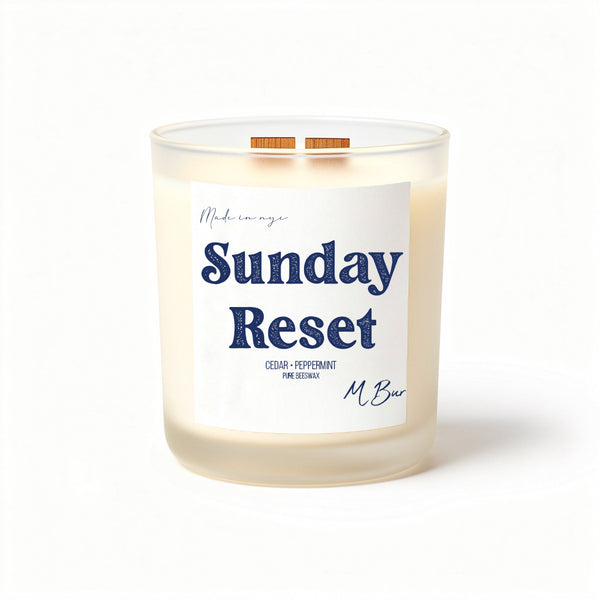
Paraffin is a petroleum byproduct, a hydrocarbon refined from crude oil. It burns at a relatively low melting point and can release volatile organic compounds (VOCs) during combustion. Paraffin soot tends to be darker and stickier, which is why it leaves those telltale black streaks on walls and ceilings.
Soy wax burns at a slightly higher temperature and generally produces lighter colored soot. But many soy candles on the market are actually soy blends, cut with paraffin to improve scent throw or reduce cost. The label might say "soy" while the candle is burning a meaningful percentage of petroleum wax.
Beeswax has the highest melting point of any candle wax, which means it burns slower and at a more controlled rate. The flame draws fuel more gradually, giving oxygen more time to reach the carbon molecules before they escape. The result is a cleaner, more complete combustion cycle. Beeswax candles still produce some particulate matter (every flame does), but the volume is meaningfully lower when the candle is properly maintained.
4. Fragrance Load and Dyes
Fragrance oils are additional fuel the flame has to combust. A candle loaded with a high concentration of fragrance oil asks more of the wick, and if the wick is not sized to handle that extra fuel, incomplete combustion increases. Chemical dyes add another combustible variable.
This is where the ingredient list matters more than the wax type. A beeswax candle packed with toxic fragrance oils containing phthalates and parabens, plus chemical dyes, can produce more problematic emissions than a well made paraffin candle with clean ingredients. The wax is important, but it is not the whole story.

A Quick Comparison: Wax Types and Clean Burning
| Factor | Paraffin | Soy | Beeswax |
|---|---|---|---|
| Source | Petroleum byproduct | Soybean oil (often blended with paraffin) | Byproduct of honey production |
| Melting Point | Lowest | Medium | Highest |
| Soot Profile | Dark, sticky soot; higher VOC emissions | Lighter soot; varies with blending | Minimal, lightest soot when properly maintained |
| Burn Duration | Shortest | Medium | Longest (highest melting point means slower fuel consumption) |
| Common Additives | Chemical dyes, toxic fragrance oils, metal core wicks | Sometimes blended with paraffin; fragrance quality varies | Typically sold pure; fewer additives needed |
What "Clean Burning" Actually Looks Like in Practice
Forget the marketing language for a second. A genuinely clean burning candle checks these boxes:
Single ingredient wax, not a blend. If the label says "soy blend" or "natural wax blend," there is almost certainly paraffin in the mix. Pure beeswax or pure soy means you know exactly what is burning.
No chemical dyes. Color additives are extra fuel the flame has to process. They serve no functional purpose and can increase particulate emissions.
Non toxic, phthalate free fragrance oils. Many candles use toxic fragrance oils that contain phthalates, parabens, and other undisclosed chemicals hidden under the catch all label "fragrance." A clean burning candle uses fragrance oils with transparent ingredient lists and no known irritants.
A properly sized wick. The wick has to match the diameter of the candle and the melt characteristics of the wax. Too large, and the flame draws excess fuel. Too small, and the wax tunnels. Both scenarios increase soot.
No metal core wicks. Cotton or wood. Period.
"I absolutely love these candles! I instantly notice the difference in the air quality, in comparison to the Bath & Body scented candles. I love Bath & Body's candles but I acknowledge that it caused a slight headache and other minor respiratory discomfort. Awesome products. Totally addicted." Jason H., verified MBur customer
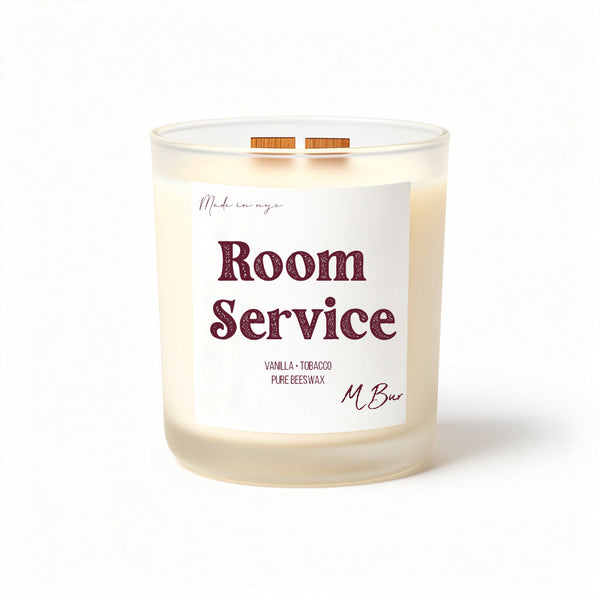
That difference Jason noticed is exactly what we are talking about. When you remove paraffin, chemical dyes, metal wicks, and toxic fragrance from the equation, the combustion byproducts change dramatically. The Room Service candle Jason was burning uses 100% beeswax, a wooden wick, and phthalate free fragrance, which is about as close to a "sootless" burn as thermodynamics will allow.
Your Soot Reduction Checklist: 6 Things You Can Do Tonight
Even the cleanest candle will produce visible soot if you burn it carelessly. These six habits make a measurable difference.
Trim the wick to a quarter inch before every single lighting. This is the most impactful thing you can do. A short wick produces a smaller, more stable flame that combusts fuel more completely. For wooden wicks, snap or pinch off the charred portion until about a quarter inch of fresh wood remains.
Keep the candle away from drafts. Move it at least a foot from open windows, air vents, ceiling fans, and high traffic walkways. A still flame is a clean flame.
Limit burn sessions to three or four hours. Burning longer than that can cause the wick to "mushroom" (form a carbon ball at the tip), which destabilizes the flame and increases soot. It can also overheat the container, causing the wax to burn less efficiently.
Remove debris from the wax pool. Wick trimmings, match heads, or dust that falls into the melted wax become additional, uncontrolled fuel sources that burn unpredictably.
Use a snuffer or wick dipper instead of blowing the candle out. Blowing creates a plume of smoke and soot. A snuffer starves the flame of oxygen cleanly. A wick dipper bends the wick into the wax pool to extinguish it, which also coats the wick in wax and reduces smoke on the next lighting.
Let the wax pool reach the edges on the first burn. This prevents tunneling, which can create an uneven fuel supply in future burns and lead to a larger, sootier flame as the wick sits in a deep well of wax.

Where Beeswax Fits in All of This
Beeswax is the oldest candle material humans have used, dating back roughly 5,000 years. It earned that longevity for practical reasons, not sentimental ones.
Its high melting point means the wax liquefies and vaporizes more slowly than paraffin or soy. Slower fuel delivery gives the flame more time to fully combust each carbon molecule before it escapes. The result is a brighter, more stable flame that produces less particulate waste.
Beeswax also burns with a light spectrum closest to natural sunlight, which is a minor but genuinely pleasant detail. The flame looks warmer and steadier than what you get from a paraffin candle.
And because beeswax is naturally dense and slow burning, it lasts significantly longer than other waxes by weight. MBur's largest candle size burns for up to 80 hours, which is a direct consequence of the wax's physical properties, not some proprietary trick.
Some studies suggest beeswax candles may release negative ions during combustion, which could help neutralize pollutants and allergens in the air. The research on this is not conclusive enough to state as fact, but it is an area of ongoing interest.
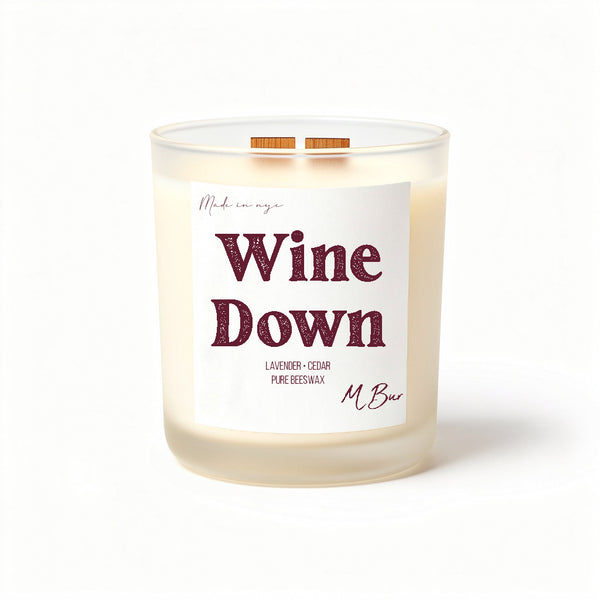
The Wine Down candle, with its lavender, chamomile, sage, rosemary, camphor, cedar, and sandalwood notes, is a good example of how beeswax pairs with non toxic fragrance. The phthalate free oils are formulated to work within the combustion profile of the beeswax and wooden wick combination, so the scent throw stays strong without overloading the flame with fuel it cannot handle.
Frequently Asked Questions
Are "sootless" candles scientifically real?
Strictly speaking, no. Any candle with a flame involves combustion, and combustion always produces some carbon particles. "Sootless" is a marketing term that, at its best, signals a candle designed to minimize soot through clean ingredients and proper wick sizing. Look for 100% pure wax (not a blend), no chemical dyes, non toxic fragrance, and a wood or cotton wick with no metal core. MBur's beeswax candles check every one of those boxes.
Why does my candle leave black marks on the jar?
Almost always an untrimmed wick. When the wick is too long, the flame pulls more wax than it can combust, and the excess carbon deposits on the glass. Trim to a quarter inch before every burn and keep the candle out of drafts. If the problem persists, the candle may have a wick that is oversized for the jar diameter, which is a manufacturing issue.
Do beeswax candles produce zero soot?
They produce less soot than paraffin candles when properly maintained, but "zero" is physically impossible with an open flame. Beeswax's high melting point creates a slower, more controlled fuel delivery to the flame, which results in more complete combustion. Pair that with a trimmed wick and a draft free environment, and visible soot becomes extremely rare.
Is candle soot dangerous?
The small amount of carbon soot from a well maintained candle is generally comparable to what a toaster or cooking oil produces. The bigger concern is what else is in the soot. Paraffin candles can release VOCs, and candles made with toxic fragrance oils containing phthalates may add irritating compounds to the air. Choosing a candle with clean ingredients reduces the chemical complexity of whatever small amount of particulate your flame does produce. If you have asthma or a respiratory condition, follow your doctor's guidance on any indoor combustion sources.
Can I eliminate soot completely?
The only way to get truly zero soot from a candle is to not light it. A candle warmer lamp melts wax without combustion, which eliminates soot entirely while still releasing fragrance. But if you want the actual flame (and the crackling sound of a wooden wick candle), proper maintenance gets you remarkably close.
The Bottom Line
"Sootless" is a spectrum, not a switch. No candle eliminates soot entirely, but the gap between a paraffin candle with a metal wick and toxic fragrance versus a pure beeswax candle with a wooden wick and phthalate free fragrance is enormous. The wax, the wick, the fragrance, and your burning habits all compound to determine how clean that flame actually is.
MBur's candles are built around every variable covered in this post: 100% beeswax, wooden wicks, non toxic fragrance, no chemical dyes, handmade in Queens, New York. Starting at $20 for the 20 hour size.
"I love the scent of this candle. It is lovely not overpowering. It's soothing fragrance more than covers my bedroom and bathroom. It is aromatherapy at its best." Dawne Forrest, verified MBur customer
Browse the full beeswax candle collection and see what a genuinely clean burn looks like.
Related reading

