

Top, Middle, and Base Notes Explained: How a Candle Scent Unfolds
Read the description of any good candle and you will see a scent broken into notes, the individual smells that make it up. What is less obvious is that those notes are arranged in layers, top, middle, and base, and they reveal themselves in turn as the candle burns. Understanding that structure is the difference between a scent description that looks like a list and one you can actually picture. Here is how a fragrance is built and how it unfolds. We make 100% beeswax candles, and the full collection is here as you read.
The idea of a fragrance pyramid
Perfumers describe a scent as a pyramid with three layers, because the different ingredients evaporate at different speeds. The lightest notes lift off first and fade fastest, the heaviest linger longest, and the middle sits between them holding the whole thing together. A candle works the same way. What you smell in the first moment is not quite what you smell an hour in, and that movement is the scent doing exactly what it was designed to do.
Top notes: the first impression
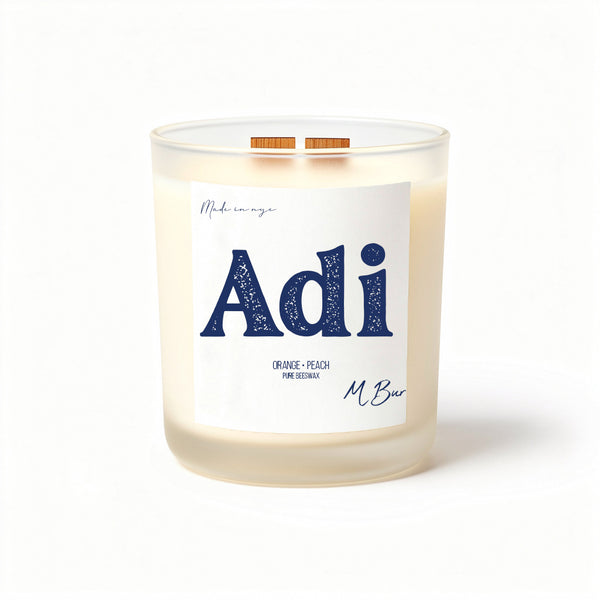
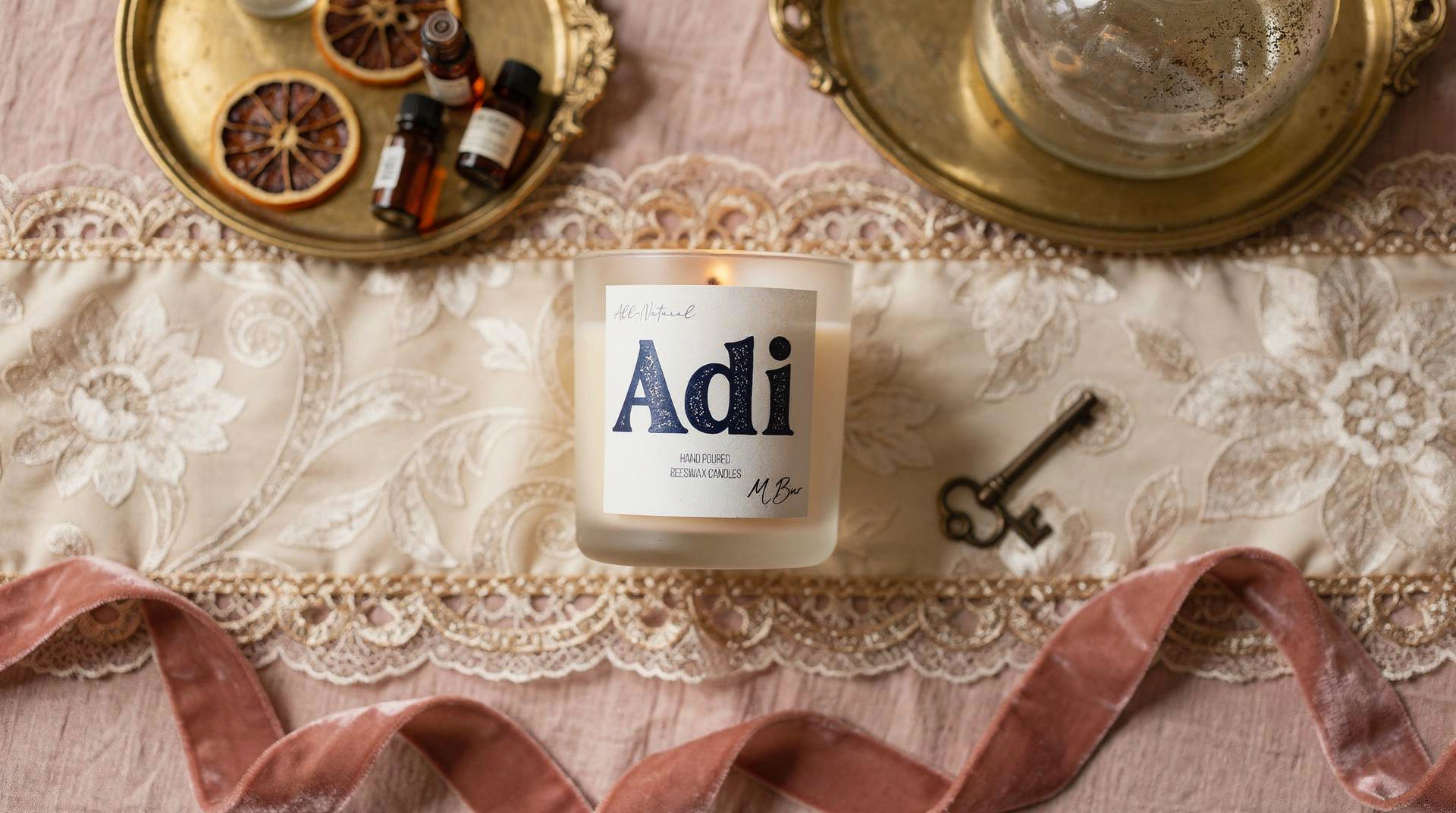
Top notes are what hit you first, the bright opening of a scent. They are light and volatile, so they make the strongest immediate impression and then fade within minutes. Citrus, fresh herbs, and light fruits usually live here. In a candle like Adi, the burst of lemon, orange, and grapefruit you notice the instant you lean in is the top note doing its job. It is the handshake of the fragrance.
Middle notes: the heart
Middle notes, also called heart notes, emerge as the top notes fade and form the main body of the scent. They are rounder and last longer, and they are what you smell for most of the time a candle is burning. Florals and softer spices tend to sit here. They give a fragrance its character once the first brightness has lifted, the part you settle into rather than just notice.

Base notes: the foundation
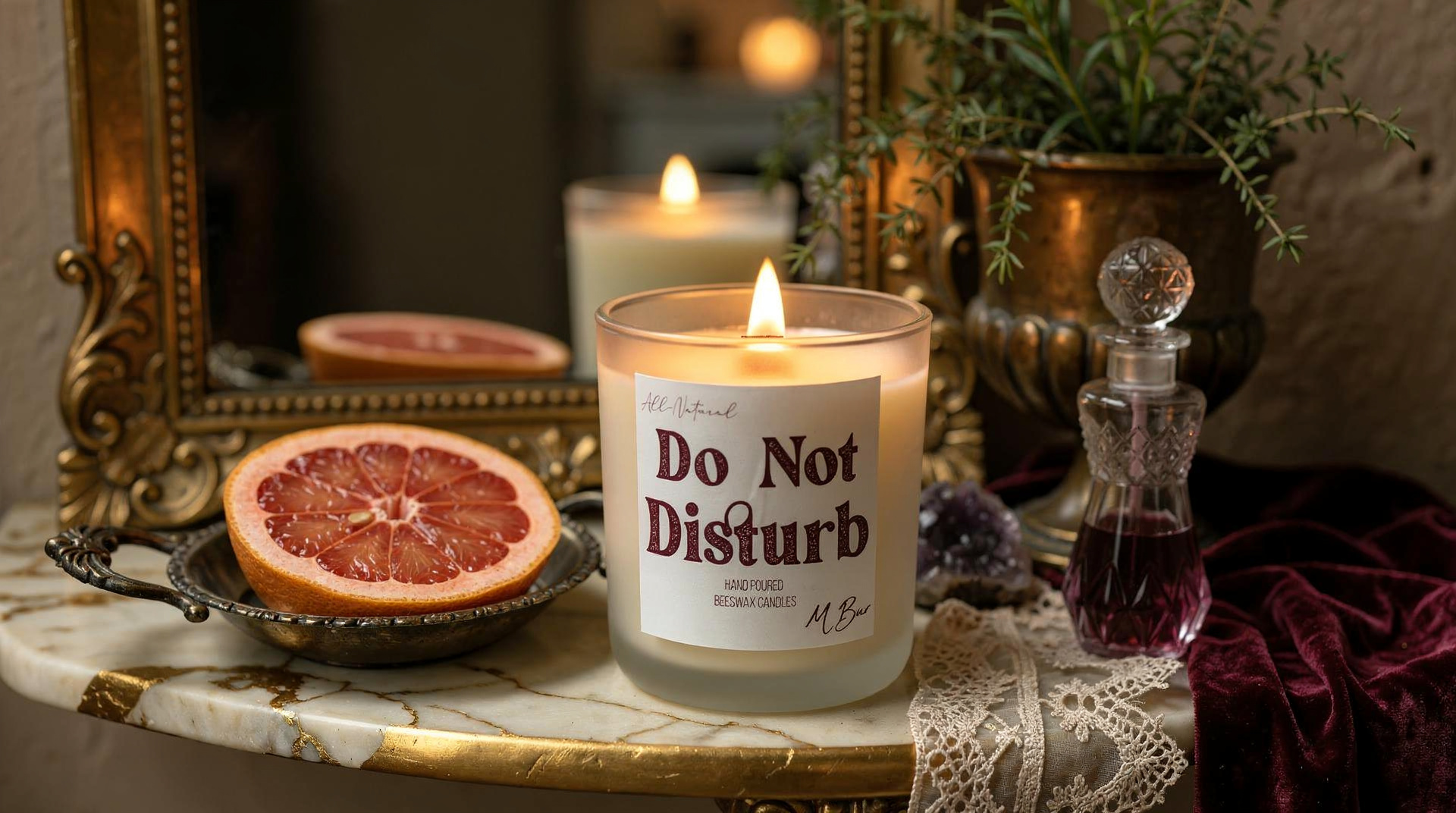
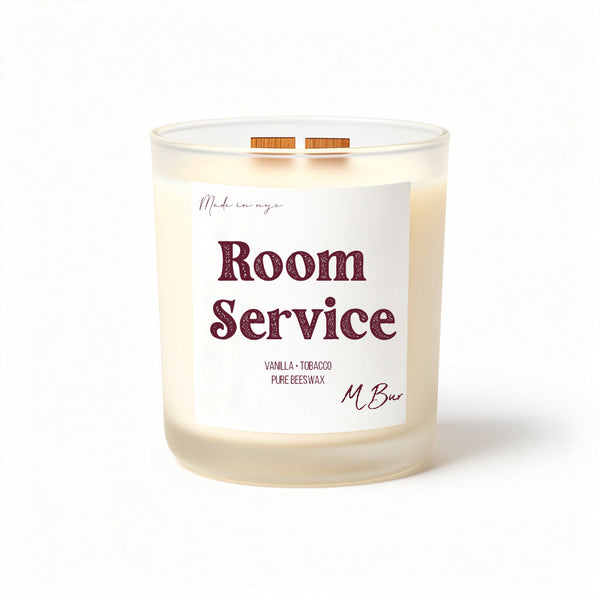
Base notes are the heaviest and slowest to evaporate, so they last the longest and anchor everything above them. Woods, amber, vanilla, musk, and tonka usually live at the base. They are why a scent still lingers in a room after the candle is out, and why a fragrance feels warm and finished rather than thin. In Do Not Disturb, the amber, sandalwood, and vanilla underneath the pear and jasmine are the base, holding the whole scent together.
How it unfolds as a candle burns
Put together, this is why a candle smells like a journey rather than a single static note. When you first light it, the top notes lead. As it warms and burns, the heart notes take over, and underneath it all the base notes build and linger. By the time you blow it out, what remains in the room is mostly the base. Knowing this, you can read a scent description and roughly imagine how it will move, from the bright opening to the warm finish.
| Layer | When you smell it | Typical notes |
|---|---|---|
| Top | First, fades fast | Citrus, fresh herbs, light fruit |
| Middle | The main body | Florals, soft spices |
| Base | Last and lingers | Woods, amber, vanilla, musk |
A well built scent reveals itself over time, which is part of the pleasure:
Why notes matter when you choose a candle
Beyond being interesting, understanding notes makes you a far better candle shopper. A scent description is a promise about how a candle will smell, and reading it by layer tells you whether it actually suits you. If you love bright openings but find heavy bases cloying, you will want a scent led by citrus and light florals with a soft base. If you want a candle that lingers warmly in a room for hours, you want strong base notes like amber, sandalwood, or vanilla. Two candles can share a top note and feel completely different because of what sits underneath them. Once you read descriptions this way, you stop being surprised by candles that smelled wonderful for five minutes and then became something you did not expect, and you start choosing scents that please you from the first moment to the last.
How beeswax fits in
One more layer is worth mentioning. Pure beeswax carries its own faint, natural honey note before any fragrance is added, which sits quietly beneath whatever scent a candle is built on. In a beeswax candle, that soft base gives even bright, fresh scents a touch of warmth underneath. It is part of why a well made beeswax candle can feel a little rounder and more grounded than the same fragrance in a harsher wax. The wax itself is doing a small amount of the work, adding a gentle base note that no one printed on the label.
Common questions
What are top, middle, and base notes?
They are the three layers of a fragrance, arranged by how quickly they evaporate. Top notes are light and lead first, middle notes form the main body, and base notes are heavy and linger longest. Together they make a scent unfold over time rather than smell the same throughout. You can see the notes for each scent in the collection.
Why does my candle smell different after a while?
Because the layers reveal themselves in turn. The bright top notes fade within minutes, the heart notes take over for most of the burn, and the base notes build and linger underneath. That movement is normal and intended, not a flaw.
Which notes last the longest in a candle?
Base notes, like woods, amber, vanilla, and musk. They are the heaviest and slowest to evaporate, so they anchor the scent and are what you still smell in a room after the candle is out.
The bottom line
A candle fragrance is built in three layers that unfold as it burns, from the bright top notes to the warm, lingering base. Once you know the structure, a scent description stops being a list and becomes something you can actually imagine.
What buyers say:

