

Should You Trim a Wooden Wick Every Time? The Honest Rule
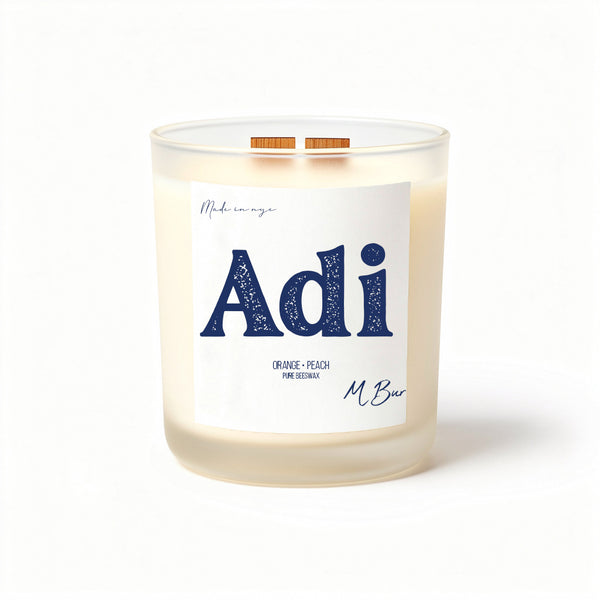
Of all the small habits that separate a candle that burns beautifully from one that smokes and tunnels, trimming the wick is the most important and the most often skipped. People wonder whether they really need to do it every single time, or whether it is one of those instructions that does not matter much. The honest answer is that yes, you should trim before every burn, and with a wooden wick in particular it makes a real, visible difference. Here is why it matters and exactly how to do it. We make 100% beeswax candles with wooden wicks, and the full collection is here as you read.

The short answer
Trim the wick before every burn, including the very first one. It takes a few seconds and it is the single biggest thing you can do to keep a candle burning cleanly. A freshly trimmed wick gives you a controlled, even flame from the moment you light it, while a neglected one builds up problems burn after burn. This is not a fussy extra step, it is basic candle care, and once you make it a habit you stop thinking about it.
Why a long wick causes trouble
When a wick gets too long, the flame has more fuel than it can burn cleanly, and several things go wrong at once. The flame grows tall and unsteady, it produces more soot, and it can start to smoke and flicker. An overlong wick also burns through the candle faster, so you get fewer hours, and it can leave black residue on the rim of the jar. A short, trimmed wick keeps the flame low, calm, and clean, which is what you actually want from a candle.

How wooden wicks are different
A wooden wick does not behave quite like a cotton one, so trimming it is a little different. Instead of soft string, you have a thin strip of wood that chars as it burns, leaving a layer of blackened, spent wood on top. That char is what needs to come off before the next burn. Rather than cutting a long wick down, you are removing the brittle burnt layer to expose fresh wood underneath, which lights easily and burns cleanly. A wooden wick that keeps its char tends to struggle to stay lit.

How to trim a wooden wick
It is easy once the candle is cool and the wax has set. Many people simply pinch off the burnt top of the wick with their fingers, since the char is brittle and breaks away cleanly, then brush the debris out of the wax. You can also use a wick trimmer, a small pair of scissors, or even nail clippers to snip the charred portion off. Whatever you use, do it before lighting, never while the candle is warm or burning, and make sure no broken bits are left sitting in the wax to clog the flame.

Exactly how short
For a wooden wick, aim to leave roughly an eighth of an inch of clean wood above the wax, removing the burnt char down to fresh wood. That is shorter than people expect, but a wooden wick burns best kept low. Too tall and it smokes and burns hot, too short and it can drown in the wax. An eighth of an inch of fresh wood is the sweet spot for a clean, steady flame and a gentle crackle.
What happens if you skip it
Skip trimming and the problems compound over a candle's life. Soot builds on the jar, the flame grows erratic, the wax can tunnel as an uneven flame fails to melt the whole surface, and the wick may eventually struggle to stay lit at all under its own char. None of this is dramatic in a single burn, which is why it is easy to neglect, but across a whole candle it is the difference between a clean even burn to the bottom and a sooty, tunneled, frustrating one.
The payoff
For a few seconds of effort, trimming gives you a cleaner flame, less soot in your air and on your jar, a longer lasting candle, and that signature soft crackle a wooden wick is known for, at its best. It is the rare bit of maintenance that costs almost nothing and improves nearly everything about how a candle performs. Make it the thing you do right before you strike the match, every time.
| Wick state | How it burns |
|---|---|
| Trimmed to fresh wood | Low, steady, clean flame with a gentle crackle |
| Left with old char | Hard to light, may drown or struggle |
| Grown too long | Tall, sooty, smoking, burns fast |
Regular buyers tend to become evangelists for trimming:

I cannot begin to express how amazing these candles are. I tell my friends that they need to trim the wick. - ty W., Wine Down Candle
Common questions
Do you need to trim a wooden wick every time?
Yes. Trimming before every burn, including the first, keeps the flame low and clean and prevents soot and tunneling. With a wooden wick you are removing the burnt char to expose fresh wood, which lights and burns far better. It takes only a few seconds. The collection all uses wooden wicks, so this habit applies to every one.
How do you trim a wooden wick?
Once the candle is cool, pinch or snip off the burnt, blackened top of the wick down to fresh wood, leaving about an eighth of an inch. Fingers, a wick trimmer, scissors, or nail clippers all work. Brush away any debris so nothing is left in the wax, and always trim before lighting rather than during a burn.
What happens if you do not trim a wooden wick?
It builds up char and struggles to stay lit, the flame can grow sooty or erratic, the candle may tunnel, and soot collects on the jar. Across a whole candle, skipping trimming is the difference between a clean even burn and a frustrating one.

The bottom line
Trim a wooden wick before every burn, taking the burnt char down to about an eighth of an inch of fresh wood. It is a few seconds of effort that buys a cleaner flame, less soot, a longer burn, and that lovely crackle at its best.
What buyers say:

