

Relighting a Stubborn Wooden Wick: Get It Lit and Stay Steady
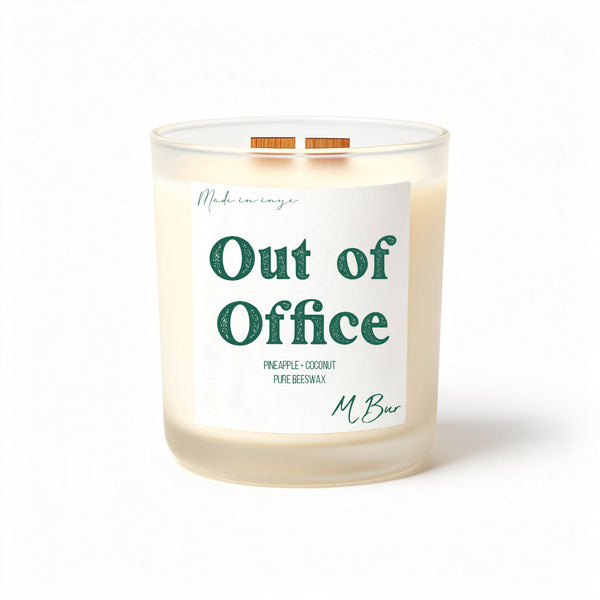
Wooden wicks give a candle a beautiful crackle and a wide, gentle flame, but they have a reputation for being a little fussy to light, especially when relighting a candle that has been burned before. If you have ever held a flame to a wooden wick and watched it sputter out, you are not doing anything wrong, you just need a slightly different technique than a cotton wick asks for. Once you know the trick, a wooden wick lights easily every time. Here is how to get it going and keep it steady. We make 100% beeswax candles with wooden wicks, and the full collection is here as you read.
Why wooden wicks are trickier
A wooden wick needs more heat to catch than a cotton one, because you are igniting a strip of wood rather than soft, absorbent string. It also has to draw wax up and start vaporizing it to sustain the flame, which takes a moment longer to get going. So the most common reason a wooden wick seems stubborn is simply that it was not given enough time or heat to fully catch before the match was taken away. Patience in those first few seconds is most of the battle.
Trim off the char first
Before you even try to relight, deal with the burnt char from the last burn. A wooden wick that has been used is topped with a layer of spent, blackened wood, and that char does not light well. Pinch or snip it off down to fresh, clean wood, leaving about an eighth of an inch, and brush away any debris. A freshly exposed wooden wick catches far more easily than one still wearing its old char, so this single step solves a lot of relighting trouble.
How to light it properly
Hold the flame to the wick longer than feels necessary, around ten to fifteen seconds, letting the wood truly catch rather than pulling away at the first flicker. It helps to light along the length of the wick rather than just the very top, running the flame across it so more of the wood ignites at once. Tipping the candle very slightly can let the flame reach the wick more easily, especially as the candle gets lower. Give it that patient few seconds and it will settle into a steady burn.


If it keeps drowning
Sometimes a wooden wick lights and then goes out a minute later, drowning in its own melted wax. This usually means the wick is too short or sitting too low, or there is too much liquid wax pooled around it. If you see this, carefully pour off or blot up a little of the excess melted wax once it is safe to handle, so the wick is not swimming. Making sure the wick is trimmed to fresh wood, not buried in char, also helps it stay above the wax and keep burning.

Let the first burn set the stage
A lot of relighting trouble actually starts with the very first burn. If you blow a candle out before the wax has melted all the way across the top, it forms a tunnel, and on later burns the wick sits down in a deep well of wax where it struggles to stay lit. To avoid this, let the first burn go long enough for the melt pool to reach the edges of the jar. A candle that was burned evenly from the start is far easier to relight later.
Keeping it steady
Once lit, a few things keep a wooden wick burning happily. Keep the candle out of drafts, since moving air makes the wide wooden flame flicker and can blow it out. Trim before every burn so the wick stays clean. And let each burn last long enough to form a full melt pool, which keeps the wick from sinking into a tunnel. Do those and the crackle keeps going from the first light to the last of the wax.
| Problem | Likely cause | Fix |
|---|---|---|
| Won't catch | Old char or not enough heat | Trim to fresh wood, hold the flame longer |
| Goes out after lighting | Drowning in wax, wick too low | Blot excess wax, trim the wick |
| Flickers and dies | A draft | Move it out of moving air |
When a wooden wick is burning right, the crackle is the whole charm:
Common questions
Why won't my wooden wick stay lit?
Usually because of old char on the wick, not enough heat when lighting, or the wick drowning in too much melted wax. Trim the burnt char down to fresh wood, hold the flame to it for ten to fifteen seconds, and blot off excess wax if it is pooling. The collection uses wooden wicks, so these tips apply to all of them.
How do you light a wooden wick candle?
Trim off the burnt char first, then hold a flame along the length of the wick, not just the tip, for ten to fifteen seconds so the wood truly catches. Tipping the candle slightly can help. Give it patience in those first seconds and it will settle into a steady, crackling burn.
Why does my wooden wick keep drowning in wax?
The wick is likely too short or sitting too low, often because an early burn tunneled and left it in a deep well of wax. Blot off some excess melted wax, keep the wick trimmed to fresh wood, and let each burn form a full melt pool to prevent it.
The bottom line
A stubborn wooden wick almost always comes down to old char, too little heat, or drowning in wax. Trim to fresh wood, hold the flame along the wick for a patient few seconds, keep it out of drafts, and it will light and crackle reliably every time.

