

Safest Candles to Burn: Clean Picks and What Actually Makes a Candle Safe
Safe is a word candles throw around freely, but it covers two different things: what a candle puts into your air, and the open flame itself. A genuinely safe candle gets both right, a clean wax and wick and fragrance, burned with basic fire sense. Here is what actually makes a candle safe, the clean picks that check the boxes, and the safety rules that apply no matter what you burn. We make 100% beeswax candles, and the full collection is here as you read.
What actually makes a candle safe
On the air side, four things matter. The wax should be clean, ideally 100% beeswax or a stated plant wax, since paraffin is a petroleum byproduct that gives off more soot. The wick should be cotton or wood, never a metal core. The fragrance should be phthalate-free and disclosed. And there should be no added dyes. On the flame side, safety is about how you burn it, on a stable surface, away from anything flammable, and never unattended. A candle that clears the air criteria and is burned sensibly is about as safe as a candle gets. For the full picture of the air side, see what non-toxic actually means.
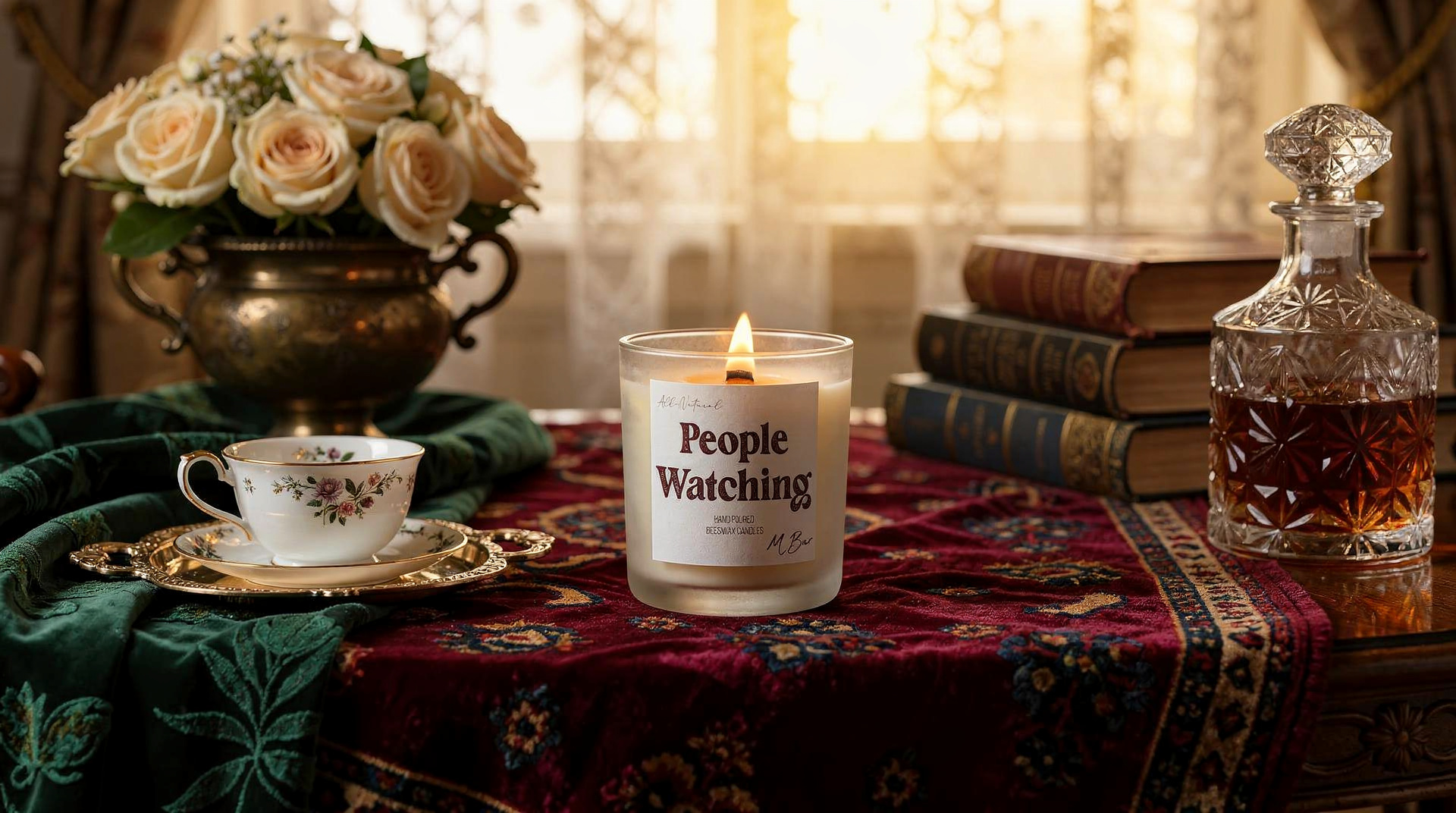
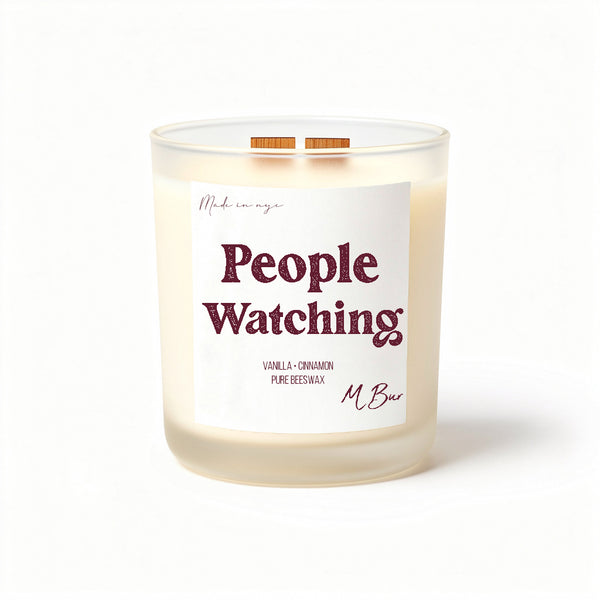
1. People Watching (safest everyday pick)
People Watching checks every air-quality box, 100% beeswax, untreated wooden wick, phthalate-free non-toxic fragrance oil, and no dyes, in a warm, widely loved scent. As a clean candle you can burn often in a main living space, it is the easiest one to recommend, safe on the air side and pleasant to live with.
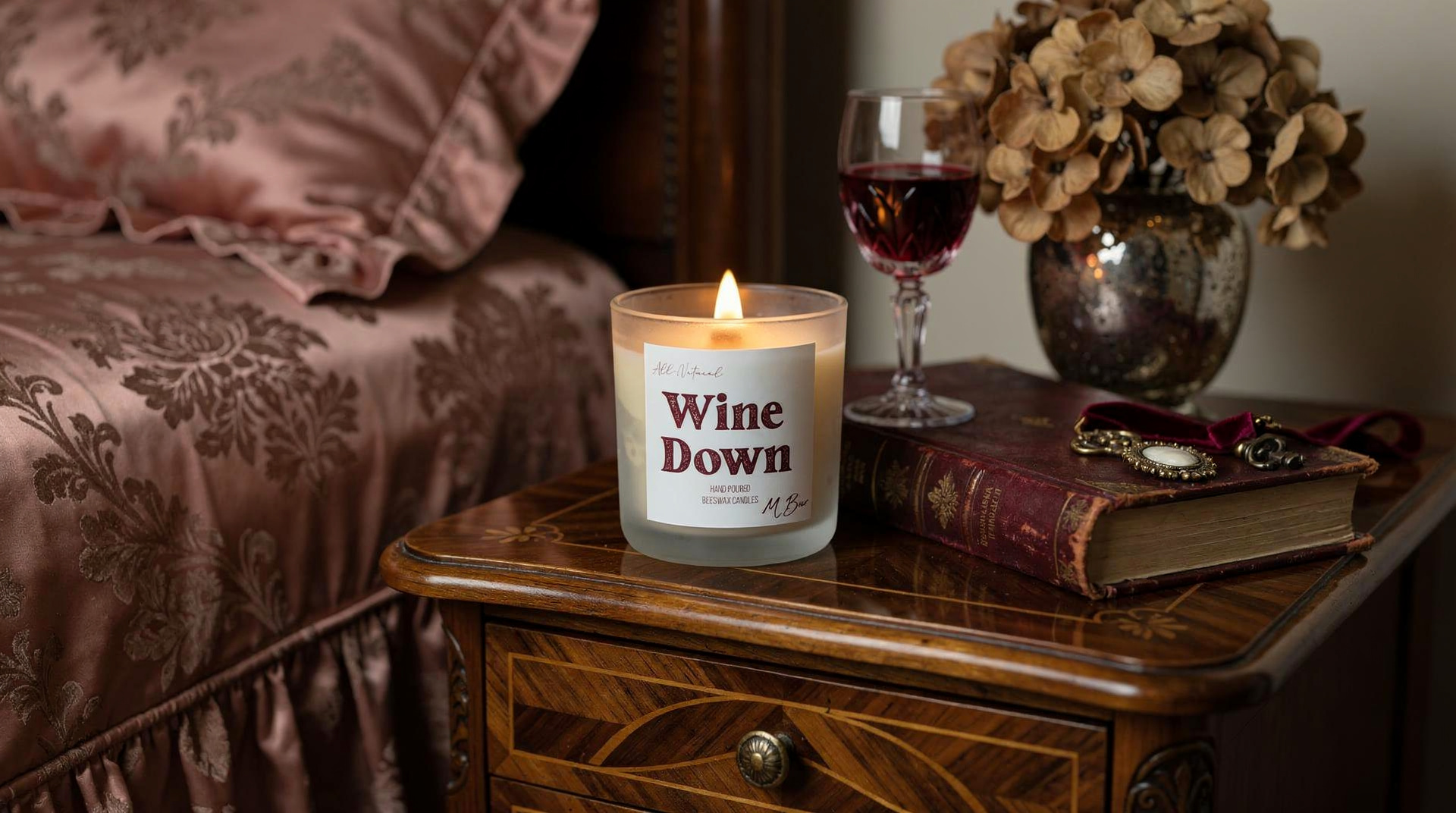
2. Wine Down (safest for a bedroom)
Wine Down brings the same clean spec to a calm, soothing scent that suits a bedroom or a wind-down routine. Since bedrooms are small, closed spaces where a clean burn matters most, a low-soot beeswax candle is the sensible choice. Just remember the flame rule that applies everywhere: never burn a candle while you sleep.
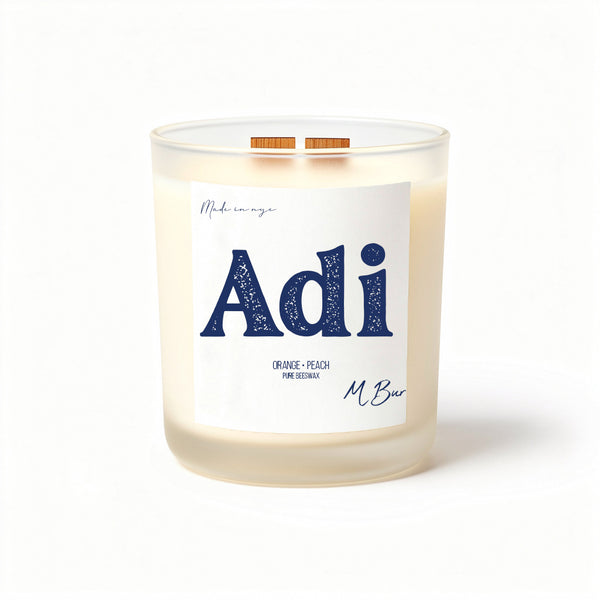
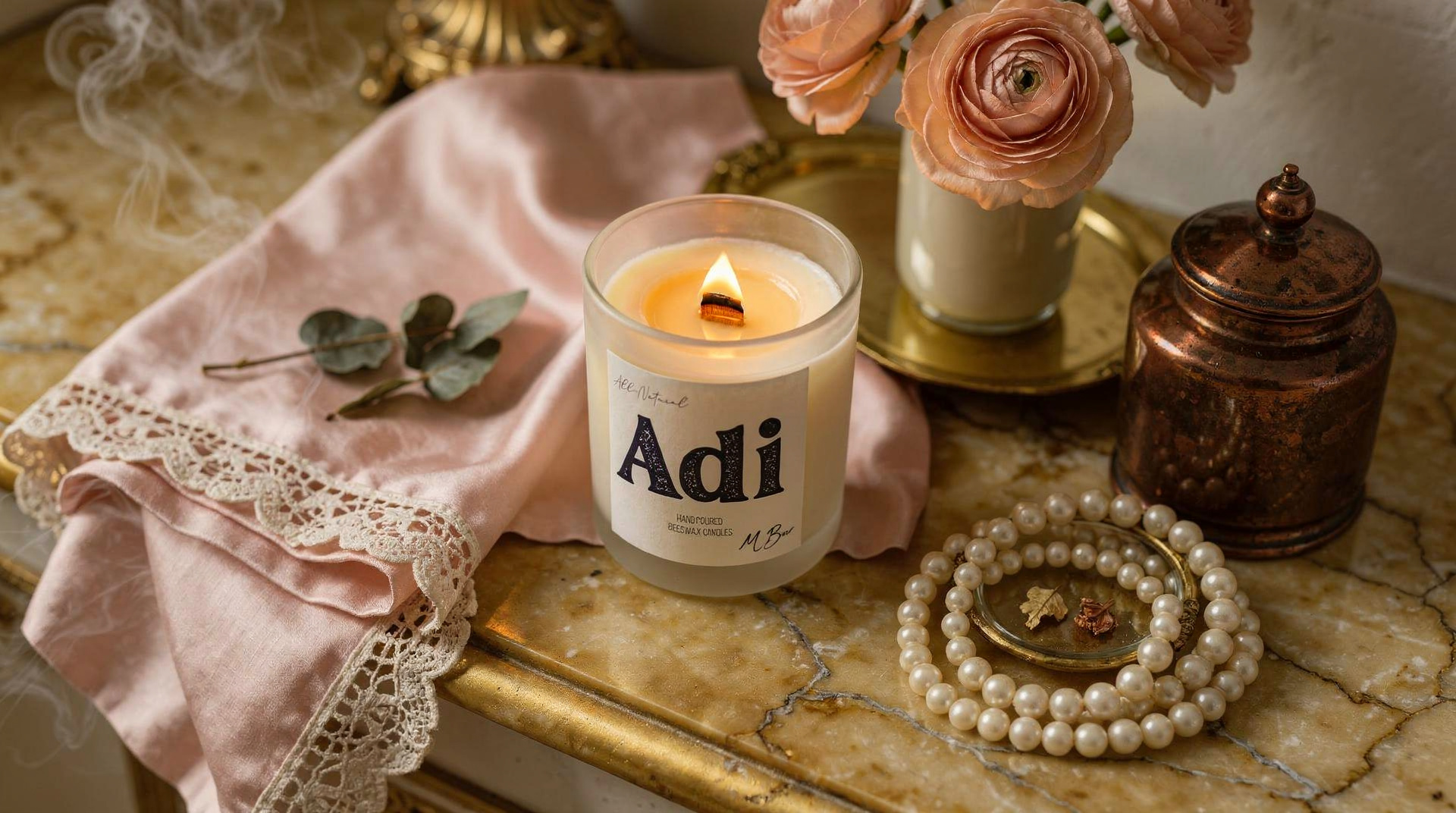
3. Adi (safest fresh pick)
Adi offers the same clean credentials in a bright citrus scent, ideal for a kitchen or bathroom where you want fresh over cozy. A clean-burning citrus candle keeps a small space feeling fresh without adding soot to the air, which is exactly what you want in the rooms where you spend focused, everyday time.
The fire safety that always applies
A clean candle is only half of safe, since every candle is still an open flame. Set candles on stable, heat-safe surfaces where they cannot be knocked over. Keep them clear of anything that can catch, like curtains, paper, and bedding, and out of reach of children and pets. Never leave a candle burning unattended, and never while you sleep, so put it out when you leave the room or head to bed. Keep the wooden wick trimmed so the flame stays low and steady, and burn candles out of drafts. None of this changes with the wax, so the cleanest candle in the world still needs these basics.
Why beeswax is the safe choice on the air side
Among waxes, beeswax is one of the cleanest to burn, which is why it anchors most safe-candle recommendations. It is a single natural ingredient, it produces very little soot, and it has no petroleum base. Paired with an untreated wooden wick and a phthalate-free fragrance, it clears the air-quality criteria comfortably. The one honest caveat is that beeswax is a bee product, so it is not vegan, and anyone with a bee or pollen allergy should be cautious, since it is naturally hypoallergenic for most people but not allergy-proof.
Who should take extra care
Some people should be more careful with any candle, however clean. Anyone with asthma, significant respiratory issues, or strong fragrance sensitivity may do better with an unscented candle, more ventilation, or none at all, and should follow their doctor's guidance. In homes with babies, pets, or anyone with a health condition, keeping candles in well-ventilated rooms and watching for any reaction is wise. A clean beeswax candle is a gentle choice, but the safest option always depends on the person, and it is fine to skip candles entirely if they do not agree with someone in the home.
| Safe candle checklist | Look for |
|---|---|
| Wax | 100% beeswax or stated plant wax |
| Wick | Cotton or wood, never metal core |
| Fragrance | Phthalate-free and disclosed |
| Dyes | None |
| The flame | Stable surface, attended, never while asleep |
People notice the difference a clean candle makes:
The scent is so light and clean. Other candles give me headaches, but these never do. - Nicole D., verified buyer
Common questions
What is the safest candle to burn?
A 100% beeswax candle with a cotton or wooden wick, a phthalate-free disclosed fragrance, and no dyes, burned sensibly on a stable surface and never while you sleep. That combination is clean on the air side and, with basic fire safety, safe on the flame side. Our picks all meet the air-quality criteria, and you can see them in the collection.
Are scented candles safe to burn?
A clean scented candle can be, as long as the fragrance is phthalate-free and disclosed and the wax and wick are clean. What to avoid is paraffin with an undisclosed fragrance, especially in small, unventilated rooms. People with asthma or strong fragrance sensitivity should take extra care, and an unscented candle or more ventilation may suit them better.
Is it safe to leave a candle burning?
No candle should be left burning unattended or while you sleep, no matter how clean the wax, since it is always an open flame. Burn candles only while you are awake and in the room, on a stable, heat-safe surface away from anything that can catch, and put them out when you leave. Fire safety is the same regardless of the candle.
The bottom line
The safest candles get both sides right, a clean wax, wick, and fragrance for the air, and sensible fire habits for the flame. People Watching, Wine Down, and Adi all clear the air-quality criteria in clean beeswax, but every candle still needs the basics: a stable surface, attention, and never burning while you sleep. And if candles do not agree with someone in your home, it is always fine to skip them.

