

Are Candle Warmers Healthier Than Burning a Candle? An Honest Look
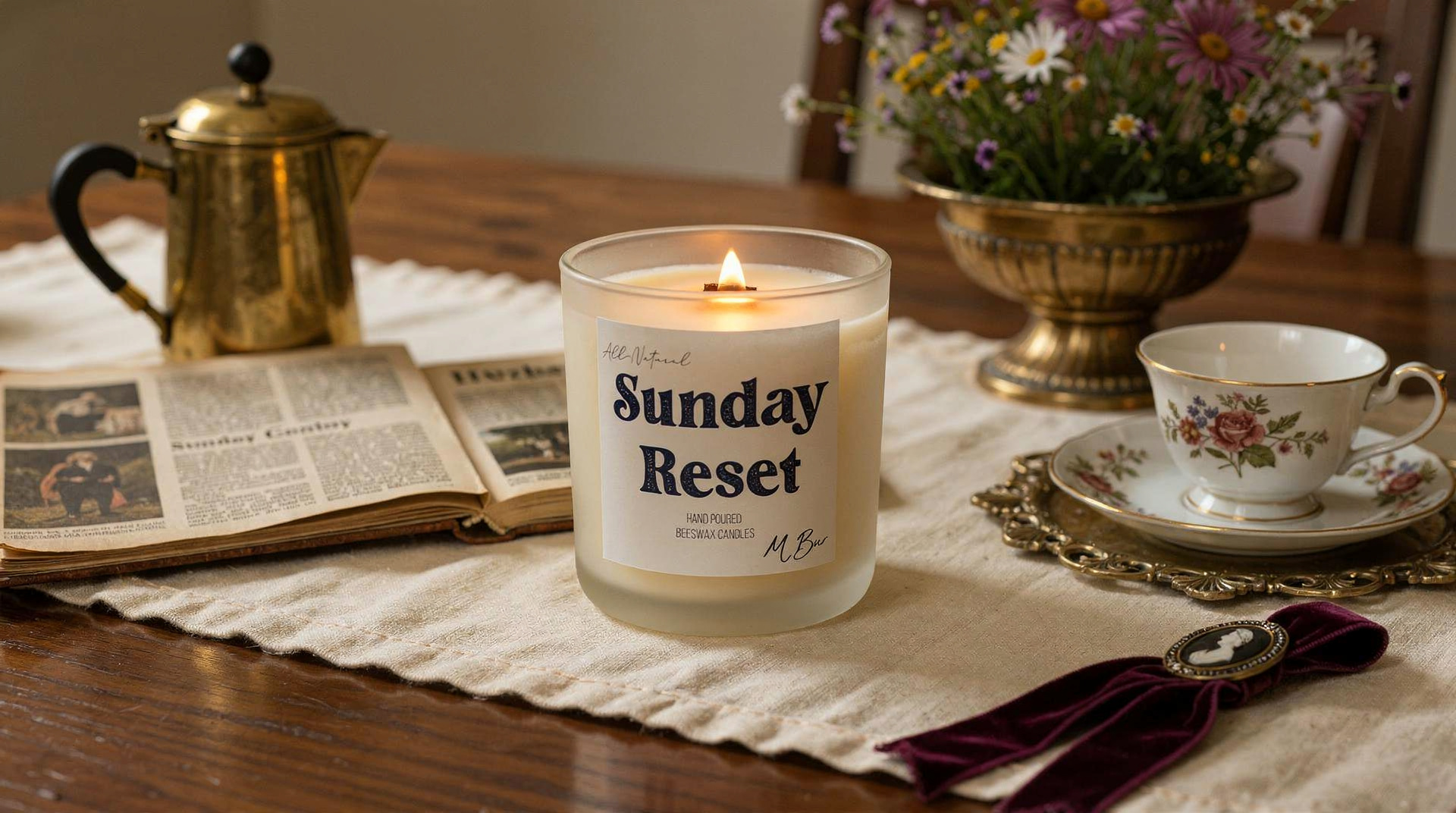
Candle warmers have surged in popularity on the promise of a cleaner, safer way to enjoy a scented candle, no flame, no soot, no fire risk. It is a fair question whether they are actually healthier than lighting the wick. The honest answer is that a warmer changes one part of the equation, but the thing that matters most for your air is the same either way: what the candle is made of. Here is a straight look at how the two compare. We make 100% beeswax candles, and the full collection is here as you read.
What a candle warmer actually does
A candle warmer melts the wax with gentle heat from below or above, using a lamp or a hot plate, instead of a flame. The warmed wax releases its fragrance without ever being lit. That removes two things people worry about: the open flame, so no fire risk and nothing to knock over, and combustion, so no soot from a burning wick. On those two points, a warmer genuinely avoids something a burning candle does not. If a flame in the house is your main concern, a warmer sidesteps it entirely.
Where warmers do not change anything
Here is the part the marketing tends to skip. A warmer still heats the wax and releases its fragrance into the air, so whatever is in that wax and fragrance is still going into your room. If the candle is paraffin with an undisclosed, phthalate-heavy fragrance, warming it does not make it clean, it just releases the same fragrance without a flame. The method changes how the scent gets into the air, not what the scent is. So a warmer with a cheap paraffin candle is not automatically healthier than burning a clean one.
The thing that matters most: the wax
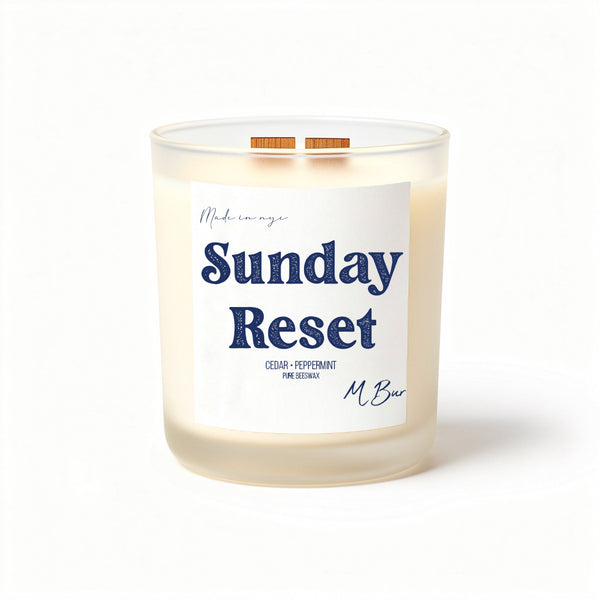
This is the real point. The biggest factors for your air are the wax and the fragrance, not whether there is a flame. A clean candle, ideally 100% beeswax with a phthalate-free disclosed fragrance, is a good choice whether you burn it or warm it. A dirty candle is a worse choice either way. Choosing a clean candle does far more for your air than choosing a warmer over a wick. Get the candle right first, then decide on the method based on what you want.
The case for burning a clean candle
Burning is not the villain it is sometimes made out to be, as long as the candle is clean. Beeswax burns with very little soot, so a pure beeswax candle with a wooden wick produces minimal residue when burned properly, with the wick trimmed and out of a draft. You also get what a warmer cannot give you: the flame, the glow, and, with a wooden wick, the gentle crackle. For a lot of people, that ambiance is the whole point of a candle. A clean candle, burned well, is a genuinely low-soot experience.
The case for a warmer
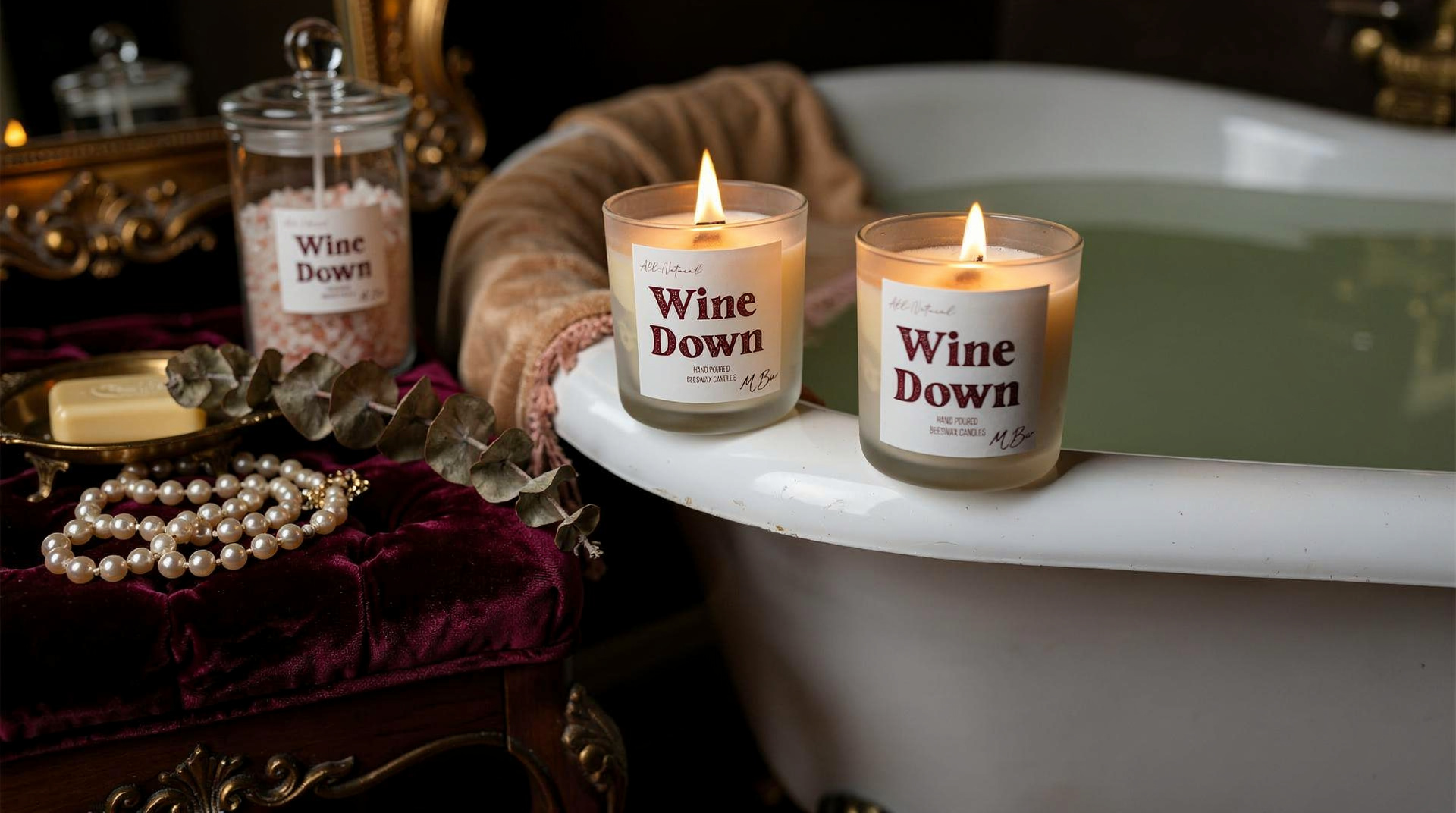
A warmer makes sense in specific situations. If you have young children or pets and want no open flame at all, or you are in a space where flames are not allowed, a warmer lets you enjoy a candle safely. It also tends to make the scent last longer, since low, steady heat uses the wax slowly. The trade is that you lose the flame and the crackle, and the candle becomes a scent source rather than a piece of ambiance. If safety and scent longevity matter more than the glow, a warmer is a reasonable choice.
So which is healthier?
If you compare the same clean candle both ways, a warmer avoids the small amount of soot from combustion and removes the flame, which is a mild point in its favor for air and a real one for safety. But if you compare a warmer melting a paraffin candle against burning a clean beeswax one, the clean candle is likely the better choice for your air despite the flame. The honest takeaway is that the wax matters more than the method. Pick a clean candle first, then choose burning or warming based on whether you want ambiance or absolutely no flame.
How to get it right either way
Whatever you choose, a few things keep it clean. Start with a genuinely clean candle, 100% beeswax or a stated plant wax, with a phthalate-free disclosed fragrance and no dyes. Keep the room reasonably ventilated so nothing builds up. If you burn, trim the wick and keep the candle out of a draft so the flame stays low and clean. If you warm, follow the device instructions and do not overheat the wax. Do that, and you get a pleasant, clean-scented room by either method.
| Concern | Warmer | Burning a clean candle |
|---|---|---|
| Open flame and fire risk | None | Yes, needs care |
| Soot from combustion | None | Very low with beeswax |
| What the fragrance releases | Same as the candle | Same as the candle |
| Ambiance and crackle | No | Yes |
A clean candle is pleasant to be around however you use it:
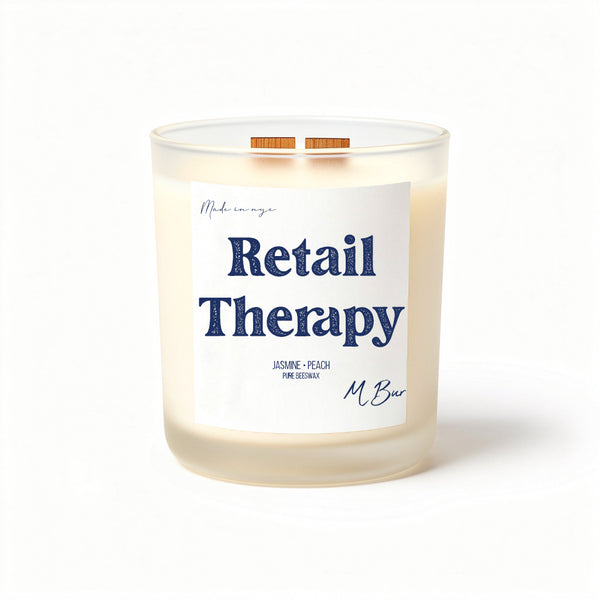
I am totally enjoying this candle. It is non toxic and burns so cleanly, which is exactly what I wanted. - Bryana G., verified buyer
Common questions
Are candle warmers healthier than burning candles?
A warmer avoids the flame and the small amount of soot from combustion, which is a mild plus for air and a real one for safety. But it still releases the candle's fragrance, so a warmer with a dirty paraffin candle is not healthier than burning a clean beeswax one. The wax matters more than the method. See clean options in the collection.
Do candle warmers release the same chemicals?
A warmer heats the wax and releases its fragrance into the air, so whatever is in that candle still enters your room, just without a flame. It does not make a cheap or paraffin candle clean. To keep your air clean with either method, start with a clean wax and a phthalate-free disclosed fragrance.
Is it better to burn or warm a beeswax candle?
Both work well with a clean beeswax candle. Burning gives you the flame, glow, and wooden-wick crackle with very low soot, while warming avoids the flame entirely and can make the scent last longer. Choose based on whether you want ambiance or absolutely no open flame.
The bottom line
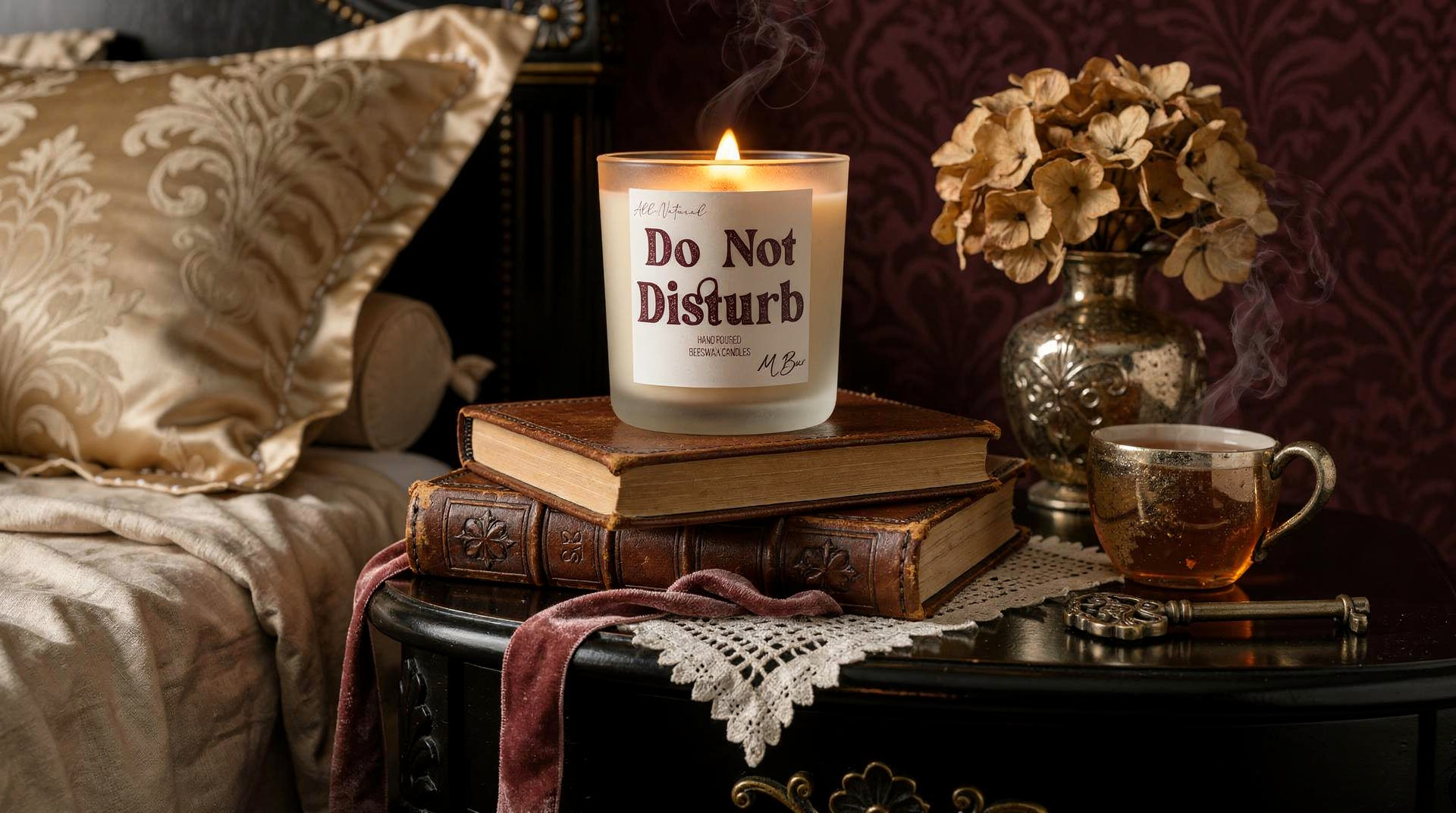
A candle warmer removes the flame and the soot of combustion, which helps with safety and slightly with air, but it still releases whatever is in the candle. The wax matters far more than the method, so choose a clean 100% beeswax candle with a phthalate-free fragrance first, then burn it for ambiance or warm it if you want no flame.

