

Raw vs Refined Beeswax for Candles: Does the Processing Actually Matter?
Beeswax shows up two ways when you start reading labels: raw, straight from the hive, and refined, cleaned up in some fashion. Raw sounds more natural and refined sounds processed, so it is easy to assume raw must be better. For a candle, it is not that simple. A little refining actually helps a beeswax candle burn well, while one kind of processing is worth steering around. Here is the honest version. We make 100% beeswax candles, and the full collection is here as you read.
What raw beeswax is
Raw, or unrefined, beeswax is the wax as it comes from the comb, with the pollen, propolis, and bits of debris still in it. It has the strongest natural honey scent and the deepest color. It is lovely and genuine, but the debris in it is not ideal for a candle, because those particles can clog a wick and make the flame sputter or burn unevenly.
What refined beeswax means
Refined beeswax has been cleaned, usually by melting it and straining or filtering out the debris. Done this way, refining simply means filtered, and it gives you a cleaner wax that burns evenly with a steady wick. This kind of refining is a good thing for a candle, not a downgrade. It keeps everything that makes beeswax beeswax while removing the bits that get in the way of a clean burn.
The one kind to watch for
Here is the distinction that matters. There is a difference between filtering and heavy chemical processing. Wax that is simply strained and filtered is clean and still fully natural. Wax that has been aggressively bleached or chemically treated can carry residue you would rather not burn. So the useful question is not raw versus refined, it is how the refining was done. Gentle filtering is good, harsh chemical treatment is the part to avoid.
| Type | Scent and color | Best for a candle? |
|---|---|---|
| Raw / unrefined | Strong honey, dark | Debris can clog the wick |
| Filtered (good refining) | Soft, lighter | Yes, clean even burn |
| Chemically bleached | Neutral, very pale | May carry residue, avoid |
What matters in the end is how it burns and what it does to your air:
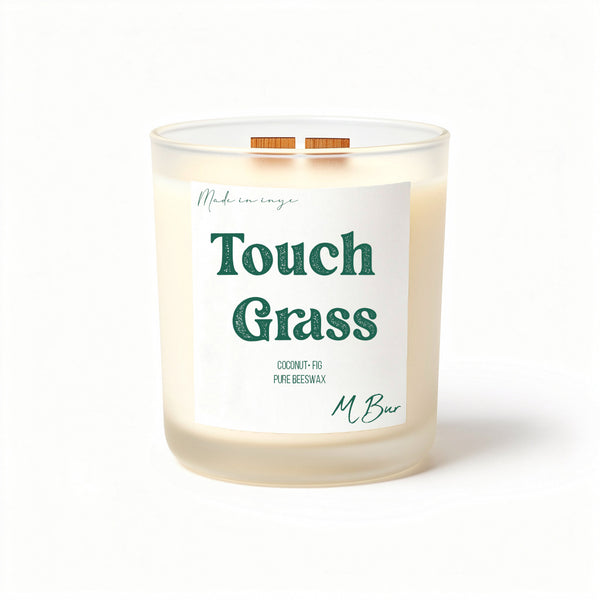
I instantly notice the difference in the air quality, in comparison to the Bath & Body scented candles. - Jason H., Touch Grass Candle
What you keep when wax is filtered
A worry people have about refined beeswax is that cleaning it strips away what makes beeswax good. Simple filtering does not. When wax is melted and strained to remove pollen, propolis, and bits of comb, the wax itself is unchanged, so it keeps the high melting point, the low soot, the long burn, and even most of its natural character. What leaves is the physical debris that would otherwise clog a wick. So filtered beeswax is not a watered down version of the real thing, it is the same wax with the grit taken out, which is exactly what you want feeding a steady flame.
Where the honey scent goes
One real difference is scent. Raw beeswax carries the strongest natural honey note because it is closest to the hive, pollen and all, and filtering softens that note as the wax is cleaned and lightened. For an unscented candle, some people love the fuller honey smell of a less processed wax. For a scented candle, a cleaner and more neutral wax is actually preferable, because it lets the added fragrance come through without the honey competing. So whether you want raw or filtered partly depends on whether you are after the wax's own smell or a fragrance sitting on top of it.
How to tell good refining from bad
Since the word refined covers both gentle filtering and harsh chemical processing, it helps to know what to look for. Wax that has simply been strained or filtered stays fully natural and is the kind you want. Wax that has been aggressively bleached white with chemicals can carry residue, and a brand that is vague about how its wax was lightened is worth a question. The good signal is a maker who is open about gentle filtering and states the candle is pure beeswax. The thing to avoid is not refining itself, but the heavy chemical kind dressed up in the same word.
Why this matters more than it sounds
It would be easy to treat raw versus refined as a small detail, but it shapes the everyday experience of a candle. Choose well filtered pure beeswax and you get a wick that burns evenly, a flame that does not sputter on trapped debris, and a clean steady light for the life of the candle. Choose poorly, either a debris heavy raw wax that fights its wick or a chemically bleached one you would rather not breathe, and the candle reminds you of it every time you light it. Gentle filtering plus genuine purity is the quiet combination that makes a beeswax candle simply work.
Common questions
Is raw or refined beeswax better for candles?
Filtered, refined beeswax is generally better for a candle because the debris in raw wax can clog the wick and cause an uneven burn. The key is that refining means simple filtering rather than harsh chemical bleaching. The collection tells you what each candle is made of.
Does refined beeswax lose its benefits?
No, not when it is simply filtered. Straining out the debris keeps the wax fully beeswax, just cleaner to burn. It still has the low soot, the high melting point, and the long burn that make beeswax worth it.
Is filtered beeswax still natural?
Yes. Filtering only removes physical debris like pollen and comb. The wax itself is unchanged and still natural beeswax. The processing to be cautious about is chemical bleaching, not filtering.
The bottom line
For a candle, gently filtered beeswax beats raw, because clean wax burns more evenly. Raw versus refined is the wrong question. How the wax was refined is the right one, and simple filtering is exactly what you want.

