

Why Beeswax Candles Burn Cooler and Longer: The Melting Point Explained
One of the quiet reasons a beeswax candle outlasts a cheaper one comes down to a single number: its melting point. Beeswax has the highest melting point of the common candle waxes, around 145 degrees Fahrenheit, and that one fact shapes how it burns, how long it lasts, and how steady the flame sits. It is worth understanding, because it is the difference between a candle you replace every couple of weeks and one that sees you through months. Here is how it works. We make 100% beeswax candles, and the full collection is here as you read.
What a high melting point does
A higher melting point means the wax needs more heat before it turns to liquid and feeds the flame. So beeswax is consumed more slowly than softer waxes like paraffin or soy, which melt at lower temperatures and burn through faster. The same size candle simply lasts longer when it is made of beeswax, because the fuel is harder to burn off.
Why the flame is steadier
That density also gives beeswax a more stable, even burn. The flame tends to be calm and consistent rather than guttering, and the wax holds its shape well as it goes. Combined with an untreated wooden wick, which burns with a wider, cooler flame, the result is a candle that melts evenly across the top instead of tunneling down the middle.
What it means for how long it lasts
This is where the melting point turns into real value. Because beeswax burns slowly, a beeswax candle gives you far more hours than a same size paraffin one. Our longest burning candle runs up to 80 hours, which is a direct result of that high melting point and the density of the wax. When you do the math on cost per hour, the candle that looked more expensive often is not.
| Wax | Relative melting point | Burn speed |
|---|---|---|
| Beeswax | Highest, around 145F | Slowest, longest lasting |
| Paraffin | Lower | Faster |
| Soy | Lower | Faster than beeswax |
The long, even burn is what buyers tend to mention:
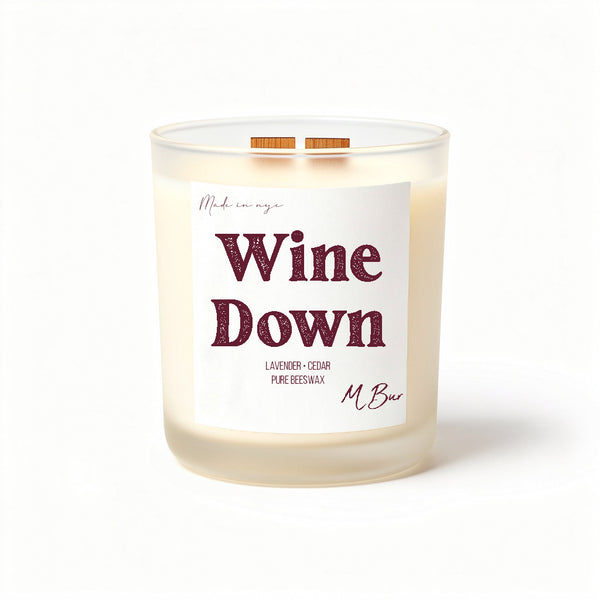
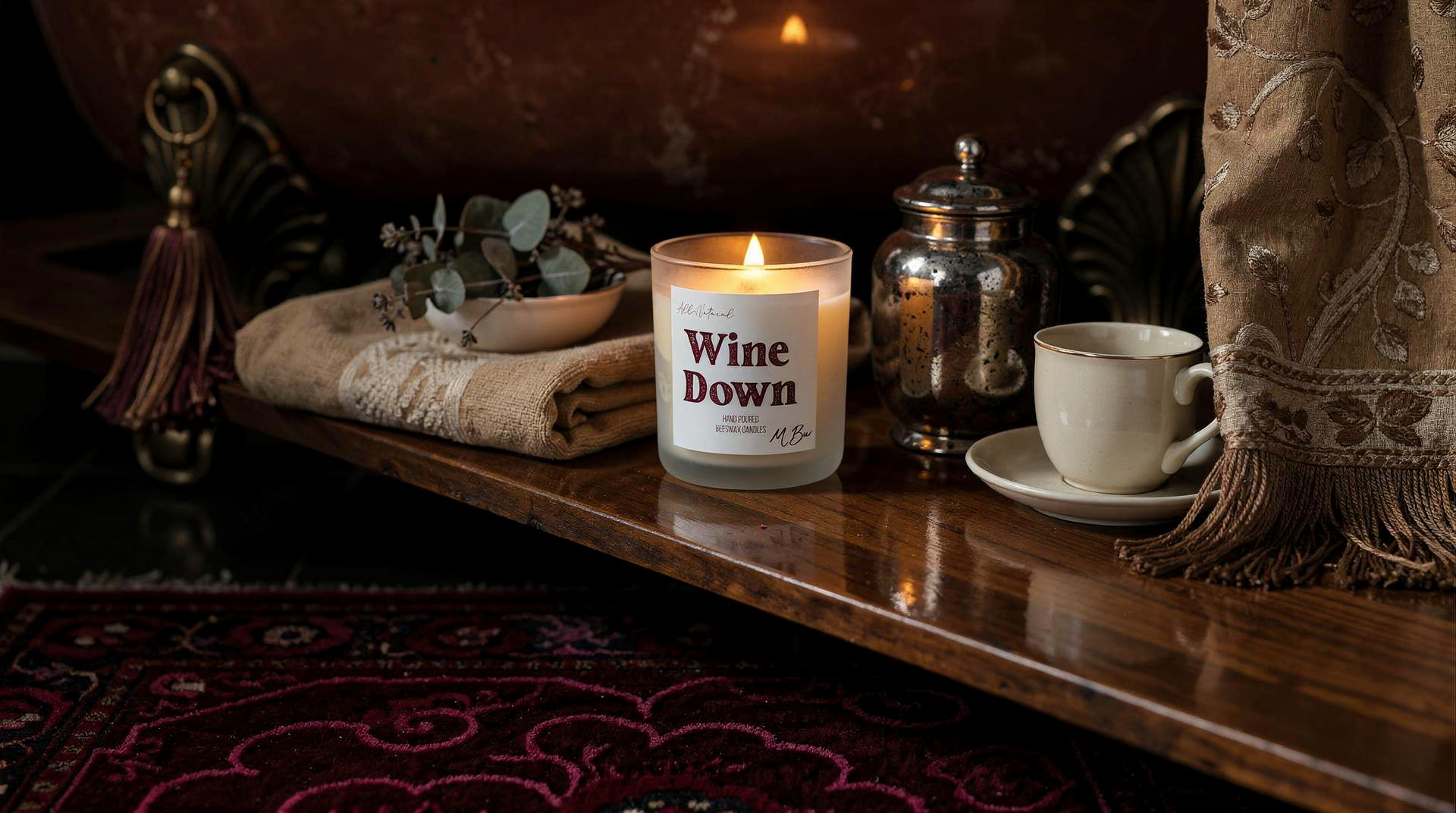
From the packaging to the burn of the candle, everything was top notch. Candle burned slowly and was exactly the amount of hours the company said it would burn. - Portia Darby, Wine Down Candle
How melting point compares across waxes
Putting numbers to it makes the difference clear. Beeswax sits highest among common candle waxes, melting around 145 degrees Fahrenheit. Soy wax softens at a notably lower temperature, which is why soy candles feel softer and burn faster, and paraffin lower still, melting and feeding its flame the quickest of the three. That ladder of melting points lines up almost exactly with how long each wax lasts, beeswax slowest and longest, soy in the middle, paraffin quickest to disappear. The single number on top, that high melting point of beeswax, is doing most of the work behind its reputation for a long burn.
What this means at the wick
The melting point also shapes what happens right around the flame. Because beeswax needs more heat to liquefy, it forms a smaller, more controlled pool at the wick rather than the whole top going molten at once. That controlled pool is why beeswax holds its shape, drips less, and burns down evenly instead of collapsing. Pair it with an untreated wooden wick, which already burns wide and cool, and you get a flame that sits calm and steady over a tidy little pool. The physics at the wick is the same reason the candle lasts and the reason it stays neat.
Why the higher price evens out
A beeswax candle usually costs more upfront than a paraffin one, and the melting point is why that gap narrows over time. Because the wax burns so much more slowly, you get far more hours from the same size jar, so the cost per hour of light and scent can be closer than the sticker prices suggest. An 80 hour beeswax candle that runs for months can work out as sensible value next to a cheap candle you replace every couple of weeks. You are paying for the hours as much as the wax, and the slow burn is where those hours come from.
The melting point and a cleaner burn
There is an air quality angle to the melting point as well. A wax that burns slow and steady, with a calm flame over a controlled pool, tends to produce less soot than a softer wax burning fast and flaring. Beeswax already runs very low on soot, and its high melting point reinforces that by keeping the flame from racing. A steadier flame is a cleaner flame, so the same property that stretches the burn time also helps keep the air clear. It is one number quietly doing several good things at once, longevity, an even burn, and lower soot together.
Common questions
What is the melting point of beeswax?
Beeswax melts at roughly 145 degrees Fahrenheit, the highest of the common candle waxes. That high melting point is why it burns slowly and holds a steady flame. You can see the burn times for each candle in the collection.
Do beeswax candles really burn longer?
Yes. Because beeswax has a higher melting point than paraffin or soy, it is consumed more slowly, so a beeswax candle of the same size lasts noticeably longer. Our longest burning candle reaches up to 80 hours.
Does a higher melting point make a candle safer?
It makes for a steadier, more even burn and less of the soot you get from a sputtering flame, which is part of why beeswax burns cleanly. As always, you still burn any candle with care and ventilation.
The bottom line
Beeswax burns cooler and longer because of its high melting point, which gives you a slower, steadier candle and far more hours for the money. That one number is most of the reason beeswax is worth it.
What buyers say:

