

How to Make Any Candle Last Longer: 7 Tips That Actually Work
How to Make Any Candle Last Longer: 7 Tips That Actually Work
The average paraffin candle wastes up to 30% of its wax through tunneling. That means nearly a third of what you paid for never burns. It just hardens around the sides of the jar and gets thrown away.
That is not a you problem. That is a physics problem. And like most physics problems, it has a solution once you understand what is actually happening inside that jar.
Whether you are burning a cheap drugstore find or a premium beeswax candle, the same core principles govern how long a candle lasts and how much scent it throws. Get them right and you can add hours, sometimes dozens of hours, to a candle you already own. Get them wrong and you are basically lighting money on fire.
Here are 7 tips that actually work, explained with enough science to make them stick.
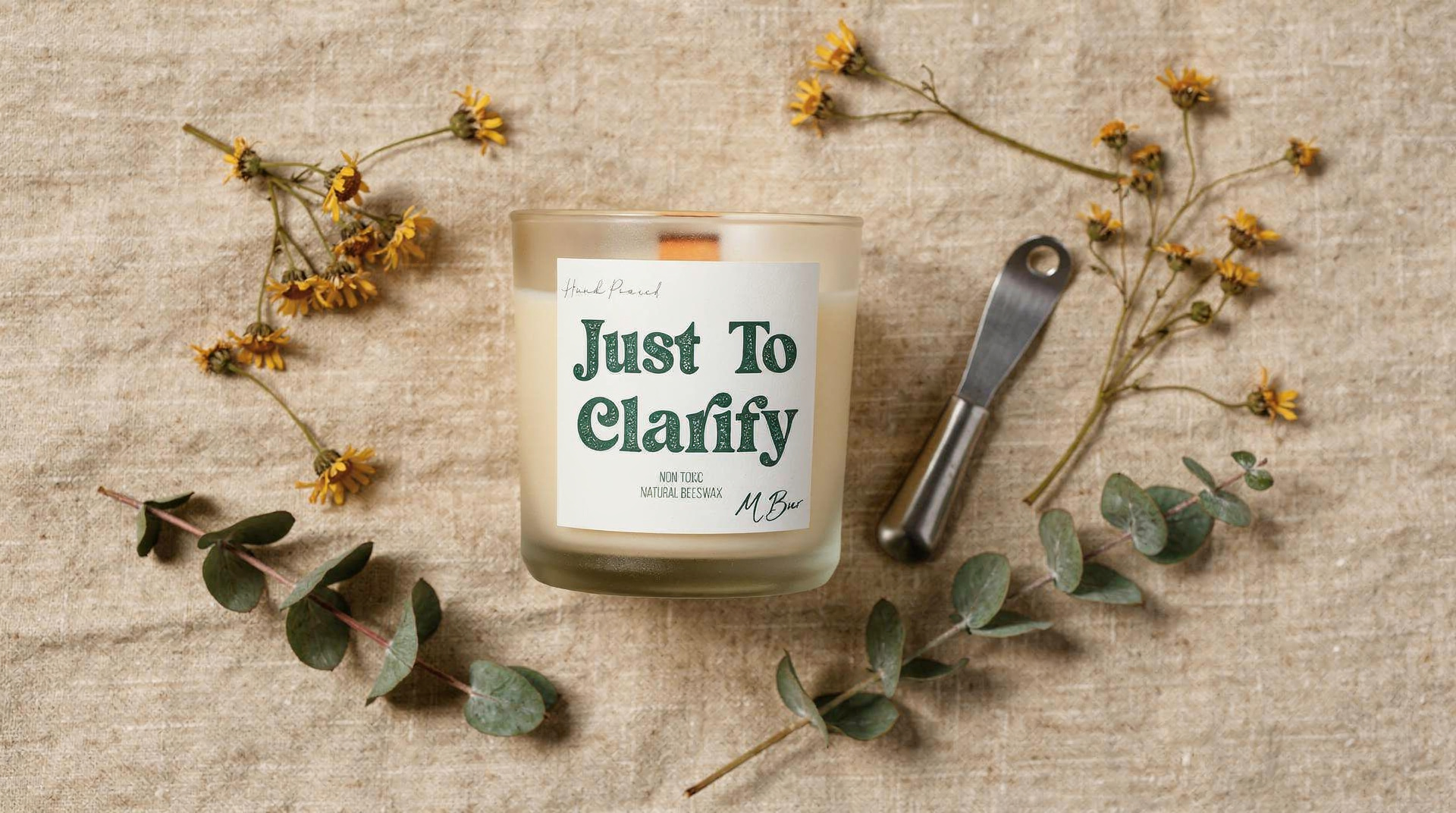
1. Nail the First Burn (This One Is Not Negotiable)
Wax has memory. That is not a metaphor. It is a real material property called melt pool memory. The first time you burn a candle, the wax melts out to a certain diameter and that diameter becomes the template for every burn after it.
If you extinguish a candle after 30 minutes on the first burn, the melt pool only reaches partway across the jar. Every subsequent burn will follow that same narrow path straight down through the center, leaving a thick wall of unburned wax on the sides. That is tunneling. And once it starts, it is very hard to reverse.
The fix is simple: on the very first burn, let the candle burn long enough for the entire top layer of wax to melt from edge to edge. For most candles in a standard jar, that takes between 2 and 4 hours depending on the diameter. A general rule from candlemakers is one hour of burn time per inch of jar diameter.
2. Trim the Wick Before Every Single Burn
A wick that is too long does not just look messy. It burns hotter, faster, and less efficiently than a properly trimmed one. The flame on an untrimmed wick is larger, which means it consumes more wax per hour, produces more soot, and can cause uneven burns across the top of the candle.
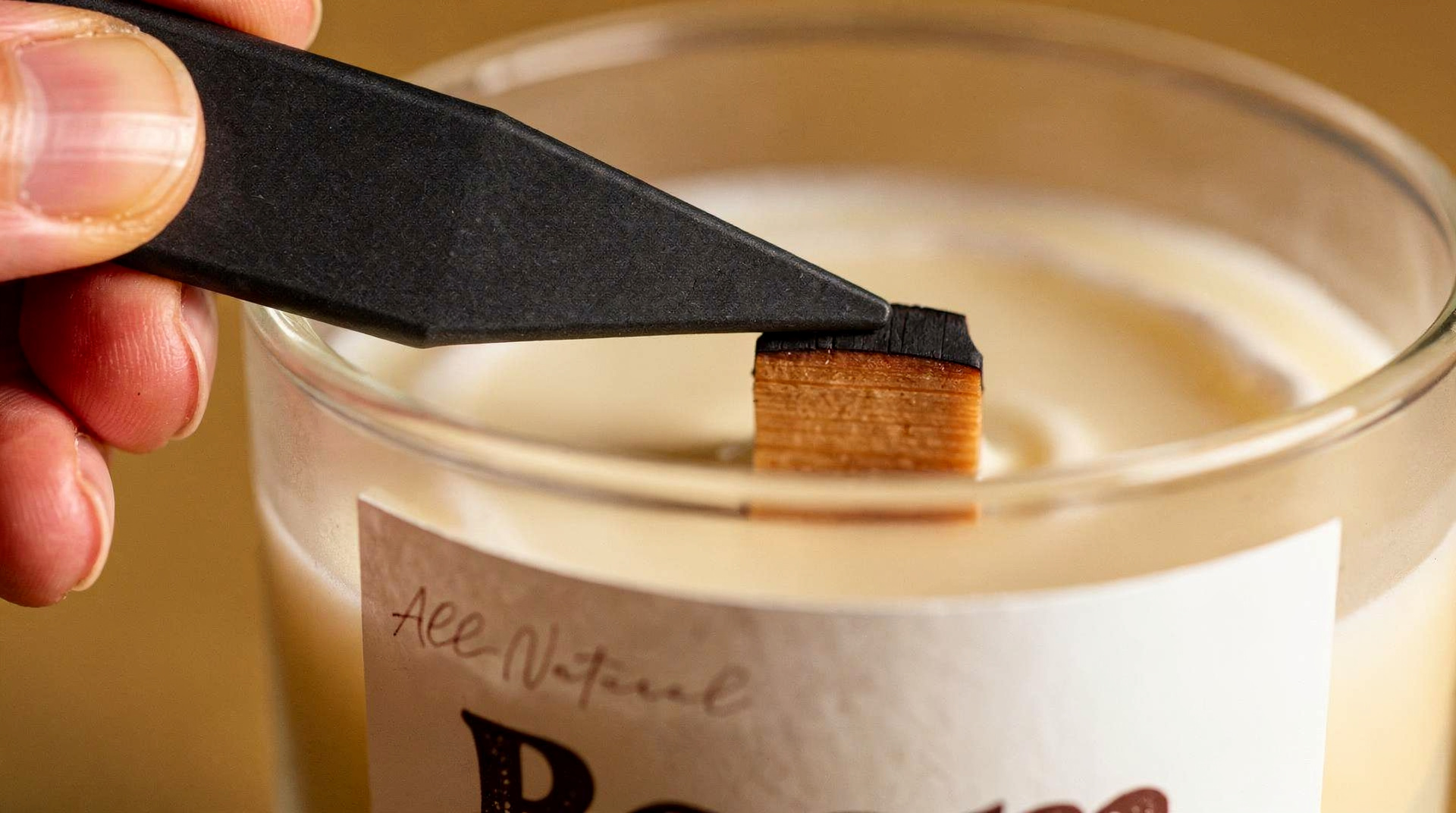
The standard recommendation is to trim your wick to approximately one quarter of an inch before each burn. For wood wicks specifically, the number drops slightly to about one eighth of an inch because they burn differently than cotton wicks.
Wood wick candles have a slightly different trimming protocol than cotton wick candles. Because they burn horizontally across the surface of the wick rather than feeding straight up, any char buildup left on the wick can suffocate the flame on relighting. Pinch or snap the burned portion off cleanly before each use.
3. Keep Candles Away From Air Flow
A moving flame is a wasting flame. When a candle burns near an open window, a fan, a vent, or even a busy doorway, the airflow disrupts the melt pool and pushes heat unevenly across the wax surface. The result is an asymmetrical burn where one side of the candle melts faster than the other.
This is called a lopsided or canted burn and it is one of the most common reasons candles burn out prematurely. You end up with a candle that is burned completely on one side and untouched on the other.
The practical fix: place your candle on a stable, flat surface away from direct air movement. If you notice the flame flickering consistently in one direction, move the candle. A steady, upright flame that barely moves is the sign of an ideal burning environment.
4. Burn in the Right Time Windows
There are two limits candlemakers talk about that most people ignore: the minimum burn time and the maximum burn time.
Burning a candle for less than the minimum time (usually 1 to 2 hours depending on jar diameter) risks tunneling. But burning a candle for too long creates its own problems. Extended burns cause the wick to move or lean as the wax pool deepens, which leads to uneven burns and can overheat the container.
Most candle manufacturers recommend capping single burn sessions at 4 hours. Beyond that, the jar gets hot enough to destabilize the wax pool and potentially cause the wick to shift. Let the candle cool completely before relighting, typically 2 hours minimum, so the wax can re solidify evenly.
Following this rhythm consistently: full melt pool achieved, then extinguished, then cooled, then relit, is the single most reliable way to maximize total burn hours from any candle.
5. Store Candles Correctly Between Burns
Wax is affected by its environment even when it is not burning. UV light, heat, and humidity all degrade wax quality over time, which shortens burn life and dulls scent throw.
Direct sunlight is the biggest offender. It fades color, accelerates the evaporation of fragrance from the wax surface, and can soften the wax unevenly before you even light the candle. A candle left on a sunny windowsill for a week can lose a noticeable amount of its scent before the first burn.
Best storage practice: keep candles in a cool, dry location away from direct sunlight. If your candle came with a lid, use it between burns. It protects the wax surface and slows the natural off gassing of fragrance that happens over time.
Beeswax is notably more stable in storage than paraffin or soy. Its high melting point (around 145 degrees Fahrenheit compared to 115 to 135 degrees for most paraffin blends) means it holds its shape better in warm rooms and resists the kind of surface sweating and frosting you sometimes see with other waxes.
6. The Wax You Choose Changes Everything
Burn time is not just about technique. The material properties of the wax itself determine the ceiling for how long a candle can last, no matter how carefully you burn it.
| Wax Type | Melting Point | Avg. Burn Time | Notes |
|---|---|---|---|
| Paraffin | 115 to 135 F | Shorter | Petroleum byproduct, burns fast and hot |
| Soy | 120 to 125 F | Moderate | Often blended with paraffin in mass market candles |
| Beeswax | 144 to 147 F | Longest | Slowest burn rate of any natural wax |
Beeswax burns slower because it has the highest melting point of any candle wax. It takes more heat to keep beeswax in a liquid state, which means the flame consumes less wax per hour.
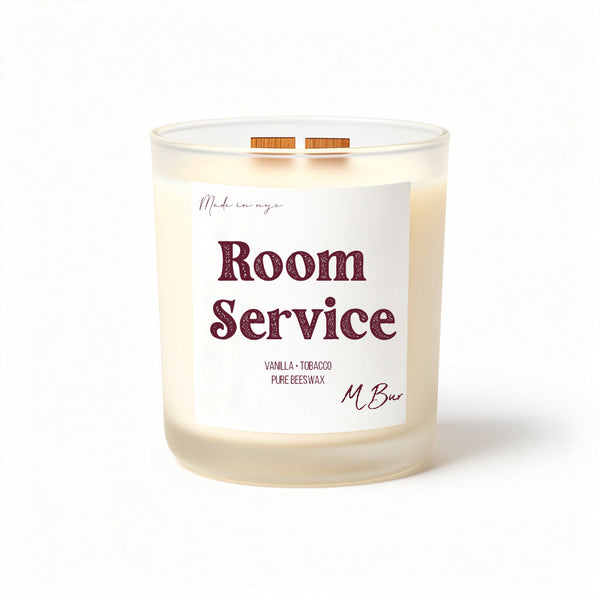
It is also why MBur candles are rated up to 80 hours in the 12oz size. The Room Service beeswax candle in the 12oz size clocks 80 hours of burn time at $65, which works out to about 75 cents per hour. A typical Bath and Body Works three wick in the same price range burns somewhere around 25 to 45 hours.
"I love these candles. No headache or feeling nauseous like the Bath and Body candles with all the extra chemicals. In addition, I love the package and how carefully everything was wrapped." Jason H., Sunday Reset Candle
Beyond burn time, beeswax also produces less soot than paraffin, which means less carbon buildup on your wick and a more consistent burn throughout the life of the candle.
7. Keep the Wax Pool Clean
Every time you trim a wick, a small amount of char can fall into the wax pool. Over time, debris in the melt pool (charred wick bits, dust, even ash from nearby incense) acts as a secondary ignition point that causes uneven and accelerated burning.
Before relighting, always check the surface of the wax. If there is debris floating in the solidified wax, remove it before lighting. A simple cotton swab or a folded paper towel pressed gently into the hardened wax picks up most particles without disturbing the surface.
A clean wax pool also means the fragrance oils are not competing with random combustion particles when the candle is burning, which is a small but real factor in scent throw consistency over the life of the candle.
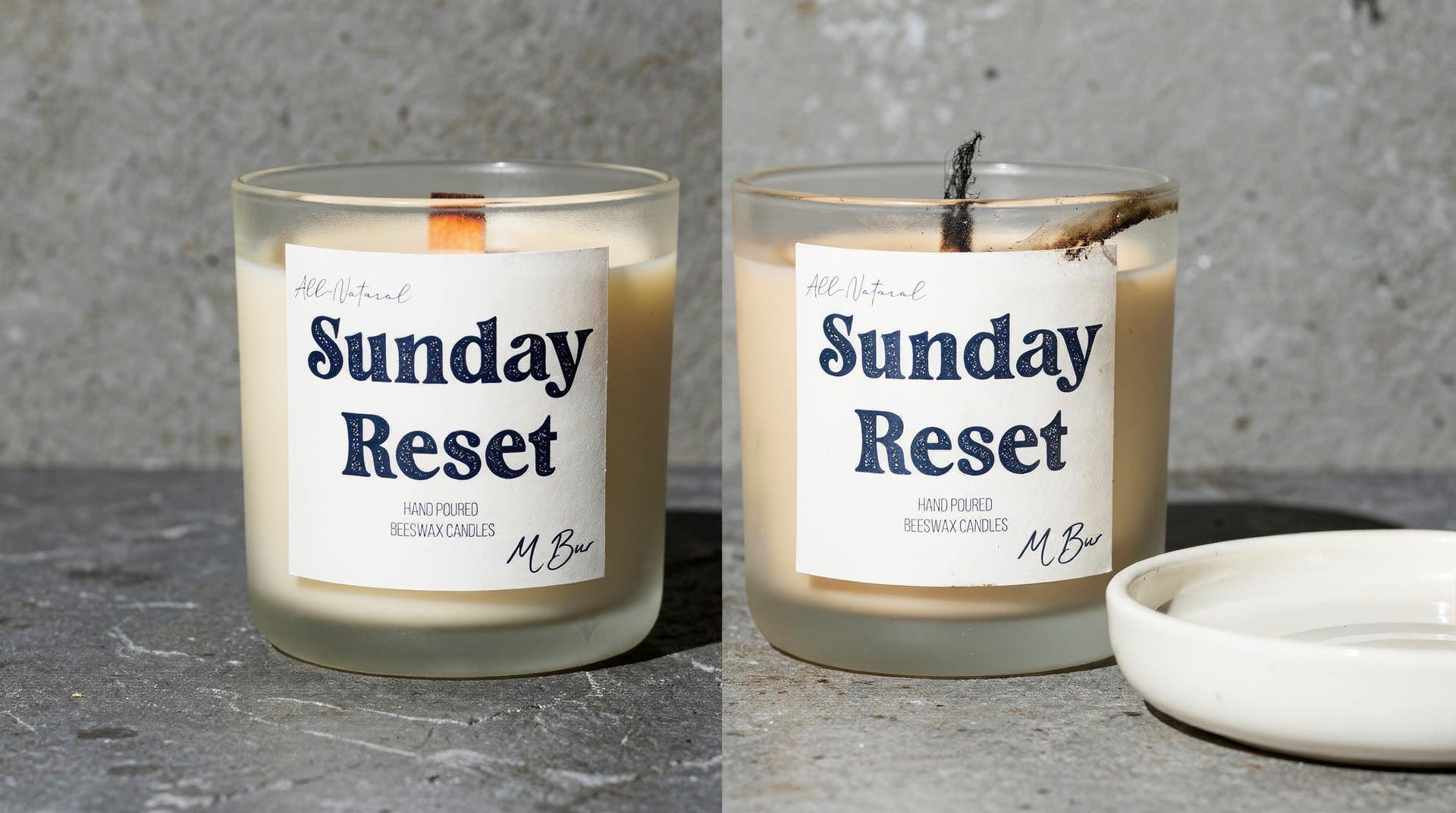
The Candle Care Habits Worth Keeping
To recap: the most impactful things you can do are nail the first burn, trim the wick every time, and keep the candle away from air flow. Those three alone will meaningfully extend the life of any candle you own. The rest of the tips layer on top and compound the benefit.
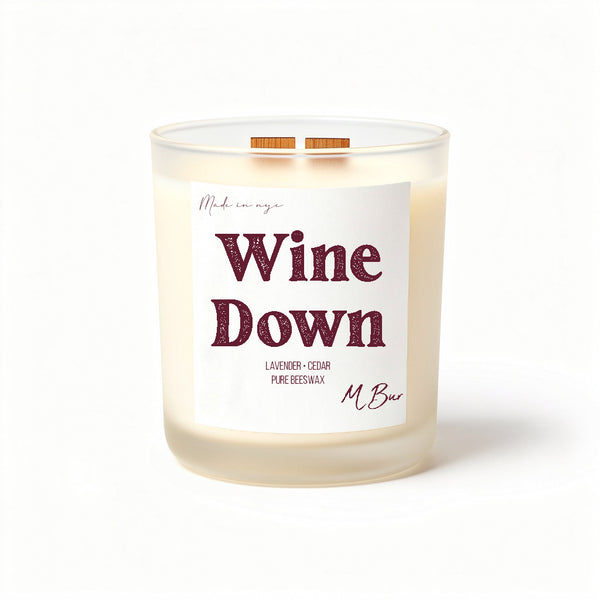
And if you want to start with a candle that gives you the longest possible runway to practice these habits on, a single ingredient 100% beeswax candle is the best foundation. The Sunday Reset beeswax candle (starting at $20 for the 20 hour size) is a good place to start if you want something that rewards proper technique with genuinely long burn times.
Frequently Asked Questions
How long should I burn a candle each session to make it last longer?
The sweet spot is between 2 and 4 hours per session. Long enough to achieve a full melt pool across the top of the wax, short enough to avoid overheating the container and destabilizing the wick. Let the wax cool and re solidify completely before the next burn.
Why does my candle keep tunneling no matter what I do?
If tunneling has already started, it is difficult but not impossible to reverse. Try the foil method: fold a piece of aluminum foil around the top rim of the jar, leaving a small opening in the center directly above the wick. The foil traps heat and redirects it outward toward the unmelted wax walls. Burn it for 2 to 3 hours and check whether the sides are catching up. Prevention is easier than fixing it after the fact, which is why the first burn matters so much.
Does the type of wax actually change how long my candle burns?
Significantly. Beeswax has the highest melting point of any candle wax at 144 to 147 degrees Fahrenheit, which means it burns more slowly and efficiently than paraffin or soy. All other variables being equal, a beeswax candle will outlast a paraffin candle of the same size by a meaningful margin.
Should I put the lid on my candle between burns?
Yes, if your candle came with one. A lid keeps dust and debris out of the wax pool, slows the natural off gassing of fragrance from the wax surface, and protects the candle during storage.
Why does my candle not smell as strong as it used to?
Scent throw diminishes for a few reasons. Fragrance oils in the wax naturally off gas over time even when the candle is not burning. Debris in the wax pool can interfere with how cleanly the fragrance releases. And wick issues, whether too long, too short, or clogged with char, affect the efficiency of the burn and therefore how much scent gets carried into the room. Keeping a clean, properly trimmed wick and storing the candle with a lid on will help maintain scent throw across the full life of the candle.
Try It With a Candle That Rewards the Effort
These tips work with any candle. But they work best when the candle itself is built for long, clean burns. MBur candles are made with 100% beeswax, wooden wicks, and phthalate free non toxic fragrance, specifically because those are the variables that produce the longest, most consistent burns.
Shop the full MBur beeswax candle collection
What buyers say:
Related reading:

