

How to Get the Smell Out of a Stroller and Car Seat Fabric (Without Ruining Either One)
The stroller smells like sour milk again. You wiped it down two days ago, and somehow it already radiates that warm, slightly sweet, slightly horrifying funk that makes you hold your breath while buckling your kid in. The car seat is worse. Something leaked through the cover weeks ago, and no amount of Febreze has touched it.
If this sounds specific, it is because every parent with a child under three has lived some version of it. Spilled formula, crushed crackers ground into crevices, a diaper blowout on a road trip, mystery liquids that seeped into padding and just... stayed. The smell builds over time, layer by layer, until the whole piece of gear has its own microclimate.
The good news: you can fix this. The tricky part is doing it safely, because car seats especially are safety devices with strict cleaning rules. Below is a step by step guide to deodorizing and freshening stroller and car seat fabric the right way, plus what to do about the air in your car and nursery once everything is clean.

Why Baby Gear Starts to Smell (and Why It Keeps Getting Worse)
The odor is not your imagination and it is not because you are doing something wrong. Baby gear collects organic material constantly: milk proteins, food oils, sweat, drool, and the occasional bodily fluid that shall not be named. These substances soak into multi layered fabric and padding that rarely gets fully dry between uses.
Bacteria love that environment. Warm, damp, protein rich fabric is essentially a buffet. As bacteria break down those organic compounds, they produce volatile sulfur and nitrogen compounds, which is the scientific way of saying it smells awful. The longer moisture sits trapped in padding, the deeper the bacteria colonize, and the harder the smell is to remove with surface wiping alone.
Mildew compounds the problem. If you have ever left a damp stroller folded in a trunk overnight, you know the musty, earthy smell that greets you the next morning. That is mold spores establishing themselves in fabric that never fully dried.
Before You Clean Anything: Read the Manual
This step is boring and critical. Car seats are engineered safety devices, and using the wrong cleaning product can degrade the plastic shell, weaken harness webbing, or strip flame retardant coatings from fabric. The National Highway Traffic Safety Administration emphasizes that improper cleaning can compromise crash performance.
Pull up your specific model's manual (most brands have PDFs on their websites). Look for three things: whether the fabric cover is machine washable, which cleaning agents are approved, and whether the manufacturer has specific warnings about vinegar, baking soda, or disinfectant sprays.
A few universal rules apply across nearly every brand:
- Never submerge or machine wash harness straps. The agitation weakens fibers that are designed to restrain your child in a crash. Spot wipe only, with a damp cloth and mild soap.
- Never machine dry fabric covers. Heat can shrink the material and destroy protective coatings like UPF50+. Air dry only, away from direct sunlight.
- Never use bleach, Lysol, or standard household disinfectants on any part of a car seat. These chemicals degrade plastic and webbing.
Strollers are slightly more forgiving, but the same principle applies: check the care tag before doing anything aggressive.
Step by Step: Removing Odor from Stroller Fabric
Step 1: Vacuum everything first
Use a handheld vacuum or a crevice attachment to get into every fold, seam, and pocket. Cracker crumbs, dried food, and debris trapped in crevices are feeding the bacteria that cause the smell. Skipping this step and going straight to liquid cleaning just pushes dirt deeper into the fabric.
Step 2: Remove the fabric cover if possible
Most stroller seats have removable fabric liners. Take a photo of how everything connects before you pull it apart (you will thank yourself during reassembly). If the care tag says machine washable, use the delicate cycle with cold water and a mild, unscented detergent. A plant based Castile soap works well here.
Step 3: Spot treat stubborn areas
For stains and concentrated odor zones (the seat area, the snack tray, anywhere milk has pooled), mix a few drops of mild dish soap into a bowl of warm water. Dip a clean cloth in the solution, wring it out thoroughly, and blot the area. Do not soak it. Oversaturating fabric is one of the most common mistakes parents make, and it leads to the exact mildew problem you are trying to solve.
Step 4: Deodorize with baking soda
Once the fabric is clean and slightly damp, sprinkle baking soda generously over the surface. Let it sit for at least 15 minutes. For serious odors (the diaper blowout kind), leave it overnight. Vacuum thoroughly the next day. Baking soda neutralizes odor causing acids rather than masking them, which is why it works better than spraying fragrance over the problem.
Step 5: Air dry completely
This is where most parents lose the battle. Reassembling a stroller with fabric that is still damp restarts the entire bacterial cycle. Hang covers in a well ventilated area or outdoors (in shade) until they are bone dry. Sunlight is a natural deodorizer and mild disinfectant, but prolonged direct sun can fade fabric, so a couple of hours is plenty.

Step by Step: Deodorizing Car Seat Fabric Safely
The process is similar but the stakes are higher. Everything you do to a car seat must preserve its structural and material integrity.
Step 1: Vacuum thoroughly
Same as above. Get into every crevice, under the harness pads, around the buckle. Food debris in the buckle mechanism is a common hidden odor source.
Step 2: Remove the cover (if your manual allows it)
Many car seat covers are removable and machine washable on a gentle cycle with cold water. Some are hand wash only. Check before you toss it in. Use mild, unscented soap. No fabric softener, which leaves a residue that can make fabric less breathable and attract new dirt faster.
Step 3: Spot clean the harness and plastic shell
Wipe harness straps with a cloth dampened with plain water and a tiny amount of mild soap. Wipe the plastic shell the same way. Do not spray anything directly onto the seat. Do not use vinegar on car seat components, as some manufacturers explicitly warn that its acidity can damage specific materials over time.
Step 4: Baking soda for persistent odors
Sprinkle baking soda on the dry fabric cover (removed from the seat), let it sit for 15 minutes to overnight, and vacuum it up completely before reassembling. Make sure no baking soda residue remains in folds or near the harness mechanism.
Step 5: Air dry everything completely before reassembly
Every component must be fully dry. If you reassemble a car seat with damp padding, you are creating the perfect conditions for mold growth inside layers you cannot see or easily access.
When the smell will not go away
If odors persist after a thorough, manufacturer approved cleaning, contact the brand directly. Many sell replacement covers and harness pads. Deep set smells from mold or biological fluids may indicate the seat's inner materials are compromised, and replacement parts are safer than continued use.
Keeping Things Fresh Between Deep Cleans
Deep cleaning a car seat is a project. You do not want to do it every week. A few habits keep odors from building up in the first place:
- Wipe down after every spill immediately. A damp cloth and 30 seconds of effort prevents milk proteins from soaking into padding.
- Keep a small towel or waterproof liner under your child. It catches spills before they reach the seat fabric and is far easier to wash.
- Never fold or store a stroller while fabric is damp. Even light moisture from rain or a sippy cup leak can bloom into mildew overnight in a closed trunk.
- Crack the car windows when parked in a garage. Airflow prevents the sealed, warm environment that accelerates bacterial growth and that distinctive "hot car seat" smell.
What About the Air in the Car and Nursery?
Once the gear itself is clean, the surrounding air matters too. Lingering odors in a car or small room can re deposit onto freshly cleaned fabric, and many common air fresheners introduce their own problems. Standard car air fresheners and plug ins often contain phthalates and other compounds that are worth avoiding in spaces where babies and toddlers spend time breathing.
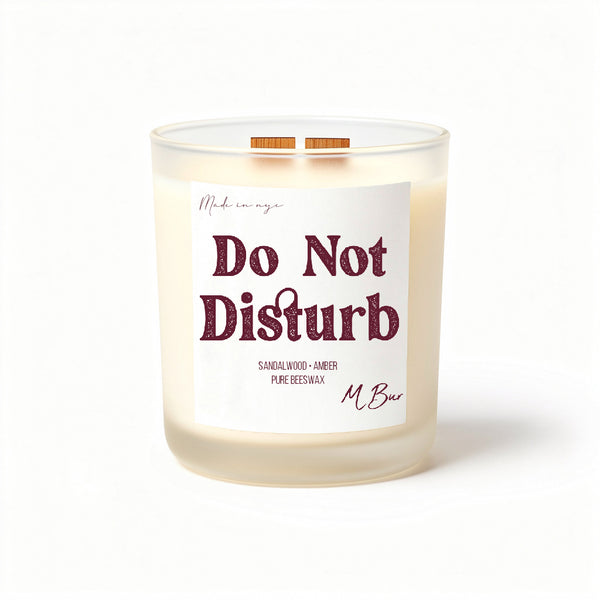
A cleaner option: light a beeswax candle in the nursery during downtime (never with the baby in the room unsupervised, obviously). Beeswax burns cleaner than paraffin or soy, produces no black soot, and the natural warm glow actually emits light on a spectrum closest to sunlight. The subtle honey undertone of the wax itself freshens a room without the chemical load of a plug in air freshener.
"I absolutely love these candles! I instantly notice the difference in the air quality, in comparison to the Bath & Body scented candles. I love Bath & Body's candles but I acknowledge that it caused a slight headache and other minor respiratory discomfort. Awesome products. Totally addicted." Jason H.
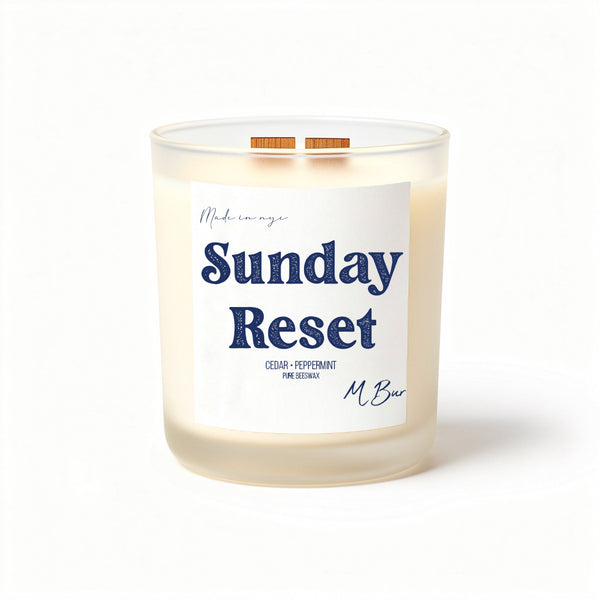
If you are particular about what goes into the air your family breathes (and you are reading an article about safe cleaning methods, so you probably are), MBur's full beeswax candle collection is worth a look. Every candle uses 100% pure beeswax, wooden wicks, phthalate free fragrance, and no chemical dyes. The 20 hour size starts at $20 and burns for weeks of short evening sessions.
For the nursery specifically, Do Not Disturb has notes of bergamot, pear, jasmine, vanilla, and sandalwood. It is a calm, clean scent that freshens the room without overwhelming it. For the living room or kitchen where the stroller parks, Sunday Reset opens with eucalyptus and peppermint, then settles into cedar and vanilla. It reads as "freshly cleaned house" without smelling like actual cleaning products.

Frequently Asked Questions
Can I use vinegar to get the smell out of a car seat?
Proceed with caution. While a 1:2 vinegar to water solution works on general upholstery, some car seat manufacturers explicitly warn against vinegar because its acidity can degrade specific materials over time. Always check your model's manual first. For stroller fabric that is not a safety device, a diluted vinegar solution is generally safe, but test on a small hidden area before applying it broadly.
How often should I deep clean a stroller or car seat?
A full deep clean every one to two months is reasonable for regular use. Between deep cleans, quick wipe downs after spills and weekly vacuuming of crumbs prevent odor from building up. If you notice a musty smell developing faster than that, check for trapped moisture in padding or folds.
Is it safe to burn a candle in a room where my baby sleeps?
Burn candles only when the baby is not in the room, and ventilate before bringing them back in. The concern with most candles is the compounds released during burning. Paraffin candles release VOCs including benzene and toluene. A 100% beeswax candle with a non toxic, phthalate free fragrance burns significantly cleaner. Extinguish the candle well before the baby returns, and open a window briefly to circulate fresh air.
My car seat still smells after cleaning. Should I replace it?
Contact the manufacturer first. Many brands sell replacement fabric covers and harness pads, which is far cheaper than a new seat. If the smell is mold related and has penetrated the inner foam or plastic shell, replacement may be the safer choice, as mold deep in structural materials can be impossible to fully remove and may indicate compromised integrity.
The Short Version
Vacuum first, always. Use mild soap and minimal water. Let baking soda do the heavy lifting on odors. Air dry everything completely before reassembling. And never machine wash harness straps.
For keeping the nursery and car smelling fresh without introducing new chemicals into your baby's air, a clean burning beeswax candle does the job better than any plug in. Browse MBur's full beeswax candle collection to find a scent that fits your space. Every candle is handmade in New York with 100% pure beeswax, wooden wicks, and phthalate free fragrance, starting at $20 for the 20 hour size.
Related reading

