

How to Get Rid of Washing Machine Smell in a Front Loader (And Keep It Gone)
Your clean laundry smells like a damp basement, and you cannot figure out why. You have tried running extra rinse cycles. You have switched detergents twice. The towels still come out smelling like something died behind the drum. The problem is almost certainly not your detergent, your water, or your clothes. It is your front loading washing machine itself, and the fix is simpler than you think.
This guide walks you through exactly what causes that musty funk, how to deep clean every hidden surface that harbors it, and how to prevent it from coming back. We will also cover what to do about the lingering smell in your laundry room once the machine is sorted, because scrubbing a gasket does not magically make the air smell good again.
Why Your Front Loader Smells (It Is Basically a Petri Dish)
Front loading washers are more water efficient than top loaders. That is the good news. The bad news is that their airtight door seal, horizontal drum, and low water levels create a warm, dark, perpetually damp environment. In other words, the ideal conditions for mold, mildew, and bacteria to throw a party.
The scientific term for what is growing inside your machine is biofilm. It is a layered colony of microorganisms that feeds on the organic residue left behind after every wash cycle: skin cells, lint, hair, detergent residue, and fabric softener. That biofilm coats the inside of the rubber door gasket, the detergent dispenser drawer, the drain pump filter, and the drum itself.

Three specific habits accelerate the problem:
Too much detergent. Modern HE (High Efficiency) machines need surprisingly little soap, often around two teaspoons per load. Most people use five to ten times that amount. The excess does not rinse away. It leaves a sticky, waxy film on every interior surface, and that film becomes food for bacteria.
Fabric softener. Liquid fabric softener coats fibers with a thin layer of lubricant. It coats the inside of your washer the same way. Many appliance repair experts recommend eliminating fabric softener entirely if you have recurring odor problems.
Closing the door between loads. When you shut that front loader door after a cycle, you are sealing moisture inside a dark, enclosed space. Mold spores germinate in as little as 24 to 48 hours under those conditions. According to the EPA's mold prevention guidelines, controlling moisture is the single most effective way to prevent mold growth indoors.
The Deep Clean: A Step by Step Guide
You need to hit four areas. Skipping any one of them means the smell comes back within a week or two.
Step 1: The Door Gasket
Pull back the rubber seal around the door opening. You will likely find trapped water, hair, lint, and possibly visible mold. Mix a solution of three quarters cup liquid chlorine bleach per one gallon of warm water. Dip a microfiber cloth in the solution and scrub every fold of the gasket thoroughly. Pay special attention to the bottom of the seal where water pools.
Wipe it dry with a clean towel when you are done. This area needs attention at least every two weeks if you want to stay ahead of the biofilm.
Step 2: The Detergent Dispenser Drawer
Pull the entire drawer out of the machine. Most models have a release tab you press while pulling. Rinse it under hot water and scrub away any caked on detergent or softener residue with an old toothbrush. Check the cavity where the drawer sits, too. That space collects buildup that drips down into the drum.
Step 3: The Drain Pump Filter
This is the one most people have never touched. Look for a small access door or panel at the bottom front of your machine. Behind it you will find a small drain hose and a twist out filter. Place a shallow pan or towels underneath before you open anything, because water will come out.
Drain the small hose first by removing its cap. Once the water stops, twist out the filter basket. You may find coins, hair ties, lint clumps, and other debris that has been slowly decomposing. Rinse the filter under running water, scrub it clean, and replace everything.

Step 4: The Drum Itself
Run a complete cycle on the hottest water setting your machine offers. Many newer models have a dedicated "Tub Clean" or "Sanitize" cycle that heats water to around 150 to 194 degrees Fahrenheit. Add two cups of white distilled vinegar to the detergent dispenser and run the cycle empty.
One critical safety note: never combine bleach and vinegar. The chemical reaction produces chlorine gas, which is genuinely dangerous. Use one or the other per cleaning cycle. If you used bleach on the gasket, run the vinegar drum cycle separately.
Alternatively, you can use a commercial washing machine cleaner tablet (Affresh is a widely available option) following the package directions. These are formulated to dissolve biofilm specifically.
Prevention: Five Habits That Keep the Smell Gone
Deep cleaning fixes the immediate problem. These daily and weekly habits keep it from rebuilding.
1. Leave the door ajar after every load. Even one to two inches of clearance allows airflow through the drum and gasket. This single habit does more to prevent odor than any cleaning product.
2. Leave the detergent drawer cracked open too. Same principle. Let it breathe.
3. Cut your detergent in half, then cut it in half again. If you have been eyeballing it, you have been using too much. Measure it. Two teaspoons of HE detergent handles a normal load. You can go up to a tablespoon for heavily soiled items.
4. Ditch liquid fabric softener. Wool dryer balls accomplish the same thing without leaving residue inside your machine. Your washer (and your towels' absorbency) will thank you.
5. Run a monthly maintenance cycle. Once a month, or every 30 loads, run an empty hot cycle with vinegar or a cleaner tablet. Mark it on your calendar. It takes five minutes of active effort and prevents hours of scrubbing later.
Now About Your Laundry Room
A clean machine solves the source of the smell. But if your laundry room has been marinating in musty air for weeks or months, the room itself might still carry that damp, stale odor in fabrics, on surfaces, and in the air. Spraying a chemical air freshener over mildew smell is like putting cologne on a gym bag. It does not fix anything. It just adds a layer of fragrance chemicals on top of the funk.
Once you have cleaned the machine and established your prevention routine, the room needs fresh, clean scented air to replace what has been lingering. A candle with a clean burn makes a real difference here, especially one that does not add its own set of problems to your indoor air.
"I absolutely love these candles! I instantly notice the difference in the air quality, in comparison to the Bath & Body scented candles. I love Bath & Body's candles but I acknowledge that it caused a slight headache and other minor respiratory discomfort. Awesome products. Totally addicted." Jason H.
Paraffin candles, the kind that make up most of what you will find at big box stores, release soot and volatile organic compounds when they burn. In a small, enclosed room like a laundry area, that is a lot of particulate matter in a tight space. Beeswax burns cleaner than paraffin or soy, produces virtually no soot, and has the longest burn time of any candle wax due to its high melting point.
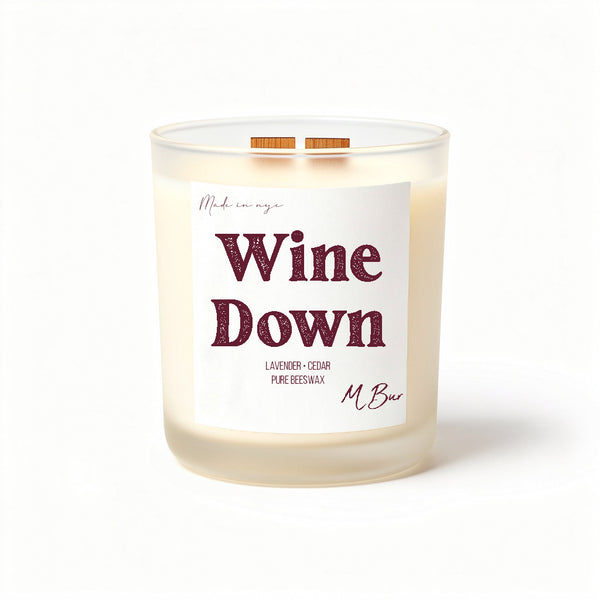
For a laundry room that has been battling musty smells, something bright and green cuts through the staleness better than anything heavy or floral. Sunday Reset opens with eucalyptus and peppermint, sharp and clean enough to reset the air in the room, then settles into cedar and patchouli. It is the olfactory equivalent of throwing open a window on a cold morning. If you lean more toward fresh and herbaceous, Slice of Life is all spearmint, eucalyptus, and green tomato leaf, the kind of green, alive scent that makes a room smell like it has never had a moisture problem in its life.
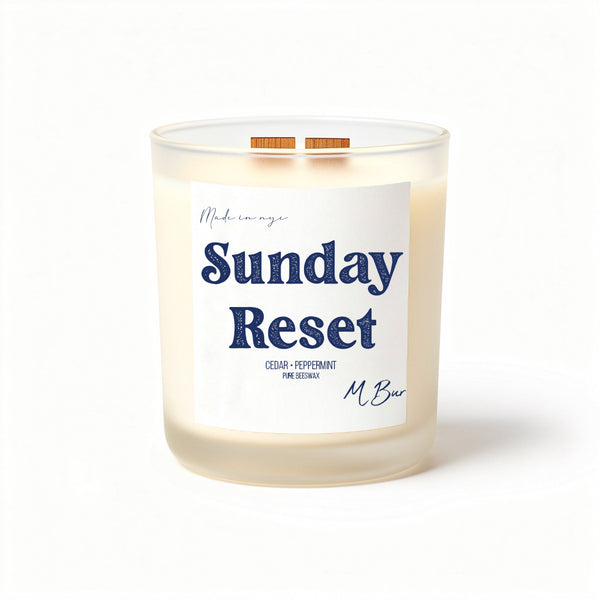
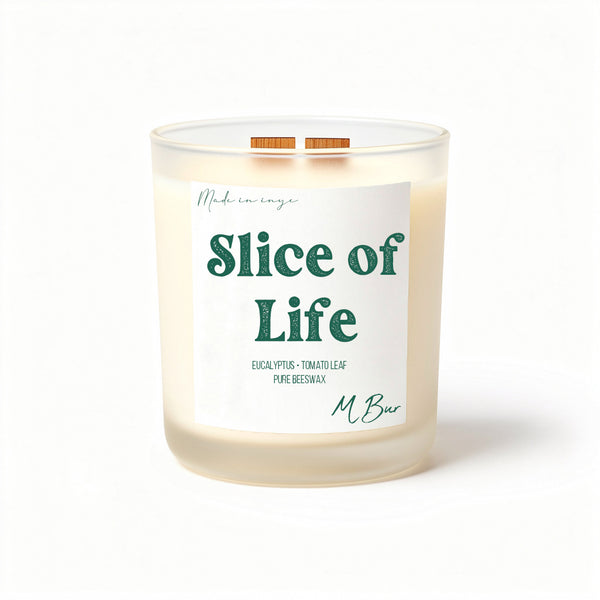
Both are 100% beeswax with wooden wicks and phthalate free fragrance. No paraffin, no chemical dyes, no toxic fragrance oils. You can browse the full beeswax candle collection to find the scent that fits your space.

FAQ
Why does my front loading washer smell even though I just cleaned it?
You probably missed one of the four key areas. The drain pump filter is the most commonly overlooked culprit. It collects decomposing lint and debris behind a small panel at the bottom front of the machine. If you cleaned the gasket and ran a drum cycle but skipped the filter, that is likely where the remaining odor lives.
Can I use vinegar and bleach together to clean my washer?
Absolutely not. Mixing bleach and vinegar creates chlorine gas, which is toxic. Use them in separate cleaning cycles. Bleach works well for scrubbing the gasket and seal. Vinegar works well for a drum cleaning cycle. Just never in the same load.
How much detergent should I actually use in a front loader?
Far less than you think. About two teaspoons of HE detergent handles a standard load. Overusing detergent is one of the leading causes of biofilm buildup and musty odor. If your clothes come out smelling soapy, you are using too much.
Do I really need to leave the washer door open all the time?
Yes. Leaving the door one to two inches ajar between loads is the single most effective prevention habit. It allows the drum and gasket to dry out, which starves mold and bacteria of the moisture they need to grow.
What is the best way to make my laundry room smell good after fixing the washer?
Skip the chemical air fresheners. A clean burning beeswax candle with a fresh scent does the job without adding soot or toxic fragrance to your air. Something with eucalyptus or mint, like Sunday Reset from MBur Candle Co., cuts through any residual staleness. The wooden wick crackle is a nice bonus in a room that used to smell like a swamp.
The Short Version
Front loader smell comes from biofilm feeding on detergent residue, fabric softener, and moisture trapped in four specific places: the door gasket, the dispenser drawer, the drain filter, and the drum. Deep clean all four, then adopt five daily habits (door open, drawer open, less detergent, no fabric softener, monthly maintenance cycle) to keep the odor from returning. Once the machine is sorted, replace the lingering mustiness with clean air and a candle that actually burns clean.
MBur's pure beeswax candle collection starts at $20 for the 20 hour size and burns up to 80 hours in the largest. Every candle uses phthalate free fragrance, wooden wicks, and zero chemical dyes. If your laundry room deserves better air, this is a good place to start.
Related reading

