

How to Get Rid of Yoga Mat Smell Naturally and Effectively
Your yoga mat smells like the inside of a tire factory, and no amount of Savasana is going to fix that.
Whether you just unrolled a brand new mat or you have been practicing on the same one for two years without a deep clean, that rubbery, sour, vaguely chemical funk is real. It follows you off the mat. It lingers in whatever corner of the room you practice in. And when you are supposed to be focusing on your breath during a forward fold, the last thing you want is your face six inches from something that smells like a wet gym bag.
The good news: the fix is simple, cheap, and does not require any specialty products. Below is a full breakdown of why your mat smells, how to clean it based on what it is made of, and how to keep your practice space smelling like a place you actually want to spend time in. If you are looking for a clean burning candle to set the mood before you even step on the mat, our full beeswax candle collection is worth a look.
Why Your Yoga Mat Smells in the First Place
There are two completely different odor problems, and they require different solutions.
New Mat Smell: Off Gassing
That chemical smell on a brand new mat is called off gassing. During manufacturing, volatile organic compounds (VOCs) get trapped in the mat material. When you unroll it at home, those gases release into your air. Mold release agents and protective coatings applied during production add to the problem.
Mats made from PVC (polyvinyl chloride) tend to be the worst offenders. PVC mats can contain phthalates, which are used to make the vinyl flexible, and those compounds are the same ones found in toxic fragrance oils and cheap household products. As the EPA notes, VOCs can affect indoor air quality and cause irritation even at low concentrations.
Natural rubber mats can also smell strong out of the box, but that earthy, latex scent is the rubber itself. It is not necessarily harmful. It is just unpleasant.
Old Mat Smell: Bacteria
If your mat has been in rotation for a while, the culprit is biological. Sweat, body oils, and dead skin cells accumulate on the surface and get broken down by bacteria. The result is that sour, musty funk that intensifies the warmer the room gets. Hot yoga practitioners, this one is especially for you.

How to Get Rid of New Mat Smell
The most effective method is also the simplest: air it out.
Unroll the mat and lay it flat in a well ventilated area. A covered porch, a room with open windows, or any space with good airflow works. Avoid direct sunlight, which can cause natural rubber to become brittle and fade colors on any material. Leave it out for two to three hours a day over the course of three to five days. Most mats are ready for practice within 24 to 48 hours.
If the smell persists after a few days of airing out, sprinkle a thin layer of baking soda over the entire surface. Baking soda is a natural odor absorber that works by neutralizing acidic odor molecules. Let it sit for 15 to 30 minutes, then wipe or vacuum it off. This method is safe for most mat materials, including natural rubber, microfiber, and TPE.
One important note on TPE mats: they are sensitive to heat and strong chemicals. Use baking soda sparingly and rinse thoroughly.
How to Deep Clean an Older Yoga Mat
For the bacteria driven smell on a mat you have been using regularly, you need to actually clean it, not just mask the odor.
The Vinegar Method
Mix three parts water with one part white vinegar in a spray bottle. Spray the entire surface of the mat, let it sit for five to ten minutes, then wipe clean with a damp cloth. White vinegar is an effective disinfectant that breaks down body oils and kills odor causing bacteria.
One caveat: vinegar can damage natural rubber mats over time, causing the material to crumble. If you practice on natural rubber, stick to a mild soap and water solution or check the manufacturer's care instructions.
The Baking Soda Method
If you do not love the smell of vinegar (fair), baking soda works as a standalone deep cleaner too. Make a paste with a small amount of water, spread it across the mat surface, let it sit for 15 minutes, and wipe clean. Many practitioners prefer this method precisely because it leaves no lingering scent.

What Not to Do
A few common mistakes make the smell worse or destroy the mat entirely.
Do not put your mat in the washing machine. The agitation tears the material, the spin cycle stretches it out of shape, and the mat can become so waterlogged it never fully dries. That trapped moisture leads directly to mold.
Do not roll it up while it is still damp. This is the single biggest mistake. Rolling a damp mat creates a warm, dark, moist environment, which is exactly what mold and mildew need to thrive. Always let your mat air dry completely, which takes at least 24 hours, before storing it.
Do not dry it in direct sunlight. UV exposure degrades natural rubber and fades colors. A shaded area with good airflow is ideal.
Do not use bleach or harsh chemicals. They strip the mat's grip, degrade the material, and can cause skin irritation during your next practice.
Keeping Your Practice Space Fresh
Once your mat is clean, the room you practice in matters just as much. A stuffy, stale room makes everything smell worse, and it makes your breathing practice less pleasant.
Open a window if you can. If you cannot, a fan moving air across the room helps. And if you want the space to actually smell good, not just neutral, a clean burning candle before practice transforms the atmosphere.
"I love the scent of this candle. It is lovely not overpowering. It's soothing fragrance more than covers my bedroom and bathroom. It is aromatherapy at its best." Dawne Forrest, on Do Not Disturb
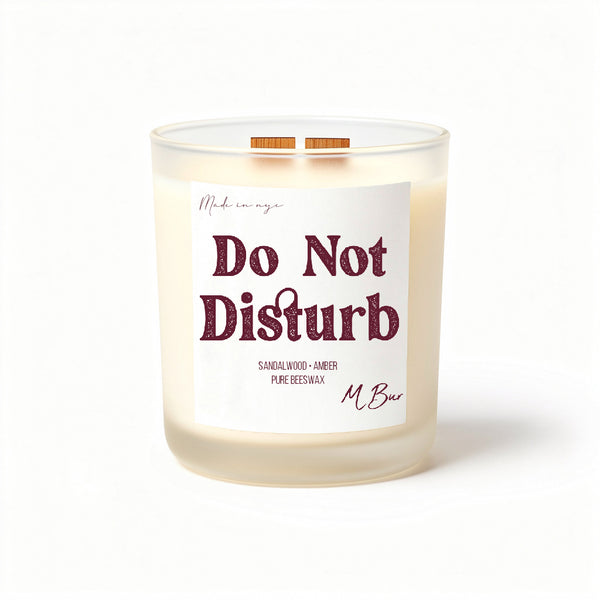
A candle with bergamot, pear, and soft florals like Do Not Disturb works particularly well for a pre yoga ritual. Light it 20 minutes before you start, let the scent settle into the room, then blow it out before you begin. The wooden wick crackle doubles as a grounding sound while you set up, and because it is 100% beeswax, you are not introducing VOCs into the same air you are about to breathe deeply for an hour.
That distinction matters. Many mass market candles use paraffin wax, which is a petroleum byproduct, and toxic fragrance oils containing phthalates. Burning one of those during a practice focused on deep breathing defeats the purpose. Beeswax burns cleaner, produces no black soot, and has the longest burn time of any candle wax due to its high melting point.

A Simple Maintenance Routine
Prevention beats deep cleaning every time. Build these habits and your mat stays fresh between sessions.
After every practice: Wipe down both sides with a damp cloth and a drop of mild soap. Hang it over a door or chair to air dry completely before rolling.
Once a week: Do a thorough wipe of both sides and the edges with your vinegar or baking soda solution.
Once a month: Deep clean with a full soak (only if your mat material allows it) or a thorough baking soda treatment. Let it dry for a full 24 hours in a shaded, ventilated spot.
When storing: Keep your mat unrolled or loosely rolled in a dry area. Tight rolling traps moisture and bacteria. If you must roll it tightly for transport, unroll it as soon as you get home.
Frequently Asked Questions
Is the chemical smell from my new yoga mat actually toxic?
It depends on the material. Natural rubber smells strong but is generally harmless. PVC mats are a different story. They can off gas phthalates and other VOCs. If you are concerned, look for mats with OEKO TEX certification, which tests for harmful substances. And while you are upgrading your practice space, switching to a clean burning beeswax candle keeps the air quality consistent with the intention behind your practice.
How long does it take for a new yoga mat to stop smelling?
Most mats stop off gassing within 24 to 72 hours of being unrolled in a ventilated area. Stubborn smells on PVC or lower quality mats can take up to a week. Baking soda speeds up the process significantly.
Can I use essential oils to clean my yoga mat?
Use them very sparingly, one to two drops at most mixed into your cleaning solution. Too much essential oil can degrade mat materials, strip the grip, and cause skin irritation. Tea tree oil has mild antimicrobial properties, but it is not a substitute for actual cleaning.
Why does my mat smell worse after hot yoga?
Heat and humidity accelerate bacterial growth. The extra sweat from a heated practice saturates the mat surface, and if you roll it up while it is still warm and damp, you are creating a petri dish. Wipe it down immediately after class and let it dry fully before storing.
The Bottom Line
Yoga mat smell comes from one of two sources: manufacturing chemicals off gassing from a new mat, or bacteria breaking down sweat and oils on an older one. Both are fixable with baking soda, vinegar, good airflow, and a consistent wipe down routine. The biggest mistake you can make is rolling up a damp mat and forgetting about it.
And if you want your practice space to smell as intentional as the practice itself, a pure beeswax candle with a wooden wick and phthalate free fragrance is the cleanest option you can burn. Browse the full MBur collection and find the scent that fits your ritual.
Related reading

