

How to Get Rid of Vacuum Cleaner Smell: Fresh Solutions for a Clean Home
You just vacuumed the entire apartment. The floors look great. And now the whole place smells like the inside of a gym bag someone left in a damp car trunk for a week. The vacuum was supposed to make things cleaner, not launch a biological weapon into your living room air.
That stale, musty, sometimes borderline rotten smell wafting out of your vacuum is more common than you'd think. And it's almost never a sign that your vacuum is broken. It's a sign that something alive (bacteria, mold, mildew) is thriving inside a machine you assumed was clean because its job is literally cleaning.
This guide breaks down exactly why your vacuum smells, how to fix it step by step, and how to keep your home smelling fresh long after the vacuum goes back in the closet. If you're someone who cares about what's in the air you breathe, you might also want to explore our full beeswax candle collection, which we'll touch on later as part of a broader clean air strategy for your home.
Why Your Vacuum Smells (It's Basically a Petri Dish)
Every time you vacuum, you're sucking up pet hair, skin cells, food crumbs, dust mites, and whatever your shoes tracked in from outside. All of that organic material gets trapped inside the machine. Add a little moisture, maybe from vacuuming a slightly damp rug or reinstalling a filter that wasn't fully dry, and you've created ideal conditions for bacteria and mold to colonize.
The smell is those microorganisms breaking down organic matter. It's the same biological process that makes a kitchen sponge reek after a few days. Your vacuum is just doing it in a sealed container with warm air blowing through it.

The Four Places Odor Hides
1. The dust canister or bag. If you wait until it's completely full to empty it, you're giving bacteria extra time and extra food. Experts recommend emptying when the canister hits about 75% capacity, not when it's packed to the brim.
2. The filters. Clogged filters are the single biggest odor source. They trap fine particles, and when airflow slows through a dirty filter, moisture lingers. That damp, warm environment is where mold gets comfortable. Washable filters should be rinsed every one to three months and replaced entirely every three to six months.
3. The brush roll. Hair, thread, and fiber wrap around the bristles and just sit there, collecting bacteria. Most people never think to clean this part.
4. The hose. Blockages and residue build up inside the hose where you can't see them. A long brush or straightened coat hanger can help clear debris you didn't know was there.
When to Worry: Burning Smells Are Different
A musty or stale smell means organic buildup. A burning smell means something mechanical is wrong. If your vacuum smells like hot rubber or scorched electrical wiring, unplug it immediately. That usually points to a worn belt, a jammed brush roll, or an overheating motor caused by a severe blockage. That's a repair issue, not a cleaning issue.
How to Deep Clean Your Vacuum (Step by Step)
This process takes about 20 minutes of active work plus a day of drying time. Do it once every month or two, depending on how often you vacuum and whether you have pets.
Step 1: Empty everything
Remove the dust canister or bag. If it's a bagless model, dump the contents into a trash bag and wash the canister with warm water and a small amount of mild dish soap. Rinse thoroughly.
Step 2: Clean or replace the filters
Pull out all removable filters. Washable foam or felt filters can be rinsed under lukewarm water without soap. Do not use hot water. Do not use a hairdryer to speed up drying, as the heat can melt adhesives and warp the filter material. Let them air dry completely for at least 24 hours before putting them back. If you have non washable HEPA filters, replace them on schedule.
One critical point: never reinstall a damp filter. This is the number one cause of musty vacuum smell, and it's the mistake almost everyone makes because waiting a full day feels excessive. It isn't. Mold can establish itself in hours on a wet surface inside a warm, enclosed machine.
Step 3: Detangle the brush roll
Use scissors or a seam ripper to cut away wrapped hair and fibers. Pull out anything stuck in the bristles. This step alone can eliminate a surprising amount of odor.
Step 4: Clear the hose
Detach the hose and look through it. Run water through it if the manufacturer allows, or use a long handled brush to push out trapped debris. Again, let it dry completely before reattaching.
Step 5: Wipe down the exterior
A damp cloth with a little white vinegar works well for the outside surfaces and any accessible interior walls of the canister compartment.

What Not to Do (The Baking Soda Myth)
You'll find advice all over the internet telling you to sprinkle baking soda on your carpet before vacuuming, or to suck some up directly to deodorize the machine. Be careful with this. Fine powders like baking soda and commercial carpet fresheners can clog filter pores, reduce suction, strain the motor, and in some cases void your warranty. If you want to use baking soda on carpet, let it sit for 15 minutes and then vacuum slowly, but don't make it a regular habit with a bagless machine.
The same goes for scented carpet powders. They mask the smell temporarily while potentially making the underlying problem worse by clogging the very filters that need clear airflow to prevent odor buildup.
After the Vacuum Is Clean: Keeping Your Home Smelling Fresh
A clean vacuum solves the source problem. But if you've been running a smelly vacuum through your home for weeks, the air quality in your space has taken a hit. Stale particulate matter, bacteria spores, and that lingering musty note don't disappear the moment you clean the machine. You need something to reset the air in the room.
This is where what you burn matters. A lot of people reach for whatever scented candle is closest, but most conventional candles use paraffin wax (a petroleum byproduct) and toxic fragrance oils loaded with phthalates. You're essentially replacing one indoor air quality problem with another.
"I absolutely love these candles! I instantly notice the difference in the air quality, in comparison to the Bath & Body scented candles. I love Bath & Body's candles but I acknowledge that it caused a slight headache and other minor respiratory discomfort. Awesome products. Totally addicted." Jason H.
Beeswax candles burn cleaner than paraffin or soy. They produce minimal soot, release no petroleum byproducts, and some studies suggest beeswax may help reduce airborne particulates. For a room that's been subjected to weeks of vacuum exhaust carrying mold spores and bacteria, a clean burning candle is a practical choice.
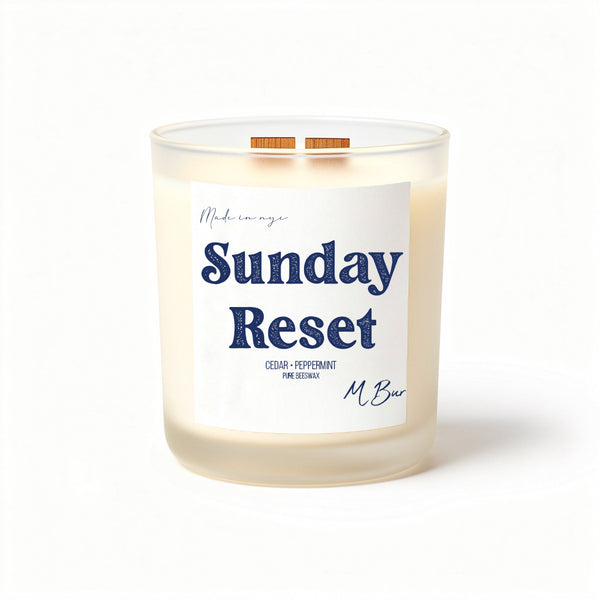
Sunday Reset is built for exactly this kind of moment. Its notes of eucalyptus, clove, cedar, patchouli, and vanilla open with that sharp, cold eucalyptus clarity that makes a room feel immediately different. The peppermint and eucalyptus cut through stale air the way cracking a window in January does. It's a good candle to light right after a deep clean when you want the space to feel genuinely fresh, not just masked with fragrance.
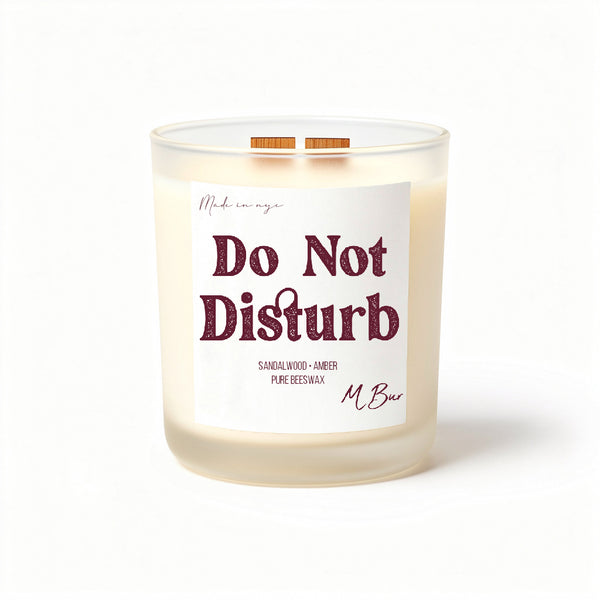
If your vacuum smell problem was concentrated in the bedroom or a smaller space, Do Not Disturb works well for those rooms. Bergamot, pear, and soft woods. It's lighter and won't overwhelm a space that doesn't need much.
Both are 100% beeswax with wooden wicks and phthalate free fragrance. The 20 hour size starts at $20, and the 80 hour size runs up to 80 hours of burn time, which is longer than any soy or paraffin candle of comparable size because beeswax has the highest melting point of any candle wax.

A Maintenance Schedule That Prevents the Smell From Coming Back
After every use: Empty the dust canister. This takes 30 seconds and prevents 80% of odor issues.
Every two to four weeks: Check the brush roll for tangles. Wipe down the canister interior.
Every one to three months: Wash removable filters. Clean the hose. Let everything dry for 24 hours before reassembling.
Every three to six months: Replace non washable filters. Inspect the belt for wear. Consider replacing the bag if you use a bagged model.
For homes with pets, push everything on this schedule toward the more frequent end. Pet hair carries oils and dander that accelerate bacterial growth inside the machine. If you're vacuuming two to three times a week (which is recommended for pet households), monthly filter cleaning is the minimum.
Frequently Asked Questions
Why does my vacuum smell like wet dog even though I don't have a dog?
That musty, damp smell comes from mold and bacteria feeding on trapped organic matter, not necessarily pet hair. Skin cells, food particles, and moisture from a slightly damp carpet can produce the same odor. Clean the filters and canister, dry them fully, and the smell should resolve. For a quick reset of the room's air afterward, a clean burning beeswax candle from MBur's collection can help clear lingering staleness without adding chemicals to the air.
Can I just use air freshener spray to cover the vacuum smell?
You can, but you're only masking the symptom. The bacteria and mold inside the machine are still there, and they're still blowing spores into your air every time you vacuum. Fix the source first. Then if you want to freshen the room, choose something that doesn't add more chemicals to your indoor air, like a candle made with non toxic fragrance and natural wax.
How long do beeswax candles actually burn compared to regular candles?
Beeswax has the highest melting point of any candle wax, so it burns significantly slower. MBur's largest size is rated for 80 hours. A comparable paraffin candle might last 40 to 50 hours. That slower burn also means less soot and a cleaner flame, which matters when you're trying to improve air quality after dealing with a smelly vacuum. Browse the full collection to see all the sizes.
Is the burning smell from my vacuum dangerous?
Potentially, yes. A burning rubber or electrical smell means something mechanical is failing. It could be a worn belt, a jammed brush roll, or an overheating motor. Unplug the vacuum immediately and inspect it before using it again. This is a repair situation, not a cleaning one.
Do HEPA filters help with vacuum smell?
True HEPA filters capture 99.97% of particles down to 0.3 microns, which significantly reduces what gets recirculated into your air. But they still need regular replacement. And watch out for "HEPA type" or "HEPA like" filters, which don't meet the same certification standards. The EPA provides guidance on indoor air quality and filtration standards if you want to dig deeper.
The Bottom Line
A smelly vacuum is a maintenance problem with a straightforward fix: empty the canister after every use, clean or replace filters on schedule, detangle the brush roll, and never reassemble damp parts. Once the machine is clean, reset the room's air with something that actually improves air quality rather than layering more chemicals on top of the problem.
If you're ready to make that switch, explore MBur's full beeswax candle collection. Every candle is 100% beeswax, wooden wick, phthalate free fragrance, handmade in Queens, New York. The 20 hour size starts at $20, and customers like Jason H. notice the air quality difference immediately.
Related reading

