

How to Get Rid of Water Bottle and Tumbler Smell: Tips and Tricks
That funky smell wafting out of your water bottle when you unscrew the lid is not your imagination. It is bacteria. Specifically, it is biofilm, a microscopic colony of bacteria, mold, or yeast that has set up camp in the dark, damp crevices of your bottle or tumbler. Bacteria can double in number roughly every 20 minutes under the right conditions, and the inside of a sealed, still damp water bottle is basically a five star resort for them.
The good news: this is fixable. The better news: once you know why it happens, you can stop it from coming back. Below, we will walk through the real causes of water bottle and tumbler odor, the cleaning methods that actually work, and a few tricks for keeping your whole space smelling clean, including how a pure beeswax candle can help reset the air in your kitchen after a deep clean session.
Why Your Water Bottle Smells (Even When You Only Drink Water)
One of the most persistent myths about reusable bottles is that plain water cannot cause odor. It absolutely can. Every time you take a sip, you introduce oral bacteria into the bottle. Close the lid while the interior is still damp, and you have created a warm, sealed, lightless environment where those bacteria multiply and form biofilm.
Biofilm is not just a loose collection of germs floating around. It is a structured, sticky layer that adheres to surfaces. That is why a quick rinse under the faucet does almost nothing. The film clings to the walls, threads, and seals of your bottle, and it takes mechanical scrubbing to break it loose.

The Real Culprits: Lids, Gaskets, and Straws
The bottle itself is rarely the main problem. The persistent stink almost always lives in the parts you are not cleaning thoroughly: the silicone gasket (that rubber ring inside the lid), the threaded area where the lid screws on, and the interior of any built in straw. These spots trap moisture and organic residue from saliva, and they are the last places most people think to scrub.
Material matters too. Plastic bottles, especially scratched ones, are more porous and develop micro grooves that harbor bacteria far more readily than stainless steel. But even a high quality stainless steel tumbler will develop odors if you neglect the gasket or store it sealed while wet.
How to Eliminate Water Bottle Odor: Methods That Actually Work
Forget the quick rinse. Forget running hot water through it for ten seconds and calling it done. To truly remove container odor, you need a combination of the right cleaning agent and physical scrubbing.
Daily Maintenance
Every day, wash your bottle with warm water and mild dish soap. Use a bottle brush for the interior walls. Use a smaller brush, a cotton swab, or even an old toothbrush to get into the threads and around the gasket. This alone prevents about 90% of odor problems before they start.
Deep Cleaning Methods (Pick One)
Baking soda soak: Mix about one tablespoon of baking soda per cup of warm water. Pour it into the bottle, drop the disassembled lid and gasket in, and let everything soak for 30 minutes to overnight. Baking soda neutralizes acidic odor compounds and loosens biofilm.
White vinegar soak: Use a 1:1 or 1:5 ratio of white vinegar to water. Soak for 15 to 60 minutes, or overnight for stubborn smells. Vinegar's acidity kills many odor causing bacteria on contact.
Denture cleaning tablets: This one sounds odd, but it works. Drop a tablet into a bottle filled with warm water, let it fizz for 10 to 60 minutes, then rinse thoroughly. The effervescent action reaches crevices a brush cannot.
The ice and salt shake: For stubborn residue you can see or feel, fill the bottle with crushed ice, a tablespoon of coarse salt, and a squeeze of lemon. Shake hard for 30 seconds. The abrasion physically scrapes away biofilm. Rinse well afterward.

The Step Everyone Skips
You can use the best cleaning method in the world and still end up with a smelly bottle if you skip this: air drying completely before reassembling or storing. Take the lid apart. Remove the gasket. Stand everything upside down on a clean towel or drying rack. Let every component dry fully before you put the bottle back together. Closing a wet bottle is the single most common reason smells keep coming back.
According to the Michigan State University Extension, daily hygiene and complete drying are the two most effective steps for preventing bacterial growth in reusable bottles.
Common Mistakes That Keep the Smell Coming Back
Ignoring the gasket. If you have never removed that little silicone ring from inside your lid, do it now. It is probably the source of the smell. Pull it out gently, scrub both sides, and let it dry separately.
Relying on the dishwasher alone. Dishwashers are convenient, but they often cannot reach the tight crevices in lids and straws. Some seals also degrade under high heat, which creates new anchor points for bacteria. Manual scrubbing is more effective for these parts.
Using abrasive scrubbers on coated bottles. If your tumbler has a painted or powder coated exterior, avoid steel wool or dry baking soda paste on the outside. Scratches in the coating create micro grooves where bacteria can lodge, making future odors harder to clean.
Assuming stainless steel is immune. Stainless steel resists odor better than plastic, but it is not self cleaning. Residues still accumulate in the threads and seals, and those are where the smell lives.
Once the Bottle Is Clean: Freshening Up Your Kitchen
Deep cleaning a funky water bottle sometimes means your kitchen smells like vinegar for an hour. Or you have been dealing with a musty tumbler collection that has left a lingering staleness in the air near your dish rack. Once you have tackled the source, resetting the air in your space is the finishing touch.
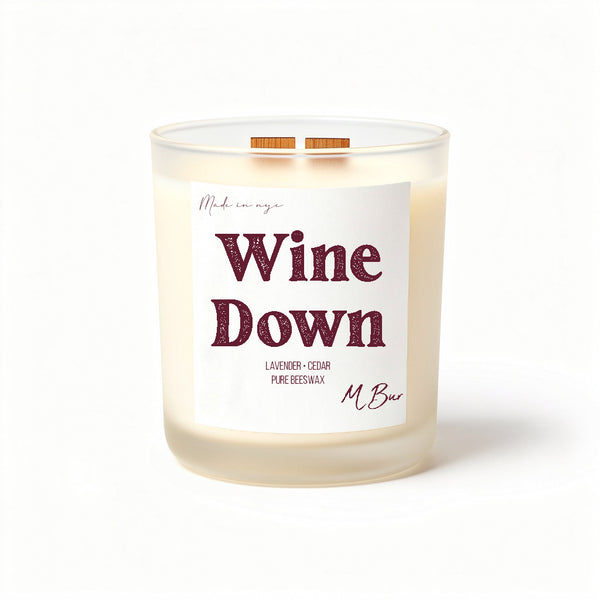
Opening a window helps. But if you want something that actively works to clean the air rather than just mask the leftover smell, beeswax is worth knowing about. Pure beeswax burns cleaner than paraffin or soy, produces no black soot, and some studies suggest it may release negative ions that help settle airborne particles. The subtle, natural honey undertone of beeswax also neutralizes stale odors without layering another overpowering scent on top.
"I absolutely love these candles! I instantly notice the difference in the air quality, in comparison to the Bath & Body scented candles. I love Bath & Body's candles but I acknowledge that it caused a slight headache and other minor respiratory discomfort. Awesome products. Totally addicted." Jason H., Retail Therapy review
If you want something with a scent profile that actually complements a clean kitchen, Slice of Life has notes of spearmint, eucalyptus, tomato leaf, anise, and mint. It smells like a kitchen herb garden, green and sharp and alive, which pairs well with a freshly scrubbed space rather than fighting against it. The Sunday Reset is another strong pick if you prefer something with eucalyptus, clove, cedar, patchouli, and vanilla, a cooler, more grounding scent that works well during a cleaning session.
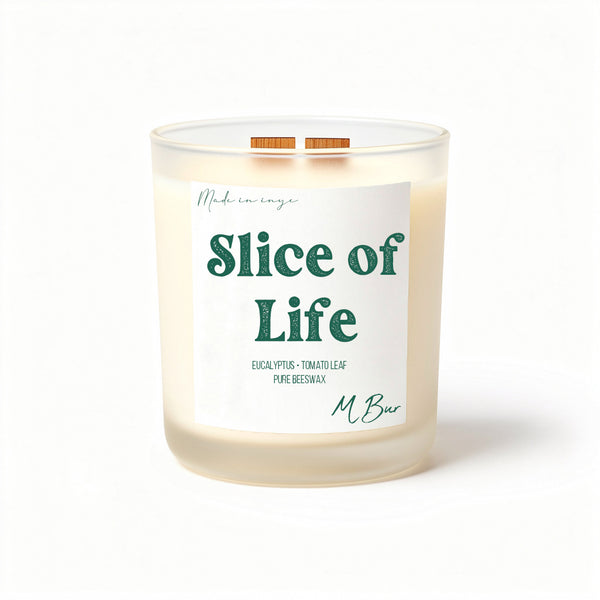
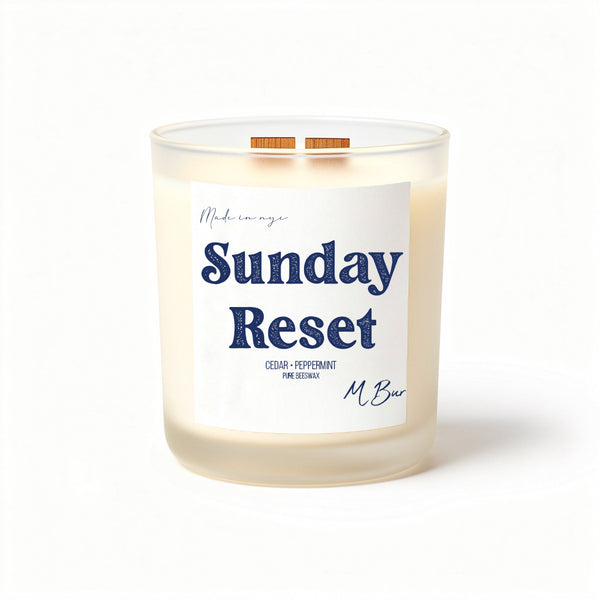

Both are made with 100% pure beeswax, wooden wicks, and phthalate free fragrance. No toxic fragrance oils, no chemical dyes, no paraffin. The wooden wick crackles softly while it burns, which is a surprisingly nice background sound while you are wiping down counters.
Frequently Asked Questions
Why does my water bottle smell even after I wash it?
Biofilm. It is a structured layer of bacteria that clings to surfaces, especially in gaskets, threads, and straws. A quick rinse does not break it loose. You need to physically scrub those areas and then soak with baking soda or vinegar to kill what remains. Disassemble the lid completely every time you wash.
How often should I deep clean my tumbler?
A thorough soap and brush wash should happen daily. A deep clean with baking soda or vinegar is ideal once a week, or immediately if you notice any off smell. If you use your bottle for anything other than plain water (coffee, smoothies, flavored drinks), deep clean after every use of that type.
Are plastic bottles worse for odors than stainless steel?
Yes. Plastic is more porous and scratches more easily, creating micro grooves where bacteria embed and resist cleaning. Stainless steel is smoother and more sanitary, but it still develops odors if the lid components are neglected. Regardless of material, the gasket and straw are where most smells originate.
Can a candle actually help with kitchen odors?
A candle will not fix the source of an odor (you still need to clean the bottle), but it can absolutely help reset the air in a room after the source is gone. The key is choosing one that burns clean. Paraffin candles release soot and VOCs that can make air quality worse. A pure beeswax candle with a wooden wick burns without black soot and produces a warm, natural light. It freshens a room without adding chemicals to the air.
Is bleach safe to use on water bottles?
A very diluted bleach solution (about one teaspoon per liter of water) can sanitize a bottle, but it must be rinsed extremely thoroughly afterward. For most people, baking soda or vinegar is just as effective and carries no risk of chemical residue. The CDC recommends a diluted bleach rinse primarily for emergency water storage sanitation, not routine daily use.
The Short Version
Water bottle and tumbler smell comes from biofilm building up in the parts you are not scrubbing: gaskets, straws, and threaded lid areas. Fix it with a baking soda or vinegar soak, thorough scrubbing, and complete air drying before you reassemble. Once the source is handled, reset your kitchen air with a clean burning candle that will not add soot or toxic fragrance to the room you just cleaned.
If you are looking for a candle that burns clean enough to use in a freshly scrubbed kitchen, browse the full MBur beeswax candle collection. Every candle is 100% pure beeswax with a wooden wick, phthalate free fragrance, and up to 80 hours of burn time. Handmade in Queens, New York.
Related reading

