

How to Get Rid of the Burning Dust Smell From Your Space Heater
That acrid, stale, vaguely alarming smell that fills the room the first time you flip on your space heater each fall is burned dust. Literally. Months of accumulated dust, lint, pet hair, and microscopic debris have been quietly settling on the heating elements all summer, and the moment those coils or ceramic plates get hot, every particle incinerates at once. Your nose gets the memo before your brain does.
The good news: in most cases, this is temporary and harmless. The less good news: if you ignore it, or if the smell is something other than dust, you could be dealing with a genuine safety hazard. Roughly 65,000 home fires per year in the U.S. are linked to space heaters, according to the U.S. Consumer Product Safety Commission.
This guide walks you through exactly why your heater smells, how to clean it properly, when to worry, and how to make your space smell like something worth breathing once you are done. If you are already thinking about the air quality angle, our full beeswax candle collection is worth a look once your heater is sorted.
Why Your Space Heater Smells Like Burning Dust
When a space heater sits unused for weeks or months, its internal surfaces become a landing strip for household particles. Dust mites, pet dander, fabric fibers, cooking residue, pollen. All of it drifts inside through intake vents and settles on the heating element, the fan blades, and the interior housing.
The moment you power the unit on, those particles hit temperatures well above their combustion point. They burn. That is the smell: organic matter being incinerated in a very small, very concentrated space, then blown directly into your room by the fan.
A normal dust burn off should last somewhere between 20 and 60 minutes. It might take one to three heating cycles before the smell disappears entirely. After that, the element is clean enough that you should not notice anything.
If the smell hangs around longer than three hours of continuous use, you are no longer dealing with dust. Something else is going on.

Burning Dust vs. Something Worse: How to Tell the Difference
A burning dust smell is faint, dry, and slightly musty. It fades. The other smells that can come from a space heater do not fade, and they require immediate action.
Burning Plastic or Rubber
A sharp, acrid, chemical smell means an internal component is overheating or melting. This could be a degraded wire insulation, a warped housing piece, or a foreign object (a pen cap, a twist tie) that fell into the unit. Turn it off. Unplug it. Do not use it again until you have inspected or replaced it.
Metallic or Ozone Smell
This indicates electrical arcing or a failing motor. It smells like the air after a lightning strike, sharp and almost sweet. This is a fire hazard. Shut the heater down immediately.
Musty or Moldy Smell
If your heater was stored in a damp area, mold or mildew may have colonized the interior. Running the unit will blow mold spores into your living space. Clean thoroughly before using.
The rule is simple: if the smell is getting stronger instead of weaker, or if it smells like anything other than dry, dusty staleness, stop using the heater and investigate.
How to Clean Your Space Heater (Step by Step)
Cleaning a space heater is straightforward, but there are a few things people consistently get wrong. Follow this sequence and you will avoid the most common mistakes.
Step 1: Power Down and Cool Completely
Turn the heater off, unplug it from the wall, and wait at least 30 minutes. Internal components retain heat longer than you would expect. Touching a heating element that is still warm enough to burn you is an easy mistake, and touching one with a damp cloth is a dangerous one.
Step 2: Vacuum the Exterior Vents
Use a vacuum with a brush or crevice attachment to clear the intake and exhaust grilles. This is where the bulk of the dust enters the unit, so getting these clean makes the biggest difference. Work slowly and use the brush setting to avoid scratching the grille.
Step 3: Open the Housing (If Your Model Allows)
Some space heaters have removable panels or filter covers. If yours does, take it off and vacuum the interior surfaces gently. A soft bristle brush or a clean, dry paintbrush works well for dislodging fine dust from grooves and corners. Compressed air is excellent for hard to reach spots around the heating element itself.
Step 4: Clean the Fan Blades
If your heater has a visible fan, wipe each blade with a dry microfiber cloth. Dust cakes onto fan blades over time, and when the fan spins, it flings that dust directly onto the hot element. This is often the single biggest source of the burning smell.
Step 5: Wipe Down the Exterior
Use a dry microfiber cloth on all exterior surfaces. Avoid liquid cleaners, water, or damp cloths anywhere near the vents or electrical components. Moisture and heating elements do not mix.
Step 6: Check (or Replace) the Filter
If your heater has an air filter, inspect it. A clogged filter restricts airflow, which causes internal components to overheat and can produce a persistent burning or musty odor even after cleaning. Replace the filter if it looks matted or discolored.

What NOT to Use
Avoid cotton yarn, cotton swabs, or any soft fibrous material that sheds. Those fibers will lodge in the heating element and become the next batch of burning dust. Stick with microfiber and compressed air.
Preventing the Smell From Coming Back
The best approach is to clean your heater before the heating season starts, not after you have already filled your living room with that first wave of burnt dust. A five minute vacuum session in early October saves you from opening every window in the house on the first cold night.
Beyond seasonal cleaning, a few habits make a real difference:
- Store your heater in a closet or cover it with a cloth bag during the off season to reduce dust accumulation.
- Keep the area around the heater clear. The three foot rule is not just about fire prevention. Clutter near the intake pulls more debris into the unit.
- Run the heater in a well ventilated room for the first use of the season. Open a window. Let the initial burn off dissipate naturally instead of trapping it.
- Vacuum the intake grille monthly during heavy use periods. It takes 30 seconds and prevents buildup from reaching the element.
Freshening the Air After the Burn Off
Even after the dust is gone, the smell can linger in soft furnishings, curtains, and upholstery. Opening windows helps, but in the middle of winter, you are not going to leave them open for long when you just turned the heater on to get warm.
This is where what you burn next matters. If you light a paraffin candle to cover the smell, you are swapping one air quality problem for another. Paraffin is a petroleum byproduct, and burning it releases compounds like benzene, toluene, and formaldehyde into your air. Adding those to a room that already had particulate matter floating around from your heater is not an improvement.
Beeswax burns cleaner than any other candle wax. It produces virtually no soot, which means you are not layering black particulate on top of the dust residue already in your air. The burn is slow and even, especially with a wooden wick that distributes heat across the wax pool consistently.
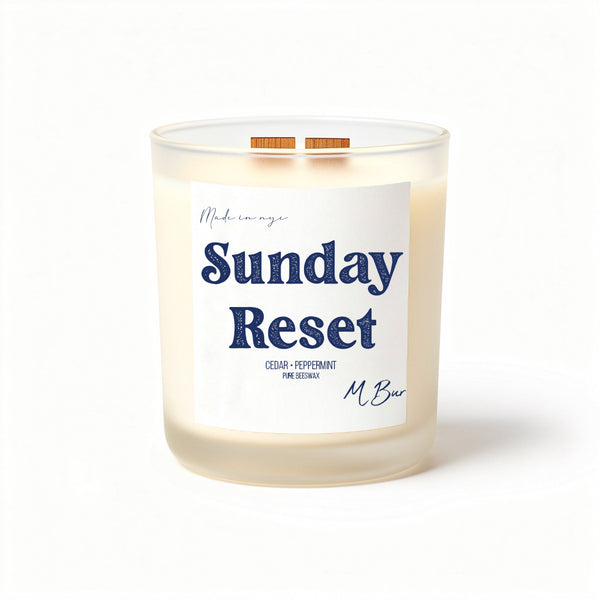
A candle like Sunday Reset, with its eucalyptus, clove, cedar, patchouli, and vanilla notes, is particularly good for this situation. The eucalyptus and peppermint open up a room fast, cutting through stale air, while the cedar and patchouli settle into something warm enough to match the cozy factor you wanted from the heater in the first place.
"Absolutely obsessed with M Bur Candle Co. They smell up a WHOLE room during the burn and even a while after blowing them out. I won't buy other candles anymore, they're just that good."
Paige, Wine Down customer
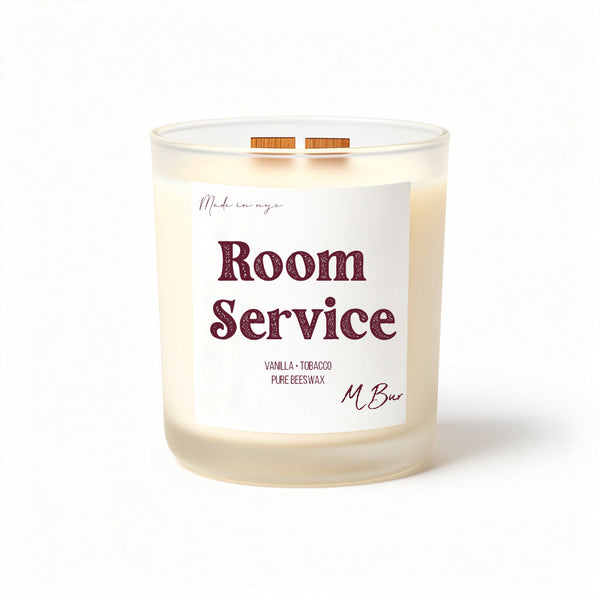
If eucalyptus is too herbal for your taste, Room Service is the bestseller for a reason. Saffron, white tea, orchid, and vanilla layered with tonka bean. It reads as warm and polished without any of the cloying sweetness that cheap candles rely on.
Both use phthalate free, non toxic fragrance oils, no chemical dyes, and 100% pure beeswax. The 20 hour size starts at $20, and the 80 hour size runs up to 80 hours of burn time, which is the longest you will get from any candle wax because beeswax has the highest melting point.

Frequently Asked Questions
Is the burning dust smell from my space heater dangerous?
A faint, dry, dusty smell that fades within an hour is normal and not dangerous. If the smell is sharp, chemical, or persists beyond a few hours, turn the heater off immediately and inspect it. Burning plastic or ozone smells indicate electrical problems that are genuine fire hazards.
How long should the burning dust smell last?
Typically 20 to 60 minutes on the first use of the season. It may take up to three heating cycles to fully clear. Anything beyond three hours of continuous operation means something other than dust is causing the odor.
Can I use a candle to cover the space heater smell?
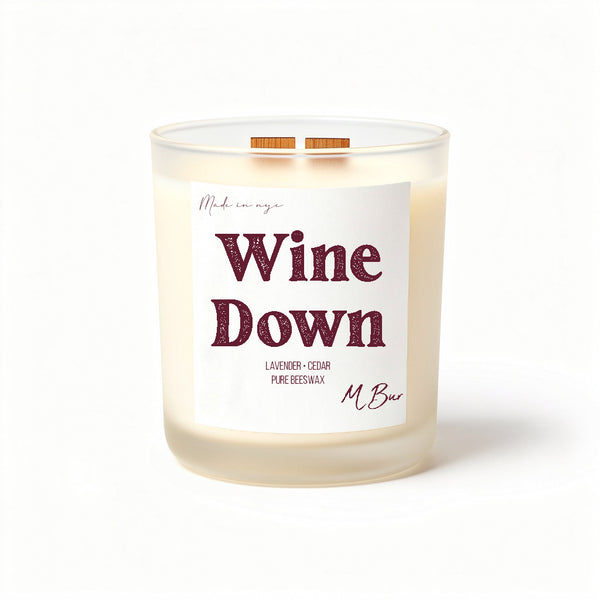
You can, but choose carefully. Paraffin candles release their own set of airborne compounds that can make indoor air quality worse. A pure beeswax candle burns cleanest. Browse MBur's beeswax candle collection for options that freshen a room without adding pollutants to it.
Should I clean my space heater before or after the smell appears?
Before. A quick vacuum of the intake vents and exterior before your first use of the season prevents the dust from reaching the heating element in the first place. Five minutes of maintenance saves you from an hour of that smell.
Does a dirty air filter make the burning smell worse?
Yes. A clogged filter restricts airflow, which forces internal components to work harder and run hotter. That extra heat incinerates dust more aggressively and can cause the smell to persist much longer than it should. Check and replace your filter before the heating season starts.
The Short Version
Burning dust smell from a space heater is normal the first time you use it each season, but it should not last more than an hour. Clean the unit before cold weather hits, know the difference between dust and a dangerous electrical smell, and once the air is clear, be intentional about what you put back into it.
A clean burning beeswax candle with a wooden wick and non toxic fragrance is the simplest way to reset a room after the heater has done its thing. Explore the full MBur collection and find the right scent for your space.
Related reading

