
How to Get Rid of Rotten Potato and Onion Smell
There is a sweet, foul, almost chemical smell in the kitchen and you cannot place it. Nine times out of ten it is a potato or an onion quietly liquefying in the back of the pantry. Find and bag the culprit, wipe the shelf with vinegar, and store the rest correctly, and the smell clears.
We make small-batch beeswax candles in Far Rockaway, so a room that truly smells clean is our whole focus, and that always starts at the source rather than the scent. Below is where the smell comes from, how to clear it step by step, and how to keep the space fresh afterward, with the full the MBur beeswax candle collection here as you read.

Why one bad potato takes over the room
A rotting potato gives off a musty, sulfur-heavy odor far stronger than its size suggests. It usually leaks a dark liquid that soaks into the shelf and spreads to whatever produce is touching it, speeding their rot too.
The smell absorbs into wood shelving and cardboard, so it lingers even after you find and remove the original culprit. The longer it sits, the more it spreads.
How to clear it out
- Find and bag the culprit. Check bins, paper bags, and the dark back corners, then seal the rotten item in a bag and take it straight outside. Dropping it in the kitchen trash just moves the smell.
- Wash the shelf. Wipe the shelf and nearby surfaces with hot soapy water, then a cloth dampened in white vinegar. Vinegar neutralizes odor soaked into wood or laminate rather than covering it.
- Check the neighbors. Inspect every potato and onion that was nearby and toss any that are soft, sprouting heavily, or leaking. One is rarely alone.
- Set out baking soda. Leave an open bowl of baking soda in the pantry for a day or two to pull residual smell out of the enclosed space.

Store them so it does not happen again
Keep potatoes and onions apart, since onions give off gases that make potatoes sprout and spoil faster. Store both somewhere cool, dark, and ventilated, in a basket or paper bag rather than sealed plastic, and up off the floor where air can move.
Check the stash every week or two and pull anything starting to turn. Buying only what you will use within a couple of weeks keeps it manageable. For how long different items keep, the FoodSafety.gov storage charts are a reliable reference.
Set the whole pantry up to last
The airflow that protects potatoes and onions keeps the rest of the pantry from turning musty. Keep the space cool and dry, give produce room to breathe instead of sealing it in plastic, and keep ethylene-producing fruit like apples and bananas away from vegetables they can over-ripen.
It also helps to know what your shelving is made of. Wood and cardboard soak up odor, so a shelf that has hosted a leak before may need a vinegar wipe and a full dry-out, or a fresh coat of sealant, before it stops smelling for good.

Freshen the whole room once the source is gone
With the rotting produce handled, the air itself is the last step. A clean candle is the finishing touch here, best lit once the space is already clean. From there it is the fastest way to make the room read fresh rather than merely neutral.
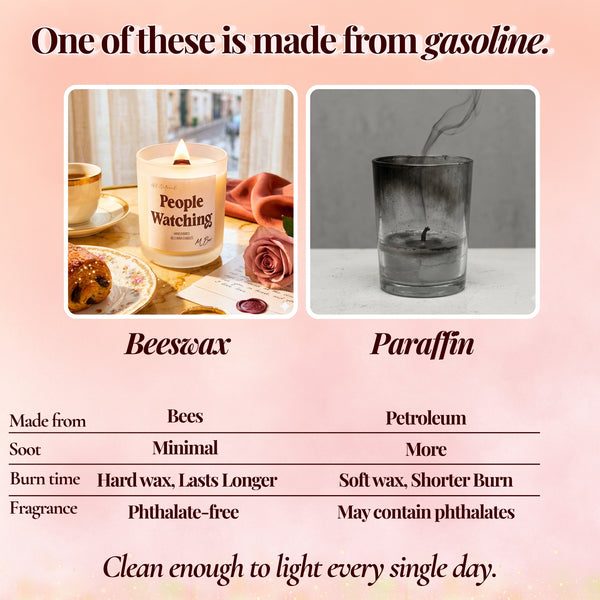
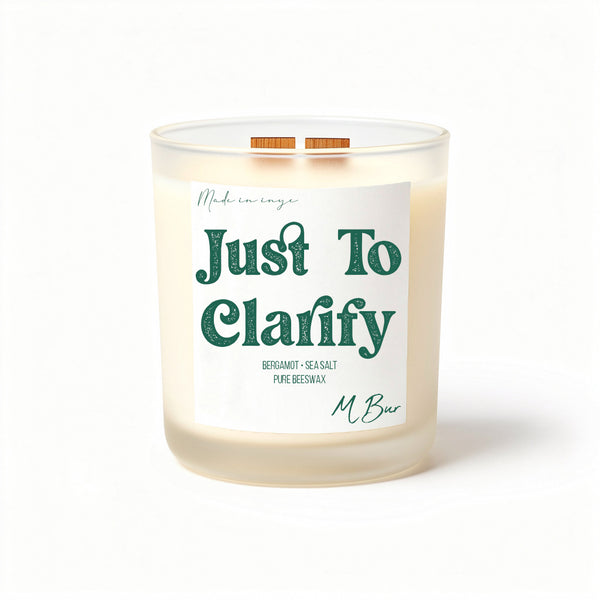
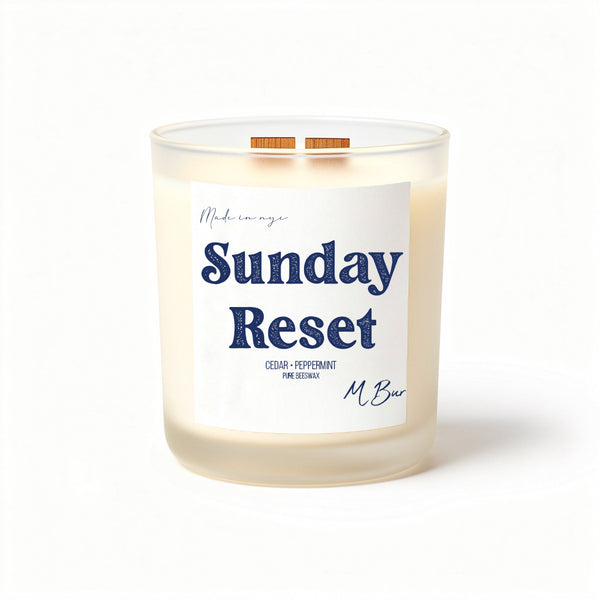
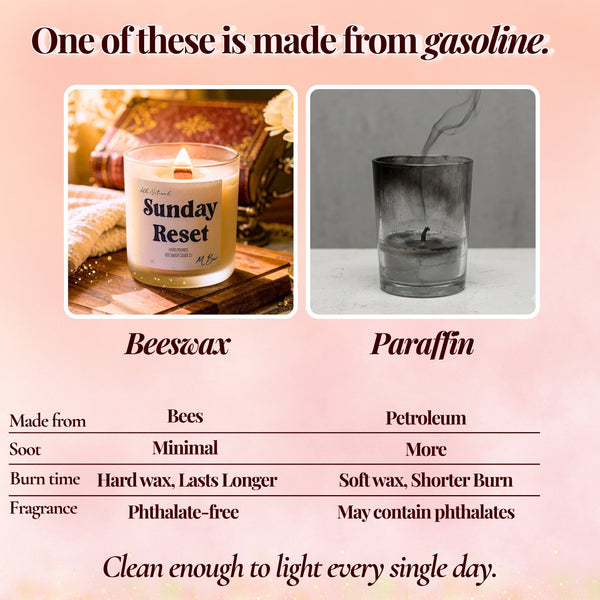
For your kitchen, Sunday Reset fits well. It is cool and clearing, with peppermint, eucalyptus, and grapefruit, and like every MBur candle it is poured from 100% beeswax with a wooden wick and phthalate-free non-toxic fragrance oils, so freshening the air never means adding soot on top.
Frequently asked questions
Why is the smell so strong for one vegetable?
Rotting potatoes release sulfur compounds the nose detects at very low levels, so even a single one reads as overwhelming in an enclosed pantry.
The smell stayed after I removed it. What now?
Wipe every surface it touched with vinegar and air the space out. Porous wood and cardboard hold the odor, so the shelf itself may need a second wipe.
Should I refrigerate potatoes to be safe?
Cold turns potato starch to sugar and changes the taste, so a cool, dark, ventilated spot outside the fridge is better.
Does a rotten onion mean the others are bad too?
Not always, but check them. Onions spoil from the inside and the root end first, so press each one gently and look for soft spots or a wet base. Any that feel spongy should go.
Can I compost a rotten potato?
Yes, in an outdoor compost pile rather than an indoor bin where it will spread the smell again. Bury it in the pile instead of leaving it on top, and it breaks down without drawing pests.
Ready to keep your space smelling clean once the source is handled? Explore the MBur beeswax candle collection and find the scent that fits the room.
Shop our candles