

How to Get Breast Milk Smell Out of Pump Parts and Bottles: A Mom's Guide
You washed your pump parts three times, and they still smell like sour milk. The valves, the flanges, the bottles, all of it carrying a faint funk that soap and hot water cannot seem to touch. You are not imagining it, and you are not doing anything wrong. Breast milk odor clings to plastic and silicone because of how milk interacts with those materials at a molecular level.
This guide covers why pump parts hold onto that smell, how to actually get rid of it, and how to keep the rest of your space from absorbing the scent while you are pumping around the clock. If you are also dealing with lingering milk smell in the rooms where you pump and store, we will get to that too, including why a clean burning beeswax candle like those in our full beeswax candle collection can be a surprisingly practical tool for new parents.
Why Pump Parts Hold Onto Breast Milk Smell
Two things are working against you: milk chemistry and material science.
Breast milk contains lipase, a natural enzyme that breaks down fat. In some women, lipase is especially active, and it continues working even after the milk is expressed. As it breaks fat molecules apart, it produces compounds that smell soapy, metallic, or faintly fishy. That smell transfers to every surface the milk touches.
Plastic and silicone are porous materials. Under a microscope, their surfaces are covered in tiny grooves and pits. Milk proteins and fats settle into those grooves, and standard dish soap often cannot reach deep enough to pull them out. Over time, with repeated use, the plastic develops micro scratches from brushes and dishwasher cycles. Each scratch becomes a new hiding spot for residue.

Bacteria love this environment. When milk residue sits in those tiny crevices, bacteria feed on it and produce their own odor compounds. The result is that stubborn, sour smell that survives multiple washes.
One more culprit: your first rinse. If you are running hot water over your pump parts right after pumping, you are actually cooking milk proteins onto the surface. Heat causes the proteins to denature and bond to plastic, the same way egg whites go from clear to white and stick to the pan. Cold water first. Always.
Step by Step: Getting the Smell Out
1. Cold Rinse Immediately After Pumping
Within a few minutes of finishing a session, rinse every part under cold running water. Not warm. Not hot. Cold. This loosens milk residue before proteins have a chance to bind to surfaces. If you cannot get to a sink right away, at minimum disassemble the parts so milk does not sit pooled in connectors and valves.
2. Wash in a Dedicated Basin
Do not wash pump parts directly in your kitchen sink. The CDC recommends using a dedicated wash basin because kitchen drains harbor bacteria, including Cronobacter sakazakii, which poses a real risk to infants. Fill a clean basin with hot water and a squirt of fragrance free dish soap. Use a dedicated bottle brush to scrub every surface, paying special attention to valve membranes, the small holes in connectors, and the interior threads of bottles.
3. The Vinegar Soak
This is the step most guides bury at the bottom, but it is the one that actually solves persistent odor. Mix equal parts white vinegar and water in your clean basin. Submerge all parts and let them soak for 15 to 30 minutes. Vinegar is mildly acidic, which breaks down the milk fat residue that soap leaves behind. After soaking, rinse thoroughly with clean water.
4. Baking Soda for Stubborn Cases
If the vinegar soak does not fully resolve the smell, make a paste of baking soda and water and gently scrub the inside of bottles and flanges. Baking soda is a mild abrasive and an odor neutralizer. Rinse completely afterward. You can also alternate: vinegar soak one day, baking soda scrub the next.
5. Sanitize When Needed
For healthy, full term babies, sanitizing is not strictly necessary after every use if you are washing thoroughly. But if odor persists or you want extra assurance, boiling parts for 5 minutes kills bacteria hiding in micro scratches. Check your pump manufacturer's instructions first, as some parts are not rated for boiling.

6. Air Dry Completely
This is where many parents unknowingly create the problem. Storing parts while they are still damp traps moisture inside crevices, which creates exactly the environment bacteria need to multiply and produce odor. Place parts on a clean drying rack or a fresh paper towel. Let them dry completely before reassembling or storing. Do not towel dry them. Dish towels carry their own bacteria.
7. Know When to Replace
If you have tried everything and the smell will not budge, inspect your parts closely. Cracked, cloudy, or discolored silicone and plastic have degraded past the point where cleaning can fully reach the embedded residue. Most lactation consultants recommend replacing valves and membranes every one to three months, and flanges and bottles every six months with regular use. Old parts are not just smelly. They are harder to keep safe.
The Soapy Smell Might Be Your Milk, Not Your Parts
Quick distinction worth making. If every batch of stored milk smells soapy or metallic, but your freshly expressed milk smells fine, the issue is likely high lipase activity rather than dirty equipment. Lipase continues breaking down fat after expression, and the smell intensifies during refrigerator or freezer storage.
High lipase milk is safe for your baby. Some babies do not mind the taste at all. Others refuse it. If your baby rejects high lipase milk, you can scald the milk (heat to about 180°F until tiny bubbles form at the edges, then cool quickly) before storing. Scalding deactivates the lipase enzyme. But that is a milk issue, not a parts issue, so make sure you are solving the right problem before replacing equipment you do not need to replace.
Keeping Your Pumping Space Smelling Fresh
Even with perfectly clean equipment, pumping multiple times a day means your bedroom, nursery, or living room can start to carry a faint milk smell. Milk droplets land on fabric. Storage bags sit on counters. The pump itself holds traces of moisture between sessions. Over time, the room absorbs it.
Opening a window helps when weather allows. Washing pump covers and nursing pillows weekly makes a difference. But many parents find that a background scent in the room goes a long way toward keeping things feeling fresh, especially during those middle of the night sessions when you need something pleasant to focus on.
This is where candle choice matters more than you might think. Most scented candles use toxic fragrance oils containing phthalates, and paraffin wax releases compounds like benzene and toluene when burned. In a nursery or bedroom where a baby sleeps, that is worth caring about.
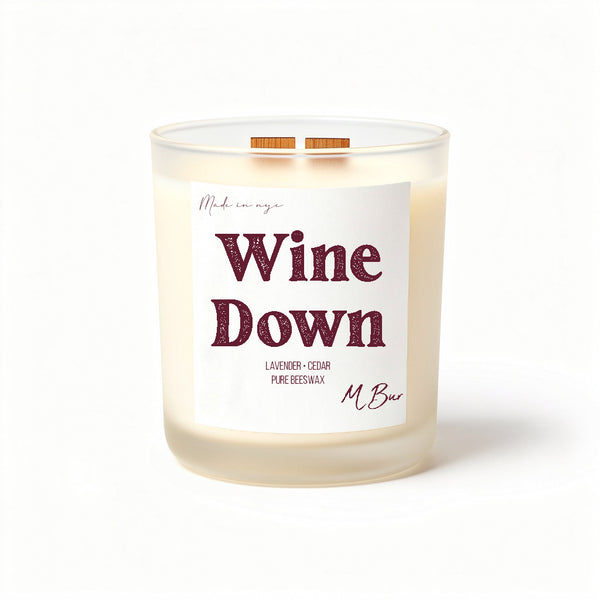
"I absolutely loved the Wine Down candle! The scent is so light and clean, not overpowering at all, which is exactly what I look for. A lot of other candles tend to give me headaches, but this one was a total game changer. I was able to enjoy the calming aroma without any discomfort." Nicole D.
Beeswax candles burn cleaner than paraffin or soy. No black soot on your walls, no petroleum byproducts in the air. The Wine Down candle, with its lavender, chamomile, sage, and rosemary notes, is a good fit for a pumping space because the scent is calming without being heavy. It fills a room gently rather than hitting you over the head, which matters when you are spending hours in that space every day.
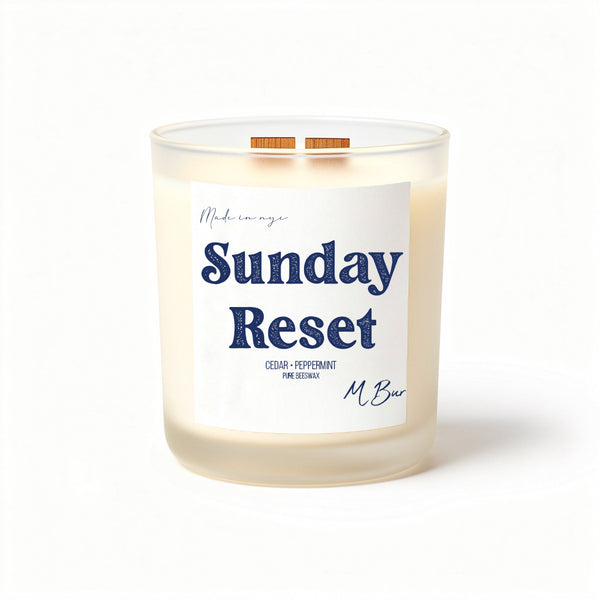
If your pumping station doubles as your workspace during the day, Sunday Reset leans more energizing, with eucalyptus, clove, and cedar. Both are made with phthalate free fragrance, wooden wicks, and 100% beeswax, so you are not introducing new irritants into a room where your baby spends time.
Prevention Checklist: Stopping Odor Before It Starts
Print this out and stick it near your pump station.
- Cold rinse within minutes of finishing. Do not let milk sit on parts.
- Dedicated wash basin only. Never the kitchen sink directly.
- Hot soapy water with a bottle brush. Scrub every crevice, every valve, every membrane.
- Vinegar soak once or twice a week to dissolve fat buildup soap misses.
- Complete air drying before storage. Damp parts grow bacteria. Every time.
- Inspect parts monthly. Cloudy, cracked, or discolored? Replace them.
- Rotate two sets of parts if your schedule allows, so one set dries fully while you use the other.

Frequently Asked Questions
Can I use bleach to remove the smell from pump parts?
A diluted bleach sanitizing solution (2 teaspoons of unscented bleach per gallon of water) can sanitize parts, and the FDA lists it as an acceptable method. However, bleach does not address the underlying fat residue causing the odor. Vinegar is more effective for smell specifically. If you sanitize with bleach, do not rinse afterward (the solution is food safe at that dilution), and still do a vinegar soak separately for odor.
Why does my pump smell fine right after washing but bad by morning?
Residual moisture. If parts are reassembled or stored in a bag while still slightly damp, bacteria begin multiplying in those moist crevices within hours. The smell you notice in the morning is bacterial activity overnight. Let parts dry completely on an open rack before putting them away.
Is the "fridge hack" safe, and does it cause odor?
The fridge hack (storing unwashed pump parts in a sealed bag in the refrigerator between sessions) is used by many parents to save time. It can contribute to odor buildup because milk residue sits on parts for hours. For healthy, full term babies, the risk is generally considered low, but the CDC does not officially endorse it. If your baby is premature or immunocompromised, wash parts after every single use.
Do beeswax candles actually help with room odors, or is that a myth?
Beeswax burns at a higher melting point than other waxes, which means it produces very little soot and does not add chemical smells to the room. Some evidence suggests beeswax releases negative ions that may help with air quality, though this is not conclusively proven. What is certain is that a beeswax candle with non toxic fragrance, like those in the MBur beeswax candle collection, will scent a room without introducing the phthalates or paraffin soot that conventional candles produce.
How often should I do a deep clean versus a regular wash?
Regular wash after every pumping session. A vinegar soak deep clean once or twice a week, or whenever you notice odor returning. If you pump four or more times daily, twice weekly deep cleans will keep things fresh.
The Short Version
Breast milk odor on pump parts comes from fat residue, bacterial growth in micro scratches, and moisture trapped during storage. Cold rinse first, hot soapy wash second, vinegar soak weekly, and complete air drying every time. Replace worn parts before they become impossible to clean. And if the room itself is absorbing the smell, a clean burning beeswax candle is one of the simplest upgrades you can make, especially when you are spending hours in that space with a baby nearby.
Browse the full MBur beeswax candle collection to find a scent that fits your space. Every candle is 100% beeswax, wooden wick, phthalate free, and handmade in Queens, New York. The 20 hour size starts at $20, so you can try one without committing to a stockpile.
Related reading

