

How to Freshen a Nursery That Smells Stale: A Parent's Guide to a Fresh, Comfortable Space
You walked into the nursery this morning and something smelled off. Stale, vaguely sour, maybe a little damp. The diaper pail was empty. The sheets were clean. The windows have been closed for a week because it has been raining, and the room just... settled into a funk.
Stale nursery air is one of those problems that sneaks up on new parents because the room looks clean. The smell is not coming from one obvious source. It is the slow accumulation of humidity, still air, and tiny biological messes you cannot see. And the instinct to grab an air freshener or light a random candle can actually make things worse in a baby's room, because infants breathe two to four times more air per pound of body weight than adults do.
This guide covers why nurseries go stale, how to fix it at the source, and how to keep the air genuinely fresh (not just masked) without introducing anything that could irritate your baby's lungs. If you are also curious about whether a candle can play a role safely, we will get there. MBur's full beeswax candle collection is worth browsing once you understand what to look for.
Why Does a Nursery Smell Stale in the First Place?
A stale nursery usually comes down to three overlapping causes, and most parents are only addressing one of them.
1. Humidity That Creeps Above 50%
The ideal humidity range for a nursery is 35% to 50%. Above that, moisture clings to soft surfaces like crib mattresses, curtains, and carpet fibers. That dampness becomes a breeding ground for mold and bacteria, both of which produce microbial volatile organic compounds (mVOCs) that your nose registers as musty or stale.
You do not need visible mold for this to happen. Microscopic colonies behind furniture or inside wall cavities produce enough mVOCs to change the smell of the whole room. Research has linked early childhood mold exposure to a significant increase in chronic asthma risk, so this is worth taking seriously beyond just the odor.
2. Stagnant Air
Nurseries tend to stay closed. Parents keep the door shut for naps, the windows sealed for temperature control, and the room becomes an airtight box. Without airflow, odors from diapers, spit up residue, and even the off gassing of new furniture and paint have nowhere to go. They just layer on top of each other.
3. Invisible Residue Buildup
Milk dribbles on the crib rail. A wet onesie sits in the hamper for two days. Formula splashes on the side of the changing table that nobody wipes because it is not the top surface. These tiny organic deposits decompose slowly and contribute a background sourness that no amount of Febreze will actually eliminate.

What Not to Do (and Why Most "Fixes" Make It Worse)
The biggest mistake parents make is masking instead of removing. Plug in air fresheners, aerosol sprays, and cheap scented candles add volatile organic compounds to the air. They layer a chemical perfume over the stale smell, which means your baby is now breathing both the original problem and a cocktail of new irritants.
Many products labeled "natural" or "unscented" still contain hidden fragrance chemicals and phthalates, which are endocrine disruptors. The word "fragrance" on an ingredient list is a catch all that can represent hundreds of undisclosed compounds. When a product does not list every ingredient individually, that is a red flag.
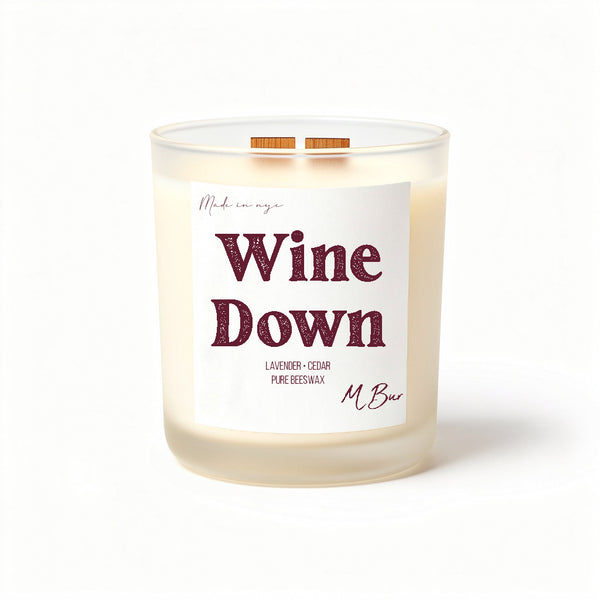
Essential oil diffusers are another popular choice that requires caution. Pediatricians generally advise against diffusing essential oils around babies under six months old, and even after that, some oils (peppermint, eucalyptus) can be too potent for developing respiratory systems. Always check with your pediatrician before introducing any essential oil into a nursery.
The Actual Fix: A Step by Step Nursery Freshening Routine
Genuinely fresh air in a nursery comes from source removal first, ventilation second, and pleasant scent last. In that order.
Step 1: Find and Remove the Source
Diaper pail: Empty it daily. Not every other day. Daily. Wipe the interior weekly with a diluted vinegar solution or a plant based enzyme cleaner. The enzymes break down the organic matter causing the smell instead of covering it.
Soft surfaces: Wash crib sheets and sleep sacks weekly in hot water with fragrance free detergent. Skip the fabric softener and dryer sheets entirely. They leave chemical residues on fabric that can trap odors over time.
Hidden spots: Wipe the sides and underside of the changing table, the crib rails, and the baseboards. Run your hand along surfaces you do not normally look at. If it feels tacky or filmy, that is buildup contributing to the smell.
Deep clean monthly: Pull the crib away from the wall. Vacuum behind furniture with a HEPA filter vacuum. Check for any signs of moisture or discoloration on walls, which could indicate mold growth that needs professional attention.
Step 2: Get the Air Moving
Open windows for at least 15 to 20 minutes daily when outdoor air quality allows it. Cross ventilation (opening windows on opposite sides of the room, or a window and the door) moves stale air out dramatically faster than cracking one window.
If opening windows is not practical, a ceiling fan or a small standing fan on low creates enough circulation to prevent that stagnant pocket effect. An ozone free air purifier with both a HEPA filter and an activated carbon filter handles particles and odors simultaneously. The EPA's childcare resources emphasize that air cleaning devices work best as a supplement to ventilation, not a replacement for it.

Step 3: Control the Humidity
Pick up a hygrometer. They cost about ten dollars and tell you exactly where your humidity sits. If it is consistently above 50%, a small dehumidifier in the nursery will make a noticeable difference within a day or two.
In dry climates or winter months, humidity can drop too low and cause its own problems (dry skin, irritated nasal passages). The sweet spot is 35% to 50%. A hygrometer takes the guessing out of it.
Step 4: Use Natural Odor Absorbers
Baking soda is genuinely effective and completely safe. Sprinkle it on carpets and rugs, let it sit for 15 to 30 minutes, then vacuum it up. Place an open container of baking soda inside the closet or near the diaper station (out of baby's reach) to absorb ambient odors passively.
Activated charcoal bags work on the same absorption principle. Tuck one behind the diaper pail and one near the crib area. They are fragrance free, last for months, and can be recharged in sunlight.
Step 5: Add Pleasant Scent the Right Way
Once you have addressed the source and the airflow, you might still want the nursery to smell like something pleasant rather than like nothing at all. This is where most parents go wrong, because the products marketed for this job are often the worst choices for a baby's room.
If you want to use a candle, the wax matters more than the scent. Paraffin candles (which account for the majority of mass market candles) are made from petroleum byproducts and release compounds like benzene, toluene, and formaldehyde when burned. That black soot on the jar rim? It is also on your walls and in the air your baby breathes.
Beeswax burns cleaner than any other candle wax. It produces virtually no soot, has the longest burn time due to its high melting point, and does not require chemical processing. The key is pairing clean wax with a non toxic, phthalate free fragrance, because even a clean wax is undermined by a toxic fragrance oil.
"I absolutely love these candles! I instantly notice the difference in the air quality, in comparison to the Bath & Body scented candles. I love Bath & Body's candles but I acknowledge that it caused a slight headache and other minor respiratory discomfort. Awesome products. Totally addicted." Jason H.
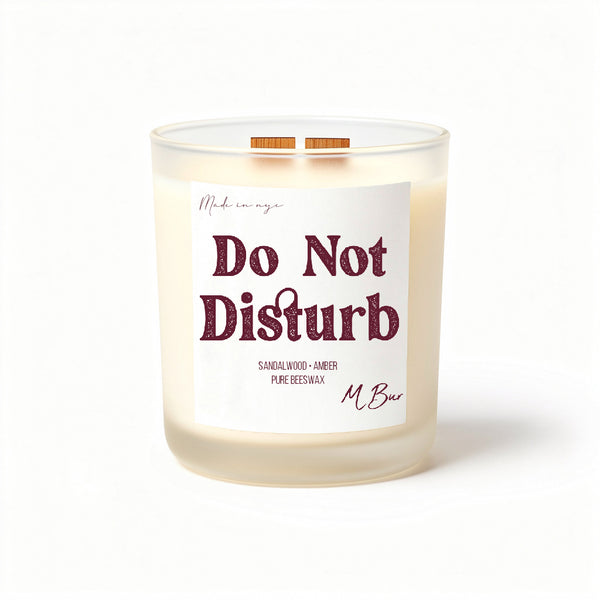
A candle like Do Not Disturb, with its bergamot and pear notes, works well in a nursery setting because the scent is soft rather than heavy. It fills a room without overwhelming it. Burn it during the day when the baby is in another room and the window is cracked, then extinguish it before nap time or bedtime. The beeswax and wooden wick combination means minimal particulate matter in the air compared to a paraffin candle with a cotton wick.
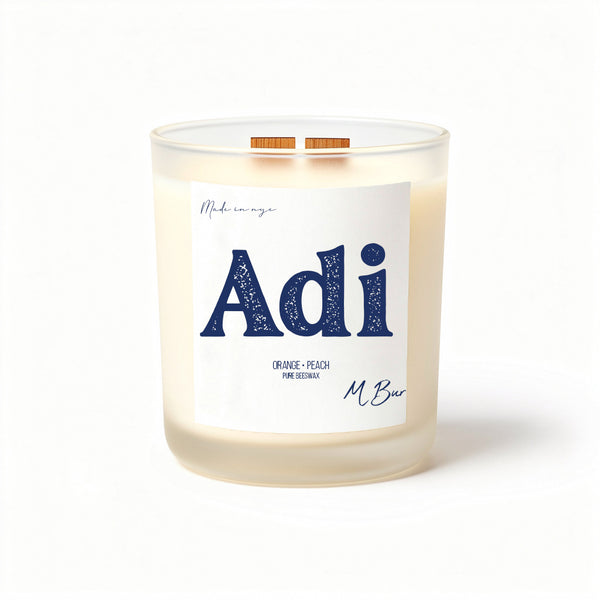
For parents who prefer something brighter, Adi leans citrus forward with lemon, orange, grapefruit, mandarin, tangerine, lime, peach, and agave. Citrus scents tend to cut through staleness effectively without lingering too heavily.
The practical rule: burn any candle in the nursery only when the baby is out of the room, keep the door open or a window cracked, trim the wick before each use, and never exceed four hours of continuous burn time.

The Weekly Nursery Freshness Checklist
Print this out or screenshot it. Consistency matters more than intensity when it comes to keeping a nursery smelling clean.
Daily:
- Empty the diaper pail
- Open a window for 15 to 20 minutes (weather permitting)
- Wipe the changing table top surface
Weekly:
- Wash crib sheets and sleep sacks in hot water, fragrance free detergent
- Vacuum with a HEPA filter vacuum, including under the crib
- Wipe down crib rails, changing table sides, and baseboards
- Clean the diaper pail interior with diluted vinegar or enzyme cleaner
- Check the hygrometer and adjust dehumidifier if needed
Monthly:
- Pull furniture away from walls and vacuum behind it
- Inspect walls and corners for moisture or discoloration
- Replace or recharge activated charcoal bags
- Wash curtains or blinds
- Deep clean the crib mattress
Frequently Asked Questions
Why does my baby's nursery smell musty even though it looks clean?
Musty smells usually point to humidity above 50% or poor airflow rather than visible dirt. Mold and bacteria can grow behind furniture, under carpet padding, or inside wall cavities without any visible signs. A hygrometer will tell you if humidity is the culprit, and pulling furniture away from the wall during your monthly clean helps you catch hidden moisture problems early.
Can I burn a candle in my baby's room safely?
You can, with conditions. Burn it only when the baby is out of the room, keep the space ventilated, and choose a candle made from clean wax (beeswax is the cleanest burning option) with a non toxic, phthalate free fragrance. Avoid paraffin candles entirely. MBur's beeswax candle collection checks every box: 100% beeswax, wooden wicks, no chemical dyes, and phthalate free fragrance oils.
How long do beeswax candles actually burn?
Beeswax has the highest melting point of any candle wax, which means it burns significantly slower. MBur's largest size offers up to 80 hours of burn time. Even the 20 hour size (starting at $20) lasts longer per session than most soy or paraffin candles of comparable size because the wax liquefies more slowly.
Are essential oil diffusers safe for a nursery?
Pediatricians generally recommend avoiding essential oil diffusers around babies under six months old. After that, some oils may be used sparingly with good ventilation, but always consult your pediatrician first. Certain oils like peppermint and eucalyptus can be too intense for developing lungs regardless of age.
What cleaning products should I avoid in the nursery?
Skip anything with "fragrance" listed as a catch all ingredient, bleach, quaternary ammonium compounds ("quats"), aerosol sprays, and fabric softeners. Stick to plant based, fragrance free cleaners or simple solutions like diluted white vinegar. The CDC's childcare cleaning guidelines are a solid reference for what is considered safe.
The Bottom Line
A stale nursery is almost always a ventilation and humidity problem, not a "needs more fragrance" problem. Fix the source first: manage moisture, move the air, clean the hidden spots. Once the room is genuinely clean, a carefully chosen candle can add warmth and comfort without compromising your baby's air quality.
If you are ready to swap out whatever paraffin candle is currently sitting on the nursery dresser, browse MBur's full beeswax candle collection. Every candle is 100% beeswax, wooden wick, phthalate free fragrance, no chemical dyes, handmade in Queens, New York. The 20 hour size starts at $20, so you can test a scent without a big commitment.
"I love the scent of this candle. It is lovely not overpowering. It's soothing fragrance more than covers my bedroom and bathroom. It is aromatherapy at its best." Dawne Forrest, on Do Not Disturb
Related reading

