

Are Wax Melts Safe Around Babies? What Parents Should Know
Wax melts seem like the obvious baby safe alternative to candles. No open flame, no hot wick, no risk of a toddler pulling a jar off a shelf. But a growing body of research suggests the air quality problem with scented products has almost nothing to do with the flame and everything to do with what is in the wax.
A study published in early 2025 found that scented wax melts release terpenes that react with indoor ozone to form airborne nanoparticles at levels comparable to burning candles. Those particles are between 1 and 100 nanometers wide, small enough to cross into the bloodstream. For an infant with developing lungs and a breathing rate roughly twice that of an adult, the exposure per pound of body weight is significant.
If you are a parent who loves a good smelling home but keeps second guessing every product you bring near the nursery, this post breaks down the actual risks, the ingredients to watch for, and the practical steps that let you keep scent in your life without compromising your baby's air.

Why "Flame Free" Does Not Mean "Clean Air"
The biggest misconception about wax melts is that removing the flame removes the problem. Fire does produce soot and combustion byproducts, so that logic feels reasonable. But the compounds that irritate airways, trigger headaches, and worry pediatricians are released by heat, not fire specifically.
When a wax melt warms up on an electric plate, the fragrance molecules become volatile and enter the air. Some of those molecules, particularly monoterpenes found in many fragrance blends, react with the ozone already present in your home to form secondary organic aerosols. These are the nanoparticles the 2025 research flagged. They are invisible, odorless, and small enough to penetrate deep into lung tissue.
An adult might tolerate this with minimal symptoms. A baby cannot filter or process airborne irritants the same way. Their airways are narrower, their immune systems are still calibrating, and they spend more hours per day in the same room breathing the same air.
The Ingredients That Actually Cause Problems
The risk is not "wax melts" as a category. The risk comes down to specific ingredients that most mass market wax melts share. Understanding which ones matter gives you the power to make informed choices instead of giving up scent entirely.
Paraffin Wax
Paraffin is a petroleum byproduct. When heated, it can release benzene, toluene, and formaldehyde. These are volatile organic compounds (VOCs) that the EPA classifies as indoor air pollutants. Most drugstore and big box wax melts use paraffin because it is cheap and holds fragrance well. The tradeoff is that your baby is breathing petroleum emissions in a closed room.
Toxic Fragrance Oils
The word "fragrance" on a label is a legal catch all that can represent hundreds of undisclosed chemical compounds. Many conventional fragrance oils contain phthalates, which are endocrine disruptors, and parabens, which have been linked to hormonal interference. When a product says "fragrance" and nothing else, you have no way of knowing what your baby is inhaling.
Chemical Dyes
Those bright pink and turquoise wax melts get their color from chemical dyes that release additional compounds when heated. The dyes themselves are not the primary concern, but they add to the total chemical load in the air, which compounds the issue in a small nursery or bedroom.
Essential Oils (Yes, Even These)
This one surprises parents who have been told essential oils are the "natural" alternative. While essential oils are plant derived, many are too potent for infants. Eucalyptus and peppermint oils contain compounds like 1,8 cineole that can cause respiratory distress in babies under two. And as the research shows, even natural terpenes react with ozone to form nanoparticles. "Natural" does not automatically mean "safe for a newborn."

A Quick Comparison: Wax Melts vs. Candles by Ingredient
| Factor | Paraffin Wax Melts | Soy Wax Melts | Beeswax Candles (wooden wick) |
|---|---|---|---|
| Wax source | Petroleum byproduct | Soybean oil (often blended with paraffin) | Byproduct of honey production |
| VOC emissions when heated | Higher (benzene, toluene, formaldehyde) | Lower, but fragrance oils still release VOCs | Lowest of any candle wax |
| Soot production | Significant black soot | Minimal | Virtually none |
| Fragrance transparency | Rarely disclosed | — | — |
| Flame risk | None (electric warmer) or tealight flame | None (electric warmer) or tealight flame | Open flame (requires safe placement) |
| Nanoparticle formation | Yes, from fragrance and ozone reaction | Yes, from fragrance and ozone reaction | Reduced with non toxic fragrance; beeswax itself burns cleanly |
| Air purification | None | None | Some studies suggest beeswax produces negative ions that may help |
The takeaway from this table is that the wax type matters, but the fragrance is the variable that determines the most about your indoor air quality. A soy wax melt loaded with toxic fragrance oils is not meaningfully safer for your baby than a paraffin one.
What Actually Makes a Scented Product Safer for Babies
Rather than eliminating scent from your home forever (a depressing prospect for anyone who finds comfort in a good smelling space), focus on these specific factors.
1. Choose a Single Ingredient Wax
"Soy blend" often means soy mixed with paraffin. "Beeswax blend" can mean the same thing. Look for products that use 100% of one wax, with no fillers. Beeswax has the cleanest burn profile of any candle wax and the highest melting point, which means it burns slower and releases fewer compounds into the air at any given moment.
2. Demand Fragrance Transparency
If a brand will not tell you exactly what is in their fragrance, that is your answer. Look for phthalate free, non toxic fragrance oils with full ingredient disclosure. Avoid anything that just says "fragrance" or "parfum" on the label.
3. Skip the Dyes
A candle does not need to be teal to smell good. Chemical dyes add zero value and measurable risk. Beeswax is naturally golden, which is a good visual indicator that nothing artificial was added.
4. Prioritize Ventilation Over Avoidance
You do not need a hermetically sealed, scent free nursery. You need airflow. Crack a window. Run an air purifier. And keep your scented products in common areas rather than the room where your baby sleeps.
5. Watch the Wick
If you are choosing candles over wax melts (which, given the nanoparticle research, is a reasonable call), avoid metal core wicks. They can contain zinc or, in older products, lead. Wooden wicks and cotton wicks are both cleaner options. Wooden wicks have the added benefit of an even, low temperature burn that produces less soot.
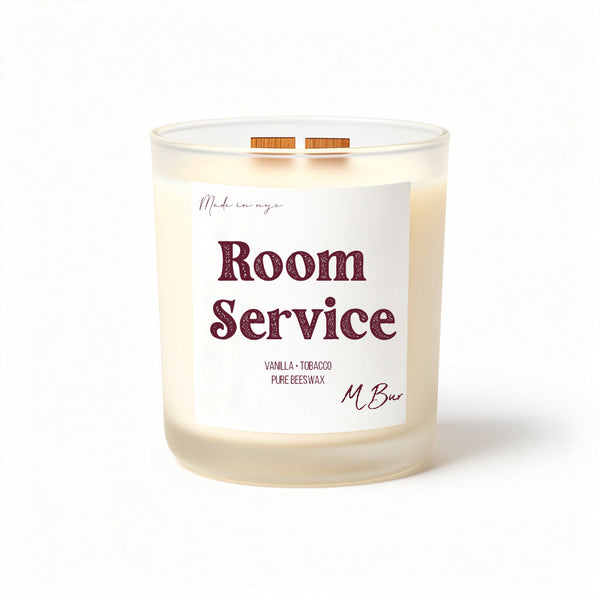
MBur's full beeswax candle collection checks every item on that list: 100% beeswax (single ingredient, no blends), wooden wicks, phthalate free fragrance, no chemical dyes, handmade in Queens, New York.
"I absolutely love these candles! I instantly notice the difference in the air quality, in comparison to the Bath & Body scented candles. I love Bath & Body's candles but I acknowledge that it caused a slight headache and other minor respiratory discomfort. Awesome products. Totally addicted." Jason H.

Practical Safety Rules for Using Any Scented Product Around a Baby
Even with the cleanest candle on the market, placement and habits matter. These guidelines apply whether you use candles, wax melts, or room sprays.
Keep the nursery fragrance free. Use scented products in the living room, kitchen, or bathroom. Your baby's sleep space should have the cleanest air in the house.
Limit burn sessions to 3 to 4 hours. This prevents fragrance buildup in the air and keeps wax temperatures stable. With a beeswax candle, this also helps the wax pool evenly, which extends the life of the candle.
Fragrance the room before baby arrives, not during. If you want the nursery to smell pleasant for a visitor or just for your own sanity, light a candle in the room 30 minutes before bringing the baby in, then extinguish it and let the air circulate.
Trim your wick before every burn. For wooden wicks, trim to about 3/16 of an inch. A trimmed wick burns cleaner and produces a smaller, more controlled flame. An untrimmed wick of any material creates more soot.
Place candles and warmers on stable, elevated surfaces. This sounds obvious, but a crawling baby can reach a side table faster than you think. High mantels, wall mounted shelves, and areas behind baby gates are your friends.
Never leave a candle or warmer unattended. If you leave the room, the candle goes out or the warmer gets unplugged. Period.
Why Beeswax Is the Best Wax for Homes With Babies
Every wax has a different chemical profile when heated. Paraffin is derived from petroleum. Soy is processed with solvents and frequently blended with paraffin to improve scent throw. Coconut wax is clean but soft and often needs additives to hold its shape.
Beeswax is the oldest candle material humans have used, dating back roughly 5,000 years. It is a natural byproduct of honey production, requiring no chemical processing. It has the highest melting point of any candle wax, which is why it burns the longest and releases compounds more slowly into the air. Some studies suggest that burning beeswax produces negative ions that may bind with airborne pollutants, though this should not be overstated as a medical claim.
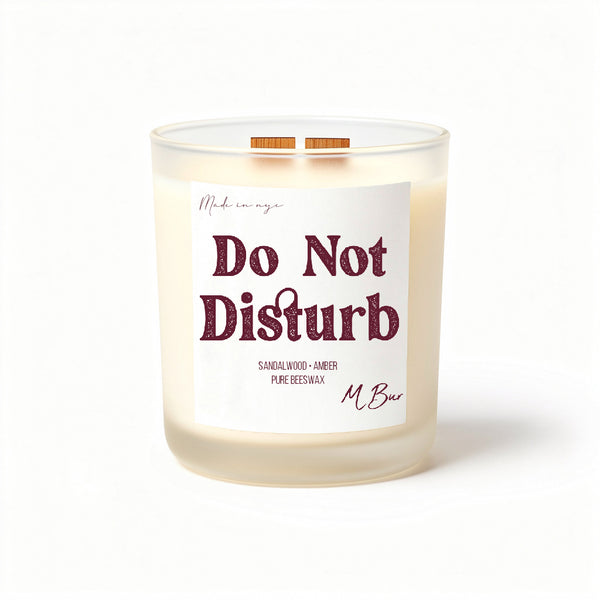
For a parent looking for the least irritating option, beeswax paired with a non toxic, phthalate free fragrance is as clean as scented products get. The Do Not Disturb candle, with its bergamot and pear notes, is a particularly good fit for a calming evening routine in the living room while baby sleeps down the hall. And the Wine Down candle, with lavender, chamomile, sage, rosemary, camphor, cedar, and sandalwood, is the kind of end of day scent that helps you decompress after a long stretch of parenting.
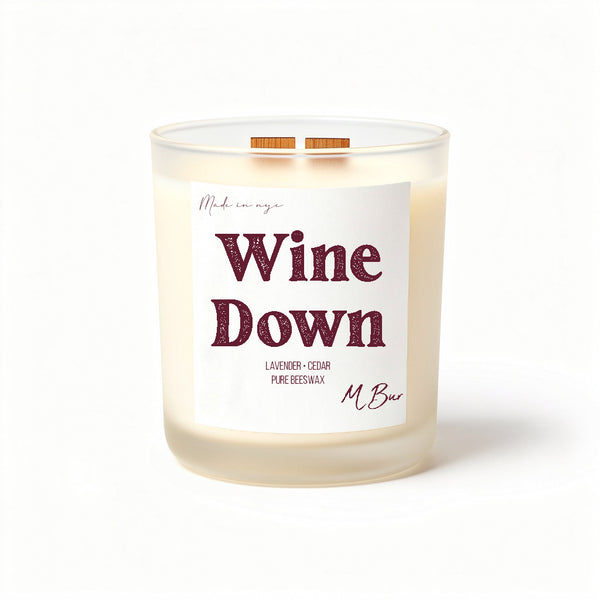
"Absolutely loved the Wine Down candle! The scent is so light and clean, not overpowering at all, which is exactly what I look for. A lot of other candles tend to give me headaches, but this one was a total game changer. I was able to enjoy the calming aroma without any discomfort." Nicole D.
Frequently Asked Questions
Are wax melts actually safer than candles for babies?
They eliminate the fire hazard, but recent research shows they release nanoparticles and VOCs at levels comparable to candles. The safety of any scented product depends on the wax type, fragrance quality, and ventilation, not whether there is a flame. If you want the cleanest burn, a 100% beeswax candle with a wooden wick and phthalate free fragrance, like the ones in MBur's beeswax collection, produces fewer airborne irritants than most wax melts on the market.
Can I use wax melts in my baby's nursery?
Most pediatric guidance recommends keeping nurseries and sleep spaces completely fragrance free. Use scented products in common areas with good airflow, and let the nursery be a clean air zone. If you want ambient scent near bedtime, light a candle like Do Not Disturb in the living room and let the scent drift naturally.
Are essential oils safe to diffuse around a newborn?
Many essential oils are too concentrated for infants. Eucalyptus, peppermint, and tea tree oils contain compounds that can cause respiratory distress in babies under two. Even diffused at low concentrations, they react with indoor ozone to form nanoparticles. Non toxic fragrance oils specifically formulated to be phthalate free are generally a better choice than raw essential oils for homes with infants. Always consult your pediatrician if you have concerns about a specific ingredient.
How long do beeswax candles actually burn?
Beeswax has the highest melting point of any candle wax, which gives it the longest burn time. MBur's largest size burns for approximately 80 hours. The 20 hour size starts at $20, making it an accessible entry point if you want to test whether beeswax works for your home before committing to a larger size. Browse all available sizes here.
What should I look for on a candle label to know it is baby safe?
Look for five things: 100% single ingredient wax (not a blend), phthalate free fragrance with disclosed ingredients, no chemical dyes, a cotton or wooden wick (no metal cores), and a brand that is transparent about what goes into the product. If any of those details are missing from the label, that is a red flag.
The Bottom Line
Wax melts are not the safe default that marketing has made them out to be. The 2025 nanoparticle research makes that clear. But the answer is not to live in a scent free home for the next several years. The answer is to choose products made with ingredients that produce the fewest airborne irritants, use them in ventilated spaces away from where your baby sleeps, and follow basic safety practices every time.
If you are ready to switch to a cleaner option, MBur's beeswax candle collection is built for exactly this. Pure beeswax, wooden wicks, phthalate free fragrance, no dyes, handmade in Queens. Over 50 five star reviews from customers who noticed the air quality difference immediately.
Related Reading

