

How to Describe a Candle's Scent (Like You Actually Mean It)
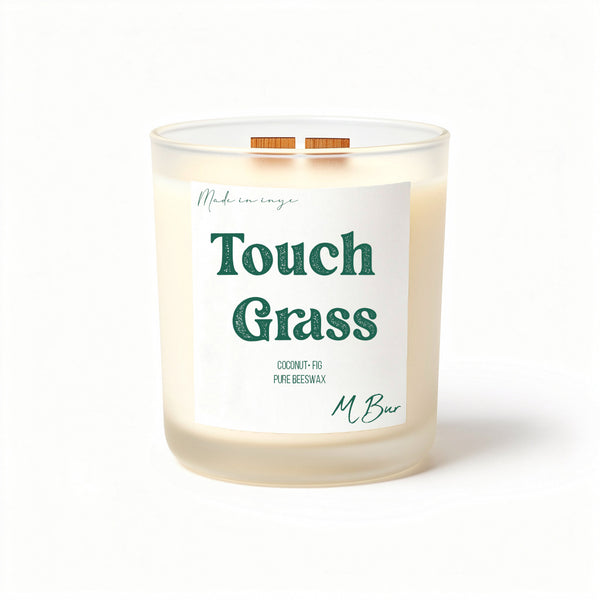
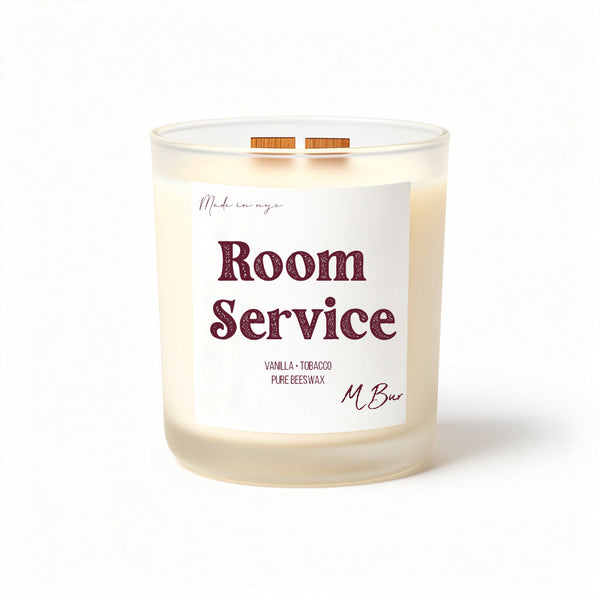
Most of us know instantly whether we like a scent and then fumble completely when asked to say why. Describing a smell is genuinely hard, because we have so few words for it compared to what we can see or hear. But a small vocabulary goes a long way, and being able to articulate a scent helps you choose candles, give better gifts, and explain what you want. Here is a simple framework for putting words to what your nose already knows. We make 100% beeswax candles, and the full collection is here as you read.
Start with the notes
The most concrete way in is to name the individual smells you can pick out, the notes. Is there citrus in there, a flower, a wood, a spice, something sweet like vanilla? You do not need to catch every one. Naming even two or three notes turns a vague impression into something specific. Saying a candle smells like lemon and cedar is far more useful than saying it smells nice, both to you and to anyone you are telling.
Name the family and the mood
Once you have a note or two, zoom out to the family and the feeling. Is it fresh and bright, warm and cozy, green and outdoorsy, sweet and edible? Then add the mood it puts you in, since scent and emotion are tightly linked. A scent might feel calming, energizing, comforting, or clean. Pairing a family with a mood, like a fresh scent that feels energizing, captures a fragrance better than either word alone.
Describe the intensity and throw
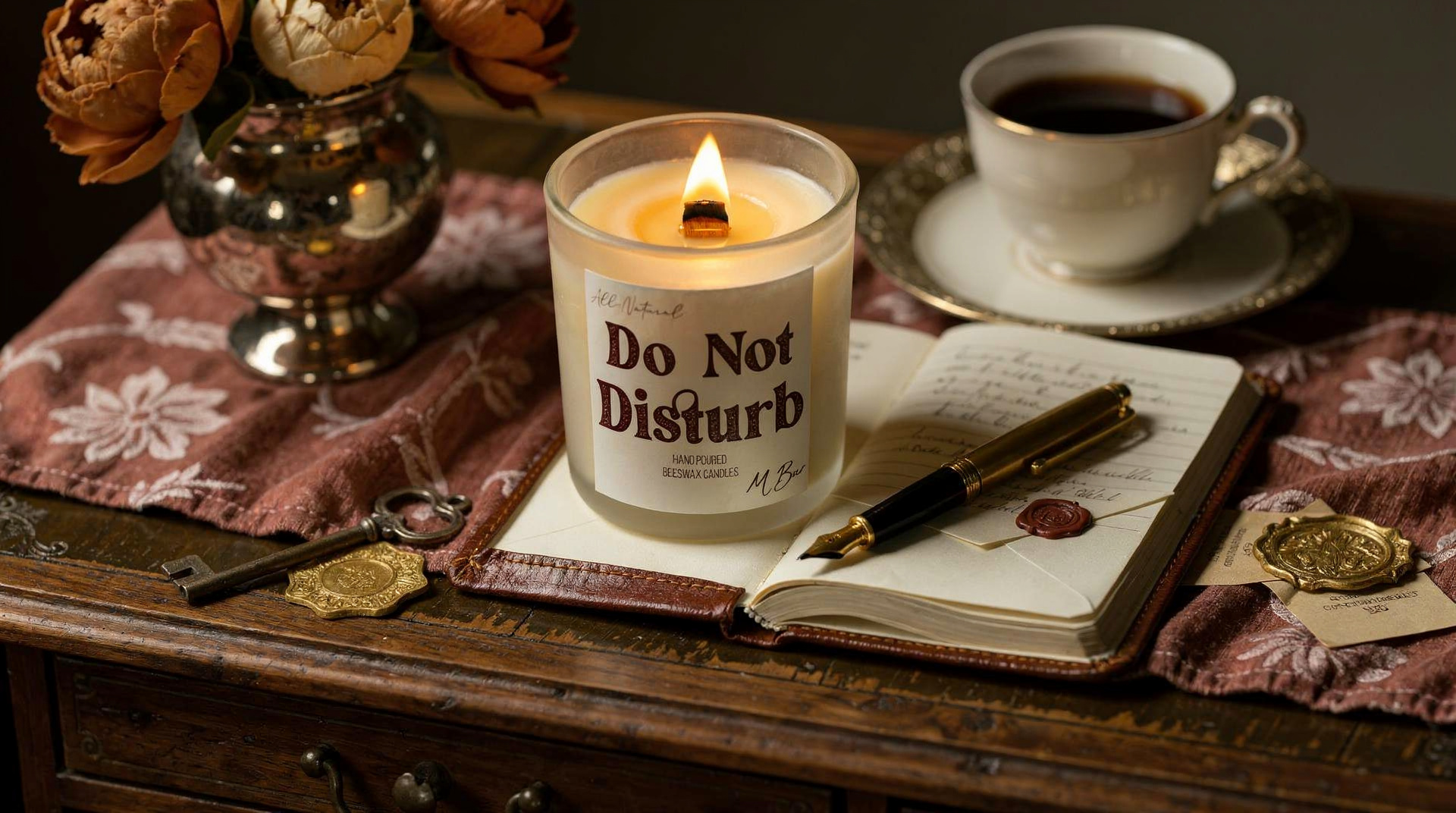
How strong a scent is, and how far it travels, is its own useful dimension. Some candles are soft and intimate, noticeable only nearby, while others fill a whole room. In candle terms, how far a scent reaches is called the throw. Describing a candle as light and close, or strong and room filling, tells someone as much as the notes do, because intensity is often what makes or breaks a candle for a given person.
Put it together
A good scent description usually combines these layers: a couple of notes, the family, the mood, and the intensity. Something like a light, fresh candle with lemon and green notes that feels clean and energizing tells a complete story in one sentence. You are not writing perfume copy, you are just stacking a few simple observations. The more you practice naming what you smell, the sharper your nose gets at picking it apart.
| Ask yourself | Example words |
|---|---|
| What notes do I smell? | Lemon, lavender, cedar, vanilla |
| What family is it? | Fresh, floral, woody, gourmand |
| What mood is it? | Calming, energizing, cozy, clean |
| How strong is it? | Soft and close, or room filling |
Notice how naturally a good description comes once you have the words:
A worked example, start to finish
It helps to walk through one. Imagine you light a candle and want to describe it. First you sniff and pick out notes: you catch lemon and orange right away, and something soft and warm underneath, maybe vanilla. That gives you your notes. Next the family: bright citrus up top with a sweet base puts it between fresh and gourmand. Then the mood: it feels cheerful and comforting at once, the kind of scent that lifts a room without being sharp. Finally the intensity: it is noticeable across the room but not overwhelming, a medium throw. Put it together and you have a cheerful citrus and vanilla candle, fresh on top and sweet underneath, that fills a room comfortably without taking it over. That single sentence would tell anyone exactly what they are getting, and you built it from four simple questions.
Why it is worth getting good at this
Putting words to scent is a skill that pays off in small ways all the time. It helps you shop online, where you cannot smell anything and have only the description to go on, so reading and writing scent language well means fewer disappointing orders. It helps when you are buying for someone else, since you can think clearly about what suits them instead of guessing. And it simply deepens the pleasure of candles, the way learning a little about wine or coffee makes each cup more interesting. The more precisely you can name what you smell, the more you notice, and the more you notice, the more you enjoy. None of it requires a trained nose or fancy vocabulary, just the habit of pausing to ask what is actually in the air and saying it in plain words.
Common questions
How do you describe a scent in words?
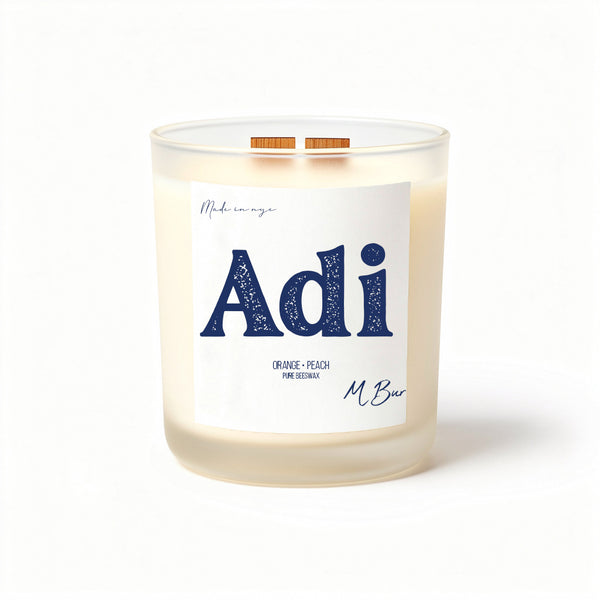
Start by naming a few notes you can pick out, like citrus or wood, then add the family it belongs to, the mood it gives you, and how strong it is. Stacking those simple observations turns a vague impression into a clear description. The collection lists notes for each scent, which is good practice for naming them.
What words describe a good candle smell?
Useful ones include the notes themselves, family words like fresh, woody, or gourmand, mood words like calming or energizing, and intensity words like light or room filling. Combining a few of these describes a scent far better than saying it smells good.
What does scent throw mean?
Throw is how far a candle's scent travels through a room. A strong throw fills a space, while a soft one stays close to the candle. Describing the throw tells people how noticeable the scent will be, which often matters as much as the notes.
The bottom line
Describing a scent comes down to naming a few notes, the family, the mood, and the intensity. Stack those and you can put words to any candle, which makes choosing and sharing them far easier.
What buyers say:

