

How to Choose the Right Candle for Every Room (What to Look For)
That "beeswax" candle you paid a premium for? Read the label again. In the United States, a candle can call itself beeswax while being mostly paraffin, because there is no rule forcing brands to disclose the ratio. A "beeswax blend" is often majority petroleum wax with just enough beeswax to justify the name on the front.
This is the first thing most people get wrong when they buy candles. They shop by scent and jar design, then wonder why the thing tunnels down the middle, smokes up the wall, and gives them a headache halfway through the evening. The label told them almost nothing, and they never learned what to look for.
So here is what actually matters when you are choosing a candle, room by room. If you want to skip the theory and just browse candles that pass every test below, start with our full beeswax candle collection.
What is a candle for, really?
Once upon a time, the answer was light. Now over 70% of US households burn candles for decor, mood, and relaxation, which means you are buying an experience, not a lamp. That changes what you should evaluate. A candle for your bedroom has a different job than one for a dinner party, and a good buying decision starts with matching the candle to the room and the moment.
Scent also does real work in your brain. Aroma routes straight to the limbic system, the part that handles emotion and memory, which is why the right scent in the right room feels calming or focused rather than just "nice." Keep that in mind as we go through the criteria.

The five things to check before you buy
1. Wax type
Wax is the engine. Paraffin is a petroleum byproduct, and when it burns it can release volatile organic compounds and more soot than natural waxes. Soy burns cleaner but is frequently blended with paraffin, and the "soy" on the front does not tell you how much. Coconut blends burn well but are usually paired with heavy fragrance loads.
Beeswax is the oldest candle material we have, going back to around 5,000 BCE, and it is a single ingredient with nothing to blend down. It has the highest melting point of any candle wax, which is why it burns longest and slowest. It also throws a warm, golden light that sits closest to natural sunlight on the spectrum. For a deeper breakdown of why the base matters, the benefits of beeswax is worth a read.
2. Wick type
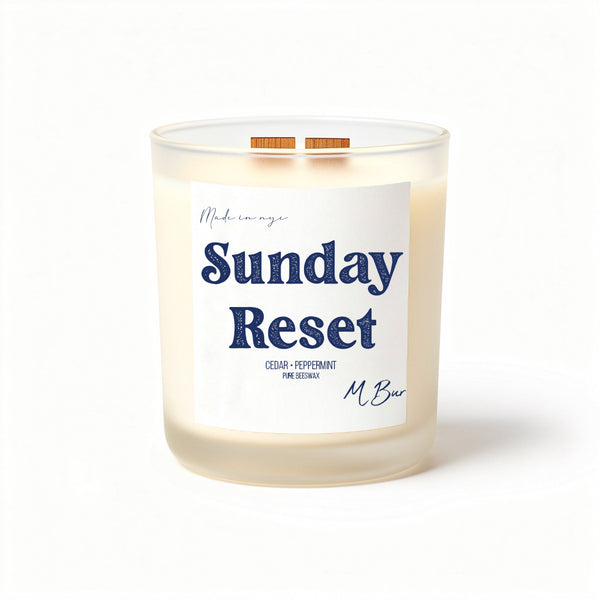
The wick decides how evenly and cleanly the wax burns. Metal core wicks are a hard no, since some historically contained lead. Cotton is standard and fine. Wooden wicks burn evenly, crackle softly like a tiny fireplace, and tend to produce a broad, steady flame. Whatever the material, the wick has to be sized correctly for the vessel, because an undersized wick is the number one cause of tunneling.
3. Scent sourcing
Here is where brands hide the most. "Fragrance" on a label can legally stand in for hundreds of undisclosed chemicals, and many candles use toxic fragrances that carry phthalates and parabens. What you want is non toxic, phthalate free fragrance. If a brand will not tell you what is in the scent, treat that silence as an answer.
4. Size
Match the candle to the square footage. A small candle in a big open living room will smell great two feet away and vanish across the room. A large, strong candle in a tiny bathroom will overwhelm you. Bigger rooms want bigger candles or two placed at opposite ends.
5. Price per hour
This is the metric almost nobody calculates, and it is the one that ends arguments about whether a candle is "expensive." A cheap candle that tunnels and burns out in 20 hours can cost more per hour of use than a premium one that burns clean for 80. Take the price, divide by the stated burn hours, and compare apples to apples.

The room by room shortcut
Once you know what to look for, placement is mostly about matching mood to space.
Living room and entryway
This is your first impression space, so you want something warm and layered that reads as "someone lives here well." Room Service, our bestseller, was built to mimic the way five star hotels engineer their lobby scent. Its notes are Saffron, White tea leaves, Purple Peonies, Orchid, Tobacco, Vanilla, Almond milk, and Tonka Bean. In a bigger room, place one near the entry and, if the space is open plan, a second at the far end so the scent carries.
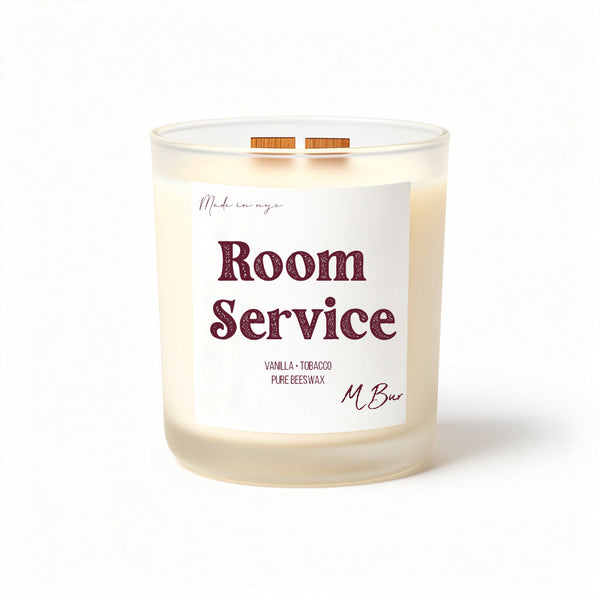
"This scent has me in a chokehold. I burn it in my room and my living room and it fills my space SOOOOO nicely. I've tried quite a few scents from them and they all have different vibes... Theres nothing I hate more than a candle that can't fill the room and baby this is NOT that. This candle permeates every corner of the room."
Tiffany Gordon
Bedroom
Go softer here. Bergamot, pear, and quiet florals settle a room down at the end of the day. Keep the candle on a nightstand or dresser, well away from fabric and drafts, and blow it out before you fall asleep. If you are sensitive to strong scents, a lighter, cleaner burn is your friend.
Bathroom and self care corner
Small rooms hold scent, so you need less than you think. Something calming and herbal works for a bath, and one candle is usually plenty for the whole space.
Kitchen and dining
Candles here earn their keep by cutting cooking odors and setting a table. A brighter, edible leaning scent suits a kitchen, while a table candle should be low and unscented enough not to fight the food.
Home office
You want alert, not drowsy. Citrus and mint scents are the ones people reach for when they need focus, so save the deep, cozy scents for after you clock out.
How MBur stacks up against the shelf
To make the price per hour point concrete, here is roughly how the market lines up.
| Brand | Approx. price | Wax base | Wick |
|---|---|---|---|
| MBur (80 hour) | $65 | 100% beeswax | Wooden |
| Yankee Candle (large jar) | Paraffin | Cotton | |
| Boy Smells | Coconut apricot blend | Cotton | |
| Nest New York | Blend | Cotton | |
| Diptyque Baies | Blend | Cotton |
MBur candles start at $20 for the 20 hour size and go up to $65 for the 80 hour size, all handmade in small batches in Queens, New York. At 80 hours, a $65 beeswax candle costs about 81 cents per hour of clean, single ingredient burn, which comfortably beats a paraffin jar that tunnels out early. When you want a scent that suits your room, browse the full collection and sort by mood.

Quick reference checklist
- Wax: 100% beeswax, or a natural wax with the ratio clearly stated.
- Wick: wooden or cotton, correctly sized, never metal core.
- Scent: non toxic, phthalate free fragrance with the ingredients disclosed.
- Size: matched to the room's square footage.
- Price per hour: price divided by stated burn hours, compared across candles.
- Burn care: trim the wick to about one fourth inch and keep it out of drafts.
Frequently asked questions
What is a candle actually for these days?
Mostly ambiance, scent, and a sense of calm rather than light. Because scent connects to the emotional part of the brain, the right candle in the right room genuinely shifts the mood, which is why matching scent to space matters. You can see how the moods line up across our candle collection.
How do I stop my candle from tunneling?
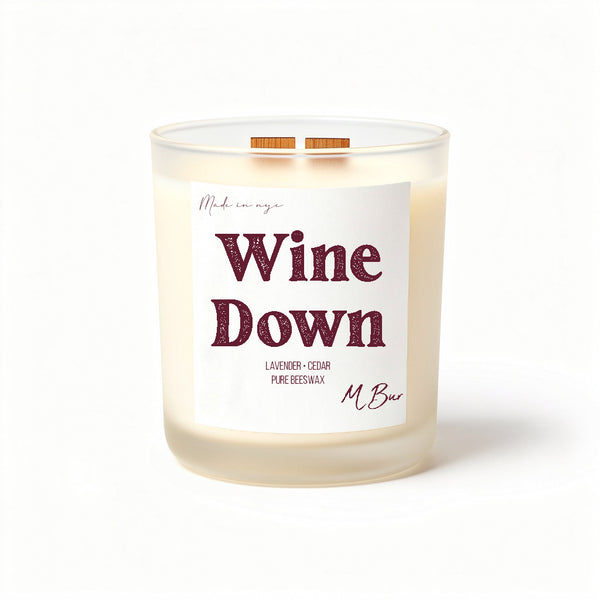
Let the very first burn go long enough for the wax to melt edge to edge across the whole surface, usually a couple of hours. Beeswax and a properly sized wooden wick make this easier, which is one reason readers like Wine Down, our calming lavender, chamomile, sage, and rosemary blend, for a slow evening burn.
Can a candle really help me relax or focus?
Clinical research suggests certain scents like lavender can lower perceived stress, and citrus or mint tend to feel energizing. That is a sensory effect, not a medical treatment, so if you have a diagnosed condition, follow your doctor's guidance. Describe your candle choice as setting a mood, and pick the scent that fits the room's job.
Are more expensive candles actually worth it?
Sometimes. Run the price per hour math and check the wax and fragrance sourcing. A clean burning 80 hour beeswax candle often costs less per hour than a cheap jar that tunnels out fast, and it burns without the soot. Compare options in the collection.
The takeaway
A good candle purchase comes down to five things: a clean single wax, the right wick, disclosed non toxic fragrance, a size that fits the room, and honest price per hour. Get those right and every room in your home gets the candle it actually needs. If you want a safe starting point, Room Service earns its bestseller status for a reason, but the smartest move is to browse the whole lineup and match scent to space.
MBur candles are handmade in Queens, are 100% beeswax with wooden wicks and phthalate free fragrance, and have earned dozens of five star reviews from people who stopped getting headaches from their candles. Ready to choose the right one? Explore the full beeswax candle collection here.
Related reading

