

How to Choose Candles That Don't Have Mushrooming Wicks
That little black lump on your wick, the one shaped like a tiny mushroom cap, keeps coming back no matter how often you trim it. It makes the flame jump too high. It leaves a black ring on the glass. And every time you relight, the buildup gets worse.
The lump is carbon. It forms when the wick pulls up more fuel than the flame can burn cleanly. That fuel is wax, dye, and fragrance oil all mixed together, and how a candle is built decides how much of it gets stuck at the tip. Some candles fight this by design, which is why a batch of clean-burning beeswax candles behaves so differently from the heavily loaded ones on a discount shelf.
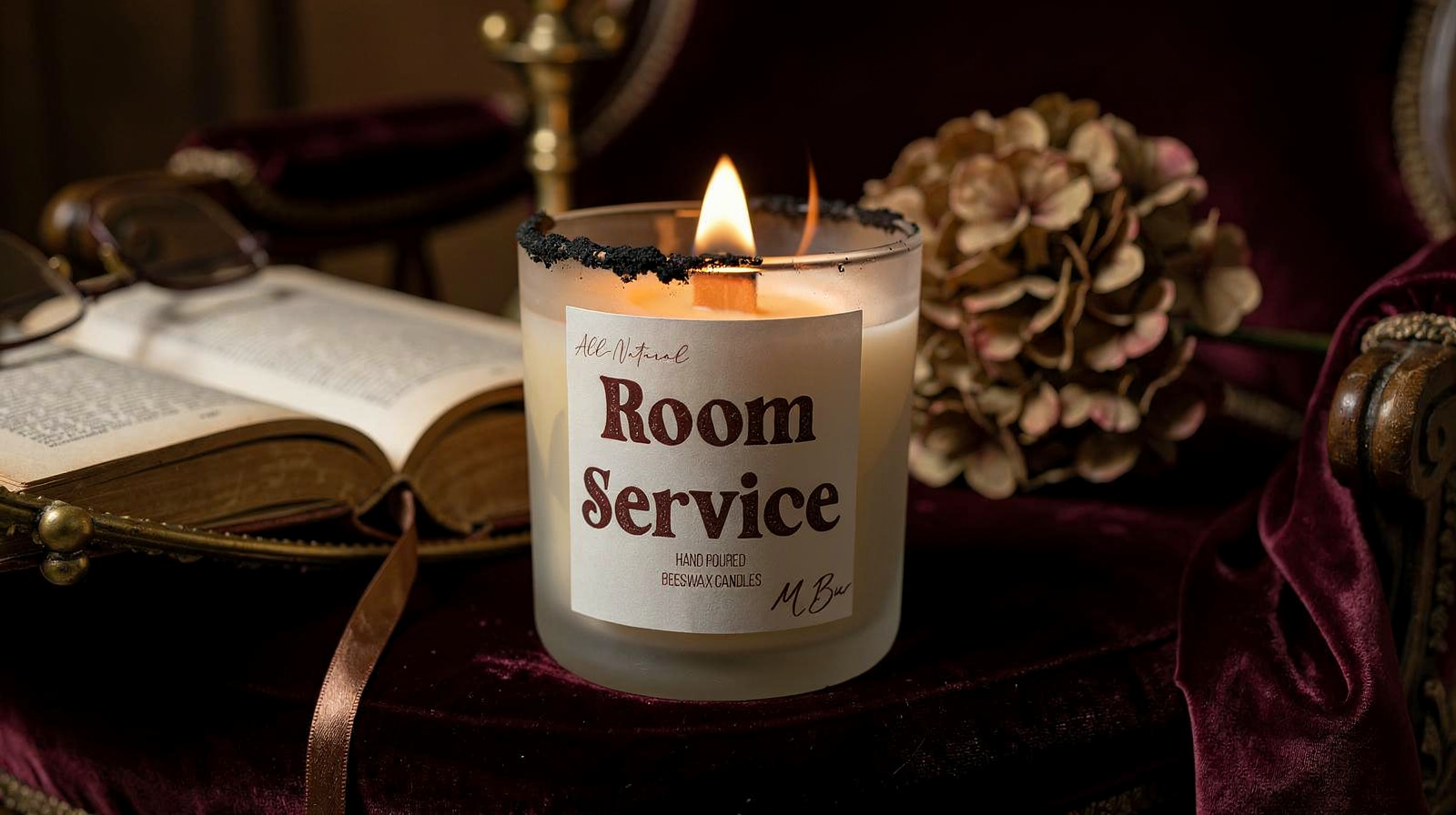
What mushrooming actually is
Mushrooming has a nicer name in the trade. Makers call it clubbing. Either way, it is the same thing. A cap of solid carbon builds up on the wick tip.
People think that lump is leftover wax. It is not wax at all. It is carbon soot, the residue left when fuel burns badly and cannot vanish into the flame.
A healthy wick burns steady. The flame sits around an inch tall. The tip stays clean because the flame keeps pace with the fuel coming up.
Why the obvious fix does not hold
Everyone knows the answer already. Trim the wick. And yes, you should. But trimming is the part that fails the reader who has already been doing it.
Here is the honest reason. If a candle is built wrong, the mushroom comes back within one burn. Trimming manages it. Trimming does not cure it.
So the real question is not how to trim. It is how to pick a candle that does not fight you in the first place. That answer lives in the wax, the wick, and the fragrance load, in that order.
The wax, which sets the floor for everything
Different waxes carry oil differently. Soy and vegetable blends soak up fragrance and then pull it up fast. That extra oil is harder to burn clean, so carbon collects.
Paraffin burns hot but it is petroleum waste, and it throws its own soot. Beeswax sits in a different place. It burns at a high melting point, so the fuel feeds up slower and steadier.
A slower feed gives the flame time to burn the fuel fully. Less leftover fuel means less carbon at the tip. That is the first thing to check before you ever look at scent.
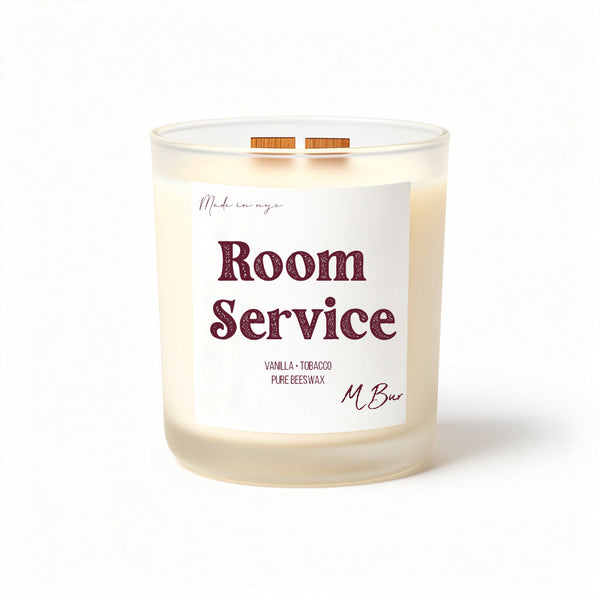
MBur uses 100% beeswax, a single-ingredient wax with no blend hiding inside it. That is a big reason the burn stays even and clean. It also earns the longest burn time of any candle wax, up to 80 hours in the largest size.
The word doing the most work on the label
Fragrance is where most mushrooming starts. Oils do not burn as cleanly as pure wax. Load a candle heavy with oil and the wick chokes on fuel it cannot finish.
Some oils are worse than others. Rich, sweet, vanilla-heavy blends leave more carbon behind. That thick warm scent has a cost at the wick.
This is also where toxic fragrance sneaks in. Many candles use fragrance packed with phthalates and parabens. Those add to the soot problem and to what you breathe.
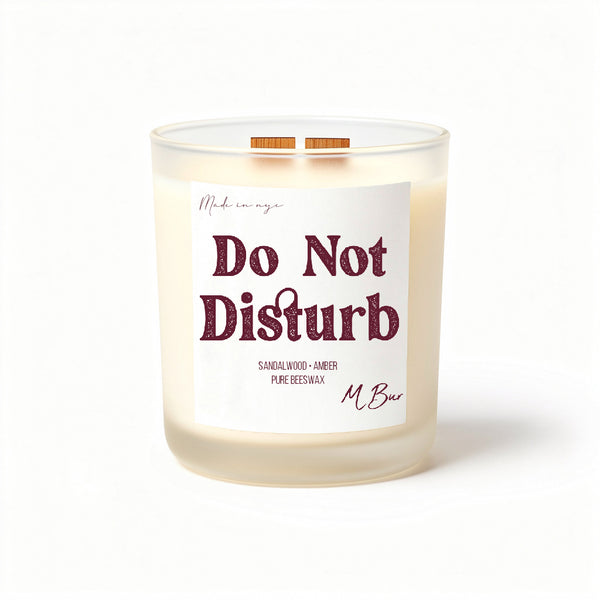
A candle with a balanced, phthalate-free fragrance load burns cleaner and mushrooms less. MBur's Do Not Disturb candle pairs a gentle bergamot and pear scent with pure beeswax, so the fragrance stays present without drowning the wick. The 40-hour size is $32, and the 80-hour size is $65.
"I love the scent of this candle. It is lovely not overpowering. It's soothing fragrance more than covers my bedroom and bathroom. It is aromatherapy at its best. I also love getting fragrance samples with my order." Dawne Forrest
Notice the words she uses. Lovely, not overpowering. That balance is exactly what keeps a wick from clubbing up.
The wick you can see with your own eyes
Wick size matters as much as the fuel. Too big a wick draws up too much fuel at once. The flame cannot keep up, so carbon piles on.
Makers call the fix down-wicking, using a smaller or better-matched wick. A good maker tests the wick against the exact wax and vessel. A rushed maker just drops in a big wick and hopes.
Wooden wicks handle this well. They burn with a wide, steady flame and a soft crackle, and they resist the tall carbon cap that cotton wicks build. Every MBur candle uses a wooden wick for that reason.
Cotton core wicks with metal inside are the ones to avoid. They can burn hot and dirty. A clean candle skips metal-core wicks entirely.
Your checklist for a non-mushrooming candle
Ranked from the thing you already suspect to the one most people never check.
- Wax: Pick a single-ingredient wax like 100% beeswax over cheap blends.
- Fragrance: Choose a balanced, phthalate-free load, not a heavy vanilla bomb.
- Wick: Look for a properly sized wooden wick, no metal core.
- Maker: Buy from someone who tests wick to wax, not a mass filler.
- Dye: Skip chemical dyes, which add more fuel the flame has to burn.
MBur checks every box on that list. Beeswax, wooden wick, phthalate-free fragrance, no chemical dyes, handmade in New York City.
But I already trim mine every time
Good. Keep doing it. Trimming is real and it helps, so this next part is not a knock on you.
Trim to about a quarter inch before each burn. Do not go below an eighth of an inch or you drown the wick. And stop each burn at four hours so the carbon cap cannot grow tall.
Here is the catch. If the candle is overwicked or oil-heavy, the mushroom returns anyway. That is the maker's fault, not yours. The right candle keeps a clean tip on its own.
Also mind the draft. A fan, vent, or open window rocks the flame and speeds up carbon. Move the candle to still air and half your problem walks away.
Frequently asked questions
What causes a candle wick to mushroom?
It comes from incomplete combustion. The wick pulls up more wax and fragrance fuel than the flame can burn, so carbon collects at the tip. A slower, cleaner-burning wax like the beeswax used across the MBur candle collection feeds fuel at a steadier rate.
Are mushrooming wicks dangerous?
A small cap is common and harmless. A large one can push the flame too high, throw heavy soot, and flicker enough to stress the glass. Trimming and choosing a well-built candle like Do Not Disturb keeps the flame steady.
Do all scented candles form mushroom wicks?
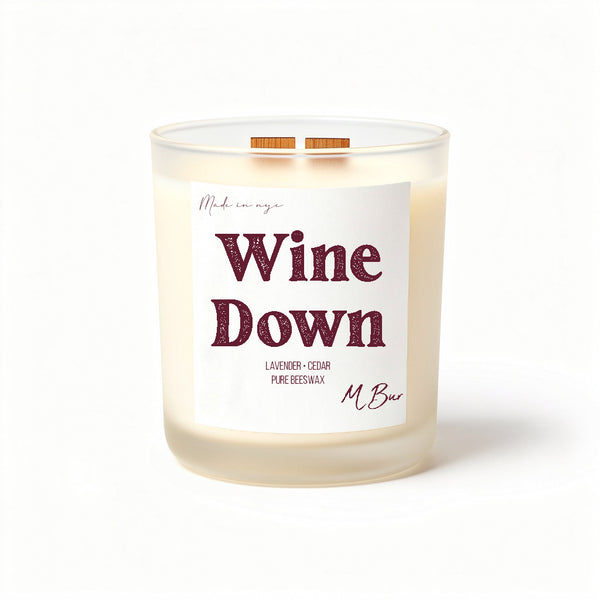
Heavily scented candles are far more prone to it because oils burn less cleanly than pure wax. A balanced, phthalate-free fragrance load helps a lot, which is how MBur's Wine Down candle keeps a light, clean burn.
How can I prevent my candles from mushrooming?
Trim to a quarter inch before every burn, stop at four hours, and keep the candle out of drafts. Beyond that, buy candles with a properly matched wick from a maker who tests, like the handmade beeswax candles from MBur.
Does the type of wax affect wick mushrooming?
Yes. Waxes draw oil at different rates, and blends often need very specific wicks to stay clean. Single-ingredient beeswax burns slow and even, which is why every candle in the MBur collection starts there.
The short version
Mushrooming is a build problem, not a you problem. The right wax, the right wick, and a balanced fragrance load stop the carbon cap before it forms. Trimming just keeps a good candle tidy.
For a clean, even burn with a wooden wick and pure beeswax, start with the Do Not Disturb candle, $32 for the 40-hour size and $65 for the 80-hour. MBur candles run 5 stars across dozens of reviews, with buyers like Nicole saying the scent was "so light and clean, not overpowering at all."
Shop the MBur beeswax collection and pick your first clean-burning candle today.
Related reading

