

How to Choose Candles That Are Safe for Cats
Your cat leaves the room the second you light a candle, and you have started to wonder if that is instinct trying to tell you something. It usually is. Cats react to airborne compounds at concentrations that humans barely register, and the average scented candle is a small cloud of things a feline liver was never built to process.
The good news is that the fix is mostly about ingredients, not giving up candles entirely. Once you know what to look for, choosing a pet friendlier candle gets straightforward. If you want to skip the research, our full beeswax candle collection is built around clean burning from the start.
One note before we get into it: if your cat has asthma or any respiratory condition, follow your vet's guidance first. Nothing here replaces that.

Why cats react to candles the way they do
Cats have a smaller respiratory system than you, and they spend most of their day close to the floor where heavier airborne particles settle. That alone means they breathe in more of whatever a candle puts out.
The bigger issue is their metabolism. A cat's liver lacks certain enzymes needed to break down many aromatic compounds, so substances your body clears without noticing can build up in theirs. This is the same reason so many essential oils that seem harmless to us are flagged as toxic to cats.
Put those two facts together and you get an animal that is genuinely more vulnerable to candle emissions than any person in the house. The concern is legitimate, and paying attention to it is the right call.
The real culprit is usually the wax and the fragrance
Most candles that bother pets have one thing in common: paraffin wax. Paraffin is a petroleum byproduct, and when it burns it can release volatile organic compounds along with benzene, toluene, and visible soot. That soot settles on surfaces your cat walks across and then grooms off its own paws.
Fragrance is the second problem. Many candles use toxic fragrances that contain phthalates, which are linked to hormone disruption. And here is the part that catches a lot of well meaning pet owners off guard.
"Natural" does not automatically mean cat safe. Plenty of natural scented candles lean on essential oils that veterinarians consistently list as toxic to cats: eucalyptus, tea tree, all citrus, peppermint, spearmint, pine, cinnamon, and clove. A candle can be plant based, small batch, and lovingly made, and still be scented with something a cat should not breathe.
A quick comparison of common candle waxes
| Wax type | What it is | Burn quality around cats |
|---|---|---|
| Paraffin | Petroleum byproduct | Releases VOCs, benzene, toluene, heavy soot. Worst choice for pets. |
| Soy | Plant based, often blended | Cleaner than paraffin, but frequently cut with paraffin and scented with toxic fragrance oils. |
| Beeswax | Naturally occurring, no chemical processing | Cleanest burn, minimal soot, no petroleum. Safety still depends on the fragrance and wick used. |
Wax matters, but it is only half the story. A soy candle loaded with a toxic fragrance and a cheap metal core wick is not a win just because the label says soy.
The other risk factors to check
Wicks deserve real attention. Choose cotton or wooden wicks and avoid anything with a metal core, since older or imported metal core wicks can release heavy metal particulates as they burn.
Chemical dyes add nothing useful and give combustion more junk to throw into the air. Skip colored waxes where you can.
Then there is how the candle actually burns. Even a clean wax will smoke if the wick is too long or the flame is flickering, and that soot irritates a cat's airways regardless of what the candle is made of. Combustion quality is something you control every single time you light it.
Do not forget the obvious physical hazards either. An open flame at cat height is a knocked over fire risk and a singed whisker risk, so placement matters as much as ingredients.

Your checklist for a pet friendlier candle
When you are shopping, look for a candle that checks all of these:
- Single ingredient natural wax, ideally 100% beeswax, not a paraffin blend
- Cotton or wooden wick, never metal core
- Phthalate free, non toxic fragrance with the ingredients disclosed
- No chemical dyes
- A scent that is not built around citrus, eucalyptus, tea tree, peppermint, pine, cinnamon, or clove
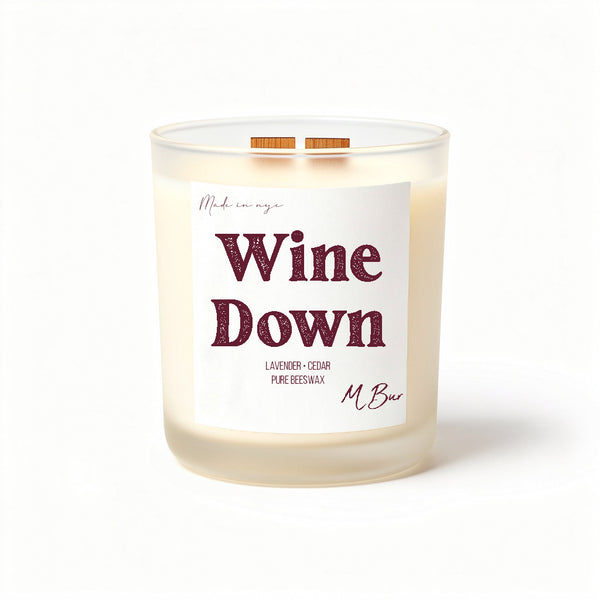
MBur checks every box on the wax and wick side. We make everything in small batches in New York City using 100% beeswax, wooden wicks, phthalate free fragrance, and no chemical dyes. Beeswax also burns longer than soy or paraffin thanks to its high melting point, so you get around 80 hours from the largest size and far less soot on your walls in the process.
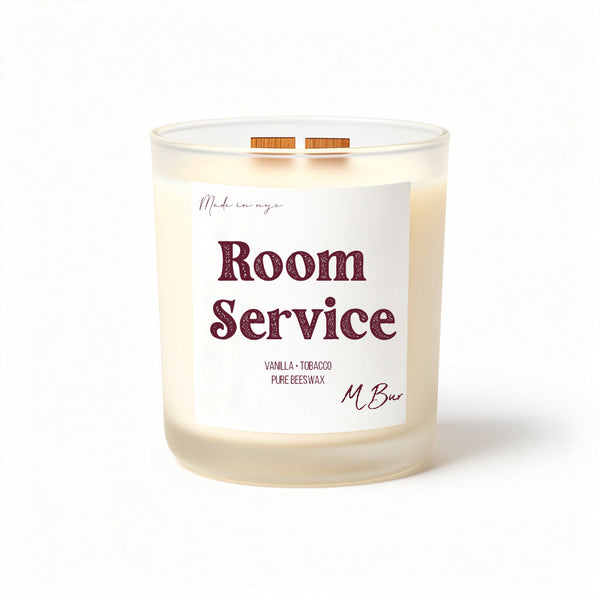
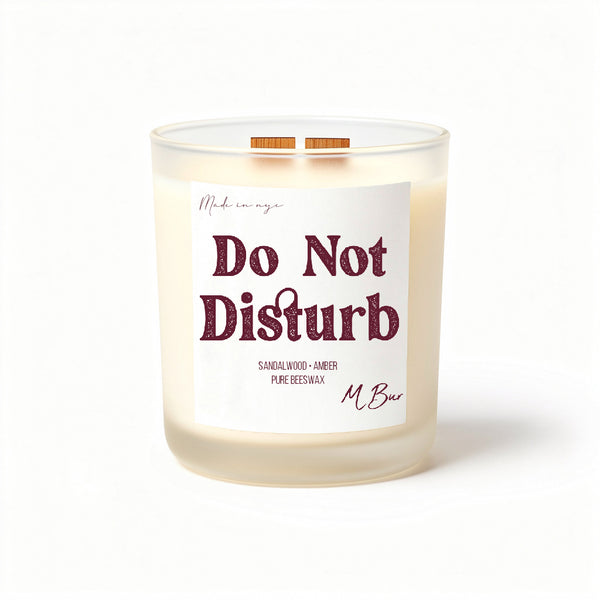
If you want a warm, low drama scent to start with, Room Service leans into saffron, white tea, and vanilla rather than the sharp botanicals cats struggle with. The 40 hour size runs $32 and the 80 hour size is $65. For an evening wind down that stays soft in a shared room, Do Not Disturb keeps things quiet with bergamot and pear.
People who are sensitive to scent tend to notice the difference, and so, apparently, do their pets.
"Absolutely loved the Wine Down candle! The scent is so light and clean, not overpowering at all, which is exactly what I look for. A lot of other candles tend to give me headaches, but this one was a total game changer." Nicole D.
A couple of clean burning brands worth knowing if you are comparing options: Fontana Candle Company makes fragrance free and essential oil beeswax candles aimed at sensitive households, and Keap runs coconut wax candles with transparent fragrance disclosure. As always, read the ingredient list before you buy, since a clean wax paired with a cat toxic oil defeats the purpose.
Practical habits that make any candle safer
Trim the wick to about a quarter inch before every burn. A short wick means a steady flame and far less soot.
Keep burn sessions to two or three hours max in open spaces, or 30 to 45 minutes in a room where your cat roams freely. Ventilate the space rather than sealing it up, because closed rooms let particulates concentrate.
Place candles high and stable, well out of tail and paw range. And watch your cat. Sneezing, coughing, watery eyes, or simply leaving the room are early signals that whatever you are burning is not agreeing with them.
If you would rather skip the open flame entirely, a candle warmer melts the wax with heat instead of combustion, which drops soot and VOC release considerably.

The bottom line
Safer candles for cats come down to a clean wax, a cotton or wooden wick, a phthalate free scent that avoids cat toxic botanicals, and sensible burning habits. Beeswax with a wooden wick hits most of that before you even light it.
MBur candles are rated across 57 reviews by people who switched because other candles gave them headaches. If you want a genuinely clean burning option to bring into a home with cats, start with our full beeswax candle collection.
Related reading

