

Are Yankee Candles Non-Toxic? The Truth About Scented Candles
Short answer: Yankee Candle does not market its candles as non toxic, and there is a reason for that. The classic jar and tumbler lines are built on paraffin wax, a petroleum byproduct, scented with proprietary fragrance oils the company does not fully disclose. That does not make them illegal or automatically dangerous, but it does make "non toxic" a word Yankee itself avoids.
If you have landed here, you probably already suspect something. Maybe your walls have a gray ring above the jar, or a certain scent gives you a headache twenty minutes in. Let's put paraffin and beeswax side by side and settle it with actual details instead of vibes. If you want to skip ahead to the cleaner option, you can browse our full beeswax candle collection and read on to understand why it burns the way it does.

What Is Actually In a Yankee Candle?
Yankee's traditional large jars are primarily paraffin wax, with newer tumbler lines adding soy or palm blends. Paraffin is what's left over after crude oil is refined into gasoline. It burns, it holds fragrance well, and it is cheap, which is why it has dominated the mass market for decades.
The wicks are 100 percent cotton and lead free, which is genuinely good and worth crediting. Lead wicks were banned in the US back in 2003, so anyone still fear mongering about lead in a Yankee Candle is a couple decades behind. The color dyes are artificial, and the fragrances are proprietary blends the company does not publish.
That last part matters. On a label, "fragrance" is a catch all that can legally cover hundreds of undisclosed compounds. Yankee does not confirm whether their scents contain phthalates, so buyers are left guessing.
What Is Actually In a Beeswax Candle?
Beeswax is the oldest candle material humans have used, going back to roughly 5,000 BCE. Bees produce it as a byproduct of honey, so a beeswax candle supports beekeeping instead of oil refining. It requires no chemical processing to become candle ready.
At MBur, that means one wax, single ingredient, not a "beeswax blend" (which, in the wider market, is usually mostly paraffin with a splash of beeswax for the label). We pair it with a wooden wick and phthalate free fragrance oils, with no artificial dyes. Everything is handmade in small batches in New York City.
The practical payoff of pure beeswax is a higher melting point, which is why it burns slower and longer than soy or paraffin, and why it doesn't throw the black soot that stains jars and walls.
Paraffin vs Beeswax: The Side by Side
Here is the honest breakdown across the factors people actually care about.
| Factor | Yankee (paraffin / paraffin blend) | MBur (100% beeswax) |
|---|---|---|
| Wax source | Petroleum byproduct | Byproduct of honey production |
| Chemical processing | Refined from crude oil | None |
| Wick | Cotton, lead free | Wooden, crackles as it burns |
| Fragrance | Proprietary, undisclosed, phthalate status unconfirmed | Phthalate free, ingredients listed |
| Dyes | Artificial color dyes | None |
| Soot | Known for heavy black jar soot | Clean burn, no wall staining |
| Emissions | Can release VOCs including trace benzene and toluene | Cleanest burning candle wax |
| Burn time | Shorter (lower melting point) | Up to 80 hours in the largest size |
| Price | for a large jar | $20 (20 hour) to $65 (80 hour) |
| Made in | Global manufacturing | New York City, small batches |
The Health Piece, Handled Honestly
The concern is legitimate, and I am not going to hand wave it. Burning any carbon source produces particulate matter, so even a great candle emits something. The difference is what.
Paraffin candles can release volatile organic compounds when burned, including trace amounts of benzene and toluene, along with the soot that leaves dark rings on glass. Medical experts are genuinely split on whether normal, occasional use of a paraffin candle poses a meaningful health risk, and the research on real world exposure is still developing. If you want to go deeper, the National Institutes of Health has published an editorial on indoor air risks worth reading.
The real risk factors are ingredient specific, so let's name them: toxic fragrances that may contain phthalates or parabens, paraffin soot, and artificial dyes. Frame the issue around those, not around "all candles are bad," because that is both inaccurate and unhelpful.
A cleaner candle keeps the scent you love and drops the compounds your body reacts to. Beeswax is naturally hypoallergenic and, because it's single ingredient, there's simply less in the jar to react to. It is less likely to irritate a sensitive nose. If you have a diagnosed respiratory condition, follow your doctor's guidance rather than any candle brand's marketing, including ours.
"I absolutely love these candles! I instantly notice the difference in the air quality, in comparison to the Bath & Body scented candles. I love Bath & Body's candles but I acknowledge that it caused a slight headache and other minor respiratory discomfort. Awesome products. Totally addicted." Jason H.
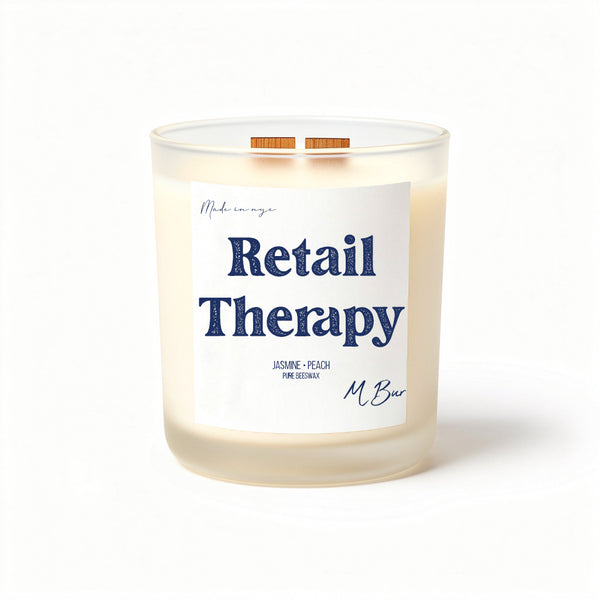
Jason's experience is common. A lot of people find our Retail Therapy candle once they get tired of the headache that comes with heavily fragranced paraffin. It leads with ripe peach and dark berries over black tea and amber, sweet without being cloying.

How the Competition Stacks Up
Yankee is not the only option on the shelf, and it is fair to look wider. Fontana Candle Co. leans fully clean with beeswax, coconut oil, essential oils, and a MADE SAFE certification, at for a 9 oz jar. Otherland is beloved for packaging and uses a coconut soy blend. Brooklyn Candle Studio (roughly $20 to $32) keeps it minimalist with 100 percent soy and cotton wicks.
Soy is a step up from paraffin, but two catches come up over and over. Soy is frequently blended with paraffin unless the label explicitly says 100 percent soy, and a plant wax scented with toxic fragrance oils still puts phthalates in your air. The wax is only half the story.
The common complaint about clean candles is weaker scent throw. That is often a soy issue tied to a lower melting point. Beeswax runs hotter, which helps it carry scent through a room, and our reviewers back that up.
"This scent has me in a chokehold. I burn it in my room and my living room and it fills my space SOOOOO nicely. I've tried quite a few scents from them and they all have different vibes and gives you something unique....and they all smell amazing. Theres nothing I hate more than a candle that can't fill the room and baby this is NOT that." Tiffany Gordon
So Who Wins, and For Whom?
Here is the use case verdict instead of a blanket answer.
If you want the biggest possible scent library and cheapest entry point, and occasional burning doesn't bother you: Yankee does that. It is the incumbent for a reason. Just expect soot and undisclosed fragrance.
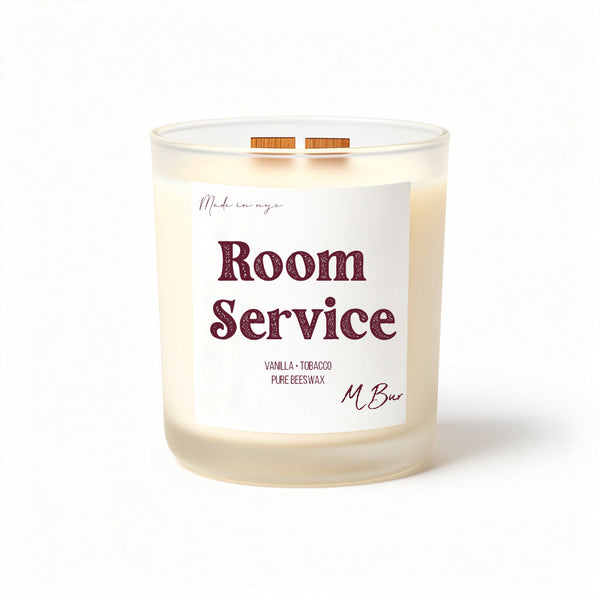
If you get headaches, share a small space, have pets, or want to know exactly what you're breathing: pure beeswax is the pick. It burns longest, cleanest, and lists its ingredients. Start with Room Service, our bestseller, which is built to smell like a five star hotel lobby with saffron, white tea, peony, vanilla, and tonka bean.
On value per hour: a paraffin jar burns faster than pure beeswax, so a higher sticker price on a longer burning candle often works out closer than it looks once you divide by hours.
Frequently Asked Questions
Are Yankee Candles made of paraffin wax?
Yes. The classic jar and tumbler lines are primarily paraffin or paraffin blends derived from petroleum, though some newer lines add soy or palm. If you want a wax with zero petroleum, browse our beeswax collection instead.
Do Yankee Candles release toxic chemicals when burned?
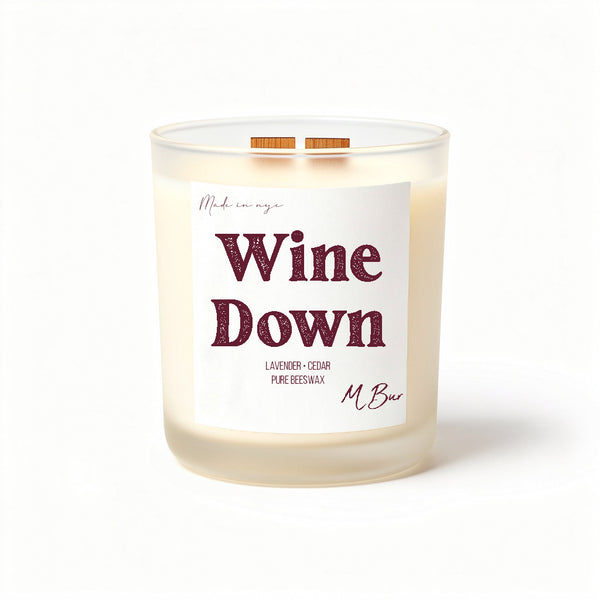
Paraffin and heavily fragranced candles can release trace VOCs like benzene and toluene, plus soot. Experts disagree on the risk of normal use. A single ingredient option like our Wine Down candle sidesteps the paraffin and undisclosed fragrance question entirely.
Do Yankee Candles contain phthalates?
Unconfirmed. Yankee does not publish its full fragrance formulas, so buyers cannot verify it either way. Everything we make is phthalate free and the notes are listed on the product page.
Are beeswax candles better around pets?
Strong toxic fragrances and soot can irritate cats and birds especially. A cleaner burn with phthalate free fragrance is gentler, though you should still ventilate and never leave a flame unattended around animals.
The Takeaway
Yankee is affordable and has an enormous scent range, but it runs on paraffin and undisclosed fragrance, and it is not sold as non toxic. Pure beeswax burns longer and cleaner, tells you what's in it, and skips the soot. If your nose or your walls have been complaining, that is the fix. Our candles average glowing reviews across scents, with customers repeatedly noting the room filling throw and the lack of headaches.
Ready to feel the difference? Explore the full MBur beeswax candle collection and start with Room Service if you want a crowd pleaser.

Related reading

