

How to Choose a Candle for Protection: Clean Burning Meets Mindful Ritual
Here is the problem nobody warns you about when you start using a candle for protection: the black paraffin candle you bought to clear the air is quietly filling your room with the exact stuff you are trying to shield yourself from. You set an intention, you light the wick, and within twenty minutes there is a smudge of soot on the ceiling and a faint chemical smell in the back of your throat. The ritual is calming. The candle is working against it.
If you care about protective rituals, you probably already care about what you put in your body and your space. So it is worth knowing that most protection candles on the market fail on the one thing that matters most for a clean space: the burn itself. Before you light another one, it is worth browsing our full beeswax candle collection to see what a genuinely clean burning candle looks like.
Why your "protection" candle might be polluting the space
Most ritual candles, especially the tall glass seven day ones, are made from paraffin. Paraffin is petroleum waste, full stop. When it burns, it releases fine particulate matter and trace volatile organic compounds into the air you are trying to purify.
The EPA and peer reviewed research have both flagged candles as a source of indoor air particulates. Any candle releases some PM2.5 when it burns. Paraffin, with its heavier soot and petrochemical byproducts, releases more, and it leaves that black film on your walls and the inside of the vessel.
Then there is the fragrance. A lot of ritual candles lean on toxic fragrances loaded with phthalates and parabens, undisclosed chemicals hiding behind the single word "fragrance" on the label. That is the opposite of the clean slate most protection work asks for.

The label problem: "natural" means almost nothing
Words like "natural," "clean," and "eco" are unregulated on candle packaging. A candle can call itself natural and still be mostly paraffin with a splash of soy. Even soy candles are often blended with paraffin and scented with toxic fragrance oils.
So the label is not your friend here. You have to read the actual ingredients and, ideally, buy from a maker who tells you exactly what is inside.
What actually burns clean
Three things separate a clean burning candle from a polluting one: the wax, the wick, and the fragrance.
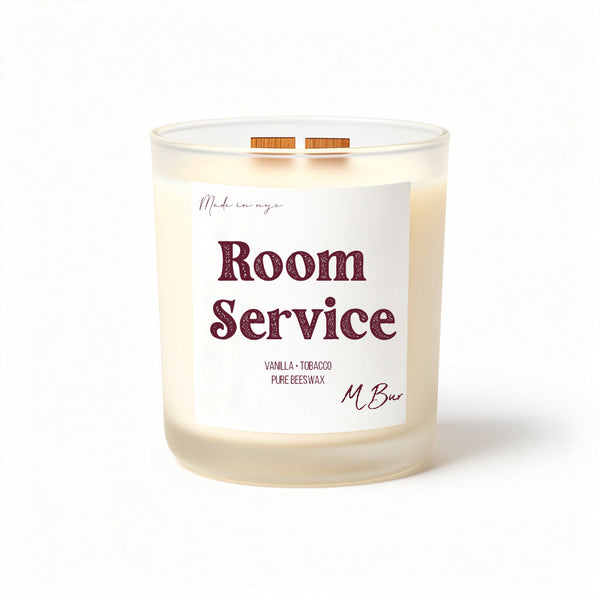
- Wax: 100% beeswax is a single ingredient wax with the highest melting point of any candle material, which is why it burns slow and clean. It is also a byproduct of honey production, so it supports beekeeping rather than oil refineries.
- Wick: Skip metal core wicks. A wooden wick or cotton wick burns cooler and does not add zinc or other metals to the mix. Wooden wicks also crackle, which is a nice touch during a slow ritual.
- Fragrance: Non toxic, phthalate free fragrance, or no added scent at all. No chemical dyes.
"I absolutely love these candles! I instantly notice the difference in the air quality, in comparison to the Bath and Body scented candles. I love Bath and Body's candles but I acknowledge that it caused a slight headache and other minor respiratory discomfort. Awesome products. Totally addicted." Jason H.
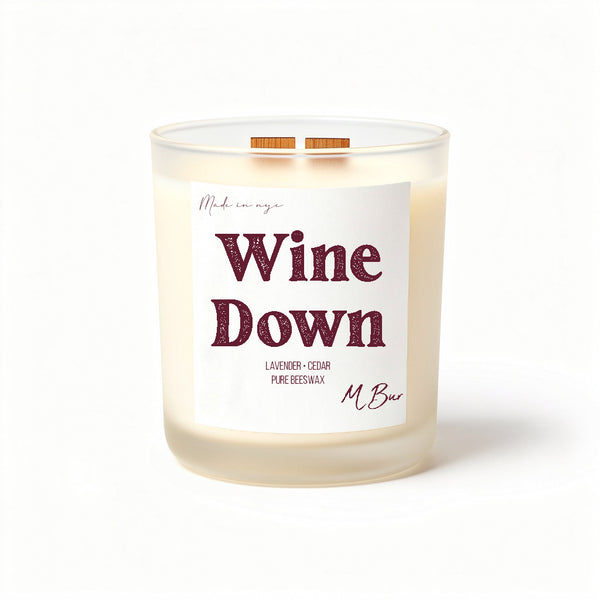
That difference in air quality is the whole point of a protective ritual. If your candle gives you a headache, it is not clearing your space, it is contaminating it. A candle like Wine Down, with its lavender, chamomile, sage, rosemary, camphor, cedar, and sandalwood notes, leans on sage and rosemary, herbs that have shown up in cleansing traditions for centuries, without the soot.

How to choose your candle for protection, step by step
Once the burn is clean, the ritual part gets easier. Here is a practical checklist.
1. Start with the burn
Confirm the wax is 100% beeswax or another genuinely clean wax, the wick is wood or cotton, and the fragrance is phthalate free. MBur checks every one of these boxes: pure beeswax, wooden wick, non toxic fragrance, no chemical dyes, handmade in New York City. Our candles run from the 20 hour size at $20 up to the 80 hour size at $65, so you can match the size to the ritual.
2. Match the size to your intention
For a quick five minute grounding moment, a smaller candle does the job. For sustained work, the kind traditionally done over seven days, you want a long burn. Beeswax has the longest burn time of any wax because of its high melting point, so a larger MBur candle carries a slow, steady flame for a very long time.
3. Use a fresh candle for a clean slate
Many practitioners prefer a new candle for protection work so it carries no leftover energy. It is also just practical: a fresh, properly trimmed wick burns evenly from the first light.
4. Set the intention before you light
Lighting a candle with no focus produces vague, unfocused energy. Decide what you are protecting, say it or think it clearly, then light. If you want to go further, scribe a word or symbol into the wax and roll a protective herb like thyme, rosemary, or clove around it. Beeswax takes carving well because it is firm.
5. Let it settle
Once a ritual candle is lit, resist the urge to keep moving it around. Pick a heat safe surface, ideally with a little breathing room and away from drafts, and leave it there.
A note on scent and calm
Scents like lavender, sage, and cedar feel grounding, and that sensory experience is a real part of why rituals work: they anchor you in the moment. That is a sensory effect, not a medical one. If you have a respiratory condition, asthma, or a scent sensitivity, ventilate the room and follow your doctor's guidance on what works for you.
A clean candle is simply less likely to irritate, because you are not burning petroleum byproducts and undisclosed chemicals on top of the fine particulate matter that any open flame produces.

Frequently asked questions
What makes a candle burn cleanly?
A candle made from 100% beeswax, pure coconut wax, or high grade soy with a cotton or wood wick produces far fewer soot particles and petrochemical byproducts than paraffin. Beeswax has the highest melting point, so it burns slowest and cleanest. You can see the difference across our beeswax candle collection.
Do protection candles have to be a specific color?
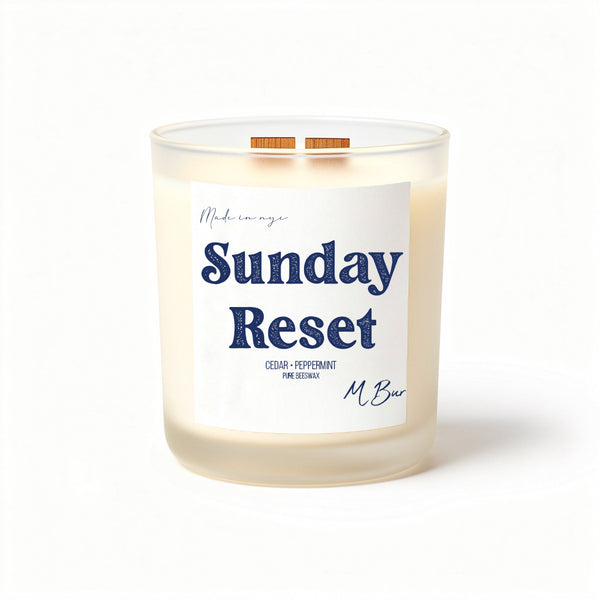
In traditional color symbolism, black is used to absorb negative energy and white for general purification, but the wax quality matters more than the color for your actual air. A clean, undyed beeswax candle like Sunday Reset, with eucalyptus, clove, cedar, patchouli, and vanilla, works well for a fresh start, clearing intention.
Does burning any candle affect indoor air quality?
Yes. Studies show any open flame releases some fine particulate matter and trace VOCs, which is why ventilation matters. The move is to reduce the load: burn beeswax instead of paraffin, keep the wick trimmed, and crack a window. Cleaner ingredients mean a cleaner burn, which you can browse in the full collection.
How does trimming the wick help a ritual candle?
Keeping the wick trimmed to about a quarter inch prevents excess smoke, soot buildup, and tall erratic flames that can destabilize a calm ritual. It also stretches the burn time, which matters if you are doing longer work.
Is it bad to blow out a protection candle?
Safety comes first. The superstition about never extinguishing a ritual candle is just that, a superstition. If you cannot tend the flame, put it out. A snuffer produces less smoke than blowing, if you want the cleanest finish.
The takeaway
A candle for protection should support your intention, not undercut it with soot and chemicals. Start with the burn: 100% beeswax, a wooden or cotton wick, and non toxic fragrance, then build your ritual on top of that clean foundation. Our top pick for grounding, clearing work is Wine Down for its sage and rosemary notes, but the right scent depends on you.
MBur candles are handmade in New York City, hypoallergenic, and reviewed nearly 60 times with an overwhelming majority at five stars from people who noticed the difference in their air the moment they switched. Ready to burn something that works with your ritual instead of against it? Browse our full beeswax candle collection.
Related reading

