

Hand-Poured vs Mass-Produced Candles: Does It Matter?
Hand-Poured vs Mass-Produced Candles: Does It Matter?
"Hand-poured" shows up on the label of a lot of candles, including some from large brands that are technically hand-poured at industrial scale. The question is whether the term actually means something different for the candle's quality, or whether it is just marketing language. This comparison covers what hand-poured really signals, when it matters, and when it does not.
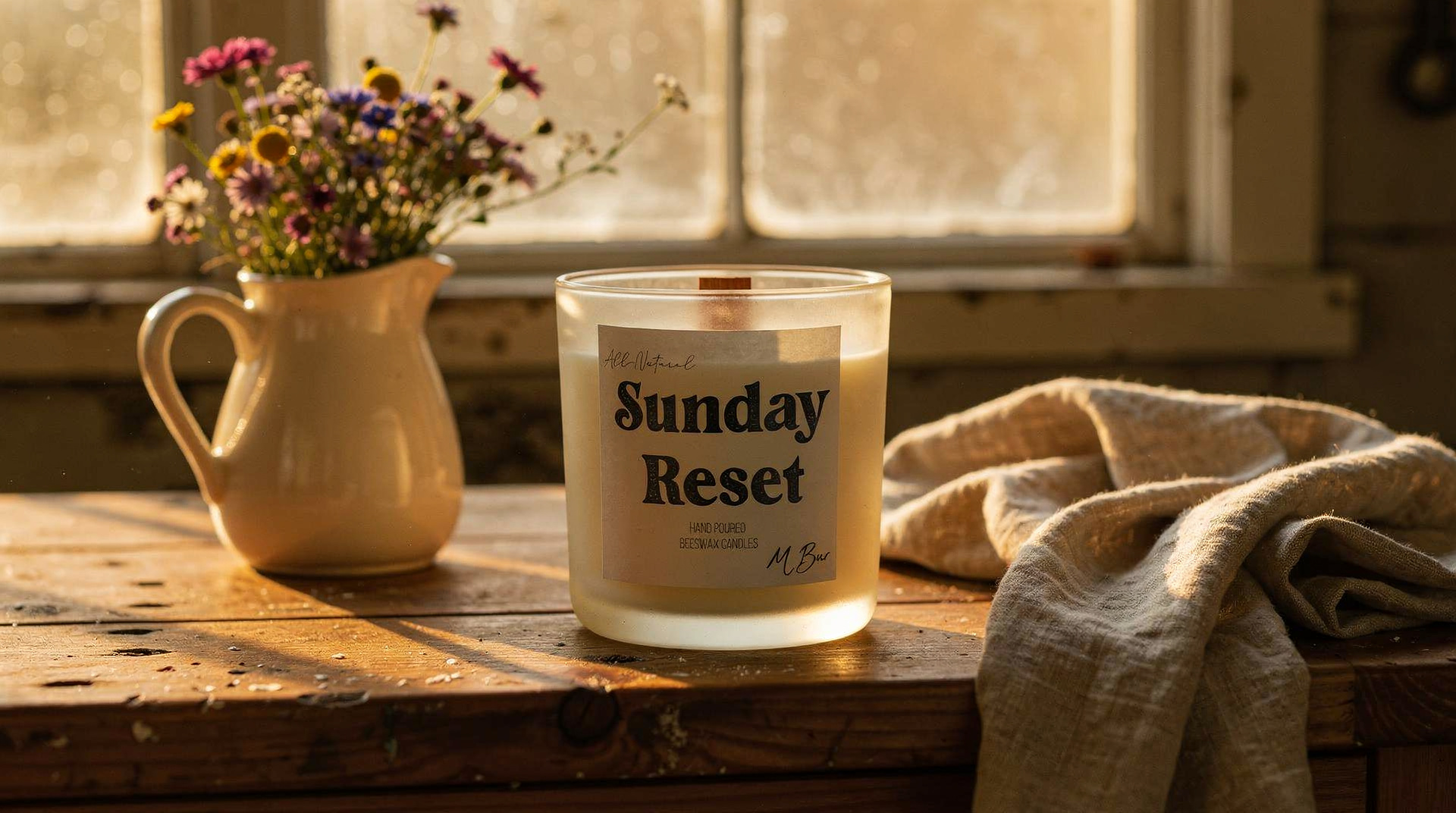
Browse the full MBur beeswax candle collection to see hand-poured candles in practice.
The Quick Answer
Hand-poured matters when it correlates with ingredient quality control, small batch attention, and transparent sourcing, which it usually does at smaller brands. Mass-produced candles benefit from consistency and lower price, but the cost-cutting often shows up in cheaper waxes (paraffin), toxic fragrance, and lower-quality wicks. The label itself is less important than what it usually predicts: brand size, ingredient transparency, and quality control.
What Hand-Poured Actually Means
Hand-poured generally describes candles made in smaller batches, with each candle filled by a person rather than a machine. At small brands, this often means tighter quality control: someone is watching the wick centering, the pour temperature, and the cooldown. At large brands using the term, the pour itself may be by hand but the operation is industrial in scale, which dilutes the practical meaning.
What Mass-Produced Brings
Mass-produced candles benefit from consistency and economies of scale. The pricing is lower, and brand-name consistency means the candle you bought last month should be the same as the one you buy today. The tradeoff is that scaling typically pushes brands toward cheaper waxes (paraffin), volume-produced toxic fragrance, and standard wicks that may include metal cores. There are exceptions, but the pattern is real.
Ingredient Quality
Small hand-poured brands tend to be more transparent about what is in their candles, because the brand identity often rests on the ingredients. Mass-produced candles, especially mass-market drugstore and home-decor candles, are more likely to be paraffin with undisclosed fragrance and metal core wicks. The hand-poured label is a useful (but not perfect) signal for asking the next question: what is actually in this?
Price and Value
Hand-poured small-batch candles cost more per ounce, partly because of labor and partly because of better ingredients. The cost-per-hour gap narrows when the wax is beeswax, which burns longer. Mass-produced candles are cheaper upfront but often cheaper for a reason: paraffin and toxic fragrance are the lowest-cost ingredients.
Comparison Table
| Factor | Hand-Poured (Small Batch) | Mass-Produced |
|---|---|---|
| Production scale | Small, individual attention | Industrial scale |
| Ingredient transparency | Usually higher | Often lower |
| Typical wax | Beeswax, soy, coconut | Often paraffin |
| Typical fragrance | Phthalate-free or essential oil | Often toxic fragrance |
| Typical wick | Wooden or cotton | Sometimes metal core |
| Price | Higher upfront | Lower |
| Cost per hour | Competitive (long burn) | Can be higher in practice |
| Consistency batch-to-batch | Minor variation | Very consistent |
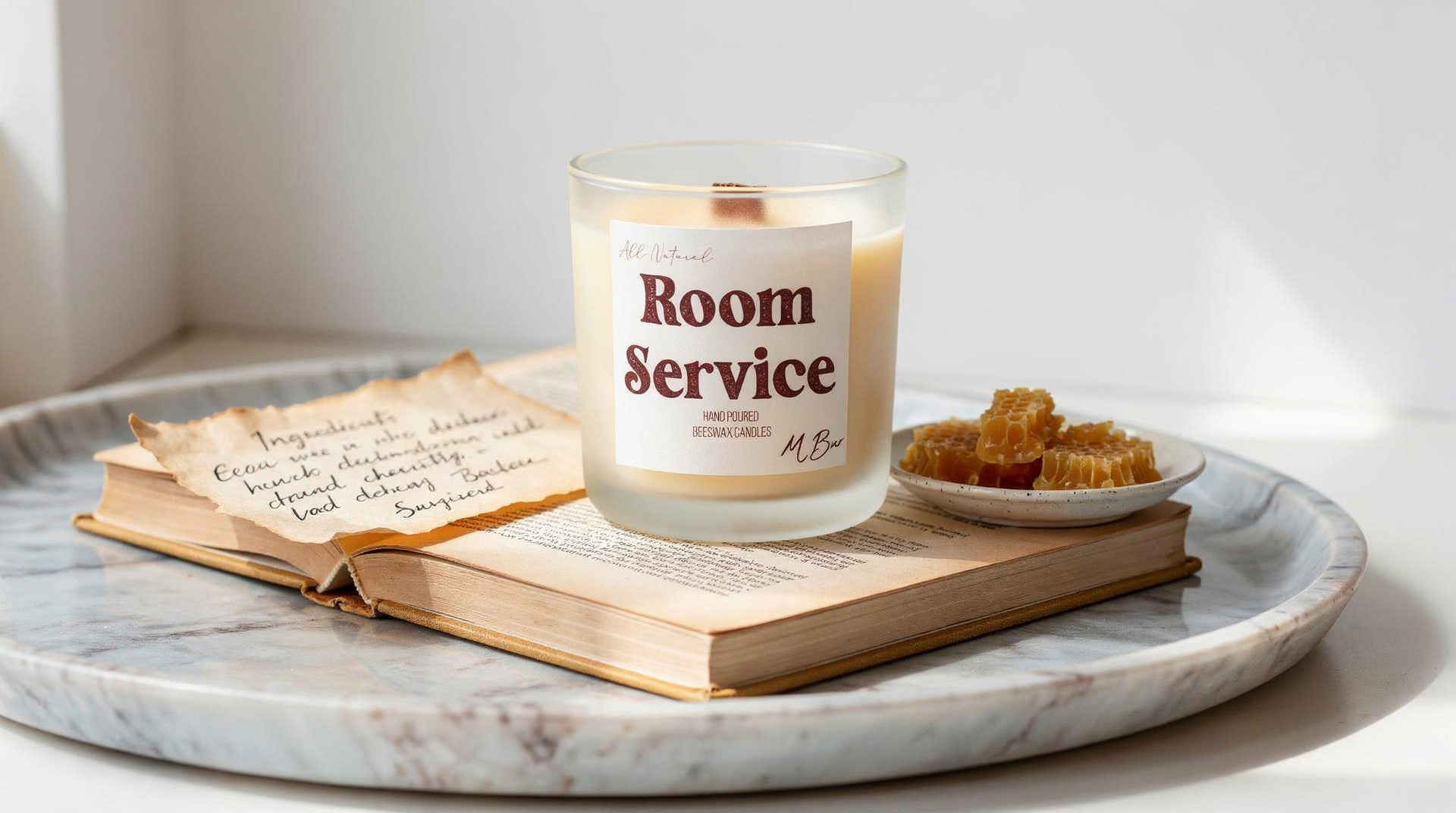
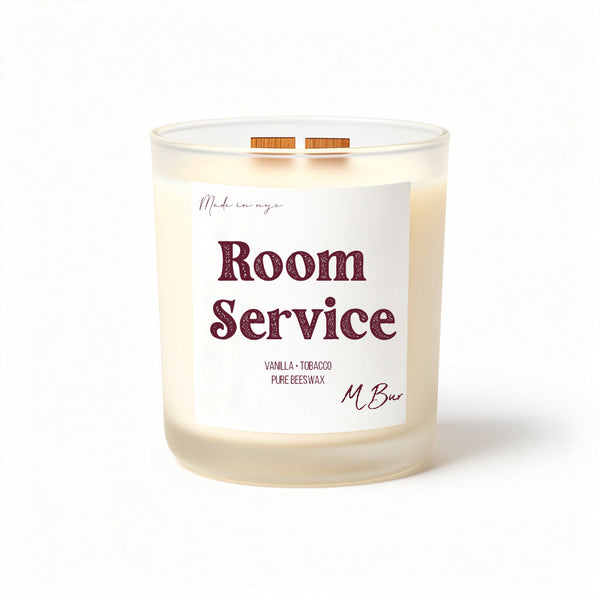
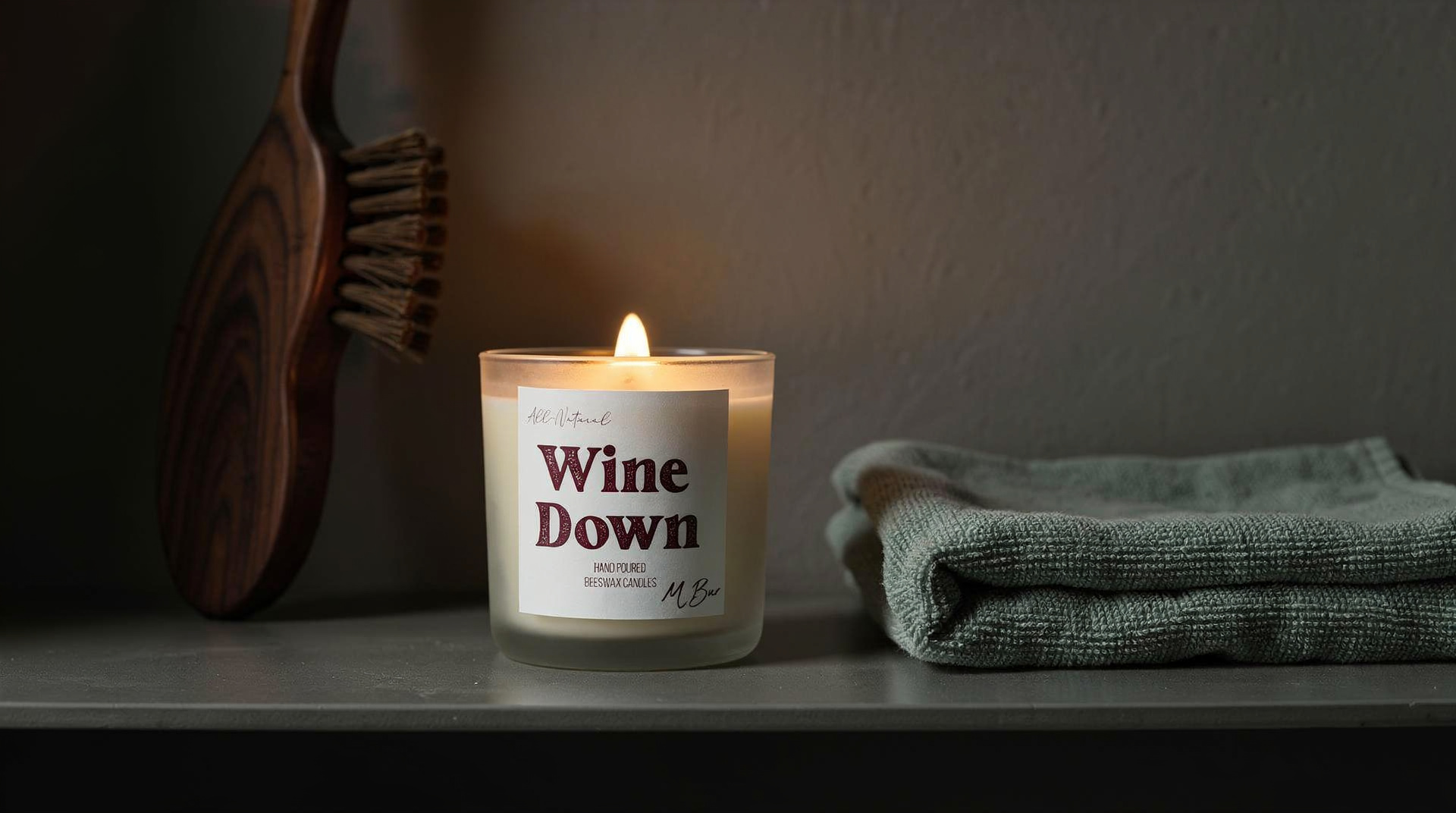
MBur is hand-poured in Far Rockaway, Queens, NY, in 100% beeswax with phthalate-free non-toxic fragrance, wooden wicks, and no dyes. The Room Service candle is an example of what the hand-poured label predicts: clean ingredients and attention to wick and fragrance quality.
Frequently Asked Questions
Is hand-poured actually better than mass-produced?
The hand-poured label itself does not guarantee quality. What it usually correlates with does: smaller brands tend to be more transparent about ingredients, use cleaner waxes and fragrance, and pay attention to wick quality. The label is a useful signal but always verify the actual ingredients.
Are mass-produced candles unsafe?
Not inherently. Mass-produced candles can be clean if the brand uses good ingredients. The pattern is that scaling tends to push brands toward paraffin and toxic fragrance for cost reasons, but there are exceptions. Check the ingredient list, not just the production method.
Why are hand-poured candles more expensive?
Labor and ingredients. Each candle takes a person's time, and the ingredients used tend to be higher-quality (beeswax over paraffin, phthalate-free fragrance over toxic). The cost difference reflects both inputs.
Can large brands also be hand-poured?
Some claim to be, and the pour itself may be done by hand, but at industrial scale the practical meaning is diluted. The term is most useful when it describes a genuinely small-batch operation where each candle gets individual attention.
The Bottom Line
The hand-poured label matters less in itself than what it usually predicts: smaller brand, transparent ingredients, and quality control on wicks, wax, and fragrance. Mass-produced candles are not automatically bad, but the cost-cutting that comes with scale often shows up in cheaper waxes and toxic fragrance. Verify the ingredients regardless of the label.
Shop the full collection of clean-burning beeswax candles
What buyers say:
Related reading:

