

Luxury Candles vs Drugstore Candles: A Burn-Test Comparison
Luxury Candles vs Drugstore Candles: A Burn-Test Comparison
The gap between a $5 drugstore candle and a $60 luxury candle is supposed to be obvious, but if you only look at the marketing it can be hard to tell what you are actually paying for. This is a practical burn-test comparison: how each tier performs across the things that matter, what the price difference buys, and where luxury earns its premium versus where it does not.
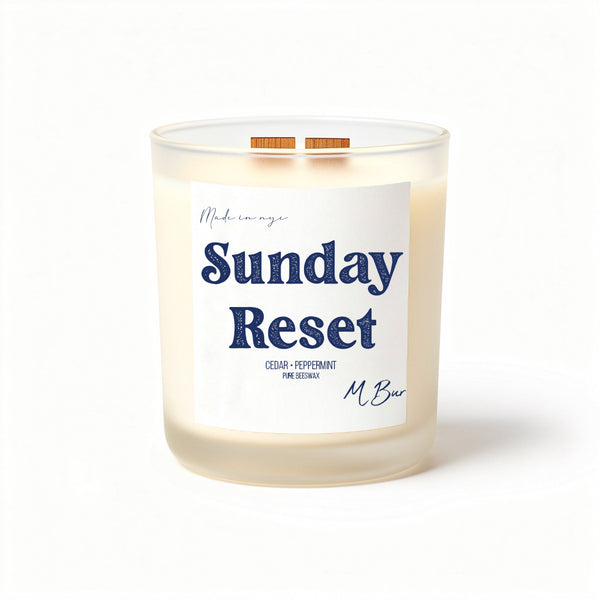
Browse the full MBur beeswax candle collection to see clean-burning candles in practice.
The Quick Answer
Luxury candles typically win on wax quality, fragrance complexity, scent throw, wick performance, and burn time. Drugstore candles win on upfront cost. The honest question is not which is "better," it is what you are actually paying for at the luxury tier. Sometimes it is genuinely better ingredients and burn quality; sometimes it is heavy packaging, designer collaborations, and brand markup. The trick is knowing how to tell the difference.
What a Burn Test Measures
A practical burn test compares candles across six factors: how evenly they melt (full melt pool vs tunneling), how cleanly they burn (soot on the jar and walls), how much scent they actually throw, how long they last, whether they cause headaches or irritation, and whether the flame is steady. The differences between a drugstore candle and a clean luxury candle show up across all six.
Wax Quality
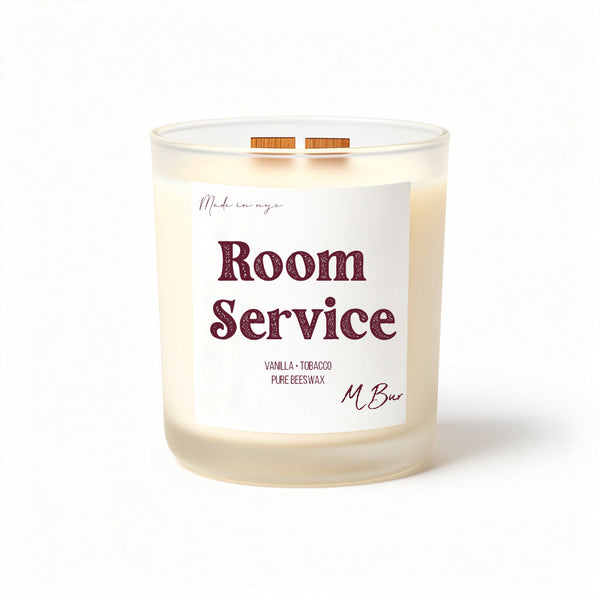
Drugstore candles are almost always paraffin, the cheapest wax and the one that releases benzene, toluene, and the most soot when burned. Clean luxury candles are 100% beeswax, soy, or coconut, which burn cleaner and longer. This single difference accounts for most of the gap in burn behavior, soot accumulation, and indoor air quality. Some luxury brands still use paraffin, which is where the premium price stops correlating with quality.
Fragrance and Throw
Drugstore candles use toxic fragrance, often boosted by phthalates to maximize throw on a tight budget. The throw is strong but flat, and the same fragrance compounds are what cause headaches in sensitive people. Clean luxury candles use phthalate-free fragrance or pure essential oils, with more complex, layered scent profiles. Throw varies: clean beeswax candles release scent more gradually, while soy or coconut can throw aggressively.
Wick Performance
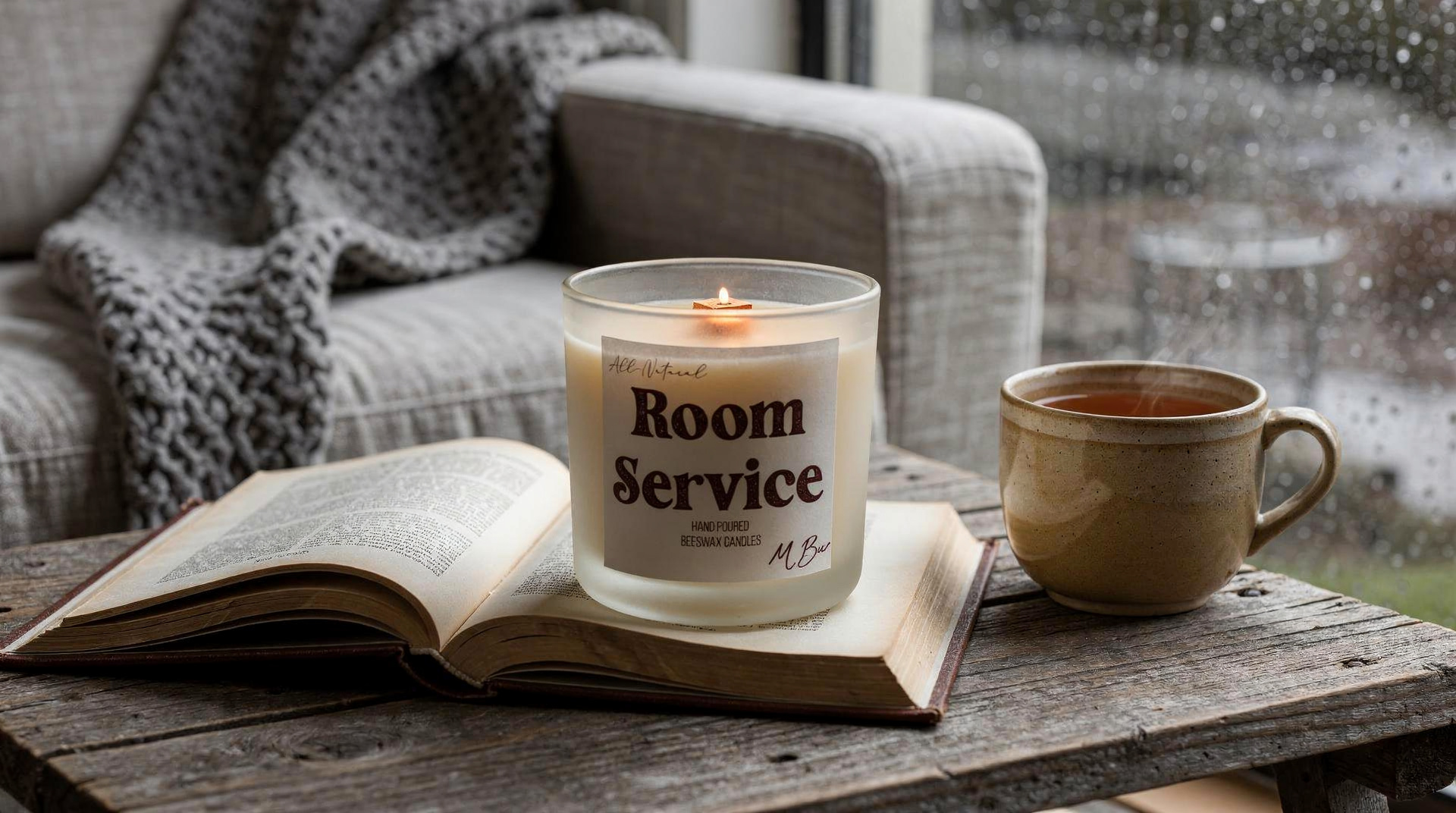
Drugstore candles often use thin cotton wicks or, in older or cheaper products, metal core wicks that release particulates. The flame tends to flicker, soot, and tunnel. Luxury candles typically use quality cotton or wooden wicks sized correctly to the jar, producing an even flame and full melt pool. The wooden wick crackle is unique to candles that put it there deliberately.
Burn Time and Value
Drugstore candles burn fast because paraffin has a low melting point. A 4 oz paraffin candle might last 20 hours. A 4 oz beeswax candle can last 20 to 30 hours because of beeswax's higher melting point. Across a year of regular use, the price-per-hour gap closes significantly, and on top of that you have not been breathing benzene the whole time.
Comparison Table
| Factor | Drugstore | Clean Luxury |
|---|---|---|
| Typical wax | Paraffin | Beeswax, soy, or coconut |
| Typical fragrance | Toxic, often phthalate-based | Phthalate-free or essential oil |
| Typical wick | Thin cotton, sometimes metal core | Wooden or quality cotton |
| Soot | Higher | Lower |
| Burn time | Shorter | Longer per ounce |
| Scent complexity | Flat, single-note | Layered, complex |
| Headache risk | Higher | Lower (with clean ingredients) |
| Cost per hour | Lower upfront | Often competitive |
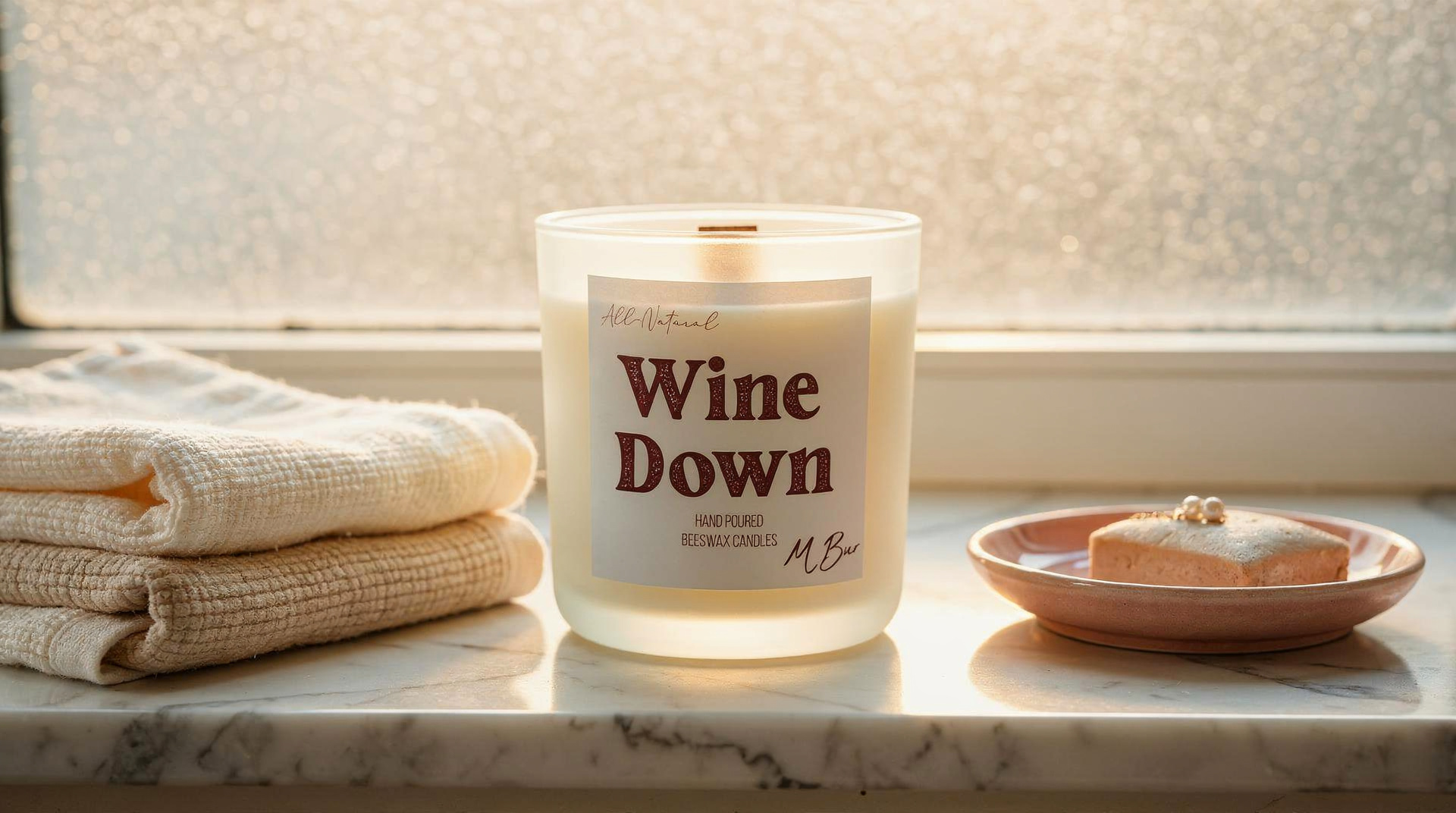
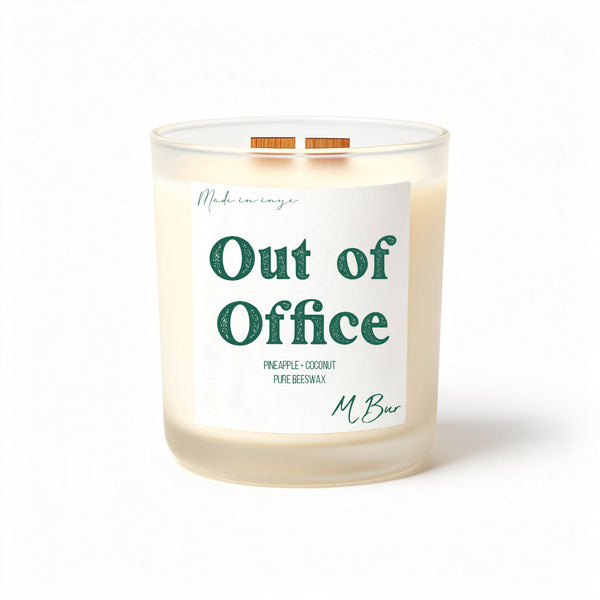
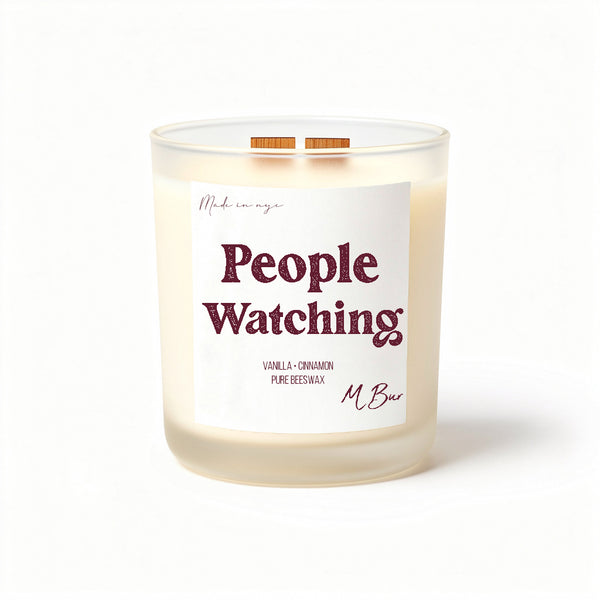
MBur uses 100% beeswax with phthalate-free non-toxic fragrance and wooden wicks, with no dyes. The Room Service candle is a good example of luxury done with clean ingredients rather than just packaging.
Frequently Asked Questions
Are luxury candles always cleaner than drugstore ones?
Not always. Some luxury brands still use paraffin and toxic fragrance, charging premium prices for packaging and brand. The clean-luxury category is specifically luxury brands that use 100% non-paraffin wax, phthalate-free fragrance, and quality wicks. Check the ingredients, not just the price.
Why are drugstore candles so cheap?
Paraffin is the cheapest wax (a petroleum byproduct), toxic fragrance is the cheapest fragrance, and metal core wicks are cheapest to produce. The economics of a $5 candle make clean ingredients hard to fit in. There are exceptions (Big Dipper's beeswax votives start around $5), but the pattern is real.
Does luxury actually mean better burn time?
When the luxury candle is beeswax, yes, meaningfully. Beeswax burns longest of any wax thanks to its high melting point. When the luxury candle is paraffin in fancier packaging, the burn time is the same as a cheaper paraffin candle.
What is the best way to test a candle before buying?
Start with a small size. For MBur, the 20-hour size at $20 lets you test scent, throw, and burn quality at minimum cost. If a candle gives you a headache, the rest of the line is not for you. If it burns clean and you love the scent, scale up.
The Bottom Line
The luxury-versus-drugstore comparison favors luxury when the premium buys clean wax, clean fragrance, and a quality wick. It does not favor luxury when the premium buys packaging and a designer label on a paraffin candle. Drugstore candles win on upfront price but cost more per hour and more in indoor air quality. Compare ingredients, not sticker prices.
Shop the full collection of clean-burning beeswax candles
What buyers say:
Related reading:

