

Beeswax vs Gel Candles: Safety and Burn Time Compared
Beeswax vs Gel Candles: Safety and Burn Time Compared
Gel candles look striking. The clear suspended pieces, the colored wax that seems to glow when lit, the novelty of seeing the flame through the medium. Beeswax candles look like beeswax candles. On burn quality, air quality, and safety, however, the comparison is much less even than the visual difference suggests. This comparison covers what each one actually delivers.
Browse the full MBur beeswax candle collection to see beeswax in practice.
The Quick Answer
Beeswax wins clearly on air quality, burn time, and safety. Gel candles are made from mineral oil and polymer, which is essentially a gelled petroleum product, so they share most of the air quality concerns of paraffin: VOC emissions, soot, and synthetic byproducts when burned. Gel candles are valued for visual novelty, but they are not a clean-candle category.
What Gel Candles Are
Gel candle "wax" is mineral oil thickened with a polymer resin. It is clear or tinted, can suspend decorative objects (sand, seashells, dried botanicals), and burns through a wick like a traditional candle. Mineral oil is a petroleum byproduct, so chemically, gel candles are closer to paraffin than to beeswax, soy, or coconut wax.
Air Quality and Emissions
Because gel is petroleum-based, burning it releases VOCs similar to paraffin candles, including potential benzene and toluene. The synthetic polymer adds its own combustion considerations. Beeswax, by contrast, releases no benzene or toluene, produces the least soot of any wax, and may release negative ions. For indoor air quality and sensitive lungs, beeswax is meaningfully better.
Burn Time
Gel candles can burn for a comparable number of hours to other waxes ounce for ounce, but the burn quality is uneven and depends heavily on the suspended decorative materials, which can interfere with the wick and flame. Beeswax has the highest melting point of any candle wax and burns slowest and most evenly, giving the best value per hour with predictable behavior.
Safety
Gel candles with suspended decorations (shells, sand, glass) carry an extra fire risk: those objects can shift, catch flame, or affect the burn in unpredictable ways. Some materials in gel candles can flash if the candle gets too hot or burns too low. Beeswax candles are predictable and stable; gel candles are more decorative novelty than functional candle, and require more caution.
Comparison Table
| Factor | Beeswax | Gel Candle |
|---|---|---|
| Material | Natural, made by bees | Mineral oil + polymer (petroleum) |
| Emissions | Cleanest | Similar to paraffin (VOCs) |
| Soot | Lowest | Higher |
| Burn time | Longest, predictable | Variable, depends on decorations |
| Safety | Predictable, stable | Risk from suspended objects |
| Visual appeal | Honey color, matte | Clear with suspended decor |
| Best for | Daily use, clean air | Novelty, short-term display |
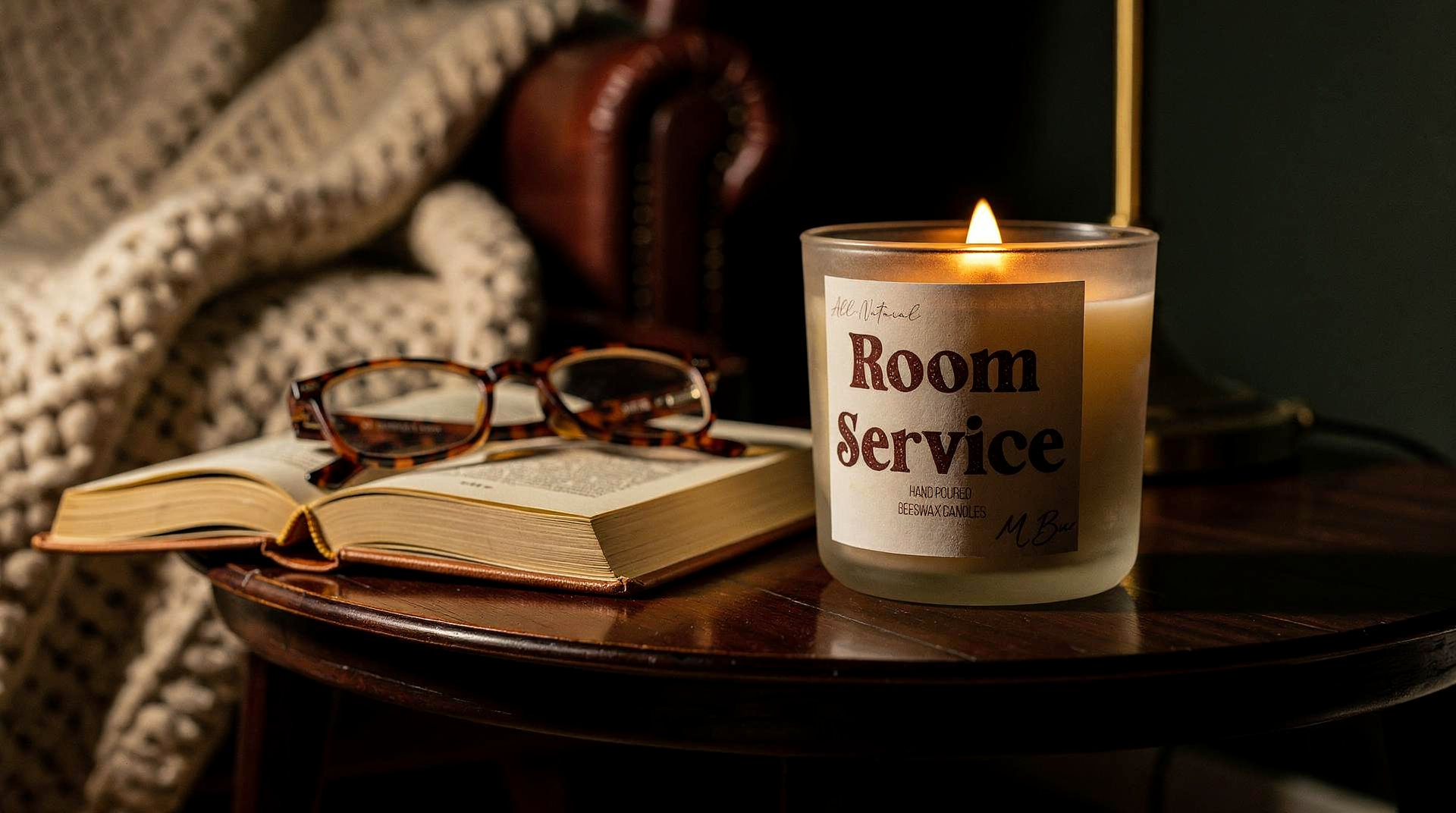
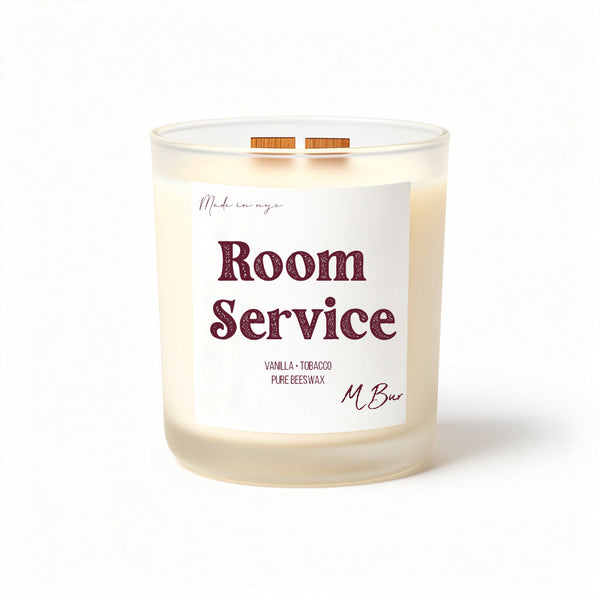
MBur uses 100% beeswax with phthalate-free non-toxic fragrance and wooden wicks. The Room Service candle is a good example of beeswax delivering strong throw with predictable, clean burning.
Frequently Asked Questions
Are gel candles bad for indoor air quality?
Because gel candles are made from mineral oil (a petroleum byproduct), they release VOCs similar to paraffin candles when burned. They are not in the same category as beeswax, soy, or coconut wax for indoor air quality.
Are gel candles safe?
They can be when used carefully, but the suspended decorative objects (shells, sand, glass) add fire risks that traditional candles do not have. Some gel formulations can flash if overheated. They require more caution than a standard candle.
Why are gel candles popular if they are similar to paraffin?
Visual novelty. The clear medium, suspended decorations, and apparent glow when lit make them visually distinctive in a way no other candle is. They are valued for decor more than for everyday use.
Is there a clean alternative to gel candles?
For the same visual interest with clean burning, look at beeswax candles in distinctive jars or beeswax pillars with decorative holders. The "wow" comes from the holder or jar, while the candle itself stays clean-burning.
The Bottom Line
Beeswax wins on air quality, burn time, and safety. Gel candles are valued for visual novelty, but they share most of the air quality concerns of paraffin since they are petroleum-based. For daily use, clean air, and predictable burning, beeswax is the clear choice. Gel has its place as decorative novelty, but not as a clean-candle category.
Shop the full collection of clean-burning beeswax candles
What buyers say:
Related reading:

