

Essential Oil vs Fragrance Oil Candles: What You're Really Burning
Essential Oil vs Fragrance Oil Candles: What You're Really Burning
"Essential oil" and "fragrance oil" sound similar enough that buyers often treat them as interchangeable, but they are different categories with different tradeoffs. One comes from plants; the other is formulated in a lab. Both can be clean or problematic depending on how they are made. This comparison covers what you are actually burning when you light each.
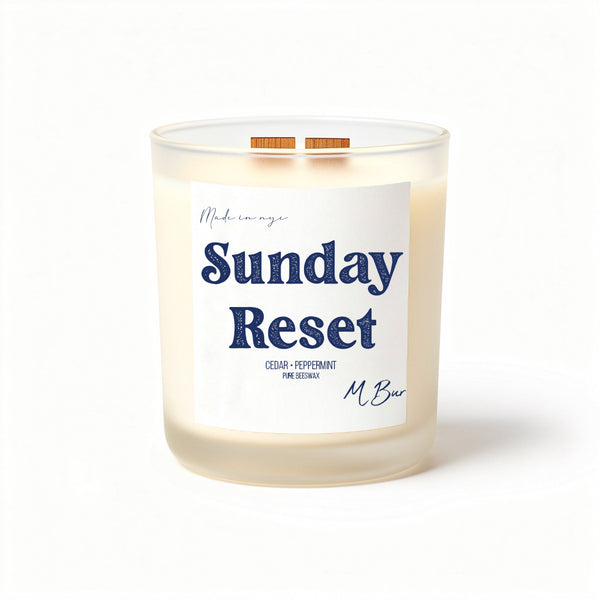
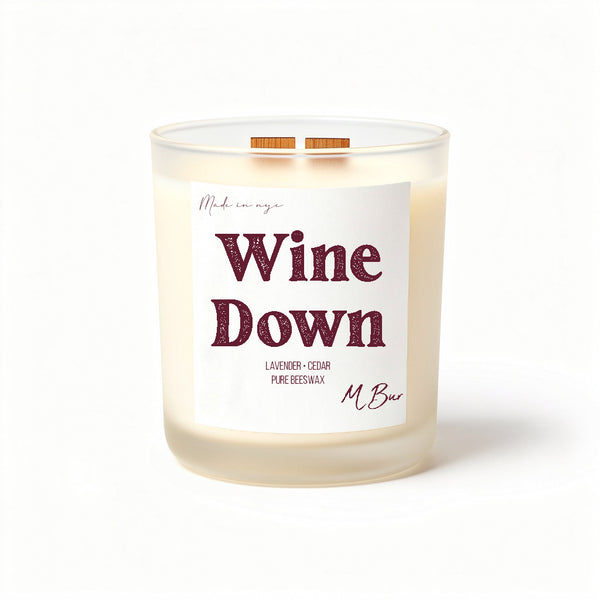
Browse the full MBur beeswax candle collection to see phthalate-free non-toxic fragrance oil candles in practice.
The Quick Answer
Essential oils are distilled or pressed from plants and contain the actual aromatic compounds of the source material. They are appealing for natural-living buyers and have aromatherapy benefits, but they tend to throw scent more subtly, are more expensive, and can be a concern for cats and pregnant people in some cases. Phthalate-free non-toxic fragrance oils are formulated to deliver stable, consistent scent without the phthalate compounds that make conventional fragrance an endocrine concern. Both can be clean choices when the brand is transparent; the key is what each candle is actually made with.
What Essential Oils Are
Essential oils are extracted directly from plants through steam distillation, cold pressing, or solvent extraction. The result is a concentrated oil that contains the plant's natural aromatic compounds, sometimes hundreds of them. Lavender essential oil, for example, comes from steam-distilled lavender flowers. Because they are concentrated plant compounds, they can have aromatherapeutic effects (lavender for calm, peppermint for clarity, bergamot for stress reduction).
What Fragrance Oils Are
Fragrance oils are formulated blends that can include natural aromatic compounds, lab-made aroma molecules, or both. They are designed for stability, consistent scent across batches, and strong throw. The problem with conventional fragrance oils is that they often contain phthalates as fixatives, which are endocrine disruptors. A phthalate-free non-toxic fragrance oil removes that problem and delivers consistent, strong scent without the hormone-disrupting compounds.
Scent Performance
Fragrance oils generally throw scent more strongly and consistently than essential oils. Essential oils have a subtler, more layered scent that releases gradually and can shift across the burn. Neither is universally better; it depends on whether you want a strong, predictable throw (fragrance oil) or a subtler, more authentic plant scent (essential oil).
Cost
Essential oils are expensive, especially in pure form, which is why essential oil candles cost more and often use less concentrated amounts. Fragrance oils are more affordable per scent unit, which keeps the cost of clean phthalate-free candles competitive.
Safety Considerations
Concentrated essential oils can be a concern for cats (who cannot metabolize certain compounds in tea tree, citrus, eucalyptus, peppermint, and pine) and during pregnancy (some oils like cinnamon, clove, rosemary, and clary sage can stimulate uterine activity). Phthalate-free fragrance oil candles sidestep these specific concerns, which is why they are often the better fit for households with cats or for pregnancy. The "natural" label on essential oils does not automatically mean safer in all contexts.
Comparison Table
| Factor | Essential Oil | Phthalate-Free Fragrance Oil |
|---|---|---|
| Source | Distilled from plants | Formulated blend |
| Scent throw | Subtler, gradual | Stronger, consistent |
| Aromatherapy effects | Yes | Less established |
| Phthalates | None by nature | None if labeled phthalate-free |
| Cat-safe at concentration | Some concerns | Generally fewer concerns |
| Pregnancy | Some oils flagged | Check with provider |
| Cost | Higher | Moderate |
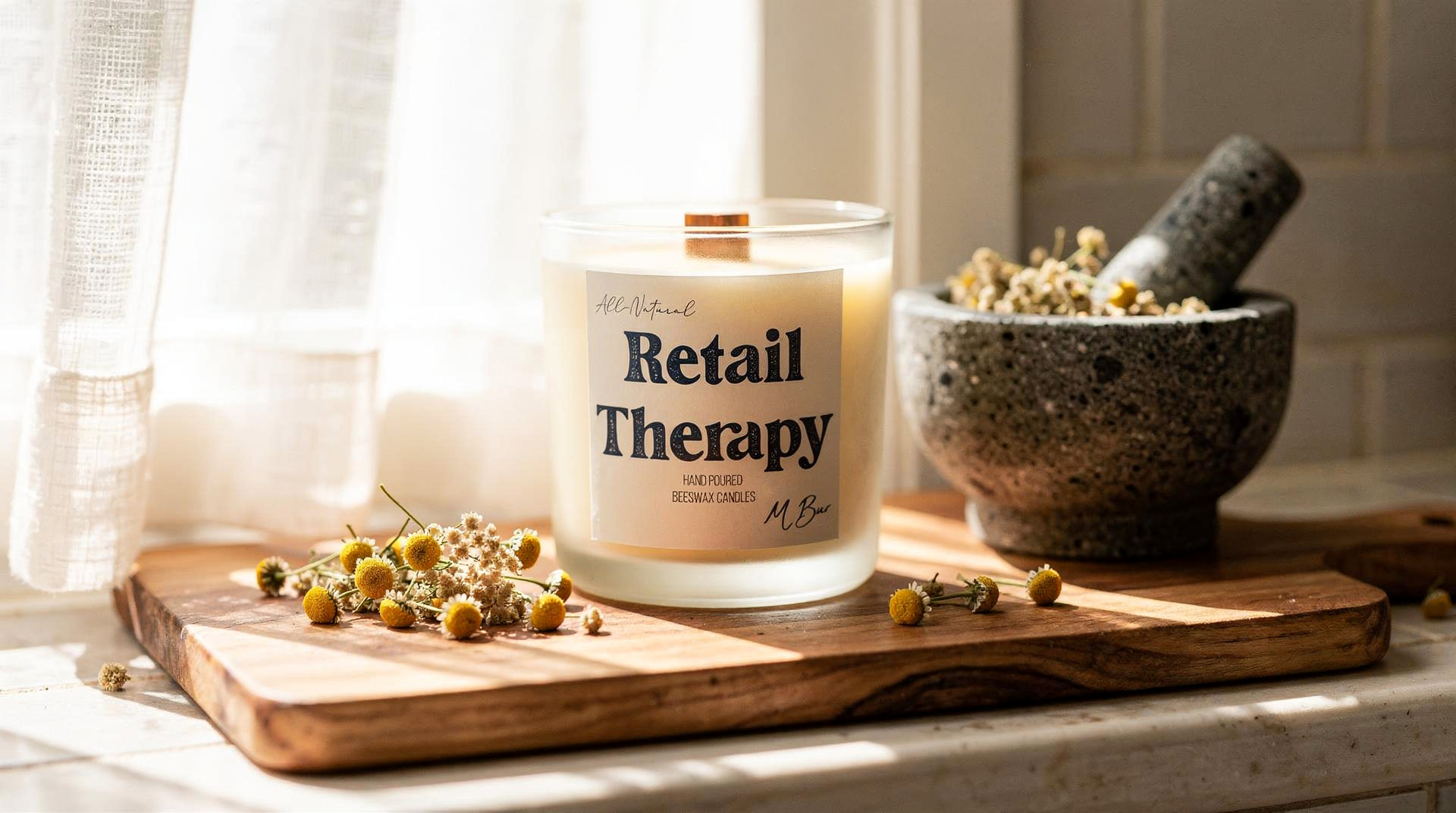
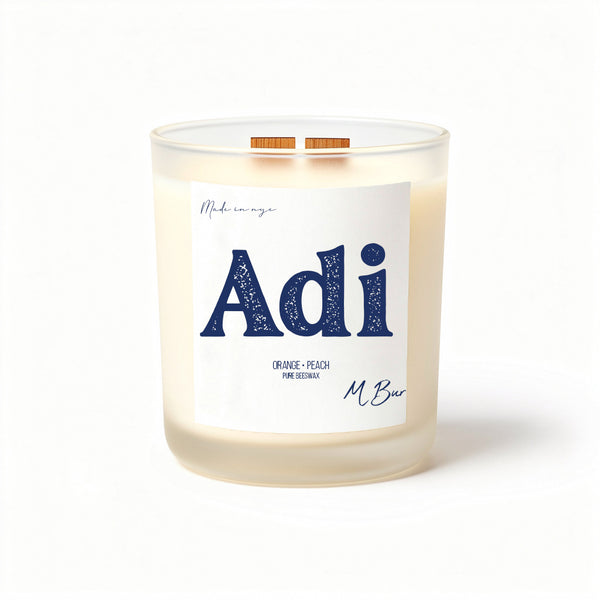
MBur uses phthalate-free non-toxic fragrance oils across the line for consistent throw without the endocrine-disruptor concern. The Retail Therapy candle is a good example: complex, layered scent without phthalates.
Frequently Asked Questions
Are essential oil candles automatically safer?
Not automatically. They are free of synthetic compounds, but concentrated essential oils carry their own considerations, particularly around cats and pregnancy. A clean phthalate-free fragrance oil candle is often a better fit in those contexts. "Natural" and "safe in all situations" are not the same thing.
Are fragrance oil candles bad for you?
Conventional fragrance oils with phthalates are a real concern because phthalates are endocrine disruptors. A phthalate-free non-toxic fragrance oil candle removes that problem and is not a meaningful health concern for most people. The phthalates are the issue, not fragrance oil as a category.
Why do essential oil candles cost more?
Essential oils are expensive to produce in pure form, since they require large quantities of plant material to yield small amounts of oil. That cost shows up in the candle price.
Which throws scent better?
Fragrance oils generally produce a stronger, more consistent throw. Essential oils produce a subtler, more layered scent that releases gradually. If you want a candle that fills a room, fragrance oil; if you want a quieter, more authentic plant scent, essential oil.
The Bottom Line
Both essential oil and phthalate-free fragrance oil candles can be clean choices when the brand is transparent. Essential oils offer aromatherapy benefits and subtle layered scent, with caveats around cats and pregnancy. Phthalate-free fragrance oils offer stronger, more consistent throw at a lower price point, without the hormone-disrupting compounds in conventional fragrance. Read the label and pick the format that fits your priorities.
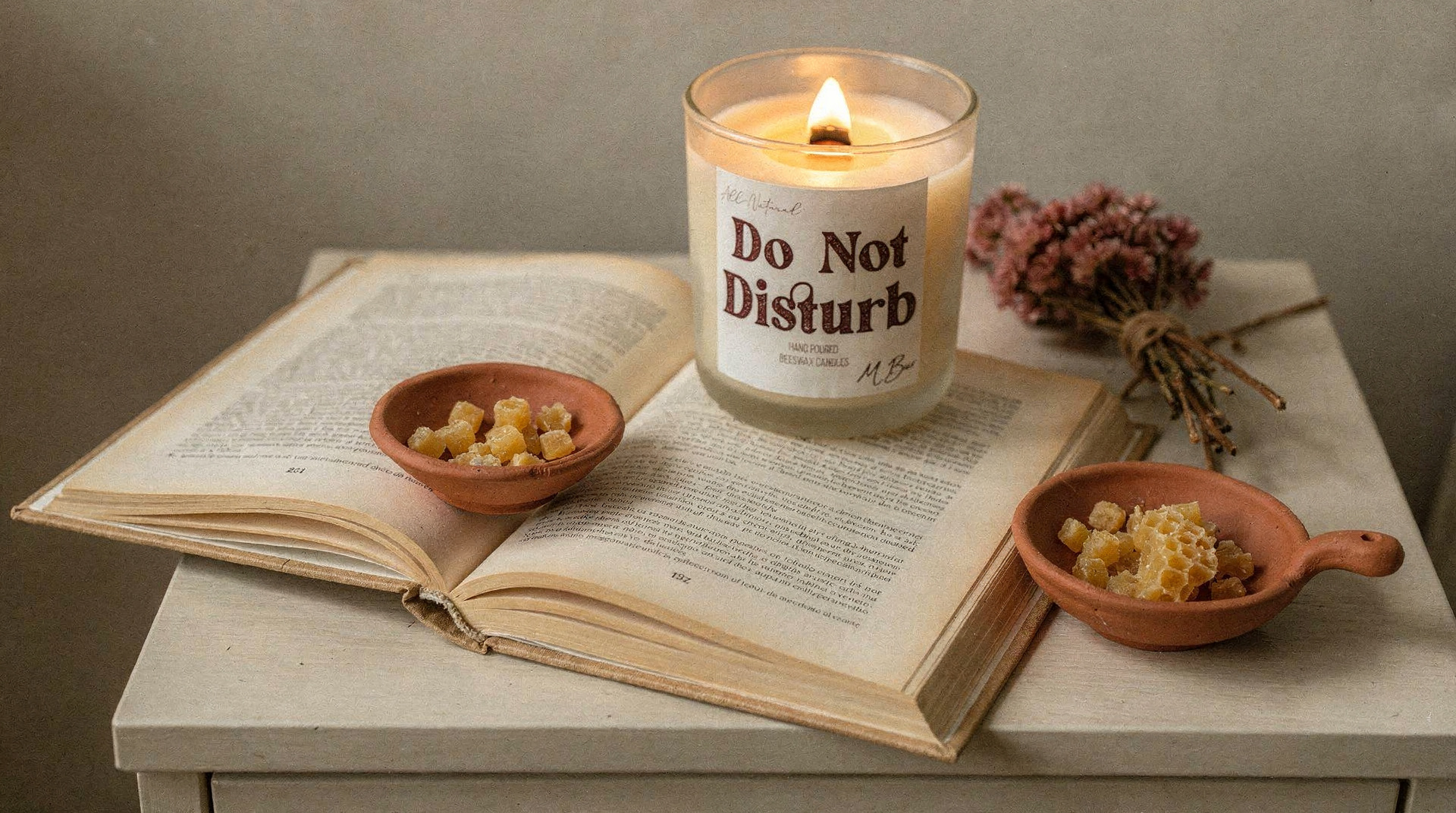
Shop the full collection of clean-burning beeswax candles
What buyers say:
Related reading:

