

Cleanest Candles for Lung Health: Non-Toxic Choices for a Fresh Home
If a scented candle leaves your chest tight or your throat scratchy, the wax is doing more damage than the scent. Paraffin is a petroleum byproduct. When it burns, it releases benzene, toluene, and formaldehyde into the air you breathe.
That worry is worth taking seriously, especially if you have a lung condition or a family history of cancer. Long-term exposure to fine particles has been linked to heart disease, lung cancer, and chronic bronchitis. Swapping to a candle that burns clean is one small thing you can control, which is exactly why our pure beeswax candles burn with no paraffin soot and no heavy toxic fragrance, so a room smells fresh instead of coated.
Here is the part most articles skip. Throwing out the paraffin candle is the easy step. Picking the right replacement is where people go wrong.

Why the wax matters more than the label
Every candle puts something into the air. That is true even for the natural ones. The question is what, and how much.
Scented candles release volatile organic compounds, or VOCs. These are unstable gases that come off the flame. One recent lab study found scented candles gave off about 60 VOCs. Unscented ones gave off about 20.
Paraffin is the worst offender. It is made from crude oil refining. Burning it produces black carbon soot and gases like carbon monoxide and sulfur dioxide. Research has confirmed benzene and toluene above the wick, both flagged as possible cancer-causing agents.
Soy is a step up. It burns cleaner and makes less soot than paraffin under the same conditions. But soy is often blended with paraffin, and it frequently carries toxic fragrances loaded with phthalates.
The word doing the most work on the label
Here is where the trail gets confusing. A candle can say "soy" or "natural" and still burn dirty.
The reason is fragrance. A 2025 study found the lung inflammation from scented candles was driven by fragrance VOCs and poor airflow, not the wax alone. So the wax is only half the story.
Many candles use toxic fragrances that contain phthalates and parabens. Phthalates are chemicals used to make scent stick and last. Some are linked to hormone disruption. That is why the fragrance oil matters as much as the wax under it.
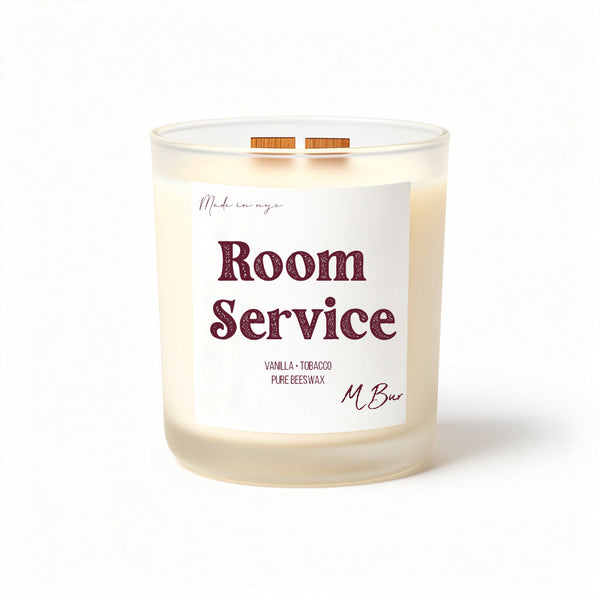
MBur uses only non-toxic, phthalate-free fragrance oils. No chemical dyes, either. If you are sensitive to strong scents, that difference is the one you feel first.
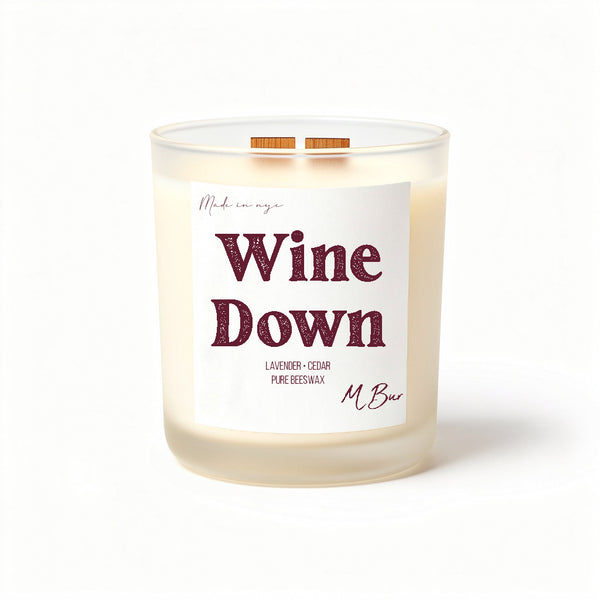
"Absolutely loved the Wine Down candle! The scent is so light and clean, not overpowering at all, which is exactly what I look for. A lot of other candles tend to give me headaches, but this one was a total game-changer. I was able to enjoy the calming aroma without any discomfort." Nicole D.
That review points at the real fix. Our Wine Down beeswax candle uses lavender, chamomile, sage, rosemary, camphor, cedar, and sandalwood in a phthalate-free blend. The 40-hour size runs $32. It smells clean because there is no petroleum soot fighting the scent.

The two things you can check with your own senses
You do not need a lab to spot a clean candle. Two signs give it away.
First, the jar rim. A paraffin candle leaves a black soot ring after a few burns. A clean beeswax candle keeps the glass mostly clear. That soot is the same particulate you are breathing.
Second, the smell after you blow it out. A toxic-fragrance candle leaves a heavy chemical cloud. A pure beeswax candle fades soft and clean, with no sting at the back of your throat.
How the main waxes stack up
| Wax type | Source | Soot level | Common issues |
|---|---|---|---|
| Paraffin | Petroleum byproduct | High | Releases benzene, toluene, formaldehyde; heavy black soot |
| Soy | Soybean oil | Lower than paraffin | Often blended with paraffin; frequently uses toxic fragrance |
| MBur 100% beeswax | Byproduct of honey production | Lowest, clean burn | None. Single-ingredient wax, phthalate-free fragrance, no dyes |
What a clean candle actually looks like
If lung health is your reason for switching, here is the checklist that matters. Run any candle through it before you buy.
- 100% beeswax, not a blend. Single ingredient wax.
- Cotton or wooden wick, never a metal-core wick.
- Phthalate-free, non-toxic fragrance oils.
- No chemical dyes.
- Naturally hypoallergenic.
MBur checks every box. The wax is pure beeswax, the oldest candle material on record, dating back to about 5,000 BCE. It has the highest melting point of any candle wax, which is why an 80-hour size lasts so long. Beeswax also gives off light closest to natural sunlight.
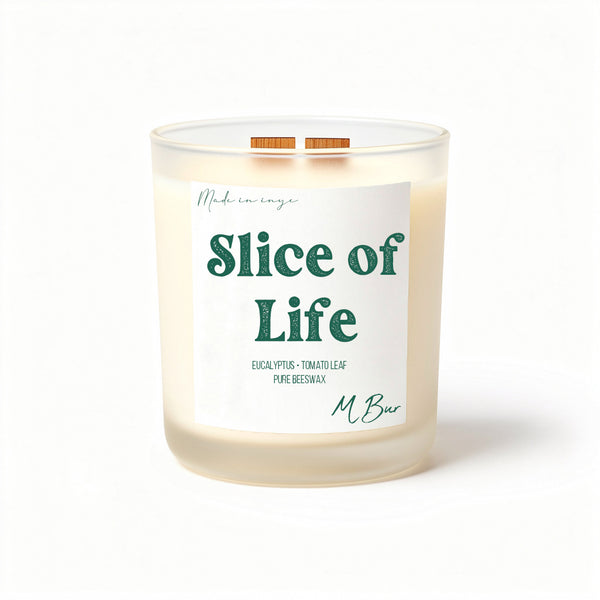
If you want a fresh, green scent that reads clean rather than sweet, our Slice of Life beeswax candle carries spearmint, eucalyptus, tomato leaf, anise, and mint. The 40-hour size is $32, and the 80-hour size is $65. It opens a room up without any chemical weight behind it.
If you have a diagnosed lung condition like COPD or asthma, talk to your doctor about what is safe for your home. This is guidance, not medical advice, and your doctor knows your situation.

How to burn any candle more safely
The candle is half the job. How you burn it is the other half.
Trim the wick to about a quarter inch before every burn. A long wick burns hotter and throws more soot. Keep sessions under two hours in a small room, and open a window or run a fan for airflow.
Never burn past three to four hours. Long burns overheat the wax and push out more particles. And always let the first burn melt the whole top layer, so the candle does not tunnel down the middle for the rest of its life.
Frequently asked questions
Do paraffin candles really release cancer-causing chemicals?
Yes. Paraffin releases benzene and toluene, both flagged as possible carcinogens, plus black soot when burned. That is the core reason to switch to a clean option like our pure beeswax collection, which burns with no paraffin and no soot ring.
Can scented candles cause lung cancer?
No definitive research shows candle smoke alone raises cancer risk. Still, long-term exposure to fine particles has been linked to lung cancer, heart disease, and chronic bronchitis, so cutting paraffin and soot lowers what you breathe. A single-ingredient beeswax candle like our Wine Down candle keeps that exposure low.
What is the safest wax for lung health?
Pure beeswax leads, followed by soy and coconut, paired with a cotton or wooden wick and phthalate-free fragrance. Beeswax burns cleanest and is naturally hypoallergenic. You can browse the full range on our candle collection page.
How often can I safely burn a candle?
Keep each session under two hours, and less in a room under 150 square feet. Trim the wick first and give the room some airflow. Our long-burning Slice of Life candle lasts up to 80 hours in the largest size, so short sessions still stretch a long way.
Should people with lung conditions avoid candles entirely?
People with chronic lung conditions should be careful about home air quality and follow their doctor's guidance. If your doctor is fine with it, burn a clean beeswax candle in a well-ventilated space to keep soot and VOCs low.
The short version
The wax and the fragrance oil decide whether a candle burns clean or coats your lungs with soot. Pure beeswax with a wooden wick and phthalate-free fragrance is the cleanest choice you can make, and good burning habits do the rest. Readers keep telling us the difference is instant, with no headache and no chemical haze.
Start with our Wine Down beeswax candle, a light, clean scent that fans of sensitive noses reach for again and again. The 40-hour size is $32.
Shop the Wine Down beeswax candle and breathe easier tonight.
Related reading

