
Cheap Beeswax vs Pure Beeswax: How to Tell the Difference
Cheap Beeswax vs Pure Beeswax: How to Tell the Difference
"Beeswax" on a candle label does not always mean what you think. Some candles labeled "beeswax" contain as little as 5% beeswax blended with paraffin, soy, or other waxes. The brand can legally call it a beeswax candle as long as it contains some. This is a guide to telling cheap blended beeswax candles apart from pure beeswax, and why the difference matters for everything you are buying beeswax for in the first place.
Browse the full MBur beeswax candle collection to see 100% beeswax in practice.
The Quick Answer
The fastest tell is the label: "100% beeswax" stated explicitly is the only reliable indicator of pure beeswax. "Beeswax candle," "beeswax blend," or just "beeswax" can mean any percentage, including very low ones. Other tells include color (pure beeswax is warm honey, blends often look paler or whiter), price (pure beeswax costs more as a raw material), and burn behavior (pure beeswax has the slowest, steadiest burn and the lowest soot).
Why Brands Blend Beeswax
Pure beeswax is expensive. It is a natural product with a limited supply, and the price reflects that. Blending it with cheaper waxes (paraffin, soy) lets brands sell a "beeswax candle" at a lower price point while keeping margins. The blend still gets the "beeswax" label benefit even if the actual beeswax content is small. Some blends are honest about percentages; many are not.
How to Tell from the Label
Look for "100% beeswax" stated clearly. If the label says any of the following, the candle is likely blended:
- "Beeswax blend" (some percentage of beeswax, rest is other wax)
- "Made with beeswax" (legally true if it contains any)
- "Beeswax candle" without a percentage (often a blend)
- "Natural wax blend including beeswax" (paraffin may still be in there)
The cleanest brands state the composition explicitly. If you cannot find a percentage on the product page or label, assume it is a blend.
How to Tell from the Candle
Color: Pure beeswax has a warm honey-gold color (or pure ivory if filtered very white). A "beeswax" candle that looks bright white usually has a lot of paraffin or soy in it.
Scent: Pure beeswax has a faint, sweet natural honey aroma even when unscented. Blends typically smell more neutral or like the added wax.
Burn behavior: Pure beeswax burns slowly because of its high melting point. If a candle labeled "beeswax" burns through quickly, it likely has lower-melting-point wax in the blend.
Soot: Pure beeswax produces the least soot of any wax. A candle that sooty-rings the jar after a few burns is probably not pure beeswax.
Why the Difference Matters
The benefits people buy beeswax for (clean air, no benzene or toluene, low soot, long burn, potential negative ion release) are benefits of pure beeswax. A 10% beeswax blend with 90% paraffin is still 90% paraffin in your air. The "beeswax" label without "100%" can be effectively meaningless for air quality. If you are paying for beeswax, verify you are getting it.
Comparison Table
| Factor | Pure 100% Beeswax | Beeswax Blend |
|---|---|---|
| Label | "100% beeswax" stated | "Beeswax," "blend," "made with beeswax" |
| Color | Honey gold or ivory | Often paler or bright white |
| Scent (unscented) | Faint natural honey aroma | Neutral or like the blend wax |
| Burn time | Longest | Shorter, varies |
| Soot | Lowest | Higher, depends on blend |
| Air quality benefit | Full beeswax benefit | Proportional to actual beeswax content |
| Price | Higher | Lower |
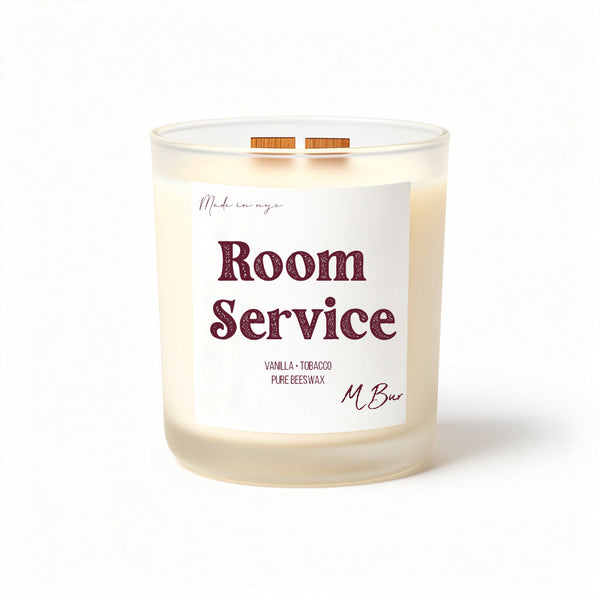
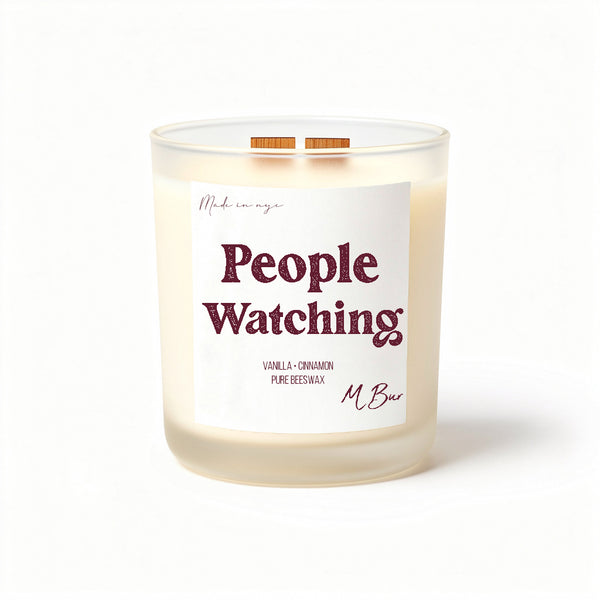
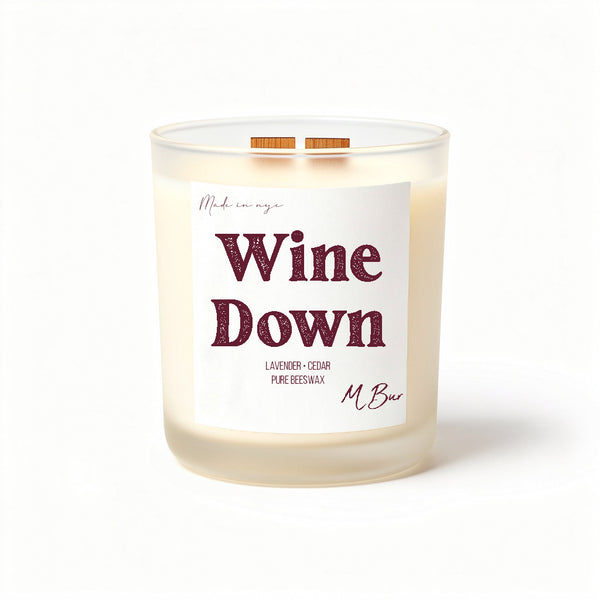
MBur is 100% beeswax across the line, paired with phthalate-free non-toxic fragrance and wooden wicks. The Room Service candle is a good example of what pure beeswax looks like and how it burns.
Frequently Asked Questions
How can I tell if a candle is really 100% beeswax?
The label should state "100% beeswax" explicitly. If it does not, assume it is a blend. Pure beeswax is also recognizable by its warm honey color, faint natural honey aroma when unscented, and slow, low-soot burn.
Is a beeswax blend better than paraffin?
Slightly, depending on the blend ratio. A 50/50 beeswax-paraffin blend is still 50% paraffin, with most of paraffin's air quality issues. The "beeswax" label can imply a clean candle when the actual composition is mostly paraffin. Always check the percentage.
Why does pure beeswax cost more?
It is a natural product with limited supply. Bees produce a finite amount, and quality filtering takes time. The price reflects both the raw material cost and the labor of producing a pure candle.
If I want clean burning, is pure beeswax always best?
For clean burning, yes, pure beeswax is the cleanest option (lowest soot, no petroleum byproducts, longest burn). The other variables (phthalate-free fragrance, wooden or cotton wick, no dyes) matter too, but the wax purity is the foundation.
The Bottom Line
"Beeswax candle" on a label does not guarantee a beeswax candle. Look for "100% beeswax" stated explicitly, verify with the color, scent, and burn behavior, and check the price (cheap beeswax is usually a blend). The benefits you want from beeswax only come from real beeswax.
Shop the full collection of clean-burning beeswax candles
What buyers say:
Related reading:

