

Beeswax vs Stearin Candles: An Honest Comparison
Beeswax vs Stearin Candles: An Honest Comparison
Stearin candles are common in Europe, especially in IKEA's lineup and many traditional taper candles, but less familiar to most American buyers. Stearin (sometimes called stearic acid wax) is made from fats: historically beef tallow, more often today palm or vegetable sources. This comparison is the honest look at how stearin compares to beeswax on the things that matter.
Browse the full MBur beeswax candle collection to see 100% beeswax in practice.
The Quick Answer
Beeswax wins on burn time, soot, and air quality. Stearin burns reasonably clean and holds shape well for tapers and pillars, but it is processed from fats (often palm-derived now, which carries the same sustainability concerns as palm wax in general). For buyers who want clean burning plus clean sourcing, beeswax is the clearer choice. Stearin is the traditional alternative to paraffin in Europe and is still meaningfully better than paraffin, but it is not in the same tier as beeswax.
What Stearin Actually Is
Stearin is a wax made from stearic acid, which is derived from fats. Historically that meant beef tallow; today most stearin candles are made from vegetable sources, most often palm. The wax has a relatively high melting point, holds shape well for freestanding candles, and burns cleanly compared to paraffin. It is hard, slightly brittle, and white or off-white in color.
Burn Time
Beeswax has the highest melting point of any candle wax, so it burns longest. Stearin has a moderately high melting point, higher than soy but lower than beeswax, so it burns longer than soy candles but not as long as beeswax. For pillars and tapers specifically, both perform well; beeswax just lasts longer per ounce.
Soot and Air Quality
Stearin burns cleanly compared to paraffin, with low soot output, no benzene or toluene. Beeswax burns cleanest of any wax, with the lowest soot, no petroleum byproducts, and potential negative ion release. Both are far better than paraffin; beeswax has a small but real edge over stearin.
Sustainability
This is where stearin gets complicated. If the stearin is from palm oil, which most commercial stearin now is, it carries the same deforestation concerns as palm wax: habitat loss in tropical regions, biodiversity impact, and the contested rigor of RSPO certification. Stearin from non-palm vegetable sources or from byproducts of beef production sidesteps that, but the source is rarely disclosed clearly. Beeswax is a renewable byproduct of beekeeping that supports pollinator populations.
Use Cases
Stearin's stiffness makes it good for tapers, pillars, and dinner candles where you want a freestanding format that holds shape. Beeswax can also be used for tapers and pillars (with the same advantages), and excels in container candles thanks to its long, clean burn. For everyday container candles, beeswax is the choice; for tapers specifically, both work well.
Comparison Table
| Factor | Beeswax | Stearin |
|---|---|---|
| Source | Made by bees | Fats (often palm-derived today) |
| Burn time | Longest | Moderate, longer than soy |
| Soot | Lowest | Low (cleaner than paraffin) |
| Negative ions | Yes (studies ongoing) | No |
| Sustainability | Renewable, pollinator-friendly | Depends on source (palm concern) |
| Best format | Containers, tapers, pillars | Tapers, pillars |
| Common in US? | Yes | Less common (more in Europe) |
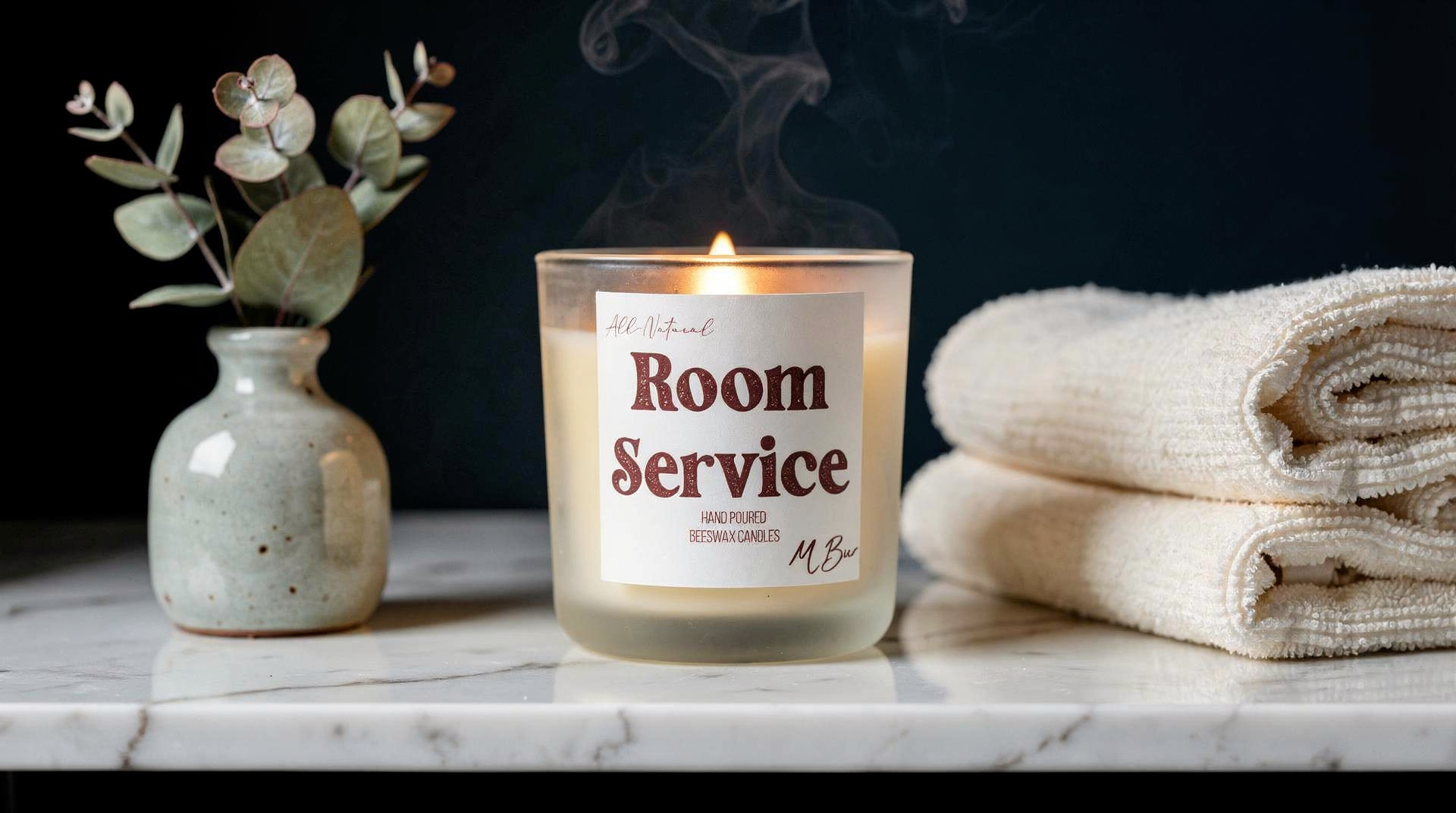
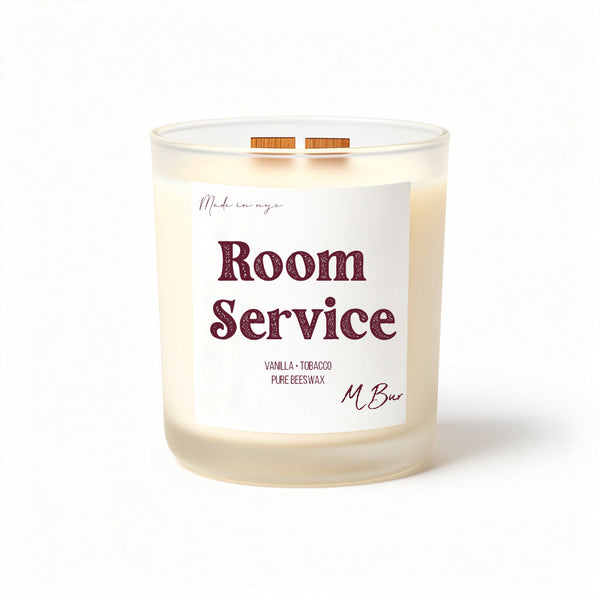
MBur uses 100% beeswax across the line, paired with phthalate-free non-toxic fragrance and wooden wicks. The Room Service candle is a good example of beeswax in container format.
Frequently Asked Questions
Is stearin a clean candle wax?
Compared to paraffin, yes, stearin burns more cleanly with less soot and no petroleum byproducts. Compared to beeswax, it is similar in burn cleanliness but lower on burn time and carries sustainability questions when palm-derived. It is a reasonable middle-ground option, not a clean-burning premium choice.
Is most stearin made from palm oil?
Most commercial stearin today is palm-derived, though some still comes from beef tallow or other vegetable sources. The source is rarely disclosed clearly on candle labels. If sustainability matters to you, the lack of disclosure is itself worth noting.
Why is stearin common in IKEA candles?
Stearin is the traditional European candle wax (paraffin is more dominant in the US), with established supply chains and use cases. It holds shape well for tapers and pillars, which are more common in European candle culture. IKEA's broad reach has made stearin candles familiar to many international buyers.
Are stearin candles vegan?
It depends on the source. Plant-based stearin (palm, vegetable) is vegan; stearin from beef tallow is not. The label rarely specifies, which is a problem for vegan buyers. Beeswax is not vegan either (it is an animal byproduct), so if vegan status matters, soy or coconut wax candles are clearer choices.
The Bottom Line
Beeswax beats stearin on burn time, soot, and sustainability transparency. Stearin is a reasonable European-traditional alternative to paraffin, especially for tapers and pillars, but it is not as clean as beeswax and carries hidden palm sourcing questions. For everyday container candles and overall cleanest burning, beeswax is the better choice.
Shop the full collection of clean-burning beeswax candles
What buyers say:
Related reading:

