

Natural vs Synthetic Candle Dyes: What's in the Color?
Natural vs Synthetic Candle Dyes: What's in the Color?
The color of a candle is usually pure aesthetics, but the dye that creates it can affect burn quality, soot output, and what gets released into your air. Synthetic dyes are the industry default; natural dyes are less common and rarely used in mass production. The simplest answer for clean burning is to skip dyes entirely. This comparison covers what each type actually is and why undyed is usually the cleaner choice.
Browse the full MBur beeswax candle collection to see undyed candles in practice.
The Quick Answer
Synthetic candle dyes are derived from petroleum (azo compounds and similar), the same chemistry that makes the most vivid dye colors possible. Natural dyes use plant or mineral sources but tend to produce muted colors and can affect burn behavior. Both can add some level of soot when burned, especially in darker shades. The cleanest option is to skip dyes entirely and use the natural color of the wax, which is what most clean-candle brands do.
What Synthetic Dyes Are
Most candle dyes on the market are synthetic, made from petroleum derivatives like azo dyes. They are valued for their vivid range of colors, fade resistance, and consistency batch to batch. The downside is that synthetic dyes can contribute to soot output when burned, especially in dark colors, and some formulations may release additional VOCs. They are also a separate ingredient layered on top of the wax, fragrance, and wick, which adds complexity to what is actually in the candle.
What Natural Dyes Are
Natural candle dyes use plant or mineral sources: beet powder for red, turmeric for yellow, indigo for blue, mica for shimmer. They produce muted, more limited color ranges than synthetic dyes. Natural dyes can still affect burn behavior (they are still solids dissolved in wax), but they avoid the petroleum derivatives. They are far less common in commercial candle production because they are more expensive and harder to use consistently.
Soot and Burn Quality
Any dye, natural or synthetic, can affect a candle's burn. Darker shades tend to produce more soot regardless of dye source, because more dye material has to combust. Undyed candles are the cleanest-burning option for soot specifically. If you have light-colored walls or sensitive lungs, undyed is the easiest answer.
Why Skip Dyes Entirely
The cleanest candles use no dyes. Beeswax has its natural warm honey color; soy and coconut are naturally creamy white. These wax colors are pleasant on their own and add no extra combustion variable. Skipping dyes also signals brand transparency: a candle that does not need synthetic color is usually a candle that did not need other shortcuts either.
Comparison Table
| Factor | Synthetic Dyes | Natural Dyes | Undyed |
|---|---|---|---|
| Source | Petroleum derivatives | Plant or mineral | None |
| Color range | Vivid, wide | Muted, limited | Natural wax color |
| Soot output | Higher (esp. dark colors) | Moderate | Lowest |
| VOC contribution | Possible | Minimal | None |
| Brand transparency | Often undisclosed | Usually disclosed | Self-evident |
| Common in mass market? | Yes | Rare | Common in clean brands |
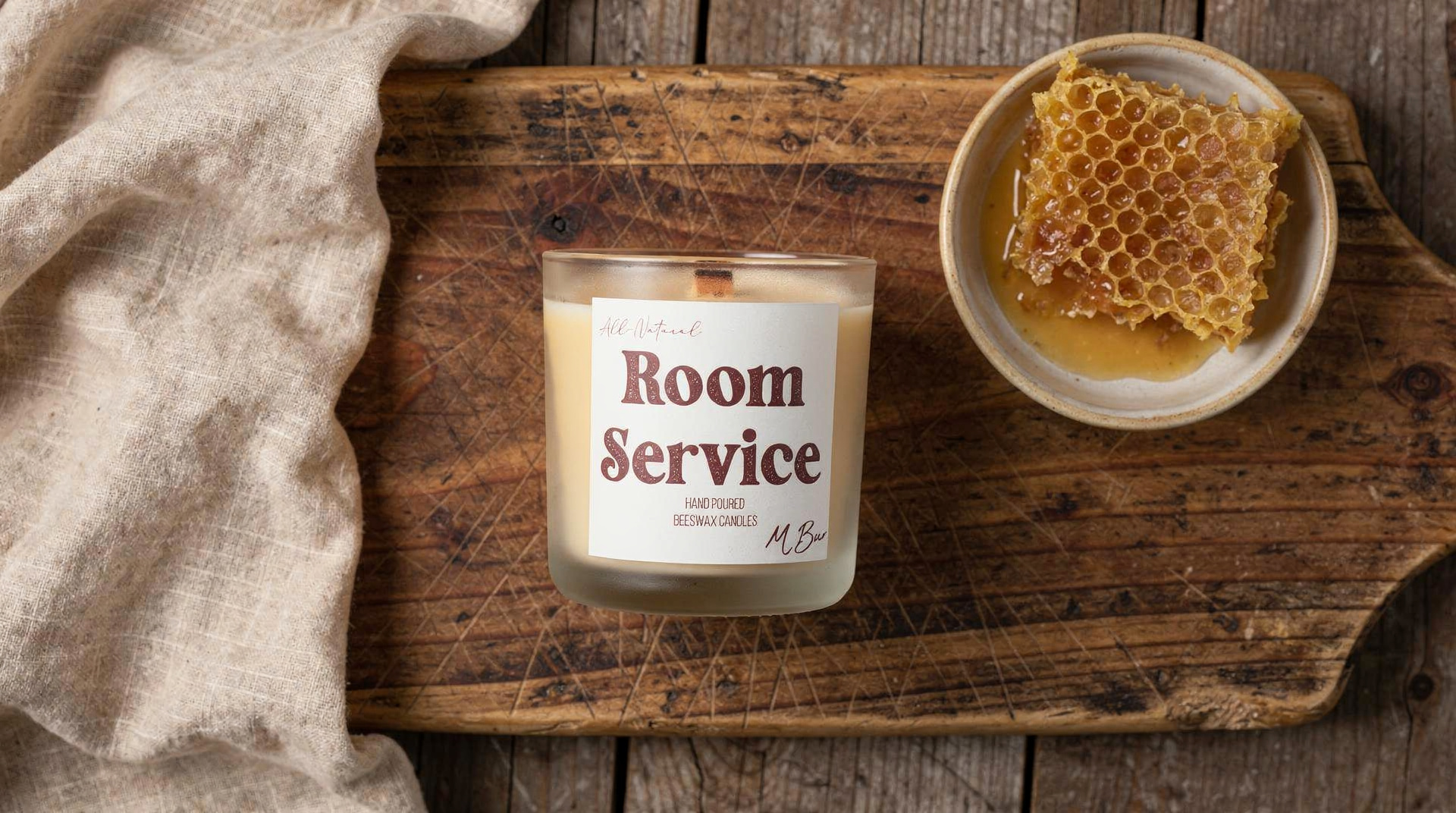
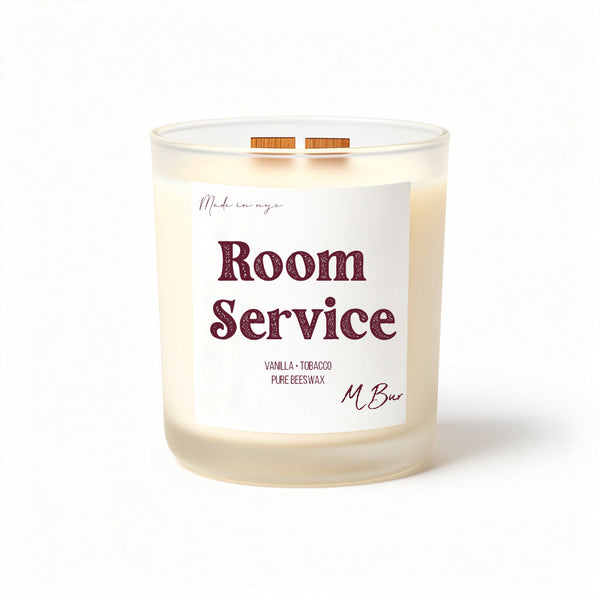
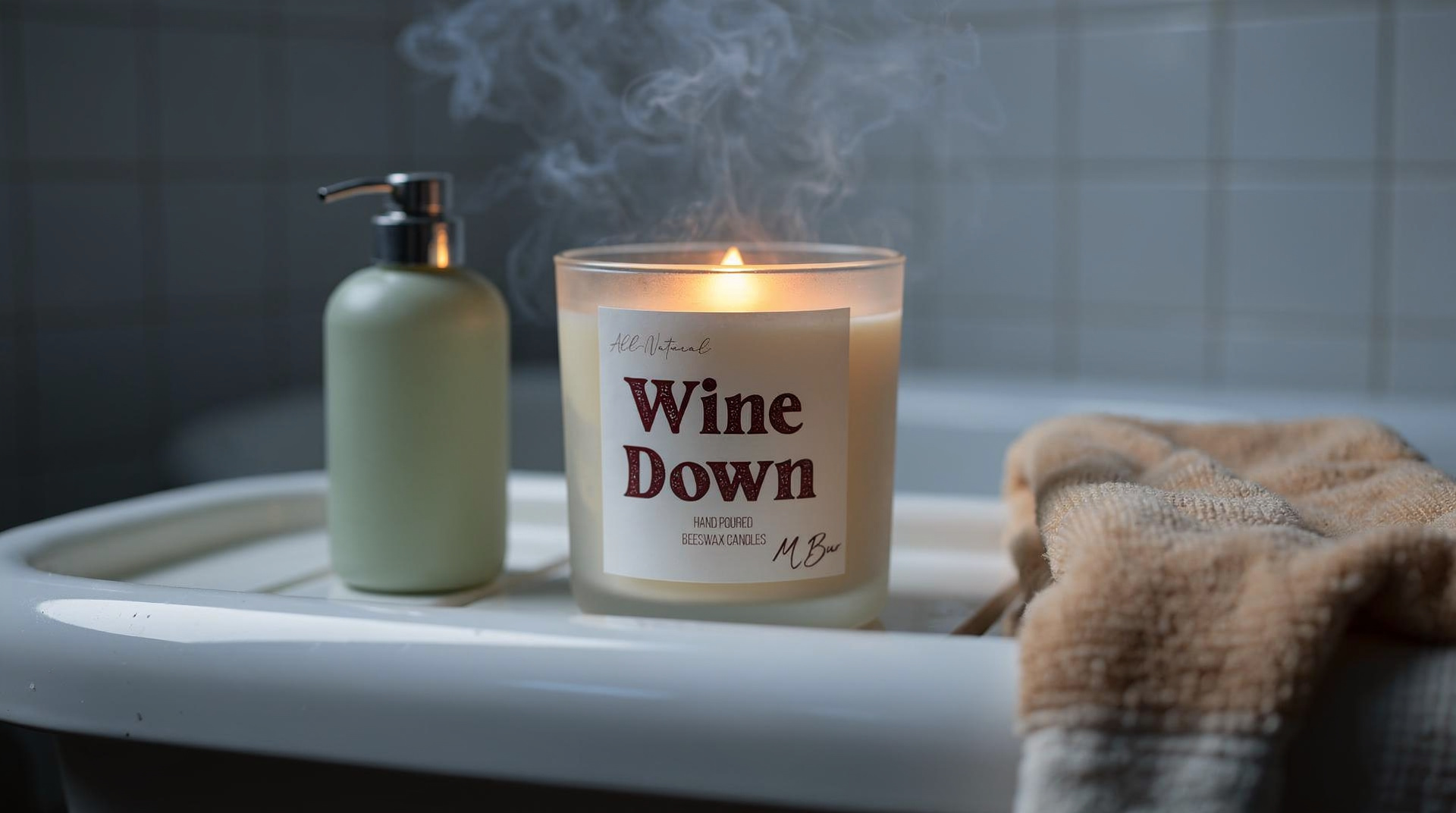
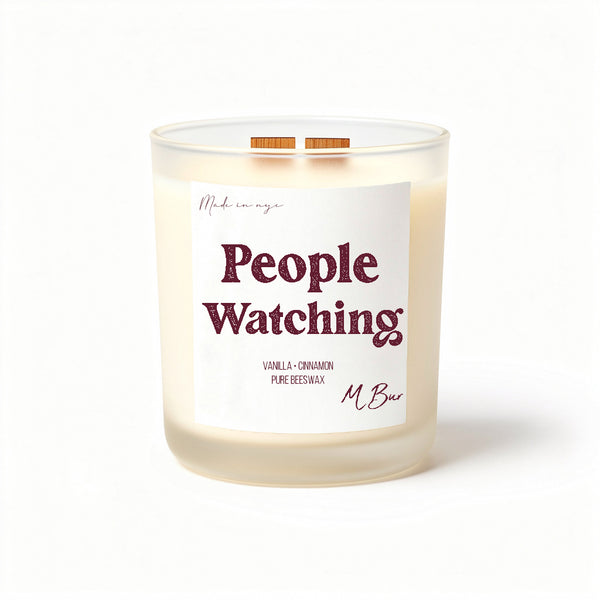
MBur uses no dyes across the line, just the natural honey color of 100% beeswax. The Room Service candle and the rest of the line show what undyed beeswax looks like in a finished candle: warm and natural.
Frequently Asked Questions
Are synthetic candle dyes safe?
They are not classified as toxic at normal candle use levels, but they are petroleum derivatives and can contribute to soot when burned. For sensitive lungs or anyone trying to minimize VOCs and soot, undyed candles are the cleaner option.
Why are colored candles common if dyes affect burn quality?
Color is a strong purchase driver. Vivid candles look more appealing on a shelf. The burn-quality tradeoff is usually small enough that mass-market brands accept it for the visual appeal. Clean-candle brands often skip dyes precisely because of that tradeoff.
Do undyed candles look boring?
Beeswax has a natural warm honey color that many people prefer to dyed candles. Soy and coconut are creamy white. The natural color is a feature, not a deficiency, and it pairs well with most decor.
Do natural dyes burn cleaner than synthetic ones?
Slightly. Natural dyes avoid the petroleum derivatives, but any solid material dissolved in wax can contribute to soot when burned, especially in darker shades. Undyed is still the cleanest. Natural dyes are a middle ground rather than a clean solution.
The Bottom Line
Synthetic dyes are the industry default and add a petroleum derivative to your candle. Natural dyes are rare and a middle ground. The cleanest option is undyed candles that use the natural color of the wax. If you are choosing for clean burning, look for "no dyes" or "naturally colored" on the label, and let beeswax's honey tone or soy's creamy white do the work.
Shop the full collection of clean-burning beeswax candles
What buyers say:
Related reading:

