

Candle Warmer Temperature: What's Ideal and What's Too Hot
Your candle warmer is cranked to the highest setting, the wax is pooling fast, and the scent hit you like a wall for about twenty minutes. Now the room smells like warm nothing. The fragrance vanished, the wax looks slightly brown around the edges, and you are wondering if the warmer is broken or if you bought a dud candle.
The warmer is fine. The candle is probably fine too. The problem is temperature. Most people assume higher heat means stronger scent, and it makes intuitive sense. But wax chemistry works the opposite way, and once you understand why, you can get hours more fragrance out of the same candle. You will also avoid the safety risks that come with overheating wax in a glass vessel.
If you are shopping for candles that perform well on a warmer (or off one), MBur's full beeswax candle collection is worth browsing. Beeswax behaves differently from soy and paraffin on warmers, and we will get into exactly why below.
Why Cranking the Heat Kills Your Scent
Fragrance oils are volatile compounds suspended in wax. When you warm the wax, those compounds evaporate into the air. That is your scent throw. The catch: heat that is too aggressive causes those fragrance molecules to evaporate all at once instead of releasing slowly over hours.
Think of it like boiling a pot of broth versus letting it simmer. A hard boil sends all the steam (and flavor) into the air in minutes. A low simmer fills the kitchen gradually and keeps going. Wax works the same way.
Most candle warmer lamps operate between 120°F and 160°F, which is a solid range for melting wax and releasing fragrance at a steady pace. But the halogen bulbs inside some warmers can reach 300°F to 500°F at the bulb surface. If the bulb sits too close to the candle, you are effectively scorching the top layer of wax, burning off the fragrance in a burst, and degrading the wax structure so it discolors.

The Ideal Temperature Range (and Why It Varies by Wax)
There is no single magic number, but the expert consensus lands here: keep your wax below 200°F, and aim for the 130°F to 175°F range for the best balance of scent throw and longevity. ASTM safety standards recommend that the container itself should not exceed 170°F.
Different waxes have different melting points, and that changes how they respond to a warmer:
| Wax Type | Melting Point | Warmer Behavior |
|---|---|---|
| Soy wax | 115°F to 130°F | Melts quickly, very sensitive to overheating. Fragrance burns off fast on high settings. |
| Paraffin wax | 120°F to 150°F | Melts at moderate heat. Releases soot compounds even without a flame when overheated. |
| Beeswax | 144°F to 149°F | Highest melting point of natural waxes. Holds fragrance longer at moderate heat. Needs a warmer that actually reaches its melting point. |
Beeswax's higher melting point is actually an advantage on a warmer. Because it takes more energy to melt, it resists that "fragrance dump" problem. The scent releases more gradually, and the wax holds its structure longer before breaking down. A beeswax candle on a properly calibrated warmer will outlast a soy candle on the same device.
That said, if your warmer only reaches 110°F to 120°F (some cheaper models top out there), beeswax may not form a full melt pool. You will get a faint scent but not the full throw. Check your warmer's specs before assuming the candle is weak.
Five Mistakes That Wreck Your Warmer Experience
1. Defaulting to the highest setting
If your warmer has adjustable heat, start on the lowest setting. Only increase if a full melt pool has not formed after 30 to 45 minutes. If the low setting works, turning it up does nothing positive. It just burns through fragrance faster.
2. Running it all day without a break
Experts recommend 3 to 4 hours per session, then letting the candle cool completely before restarting. This preserves both the wax and the fragrance load. Most quality warmers now include a 12 hour auto shutoff, and you should actually use it.
3. Blaming the candle when the room is the problem
A small candle in a large, open floor plan will struggle regardless of temperature. Match candle size to room size. And placement matters: a warmer tucked into a tight corner restricts airflow, which means the fragrance pools in one spot instead of dispersing. Move it to a more open surface.

4. Ignoring the dead wax layer
After several warming sessions, the top layer of wax can lose its fragrance even though plenty of scented wax remains underneath. If the scent fades but the candle still has wax, carefully pour off the top layer once it cools and solidifies. The fresh wax below still holds its fragrance.
5. Using a warmer not designed for jar candles
Hot plate warmers designed for wax melts and warmer lamps designed for jar candles are different devices. Using a high heat hot plate with a jar candle can overheat the glass and create a genuine fire risk. Make sure your device matches your candle format.
What to Look for in a Safe Candle Warmer
The warmer market has gotten better in 2025 and 2026. Smart warmers with adjustable heat controls, LED heating elements, and automatic shutoff timers are increasingly common. Here is what actually matters when choosing one:
- Adjustable heat settings: Non negotiable. A single fixed temperature cannot account for different wax types and room conditions.
- UL or ETL certification: This means the device has been tested for electrical safety. Skip uncertified warmers.
- Auto shutoff timer: A 12 hour timer is now considered standard. If your warmer does not have one, replace it.
- Appropriate wattage for the bulb: For lamp style warmers, a 25W to 40W bulb is typical. Higher wattage bulbs generate more heat than most candles need.
Why Your Wax Type Matters More Than Your Warmer Settings
Temperature management is important, but it only goes so far if the wax itself is working against you. Paraffin wax is a petroleum byproduct, and when it overheats, it releases volatile organic compounds even without combustion. Soy wax is a step up, but many soy candles are actually soy blends cut with paraffin, and they often use toxic fragrance oils loaded with phthalates.
Beeswax is the densest and cleanest burning natural wax available. It produces no soot, holds fragrance steadily across a wide temperature range, and does not release the same VOC profile as paraffin when warmed. If you are using a candle warmer partly because you want to avoid combustion byproducts, the wax you are warming still matters.
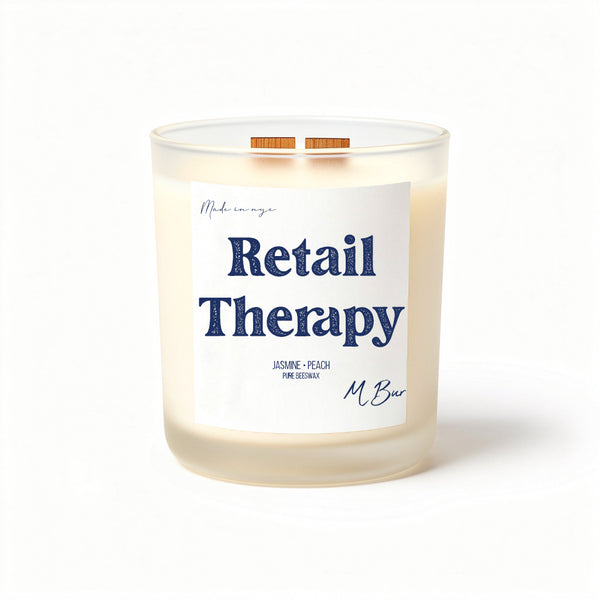
"I absolutely love these candles! I instantly notice the difference in the air quality, in comparison to the Bath & Body scented candles. I love Bath & Body's candles but I acknowledge that it caused a slight headache and other minor respiratory discomfort. Awesome products. Totally addicted." Jason H., Retail Therapy review
MBur candles are 100% pure beeswax with wooden wicks and phthalate free fragrance. The Retail Therapy candle Jason mentions above uses notes of red currant, black currant, jasmine, peach, black tea, amber, anise, and tonka bean. On a warmer set to 140°F to 160°F, beeswax like this will hold a steady scent throw for hours without the rapid burnoff you get from softer waxes.

Frequently Asked Questions
Can I use a candle warmer with a wooden wick candle?
Absolutely. Since the warmer melts the wax without a flame, the wick type does not affect performance. You still get the fragrance throw. You just will not get the crackling sound that makes wooden wick beeswax candles so satisfying when lit. Many people alternate: warmer during the day for background scent, flame in the evening for ambiance.
How long do beeswax candles actually last on a warmer?
Longer than soy or paraffin. Beeswax's higher melting point means it melts more slowly and holds fragrance longer per session. MBur's 80 hour candles at $65 are already the longest burning option when lit. On a warmer, you can stretch that even further because you are not consuming the wick.
My candle smells great when I light it but barely smells on the warmer. Why?
Your warmer probably is not reaching the wax's melting point. Beeswax needs at least 144°F to fully melt and release its scent. Check your warmer's specs. If it maxes out around 110°F to 120°F, it is designed for softer waxes. You may need a warmer with adjustable heat or a slightly higher wattage bulb.
Does warming a candle release the same toxins as burning one?
Warming eliminates soot and combustion byproducts like carbon monoxide entirely. However, the wax and fragrance oils still release some volatile compounds when heated. This is why wax type and fragrance quality matter. A pure beeswax candle with non toxic, phthalate free fragrance releases far fewer concerning compounds than a paraffin candle with undisclosed fragrance ingredients, whether warmed or burned.
The Short Version
Keep your candle warmer in the 130°F to 175°F range, start on the lowest setting, and take breaks every 3 to 4 hours. Higher heat does not mean better scent. It means faster burnoff and shorter candle life. And if you are going to the trouble of using a warmer for cleaner air, make sure the candle itself is actually clean: pure wax, no toxic fragrance, no paraffin fillers.
MBur's beeswax candles are built for exactly this. 100% beeswax, wooden wicks, phthalate free fragrance, handmade in Queens, New York. Whether you warm them or light them, they perform. Browse the full collection here.
Related reading

