

$80 vs $40 Candle: What You're Actually Paying For
The $40 Candle on Your Nightstand Might Be Costing You More Than the $80 One
Two candles sit on a shelf. One costs $40, the other $80. They weigh about the same. They both smell good in the store. So what exactly doubles the price?
This is the question that sends people down a rabbit hole of Reddit threads and conflicting blog posts. Some will tell you luxury candles are a scam, that you're paying for a label. Others insist cheap candles are burning petroleum in your living room. The truth sits somewhere more specific, and more useful, than either extreme.
We're going to break this down ingredient by ingredient, hour by hour, and dollar by dollar. By the end, you'll know exactly where candle money goes and whether the premium is worth it for the way you actually use candles. If you want to skip ahead and see what a transparent premium candle looks like, browse our full beeswax candle collection where every ingredient and burn time is listed upfront.
The Five Things That Actually Determine Candle Price
Candle pricing breaks down into five categories. Some are about performance. Some are about marketing. Knowing which is which saves you money and headaches.
1. Wax Type
This is the single biggest factor in how a candle performs, and it's where the cost gap starts. Budget candles (under $20) almost always use paraffin wax, a petroleum byproduct that's cheap to source and easy to work with. It burns fast, produces visible soot, and releases compounds like benzene and toluene into your air.
Mid range candles ($20 to $45) typically use soy wax or soy blends. Soy is a step up from paraffin. It burns cleaner and slower. But "soy blend" is a loose term. Many blends are majority paraffin with enough soy to put "soy" on the label. Unless the brand specifies 100% soy, assume there's paraffin in there.
Premium candles ($40 and up) tend to use coconut wax, beeswax, or high quality soy. Beeswax is the most expensive candle wax on the market because it's a natural byproduct of honey production, not something you can synthesize in a factory. It also has the highest melting point of any candle wax, which is why it burns significantly longer than soy or paraffin, hour for hour.

2. Fragrance Quality
A candle that smells incredible on the shelf but fades twenty minutes after lighting is using fragrance designed to sell, not to perform. Budget brands often load up on toxic fragrance oils, the kind packed with phthalates and undisclosed chemicals, because they produce a strong "cold throw" (the scent you smell before lighting). That cold throw gets you to buy. The hot throw, what actually matters when the candle is burning, is a different story.
Premium fragrance costs more because it's engineered with top, middle, and base notes that unfold over hours. Non toxic, phthalate free fragrance oils cost roughly two to four times what conventional fragrance compounds cost at wholesale. That price difference shows up directly in the retail tag.
3. Wick Engineering
This is the unsexy factor nobody talks about, but it determines whether your candle tunnels, smokes, or burns evenly to the edges. A wick that's too small for the vessel creates tunneling. Too large and you get a dangerously high flame, excess soot, and a candle that burns through its wax in half the advertised time.
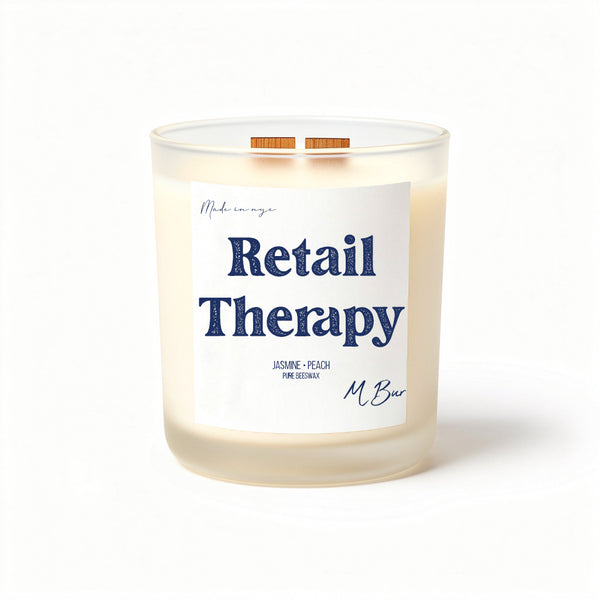
Premium brands test wick sizes against specific vessel diameters. Wooden wicks, which cost more than cotton wicks, burn at a lower temperature and create a wider melt pool, which means more even wax consumption and better scent distribution.
4. Vessel and Packaging
A significant chunk of what you pay for in a luxury candle is the container. Diptyque's iconic glass, Jo Malone's cream colored boxes, Voluspa's decorative tins. These are designed to function as decor after the wax is gone. Whether that's worth it depends on whether you actually reuse the vessel or throw it away.
A handsome vessel adds value if you keep it. If it ends up in the trash, you paid a premium for packaging that lasted a few weeks on your coffee table.
5. Brand Tax vs. Maker Tax
This is the uncomfortable one. A portion of every luxury candle's price covers marketing, retail markup, and brand positioning. Diptyque candles are sold through department stores that take 40 to 50% of the retail price. The brand has to price accordingly.
Small batch makers price differently. Their costs are driven by raw materials and labor, not retail partnerships and ad budgets. A $65 candle from a two person operation in Queens is paying for 80 hours of beeswax and someone's hands. A $75 candle from a heritage French brand is paying for a Saks counter.
The Comparison Table: What Your Money Actually Buys
| Factor | Budget ($15 to $30) | Mid Range ($30 to $50) | Premium ($50 to $80+) |
|---|---|---|---|
| Wax | Paraffin or "soy blend" (often mostly paraffin) | Soy, coconut blend, or coconut soy | 100% beeswax, coconut, or premium soy |
| Fragrance | Toxic fragrance oils with phthalates common | Improved fragrance, some phthalate free options | Non toxic, phthalate free, layered scent profiles |
| Typical Burn Time | 25 to 40 hours | 40 to 55 hours | 55 to 80+ hours |
| Cost Per Hour | $0.60 to $0.80/hr | $0.55 to $0.75/hr | $0.75 to $0.85/hr (but often lower for beeswax due to extended burn) |
| Wick | Cotton, often poorly sized | Cotton or wood, better matched | Wooden wick, precision matched to vessel |
| Soot Production | Visible black soot common | Minimal with proper wick trimming | Little to none |
| Scent Throw | Strong cold throw, weak or fading hot throw | Moderate to good hot throw | Consistent hot throw through full burn |
| Production | Mass produced, factory | Varies, some handmade | Small batch, hand poured |
The cost per hour column is where most people's assumptions flip. A Yankee Candle at $28 that burns for 35 hours runs you $0.80 per hour. An 80 hour beeswax candle at $65 costs $0.81 per hour, but delivers a fundamentally different burning experience: no soot on your walls, a crackling wooden wick, non toxic fragrance, and a scent that fills the room consistently from first light to last.

Where the Real Value Gap Lives
Price per hour tells you about economics. It does not tell you about what's going into your air.
Paraffin candles release volatile organic compounds when burned. Toxic fragrance oils add phthalates, parabens, and undisclosed chemicals under the catch all term "fragrance" on the label. Chemical dyes contribute additional compounds. Metal core wicks (still found in some budget imports) can release trace heavy metals.
A premium candle made with 100% beeswax, a wooden wick, phthalate free fragrance, and no chemical dyes eliminates every one of those concerns. That is a real, measurable difference, not a marketing narrative.
"I absolutely love these candles! I instantly notice the difference in the air quality, in comparison to the Bath & Body scented candles. I love Bath & Body's candles but I acknowledge that it caused a slight headache and other minor respiratory discomfort. Awesome products. Totally addicted." Jason H., verified buyer of Retail Therapy
Jason's experience is common. People who switch from paraffin based candles to beeswax often report fewer headaches and less irritation. The reason is straightforward: fewer irritants in the air means less for your body to react to.
How the Big Names Stack Up
A few reference points from the current market:
Diptyque : Gorgeous vessels, complex fragrances developed by professional perfumers, strong brand cachet. Uses a vegetable and paraffin wax blend. You're paying significantly for the name and the retail channel markup.
Voluspa : Beautiful decorative containers, coconut wax blend, solid scent throw. Good mid range option. The vessel is genuinely reusable, which adds real value if you keep it.
NEST New York : Known for aggressive fragrance load and excellent hot throw. Uses a proprietary wax blend. If room filling scent strength is your primary concern, NEST delivers.
Yankee Candle : Consistent, widely available, enormous scent library. Uses paraffin. If you burn candles casually and aren't concerned about wax type, the price is hard to argue with. But you're burning petroleum.
None of these use pure beeswax. Beeswax is expensive, difficult to work with, and doesn't scale easily to mass production. That's exactly why most brands avoid it, and why the ones that use it charge more.
So Who Should Spend $80 on a Candle?
The honest answer depends on how you use candles.
If you burn candles occasionally for ambiance at a dinner party, a $30 to $45 candle from a brand like Voluspa will do the job. You'll get a nice vessel, decent scent, and a clean enough burn for a few hours of use.
If you burn candles regularly, multiple times a week, in rooms where you sleep, work, or spend extended time, the wax type and fragrance quality matter significantly more. The cumulative exposure to paraffin soot and toxic fragrance compounds adds up over months. This is where a premium beeswax candle pays for itself in both burn hours and air quality.
If you have sensitivities, allergies, pets, or children in the home, the cleanest possible burn is worth the premium. Beeswax is naturally hypoallergenic. Paired with a wooden wick and phthalate free fragrance, it's the lowest irritant option available.
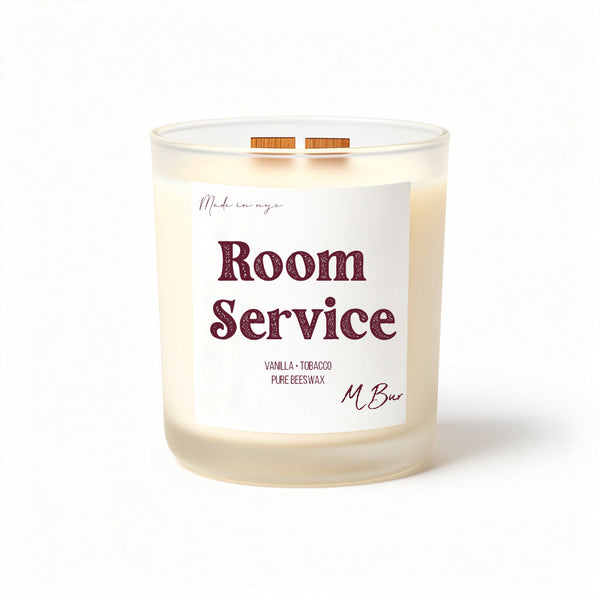
MBur's Room Service candle, our bestseller, runs 80 hours in the largest size at $65. That's $0.81 per hour for 100% beeswax, a crackling wooden wick, non toxic fragrance, and zero chemical dyes. Handmade in Queens, New York. Every ingredient listed, nothing hidden.

Frequently Asked Questions
Is the price per hour actually lower for expensive candles?
Often, yes. Beeswax has the highest melting point of any candle wax, so it burns slower than soy or paraffin at comparable sizes. An 80 hour beeswax candle at $65 costs about $0.81 per hour. A 30 hour paraffin candle at $25 costs $0.83 per hour. The math favors the premium candle, especially when you factor in the cleaner burn. You can compare sizes and burn times across our full collection.
Why do some expensive candles still tunnel?
Tunneling happens when the wick is undersized for the vessel diameter, or when you don't let the wax melt fully to the edges on the first burn. Even premium candles can tunnel if the first burn is cut short. Wooden wicks help because they create a wider melt pool than cotton wicks, which reduces the risk significantly.
Do beeswax candles really burn longer than soy?
Yes. Beeswax has a higher melting point than both soy and paraffin, which means it takes more heat energy to consume the same amount of wax. In practice, a beeswax candle burns roughly 30 to 50% longer than a soy candle of the same weight. MBur's 80 hour size is the largest option available and delivers on that number consistently.
Can I get a good candle for under $30?
You can get a decent candle for under $30. Voluspa and Public Goods both offer reasonable options in that range with cleaner wax blends. What you likely won't find under $30 is pure beeswax, which simply costs more as a raw material. MBur's 20 hour size starts at $20 if you want to experience the difference without committing to the full size.
What should I look for on a candle label to know if it's worth the price?
Three things: the specific wax type ("100% soy" or "100% beeswax," not "soy blend"), whether the fragrance is phthalate free, and the wick material. If the label says "fragrance" without specifying phthalate free or non toxic, assume it contains compounds you'd rather not burn in your home.
The Bottom Line
The gap between a $40 candle and an $80 candle is real, but it's not always where you'd expect. Some of that premium goes to wax quality and fragrance engineering that genuinely improves your experience. Some of it goes to brand heritage and retail markup that has nothing to do with what's in the jar.
The smartest move is to look at cost per hour, wax purity, and fragrance transparency. By those metrics, a pure beeswax candle with a wooden wick and phthalate free fragrance delivers the most value per dollar burned.
"This candle permeates every corner of the room. Can't say enough about how impressed I am with this company." Tiffany Gordon, verified buyer
Explore MBur's full beeswax candle collection to see every scent, size, and price listed transparently. Starting at $20 for the 20 hour size, up to $65 for 80 hours of the cleanest burn you'll find.
Related reading

