

How to Get Rid of Backpack and School Bag Smell: A Step by Step Guide
That funk rolling out of your kid's backpack when they unzip it after school is not mystery meat from the cafeteria. It is bacteria. Specifically, it is colonies of odor producing microorganisms feasting on trapped sweat, forgotten food residue, and moisture that never had a chance to evaporate from the foam padding and synthetic lining.
The good news: backpack odor is completely fixable. The better news: once you understand why it happens, preventing it takes almost no effort. This guide walks you through the full process, from deep cleaning a bag that already smells to keeping it fresh all semester long.
Why Backpacks Smell in the First Place
Nylon and polyester, the two most common backpack fabrics, are woven tight enough to trap moisture but porous enough to absorb volatile compounds from bacteria and mold. Every time a sweaty back presses against the pack's rear panel, moisture wicks into the foam. Toss in a damp gym shirt or a half eaten apple that rolled to the bottom of the bag, and you have created a warm, dark incubator.
The organisms responsible produce the same volatile compounds you smell in locker rooms and old gym shoes. And because the bag gets zipped shut and stored in a closet overnight, airflow (the one thing that would slow bacterial growth) never reaches the interior.
Masking the smell with fabric sprays does nothing to address the source. The bacteria are still there, still multiplying, and the odor returns within hours. To actually fix the problem, you need to kill the organisms and remove the organic material they feed on.

Step by Step: Deep Cleaning a Smelly Backpack
Step 1: Empty and Vacuum
Unzip every pocket and compartment. Shake the bag upside down over a trash can to dislodge crumbs and debris. Then run a vacuum hose attachment through each pocket. You would be surprised how much grit collects in the seams.
Step 2: Spot Treat Problem Areas
Mix three tablespoons of baking soda with one tablespoon of warm water to form a paste. Apply it directly to the shoulder straps, the back panel, and any visible stains. Let it sit for 10 to 15 minutes. These high contact zones absorb the most sweat and need targeted attention before a full wash.
Step 3: Hand Wash with a Vinegar Solution
Fill a basin or bathtub with lukewarm water (never above 86°F, which can damage waterproof coatings). Add a small amount of mild, fragrance free detergent and a cup of white vinegar. The acetic acid in vinegar breaks down odor compounds without harming DWR (durable water repellent) finishes.
Submerge the bag and let it soak for 5 to 10 minutes. For severe odor, you can extend this to overnight. Use a soft bristled brush or old toothbrush to gently scrub the straps, zipper lines, and interior lining.
A note on machine washing: many structured or technical backpacks should never go in the washing machine. The agitation can warp internal frames, ruin waterproof coatings, and damage zippers. Always check the care label first. When in doubt, hand wash.
Step 4: Rinse Thoroughly
Drain the basin and rinse with fresh lukewarm water until no suds remain. Detergent residue left in the fabric will attract new dirt and can create its own musty smell over time.
Step 5: Dry Completely (This Is the Step People Skip)
Press excess water out with a clean towel. Never wring the bag, which can damage internal structure. Hang it upside down in a well ventilated, shaded area. Do not use a dryer. High heat can melt protective coatings and permanently set stains. And do not store the bag until it is bone dry. Zipping a damp backpack shut is exactly how the smell started in the first place.

The Baking Soda Overnight Method (For Mild Odor)
If the bag is not dirty enough to warrant a full wash but still carries a stale funk, baking soda alone can do the job. Sprinkle a generous amount inside the main compartment, zip it shut, and leave it for 24 hours minimum. For deeper odor, leave it for two to three days. Vacuum out the baking soda when you are done.
Baking soda works because it is a base that neutralizes the acidic compounds bacteria produce. It also absorbs residual moisture, which slows future bacterial growth.
For Stubborn, Won't Quit Smells: Enzyme Cleaners
If vinegar and baking soda did not fully solve the problem, the odor source is likely deeply embedded organic matter, possibly mold in the foam padding. Enzyme based cleaners (the same type used for pet messes) break down organic material at a molecular level. Spray liberally inside the bag, let it sit according to the product directions, then rinse and air dry.
A persistent musty smell specifically can indicate mold or mildew growth, which the EPA notes can trigger respiratory issues and allergic reactions. If you see visible mold spots, the enzyme cleaner route is worth the extra effort.
How to Keep the Smell from Coming Back
Cleaning a backpack once is satisfying. Cleaning it every two weeks because the smell keeps returning is not. Prevention comes down to three habits:
Empty the bag daily. Food wrappers, damp towels, sweaty gym clothes. None of it should stay overnight. This single habit eliminates most backpack odor before it starts.
Let it breathe. After school, unzip the bag and leave it open in a ventilated area rather than tossing it straight into a closet. Airflow is the enemy of odor causing bacteria.
Monthly maintenance. A quick wipe down of the interior with a damp cloth and a light baking soda treatment once a month keeps things under control between deep cleans. Aim for a thorough deep clean at least twice a year.

Freshening the Room Around the Bag
Once the backpack itself is clean, the room where it lives matters too. A kid's bedroom or a mudroom that smells stale will re contaminate a freshly washed bag faster than you would expect. Keeping the air in that space clean helps the results last.
This is where the candle you burn in the background actually matters more than you might think, and not because it masks anything. Paraffin candles (the cheap ones from the drugstore) release soot, benzene, and toluene into the air. Burning one in a small bedroom while trying to freshen things up is counterproductive. You are adding airborne irritants to a room you just cleaned.
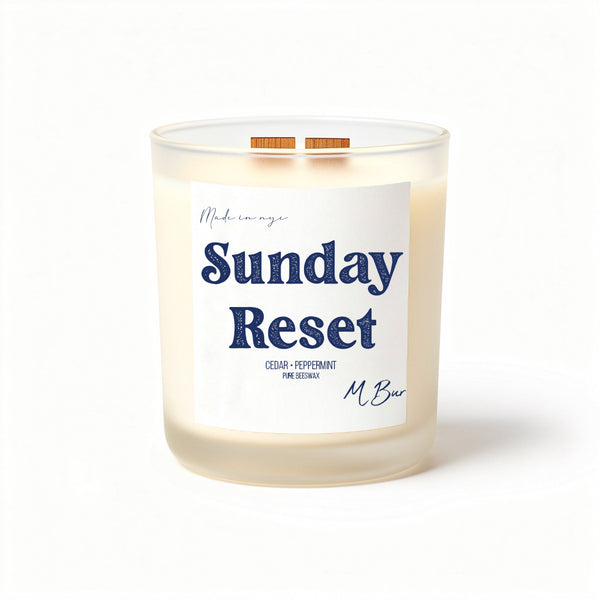
Beeswax burns cleaner than any other candle wax. No petroleum byproducts, no black soot on the walls, and a burn time that outlasts soy and paraffin by a wide margin. If you keep a candle going in the room where bags get stored, something like Sunday Reset, with its eucalyptus and peppermint notes, gives the space a crisp, clean scent that complements a freshly washed bag rather than competing with it. The full MBur beeswax candle collection runs from bright citrus to warm vanilla, so there is a scent that fits whatever room you are working with.
"I absolutely love these candles! I instantly notice the difference in the air quality, in comparison to the Bath & Body scented candles. I love Bath & Body's candles but I acknowledge that it caused a slight headache and other minor respiratory discomfort. Awesome products. Totally addicted." Jason H.
What NOT to Do (Common Mistakes)
Skip the dryer. High heat melts protective coatings, warps structural elements, and can permanently set odors into the fabric rather than removing them.
Avoid bleach and fabric softener. Both degrade waterproof coatings and can cause discoloration on synthetic fabrics. Stick with mild detergent, vinegar, or enzyme cleaners.
Do not store it damp. This deserves repeating because it is the single most common cause of recurring backpack smell. If the foam padding is still even slightly damp when you zip it up and put it away, you are restarting the bacterial cycle from scratch.
Do not rely on sprays alone. Fabric deodorizers like Febreze mask odor temporarily. They do not remove the bacteria producing it. Use them as a supplement after cleaning, not as a substitute for it.
Frequently Asked Questions
Why does my backpack smell even after I wash it?
Moisture is almost certainly still trapped in the foam padding or interior lining. Bacteria continue to thrive in damp environments even after a wash. Make sure you are air drying the bag completely (upside down, all zippers open, in a ventilated area) before storing it. If the smell persists after a thorough dry, try an enzyme cleaner to break down deeply embedded organic matter.
Can I put my backpack in the washing machine?
Some basic backpacks can handle a gentle cycle, but many structured or technical bags should never be machine washed. The agitation can warp frames, destroy waterproof coatings, and damage zippers. Always check the manufacturer's care label. Hand washing in lukewarm water with mild detergent and white vinegar is the safest universal method.
Is the smell in my backpack harmful?
Ordinary body odor residue is unpleasant but not dangerous. A musty, earthy smell, however, often signals mold or mildew growth. The EPA notes that mold exposure can trigger respiratory issues and allergic reactions, especially in children. If you smell mildew, deep clean the bag promptly and make sure the room where it is stored has adequate ventilation. Burning a clean candle like those in the MBur beeswax collection instead of a paraffin one means you are not adding soot and VOCs to an already compromised space.
What is the fastest way to remove backpack odor?
For a same day fix, spray the interior with an enzyme based fabric cleaner, then leave the bag open in front of a fan or in a breezy spot. Activated charcoal sachets placed inside the bag will absorb moisture and odor molecules while it airs out. This is not a substitute for a proper wash, but it buys you time.
The Short Version
Backpack smell is a bacteria problem, not a mystery. Empty the bag daily, let it air out, and deep clean it with vinegar or baking soda when odor builds up. Dry it completely before storing. Keep the room where the bag lives ventilated and free of additional air pollutants (which means choosing your candles wisely).
If you are ready to swap out whatever paraffin candle is currently sitting on the desk or dresser, browse MBur's full beeswax candle collection. Pure beeswax, wooden wicks, phthalate free fragrance, handmade in Queens. The 20 hour size starts at $20, and every candle burns cleaner than anything you will find at the drugstore.
Related reading

