
Can Candles Cause Cancer? What the Science Actually Says
It is a fair thing to worry about. You burn candles to relax, and then a headline or a friend mentions that candles might release carcinogens, and suddenly the thing meant to calm you down is a question mark. Here is the honest, evidence-based answer: the cancer risk from candles is real but specific. It comes down almost entirely to what the candle is made of, rather than the act of burning one. Some candles release compounds classified as carcinogens, and others do not. This post explains which is which, so you can make an informed call.
What customers say on Google
View on Google
The short answer
The main concern traces to one ingredient: paraffin wax. Paraffin is a petroleum byproduct, and when it burns it can release volatile organic compounds including benzene and toluene. Benzene is a recognized human carcinogen; toluene is a neurotoxin. That is the source of the "candles cause cancer" worry, and for paraffin candles burned heavily in unventilated rooms, it is a legitimate one.
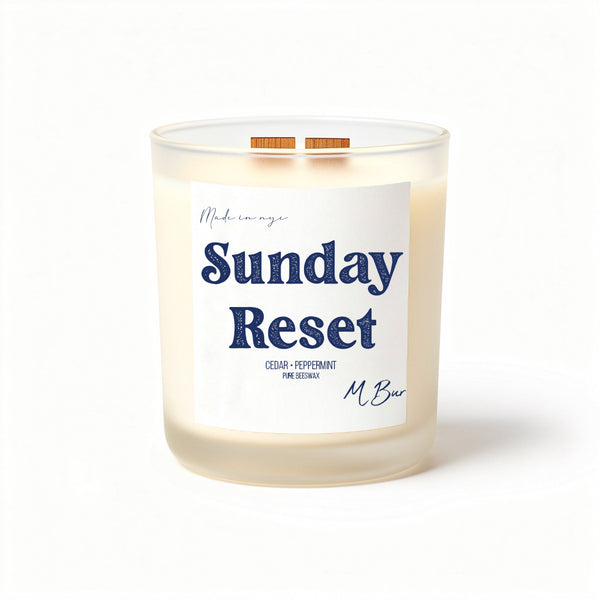
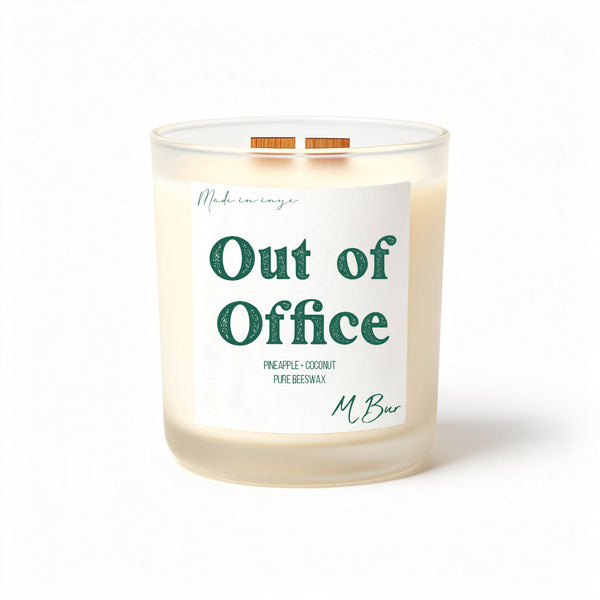
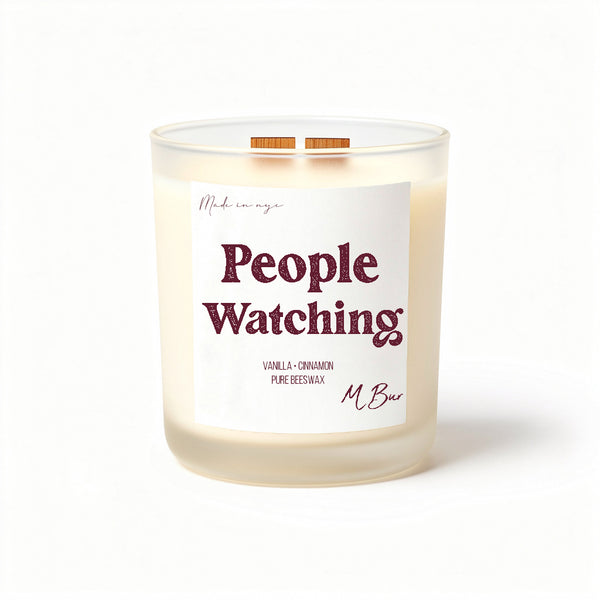
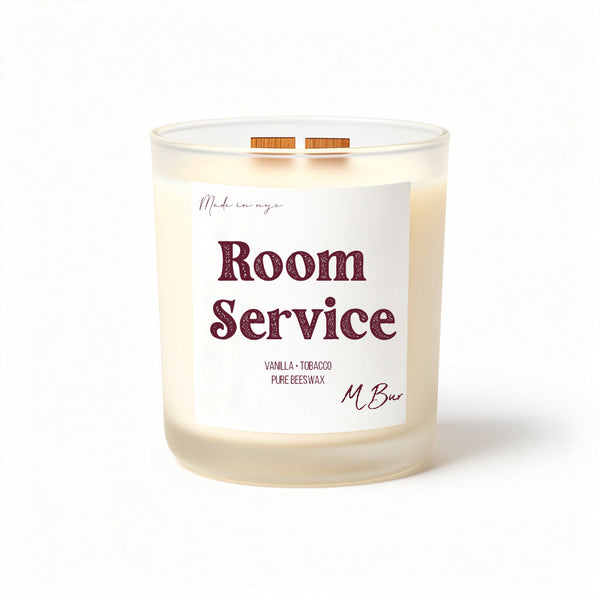
The important part is that this concern is specific to paraffin. Beeswax, soy, and coconut waxes do not release benzene and toluene the way paraffin does, so switching the wax removes the primary exposure the headlines focus on. That principle is what every MBur beeswax candle is built on.
Why paraffin is the one to avoid
Paraffin is a hydrocarbon mixture left over from the crude-oil refining process. Because it is a fossil-fuel byproduct, its combustion can release the same families of compounds you would associate with burning other petroleum products. The benzene and toluene emissions are the documented concern. In a well-ventilated room a single paraffin candle is a minor exposure, but multiple candles in a closed space over hours is where it adds up, especially for anyone already sensitive.
How the cleaner waxes compare
Soy wax is a vegetable wax from hydrogenated soybean oil. It is non-toxic and does not release the carcinogenic benzene and toluene associated with paraffin. Its drawbacks are performance (a low melting point means a faster burn) and sourcing (often tied to monoculture farming and pesticide use).
Coconut wax is also non-toxic and non-carcinogenic, with a clean, slow burn and good fragrance diffusion. It is very soft, so it is almost always blended with a harder wax for structure, and it carries the same large-scale-farming sourcing concerns as soy.
Beeswax is a natural wax produced by honeybees. It is non-carcinogenic, and its combustion produces primarily water and carbon dioxide with negligible VOC emissions. It needs no chemical processing or blending and has the highest melting point of any candle wax, so it burns longer and cleaner. Some preliminary research also suggests beeswax may release negative ions that bind airborne particles like dust and dander, though that science is still developing. For the full side-by-side on air quality, our paraffin vs beeswax vs soy guide covers the research in detail.
The fragrance question
Wax is only half the picture. Fragrance matters too, and there is a common misconception worth clearing up: that candles scented with 100% essential oils are automatically safer. From a combustion standpoint, that is often not true.
Essential oils are highly volatile and are not formulated or tested for stability under the high heat of a flame. Burned directly, their structure can break down into different, sometimes irritating compounds. They also tend to burn off fast, giving weak scent, and many are toxic to pets. The cleaner approach for a candle is a phthalate-free fragrance oil, which is formulated and safety-tested to stay stable at burning temperature. The thing to avoid on the fragrance side is phthalates, plasticizers used in cheap fragrance that act as endocrine disruptors, and undisclosed "fragrance" blends where you cannot tell what is in them. To see how the wax-and-fragrance framework applies to real products, our 6 best non-toxic candles of 2025 ranks options on exactly that.
How to lower your risk to near zero
You do not have to give up candles, just choose better ones and burn them sensibly:
- Choose 100% beeswax, soy, or coconut wax, never paraffin or an undisclosed blend
- Look for phthalate-free, disclosed fragrance
- Use cotton or wooden wicks, never a metal core
- Trim the wick before each burn to keep combustion clean and soot low
- Ventilate the room, and do not burn many candles at once in a closed space
MBur candles are built around this: 100% pure beeswax, phthalate-free non-toxic fragrance, untreated wooden wicks, no paraffin, and no synthetic dyes, handmade in Far Rockaway, Queens, NY. That combination removes the benzene-and-toluene concern entirely and keeps the burn clean. A calming scent like Wine Down is an easy place to start, or you can browse the full collection.
Frequently asked questions
Do all candles release carcinogens?
No. The carcinogen concern (benzene, toluene) is specific to paraffin wax. Beeswax, soy, and coconut do not release those compounds. Wax choice is the single biggest factor.
Is it safe to burn candles every day?
With clean wax, phthalate-free fragrance, a trimmed wick, and a ventilated room, daily burning is a low-risk habit. The risk rises with paraffin, undisclosed fragrance, and many candles in a closed space for long stretches.
Are soy candles cancer-free?
Soy does not release the carcinogenic compounds paraffin does, so on the wax side it is a clean choice. Watch the fragrance, though, since many soy candles still use phthalate-laden or undisclosed scent.
Does beeswax really purify the air?
Some preliminary research suggests beeswax may release negative ions that can bind airborne particles like dust and dander, though that science is still developing and the effect appears modest at most. The clearer benefit is simply that beeswax does not add the pollutants paraffin does.
Want a candle with the cancer-risk ingredients designed out? Explore the full MBur collection.
What buyers say:
Related reading:

