

Best Candles for Autoimmune Households: Low-Tox Picks for Flare-Prone People
The non toxic candle market has quietly reorganized itself around one group of shoppers: people whose immune systems keep score. Autoimmune households read ingredient labels the way other people read wine lists, and the brands that survived that scrutiny all did the same few things. They dropped paraffin. They published full ingredient lists. They stopped hiding behind the word "fragrance."
This roundup ranks seven candles worth considering if you or someone in your home is flare prone, scent sensitive, or just tired of getting a headache from something that was supposed to be relaxing. Two are ours. Five are not. Every pick gets a spec block, a price, and a plain answer on who it suits.
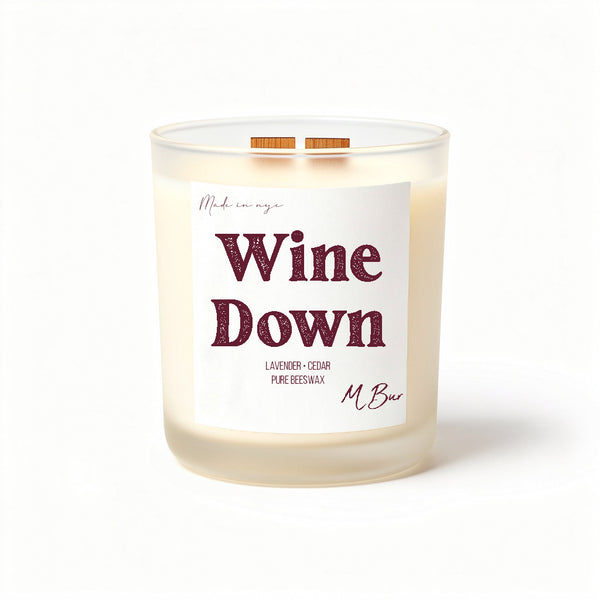
If you want to skip the reading and browse, start with our full beeswax candle collection. The Wine Down candle is the one scent sensitive customers keep coming back to.
Why autoimmune households react differently to candles
Chemical sensitivity shows up more often in people with autoimmune conditions, and the reason is fairly intuitive. An immune system that is already dysregulated tends to be more reactive to environmental inputs, including airborne fragrance compounds.
Research summarized by Nutritionist Resource on chemical sensitivity in autoimmune disease describes multiple chemical sensitivity as increasingly common in this population. Many people report migraines, fatigue, or worsening symptoms after chemical exposures.
The American College of Allergy, Asthma and Immunology advises people with asthma to avoid scented candles altogether. That is worth taking seriously, and worth saying out loud in a post that sells candles.
Nothing on this list treats, prevents, or manages an autoimmune condition. A cleaner candle is less likely to irritate you. That is the entire claim. If you have a diagnosed condition, follow your doctor's guidance on what belongs in your air.

What actually causes the reaction
The problem is ingredient specific, so it helps to know which ingredients.
Paraffin wax. A petroleum byproduct that can release benzene, toluene, and other volatile organic compounds when burned. Full stop, that is what it is.
Undisclosed fragrance. The single word "fragrance" on a label can stand in for a very large pool of undisclosed chemicals, including phthalates linked to respiratory irritation and endocrine disruption. Toxic fragrance is the most common trigger in this category, and the hardest to spot.
Metal core wicks. Rare in the US now but still worth checking. Cotton, paper, hemp, and untreated wood wicks are the safe options.
Chemical dyes and heavy soot. Paraffin soot is the black film on the wall above your favorite candle. Anything that visible is also being inhaled.
The ranked picks
1. MBur Wine Down Candle
Wax: 100% beeswax | Wick: Wooden | Fragrance: Phthalate free | Burn time: Up to 80 hours | Dyes: None
Standout feature: Single ingredient wax. Not a beeswax blend, which in most of the market means mostly paraffin with enough beeswax to justify the word on the label. Beeswax has the highest melting point of any candle wax, which is why the 12oz size runs 80 hours instead of burning through in a weekend.
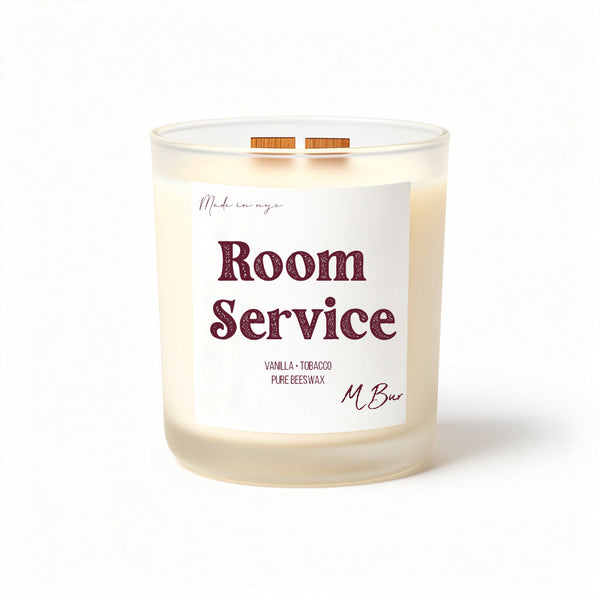
Best for: People who want a soft, low intensity scent that will not announce itself from three rooms away. This is the pick for anyone who has learned to be suspicious of strong candles.
Price: $32 for the 40 hour size, up to $65 for the 80 hour size.
2. Fontana Candle Co.
Wax: Beeswax and coconut | Wick: Cotton or wood | Fragrance: Essential oils | Dyes: None
Standout feature: This is a family run Pennsylvania company that built its entire line around asthma, autoimmune conditions, and multiple chemical sensitivity. Non GMO, MADESAFE certified, and Leaping Bunny cruelty free certified. The certifications matter here because they are third party, not self declared.
Best for: Anyone who wants documentation. If you need paperwork before something enters your house, this is your brand.
3. Bee Coco Candle
Wax: Coconut and apricot | Wick: Cotton | Fragrance: Clean burning blend | Burn time: Slow and even | Dyes: None
Standout feature: Coconut apricot wax burns with very little soot and produces fewer airborne irritants than most plant waxes, which makes it a genuinely good option for allergy sensitive homes. It also throws scent well at a lower burn temperature.
Best for: Households where soot is the main complaint, or anyone avoiding both soy and animal products.
Price: $27.50

4. Slow North
Wax: Soy | Wick: Cotton | Fragrance: 100% essential oils | Dyes: None
Standout feature: Over 30 scents, all built on 100% essential oil rather than fragrance oil, and priced low enough that experimenting does not hurt. Lavender, eucalyptus, and geranium are the standouts in the range.
Best for: Budget conscious shoppers who specifically want essential oil scenting. One caveat, soy can be a trigger for people avoiding soy for dietary or sensitivity reasons, so check that against your own list.
5. MBur Sunday Reset Candle
Wax: 100% beeswax | Wick: Wooden | Fragrance: Phthalate free | Burn time: Up to 80 hours | Dyes: None
Standout feature: Beeswax is naturally hypoallergenic and requires no chemical processing to become candle wax. It is also a byproduct of honey production, so buying it supports beekeeping. The wooden wick crackles instead of mushrooming into carbon, which cuts down on the debris a cotton wick leaves in the melt pool.
Best for: Home offices and morning routines. This is the crisp, clean slate scent in the lineup, better suited to daytime than the evening picks.
Price: $32 for the 40 hour size, up to $65 for the 80 hour size.
6. P.F. Candle Co.
Wax: Soy | Wick: Cotton, no lead core | Fragrance: Essential oils and fragrance oils | Dyes: None declared
Standout feature: Wide availability and a genuinely well designed scent library. The wicks are cotton and lead free, which clears the most basic safety bar.
Best for: Design forward shoppers with mild sensitivity. If you react hard to fragrance oils, this is the pick on the list to approach cautiously, since the scenting is a blend rather than essential oil only.
7. Terralite
Wax: Plant based | Wick: Cotton | Fragrance: Non toxic | Dyes: None
Standout feature: Consistently ranked among top performing non toxic candle brands in independent roundups, including the Organic Beauty Lover organic candle testing guide.
Best for: Readers who want a plant wax option outside the soy category.
What a verified buyer said
The most useful review we have ever received came from someone who had given up on candles entirely.
"Absolutely loved the Wine Down candle! The scent is so light and clean, not overpowering at all, which is exactly what I look for. A lot of other candles tend to give me headaches, but this one was a total game changer. I was able to enjoy the calming aroma without any discomfort. It made my space feel cozy and refreshed at the same time. I'll definitely be purchasing it again. Highly recommend if you're sensitive to strong scents but still want something that smells amazing!"
Nicole D., verified buyer
Another verified buyer, Jason H., put it more bluntly after switching from a mass market brand: "No headache or feeling nauseous like the Bath & Body candles with all the extra chemicals." That is the whole value proposition, fewer irritants in the air.
Comparison table
| Candle | Wax | Wick | Fragrance | Max burn time | Price |
|---|---|---|---|---|---|
| MBur Wine Down | 100% beeswax | Wooden | Phthalate free | 80 hours | $20 (20 hr) to $60 (80 hr) |
| Fontana Candle Co. | Beeswax and coconut | Cotton or wood | Essential oils | — | |
| Bee Coco Candle | Coconut apricot | Cotton | Clean burning blend | — | $27.50 |
| Slow North | Soy | Cotton | 100% essential oils | — | |
| MBur Sunday Reset | 100% beeswax | Wooden | Phthalate free | 80 hours | $20 (20 hr) to $60 (80 hr) |
| P.F. Candle Co. | Soy | Cotton, lead free | Essential and fragrance oils | — | (14oz) |
| Terralite | Plant based | Cotton | Non toxic | — | — |

Your low tox candle checklist
Print this, screenshot it, whatever works. Before you buy anything:
- Wax is named specifically. "Beeswax blend" and "wax blend" both mean mostly paraffin.
- Fragrance is described as phthalate free or essential oil only. If the label just says "fragrance," keep walking.
- Wick is cotton, hemp, paper, or untreated wood. No metal core.
- No chemical dyes. Colored wax is a choice, not a requirement.
- The brand publishes a full ingredient list without you having to email them for it.
Every candle in the MBur beeswax collection clears all five, because there is nothing in them except beeswax, a wooden wick, and phthalate free fragrance oil. Handmade in Manhattan, small batches, no chemical processing.
How to burn a candle in a sensitive household
Ingredients are most of the equation. Technique handles the rest.
Crack a window or leave the door open. Air movement matters more than most people think, and the EPA guide to indoor moisture and air quality is a good primer on why ventilation is the foundation of clean indoor air.
Trim the wick to about an eighth of an inch before every burn. A long wick makes a tall flame, and a tall flame makes soot.
Keep sessions to three or four hours. Longer than that and the vessel overheats, the flame grows, and the burn gets dirtier.
Start with the 20 hour size at $20 when you are testing a new scent. If your body objects, you have not committed $60 to finding out.
Frequently asked questions
Can candles actually trigger an autoimmune flare?
Many people with autoimmune conditions report that chemical exposures coincide with worsening symptoms, and fragrance is a commonly named trigger. The mechanism is not fully mapped, but the pattern is consistent enough that reducing exposure is reasonable. A cleaner candle is less likely to irritate you. It is not a treatment, and your doctor should have the final word on what you avoid.
What is the difference between soy, coconut, and beeswax for sensitive homes?
Soy is plant based and better than paraffin, but it is frequently sold blended with paraffin and often carries toxic fragrance. Coconut and coconut apricot waxes burn cleanly with minimal soot. Beeswax is naturally occurring, needs no chemical processing, is naturally hypoallergenic, and burns the longest of the three because it has the highest melting point. You can see the full beeswax range in our candle collection.
How do I know if a candle is genuinely non toxic?
The brand tells you everything without being asked. Named wax, named wick material, an explicit phthalate free claim on the fragrance. Vagueness is the tell. Third party certifications like MADESAFE add another layer of confidence.
Do wooden wicks make a difference for sensitivity?
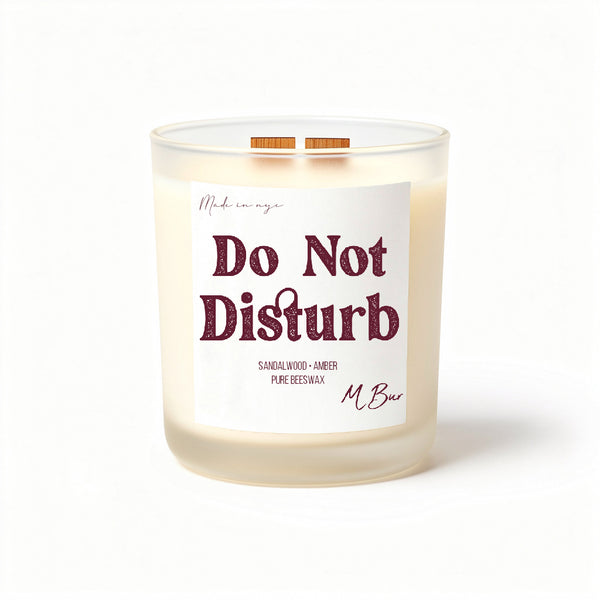
Wooden wicks burn evenly and do not mushroom into a carbon ball the way cotton sometimes does, which means less debris falling into the melt pool and less soot in the air. They also crackle, which is a bonus rather than a health feature. Every candle in the MBur line uses one, including the Do Not Disturb candle for bedrooms.
Is beeswax safe if I have a bee sting allergy?
Beeswax and bee venom are entirely different substances, and beeswax is widely used in cosmetics and food coatings. If you have a severe allergy history, ask your allergist before introducing anything new. That is a conversation for a clinician, not a candle company.
Our pick
For an autoimmune household, the winner is Wine Down in 100% beeswax. Single ingredient wax, wooden wick, phthalate free fragrance, no dyes, up to 80 hours of burn time, and a track record with the exact customers who cannot tolerate ordinary candles.
Across 57 reviews, the pattern repeats: light scent, full room coverage, no headache. Paige, a verified buyer, owns six of the scents with her roommate and stopped buying other candles entirely.
Start with the 20 hour size at $20 to see how your body responds, then size up.
Browse our full beeswax candle collection
Related reading

