

Best Candles During Chemotherapy: Gentle Scents for a Sensitive Nose
Six weeks into treatment, the vanilla candle you have burned every winter suddenly smells like paint thinner, and the room feels smaller by the second. Your sense of smell has genuinely changed, and it happens to a lot of people going through chemotherapy. The candle did not get worse. Your nose got louder.
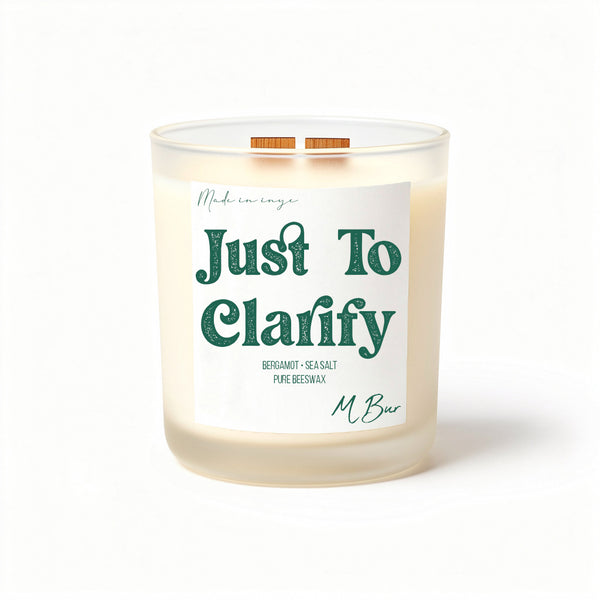
Below, you will find out what is happening biologically, which candle ingredients cause the most trouble for a sensitive nose, and a short checklist for choosing something you can actually live with right now. If you want to skip ahead and browse, everything in our full beeswax candle collection is made with phthalate free fragrance and no chemical dyes, and Just to Clarify is the softest place to start.

Why every scent feels turned up to eleven
Chemotherapy affects fast dividing cells, and that includes the cells involved in smell and taste. Clinical research has documented measurable changes in olfactory function during treatment, with function gradually returning afterward, though often not all the way to baseline within the first several months.
In one study of patients reporting smell changes, every single participant described becoming more sensitive to at least one odor. Nobody reported becoming less sensitive. That is the part people are not warned about. You are not losing smell so much as losing your filter, and clinicians see this pattern regularly during and after treatment.
Which means the fragrance load that felt cozy in October now registers as a warning signal. Add nausea to the equation and one strong candle can derail an entire evening.
If you are in active treatment, run any change to your environment past your oncology team first. Some clinics ask patients to keep scent out of the house entirely, and their guidance beats anything you read online, including this.
The wax matters more than the scent
People assume fragrance is the culprit. Often the wax is doing half the damage. Paraffin is a petroleum byproduct, and burning it releases volatile organic compounds including benzene, toluene, and formaldehyde, along with the fine black soot that collects above your wall sconces. For a nose already on high alert, that is a lot of extra input.
| Wax | What it actually is | How it burns | Sensitive nose verdict |
|---|---|---|---|
| Paraffin | Petroleum refining byproduct | Releases VOCs including benzene, toluene, formaldehyde. Visible soot. | Skip it during treatment |
| Soy | Hydrogenated soybean oil, frequently blended with paraffin | Cleaner than paraffin, but blends reintroduce petroleum, and many soy candles pair with toxic fragrance | Workable only if labeled 100% soy and phthalate free |
| Coconut | Processed coconut oil, usually blended with other waxes | Clean, soft scent throw | Good option, check what it is blended with |
| Beeswax | Single ingredient made by bees, a byproduct of honey production | Cleanest burn, no chemical processing, longest burn time of any wax due to its high melting point | Best starting point |
Beeswax also carries a faint natural honey warmth on its own, so a beeswax candle needs less added fragrance to smell like something. Less fragrance is exactly what you want right now.
The four things actually causing your reaction
Framing this as "candles are bad" is useless. The problem is specific and it lives in four places.
1. Toxic fragrance
The word "fragrance" on a label can legally hide hundreds of undisclosed ingredients, including phthalates and parabens. This is the single biggest variable between a candle you can tolerate and one that sends you to open a window.
2. Metal core wicks
Cheap wicks with a metal core keep the flame upright and add particulates you do not need in a bedroom. Wood and cotton both burn cleaner.
3. Paraffin soot
That gray film on the jar rim ends up in the air first. If a candle is sooting visibly, you are breathing it.
4. Chemical dyes
Color serves no functional purpose in a candle. It is one more thing to combust.
Fix those four and most people find the whole category becomes tolerable again. A clean candle is less likely to irritate. It is not a treatment for anything, and no scent should be sold to you as one.

Your checklist for choosing a candle during treatment
- 100% beeswax, coconut, or 100% soy. No "blend" without a full ingredient list.
- Phthalate free fragrance, stated plainly on the site.
- Wood or cotton wick. No metal core.
- No dyes.
- Green, woody, tea, or light citrus scent profiles. Skip bakery sweetness, heavy florals, and dense perfume style blends, which tend to be the worst offenders in small rooms.
- Start with the smallest size you can buy. You are testing, not committing.
MBur checks every one of those boxes. Ours are 100% beeswax with wooden wicks, phthalate free fragrance, no dyes, naturally hypoallergenic, and handmade in small batches in Manhattan. The 20 hour size is $20, which is a low stakes way to find out whether your nose is on board this week.
"I absolutely love these candles! I instantly notice the difference in the air quality, in comparison to the Bath & Body scented candles. I love Bath & Body's candles but I acknowledge that it caused a slight headache and other minor respiratory discomfort. Awesome products. Totally addicted."
Jason H., verified review
Two gentle picks, plus a few other brands worth a look
Just to Clarify
Just to Clarify is the one to reach for first. It reads cool and airy rather than sweet, with a faint citrus edge and a quiet steeped tea quality underneath. It fills a room without announcing itself from the hallway, which is the whole point when you are sensitive. Available from the 20 hour size at $20 up to the 80 hour size at $65.
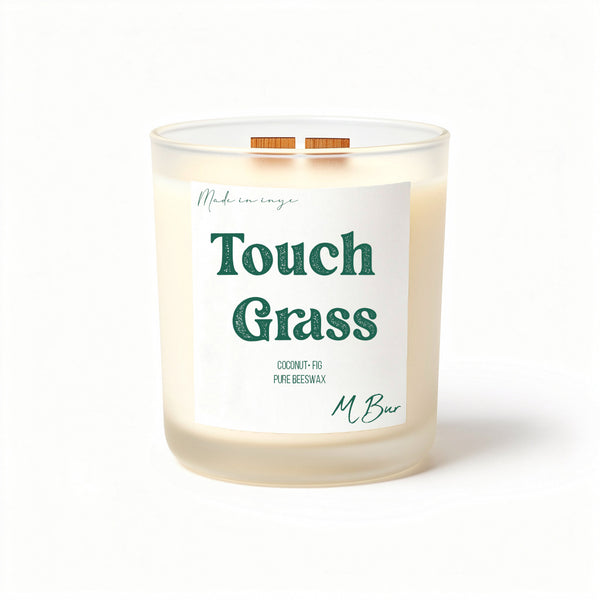
Touch Grass
If green and grounding sounds more appealing than clean and bright, Touch Grass opens with fresh dewy fig leaves, a whisper of green galbanum, and juicy black currant, then settles into creamy coconut and the fruity wine note of davana. Mossy and wood leaning scents like this tend to sit closer to the candle and build slowly instead of hitting you all at once.
Outside our shelf: Voluspa's Goji Tarocco Orange is often described as sweet but subdued and leans on citrus, which some sensitive noses handle well. Scented By Missi makes soy candles with phthalate free fragrance oils and full ingredient transparency. Both are reasonable places to compare, and neither is beeswax, so expect a shorter burn.
How to burn it so it does not overwhelm you
Ventilation first. Crack a window even an inch. Moving air keeps scent from concentrating into a wall you have to walk through.
Light the candle in an adjacent room and let the scent drift to you instead of sitting next to it. This one adjustment fixes most complaints.
Trim the wooden wick to about one eighth of an inch before every burn. A long wick means a big flame, more soot, and a heavier scent output than you asked for.
Keep burns to three or four hours, then put it out. And blow it out or use a snuffer rather than letting it smolder, since that last curl of smoke is the part people notice most.
Questions people actually ask
Can I even have a candle in the house during chemo?
Many people can, some cannot, and the honest answer depends on your treatment and your care team's instructions. Ask them. If they give you the go ahead, choose a single ingredient wax with clean fragrance and start small. The 20 hour size in our beeswax candle collection is $20 and exists for exactly this kind of trial run.
Which scent families are least likely to bother me right now?
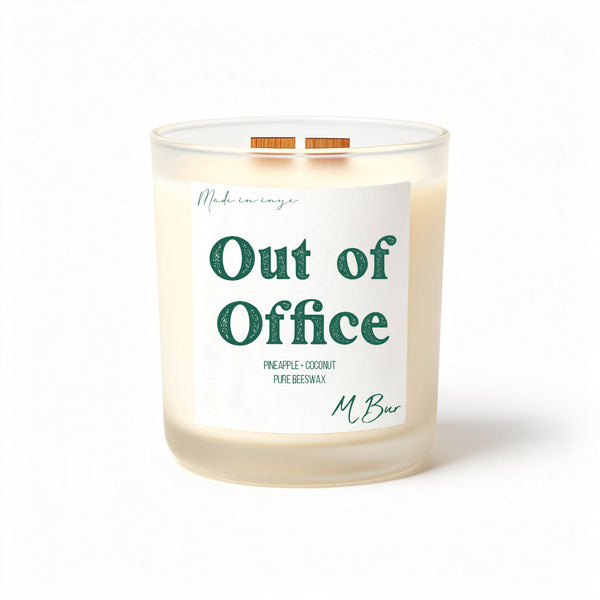
Green, woody, tea, and light citrus. Avoid bakery notes, dense florals, and anything described as intense. Out of Office is another airy, breezy option if you want something quieter than a citrus.
Will my sense of smell go back to normal?
For most people, heightened smell sensitivity fades gradually after treatment ends. Research tracking olfactory function shows it regenerating over the following months, though not always all the way back to where it started.
Does beeswax really burn longer?
Yes. Beeswax has the highest melting point of common candle waxes, which is why our largest size runs 80 hours. One candle lasting through a treatment cycle also means fewer purchases and less trial and error.
The short version
Your nose is more sensitive than usual, and the fix is fewer inputs: single ingredient wax, phthalate free fragrance, no dyes, no metal wick, and a scent that stays close instead of taking over the room. Start with Just to Clarify in the 20 hour size at $20, burn it a room away with a window cracked, and see how it lands. With 57 customer reviews and a lot of people telling us the same thing Jason did about air quality, the difference between a clean candle and a cheap one is usually obvious within the first ten minutes.
Browse the full beeswax candle collection and pick the gentlest scent on the list.

Related reading

