

Beeswax Candles vs Paraffin: What 30 Days of Switching Actually Looks Like
Beeswax Candles vs Paraffin: What 30 Days of Switching Actually Looks Like
The internet has strong opinions about beeswax candles. Half the posts say they are the purest thing you can burn in your home. The other half say the price difference is not worth it and paraffin is fine. Both camps are missing something important.
The real question is not which candle sounds better on paper. It is what actually changes when you make the switch. After thirty days, customers who moved from paraffin to beeswax report the same handful of things: less soot on their walls, no more tension headaches after burning, and candles that last significantly longer than expected. That is not marketing language. That is the pattern that shows up in review after review.
This post breaks it down without the noise. Ingredients, burn time, cost per hour, scent throw, and health impact, all in one place. By the end, you will know exactly which candle wins for your specific situation, and whether switching is worth it for you.
If you want to go deeper on the chemistry of candle soot and how different wax types interact with your air quality, our paraffin vs beeswax vs soy comparison covers the peer reviewed research in detail.
First, What Are You Actually Burning?
Paraffin Wax
Paraffin is a petroleum byproduct. It is what is left after crude oil is refined into gasoline, diesel, and other fuels. The remaining sludge gets bleached, deodorized, and processed into the white waxy blocks you find in most mass market candles.
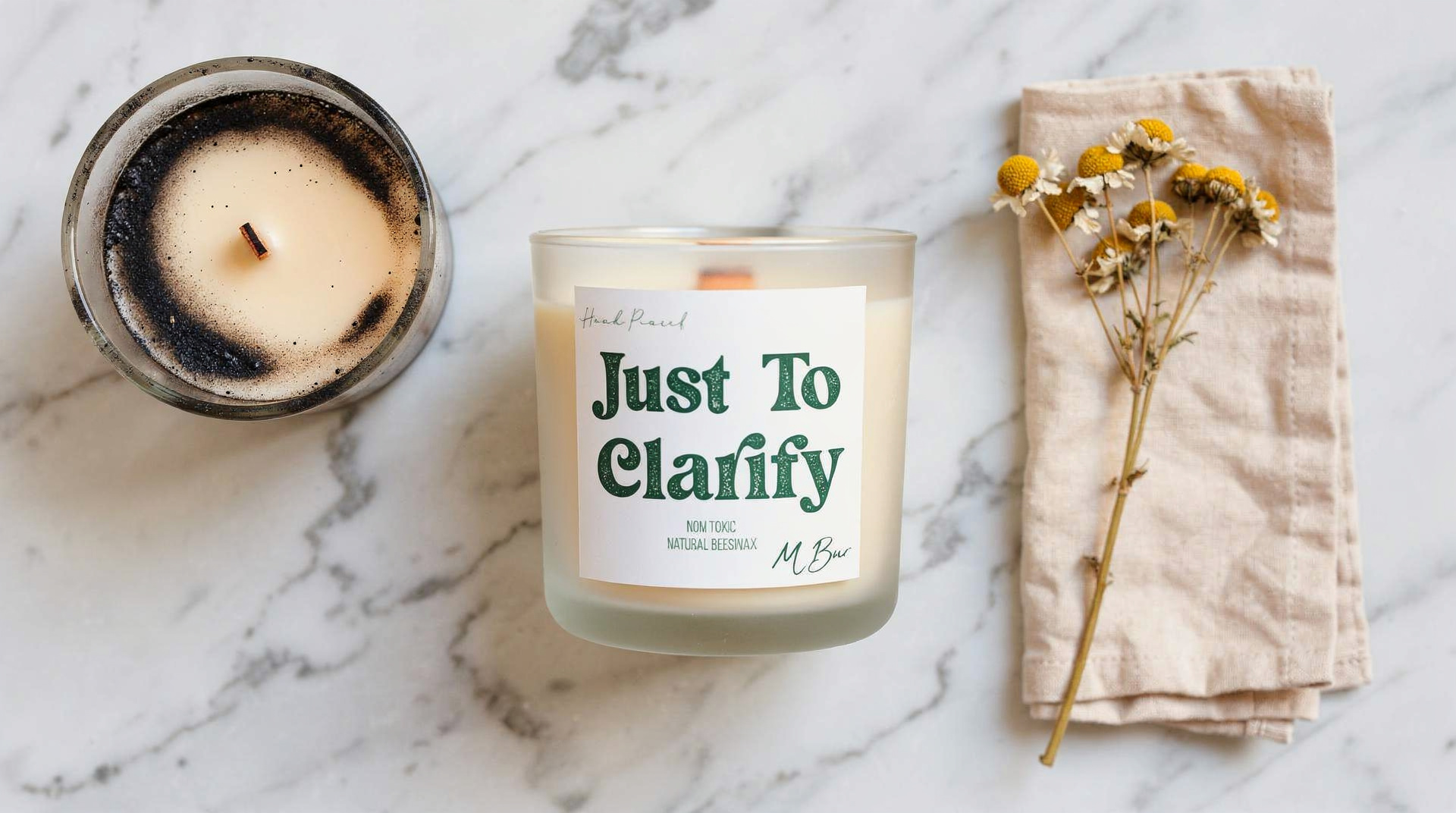
When paraffin burns, it releases a mix of volatile organic compounds including benzene, toluene, and formaldehyde. A peer reviewed study from South Carolina State University found that paraffin candles release these chemicals at levels that, with repeated exposure in poorly ventilated rooms, raise legitimate air quality concerns. The black soot ring that forms on your jar? That is incomplete combustion. The dark residue on your walls and ceiling over time? Same cause.
Beeswax
Beeswax is secreted by honeybees to build the honeycomb structure of their hives. It is a natural wax that has been used as a candle material for roughly 5,000 years, making it the oldest candle material on record. It requires no chemical processing to become a candle. There is no bleaching, no hydrogenation, no petroleum inputs.
When beeswax burns, it produces very little soot. Some studies suggest it releases negative ions that may help neutralize airborne particulates, though the research on that specific claim is still limited. What is not anecdotal is the clean burn: beeswax has the highest melting point of any candle wax, which is exactly why it burns slower and more completely than paraffin.
The Side by Side Breakdown
| Category | Paraffin | Beeswax |
|---|---|---|
| Source | Petroleum byproduct | Natural honeybee secretion |
| Processing required | Heavy: bleaching, deodorizing, chemical additives | Minimal: filtering only |
| Burn time (per oz) | Roughly 5 to 7 hours per oz | Roughly 6 to 8 hours per oz |
| Soot output | High: black soot is common | Very low to none |
| VOC emissions | Benzene, toluene, formaldehyde | Minimal, no petroleum based VOCs |
| Scent throw | Strong cold throw, can feel harsh when burning | Warm, even hot throw that fills a room gradually |
| Fragrance compatibility | Often paired with toxic fragrance oils | Works well with phthalate free fragrance |
| Light quality | Standard yellow flame | Light spectrum closest to natural sunlight |
| Price per candle | Low upfront cost | Higher upfront, lower cost per hour |
| Supports what | Petroleum industry | Beekeeping and pollinator ecosystems |
The Price Per Hour Argument (This Is Where Paraffin Falls Apart)
Most people assume paraffin is cheaper. And on the shelf, it is. A popular Bath and Body Works three wick paraffin candle runs around $25 to $30 and advertises 25 to 45 hours of burn time. That works out to roughly $0.60 to $1.20 per hour of burn.
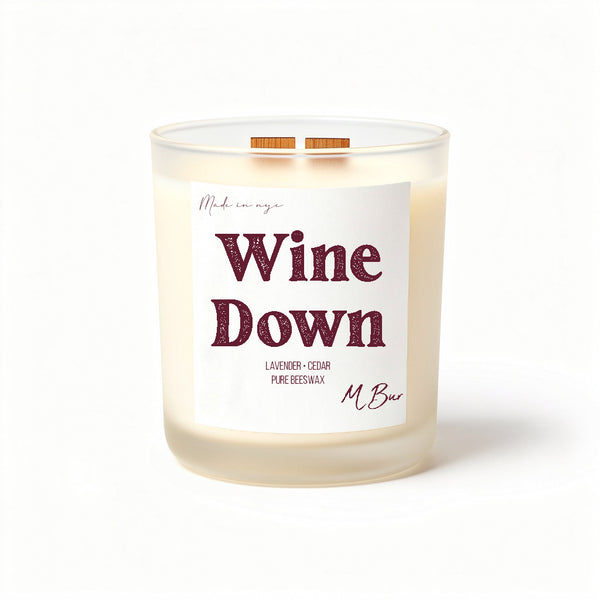
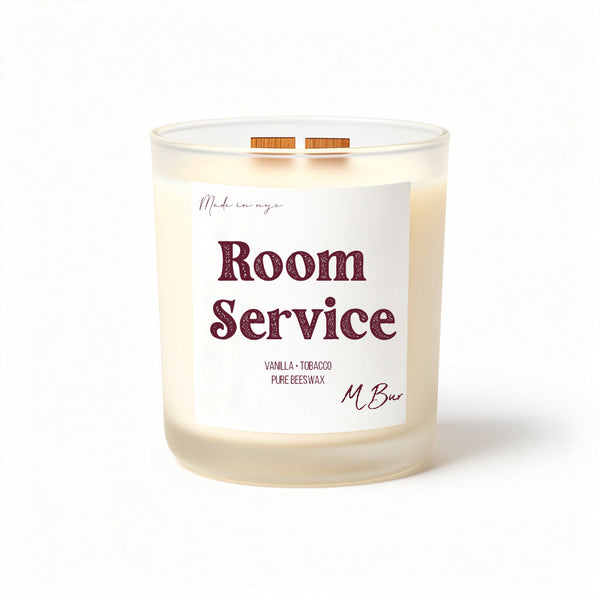
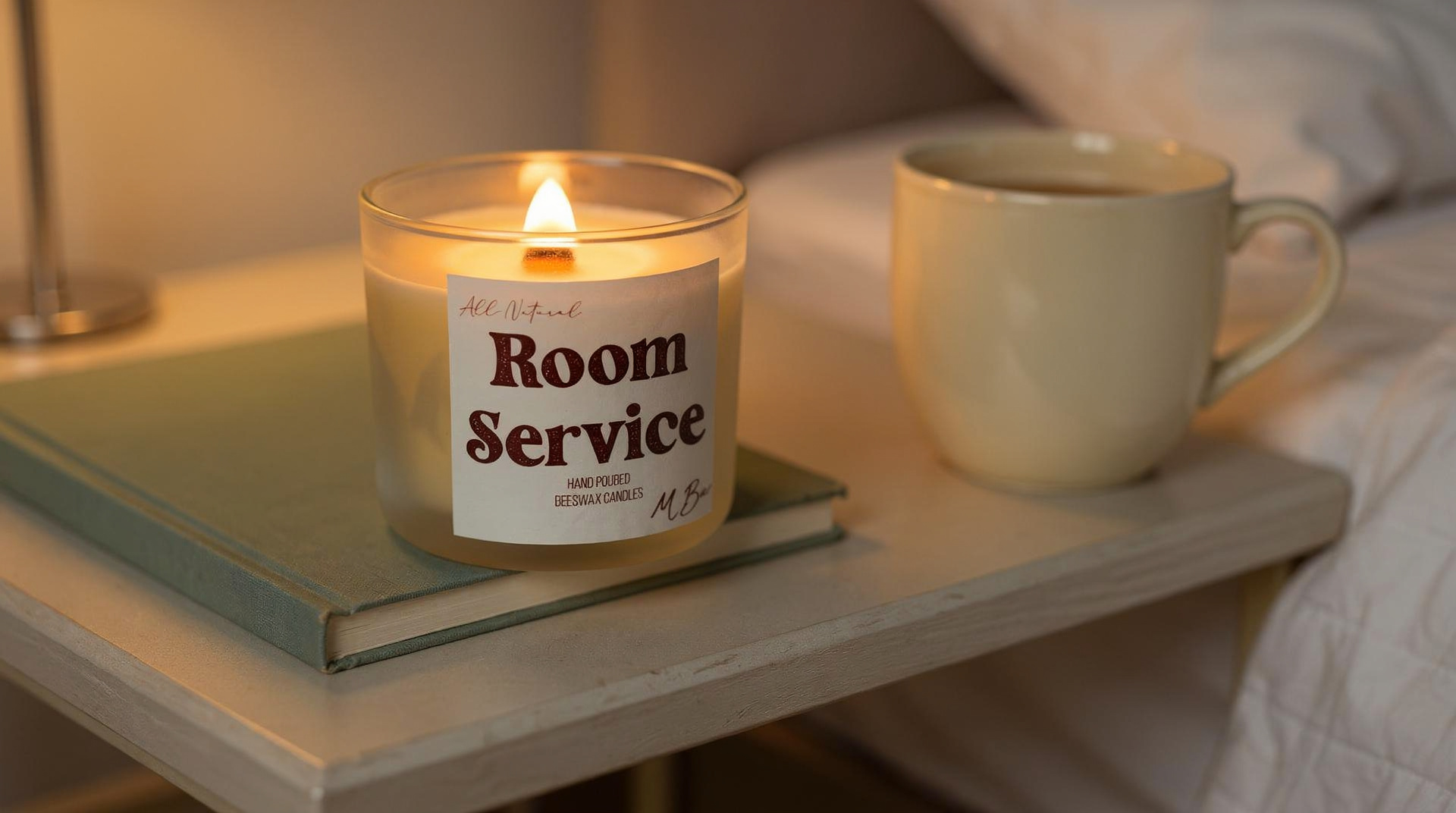
A 12oz beeswax candle from MBur costs $65 and burns for 80 hours. That is $0.75 per hour, right in the middle of the paraffin range, except the beeswax candle also burns cleaner, throws scent more evenly, and does not leave your jar coated in black residue.
Now factor in that paraffin burn time claims are frequently inflated. Many users report Bath and Body Works candles burning out well before the stated maximum. When you account for real world burn performance, beeswax often wins on cost per hour outright, not just on paper.
What Actually Changes in 30 Days
Week One: The Soot Test
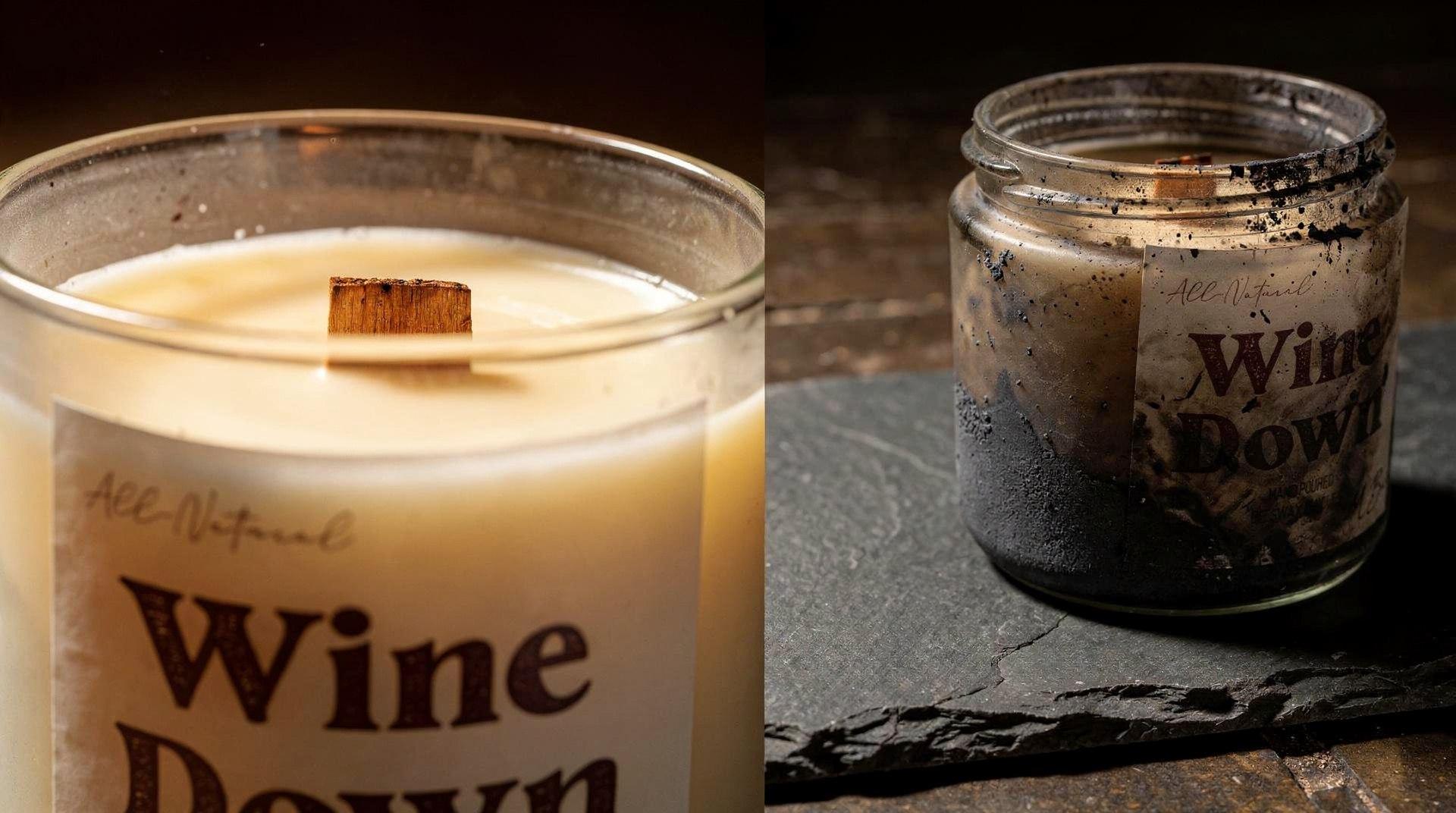
The most immediate difference people notice is what is not there. No black ring forming on the inside of the jar. No dark residue on the wall above the nightstand. Paraffin soot is not just an aesthetic problem. It is fine particulate matter, and it goes into the air you breathe before it lands on surfaces.
Switchers frequently describe the first week as a bit of an adjustment because beeswax scent throw is different from paraffin. It builds. It fills a room gradually as the wax pool widens, rather than blasting you immediately with a cold throw scent that fades mid burn.
Week Two: The Headache Question
This is where the customer feedback gets consistent in a way that is hard to ignore. A meaningful number of people who switch from popular paraffin candles specifically mention that they no longer get headaches while burning.
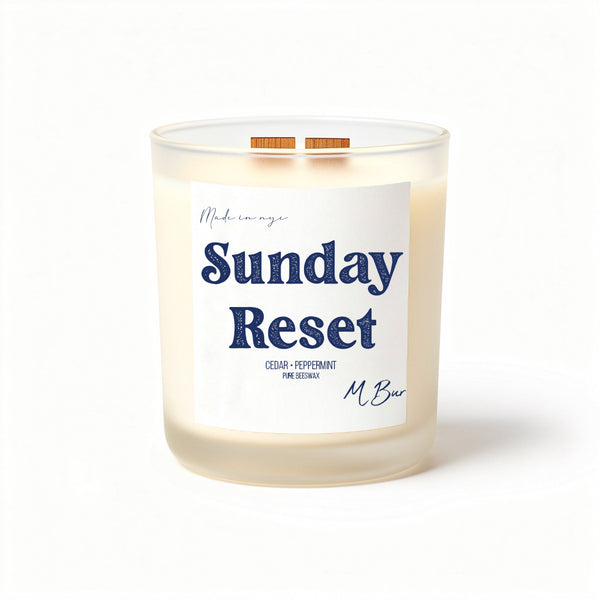
"I absolutely love these candles! I instantly notice the difference in the air quality, in comparison to the Bath and Body scented candles. I love Bath and Body's candles but I acknowledge that it caused a slight headache and other minor respiratory discomfort. Awesome products. Totally addicted." Jason H., Sunday Reset Candle
Jason is not an outlier. That exact pattern shows up across dozens of reviews. The mechanism is straightforward: paraffin releases VOCs and the toxic fragrance oils blended into most paraffin candles compound the effect. Remove both, and the headaches tend to go away.
The Wine Down beeswax candle, with phthalate free fragrance built around lavender, chamomile, sage, cedar, and sandalwood, is specifically what comes up in headache sensitive switcher testimonials.
Week Three: Scent Throw Recalibration
By week three, most switchers have adjusted their expectations around scent. Beeswax does not hit you over the head with fragrance. It creates a consistent background scent that fills a room without feeling synthetic or overwhelming.
"They smell up a WHOLE room during the burn and even a while after blowing them out. I won't buy other candles anymore, they're just that good." Paige, Sunday Reset Candle
That last part matters. Beeswax retains scent in the wax even when not burning. Your room does not revert to neutral the moment you extinguish the flame.
Week Four: The Burn Time Reality Check
The 80 hour burn time on MBur's 12oz candles is not a marketing estimate. Portia Darby tested it directly: "Candle burned slowly and was exactly the amount of hours the company said it would burn. I was able to enjoy it for days even though it was the smaller size."
That reliability comes directly from the wax. Beeswax has the highest melting point of any candle wax, which forces a slower, more complete burn. Paraffin melts fast, tunnels frequently, and often leaves a thick ring of unburned wax around the edges of the jar.
Where Competitors Stand
To be direct about this: not all beeswax candles are the same, and the market has a transparency problem.
Burt's Bees sells beeswax candles that are technically beeswax based, but many are blended with paraffin or soy to reduce cost. The wax blend is not always clearly disclosed. Price point is lower ( for a small jar), but you are often not getting a pure beeswax burn.
Big Dipper Wax Works produces 100% beeswax candles with a solid reputation. Their taper and pillar options are well regarded, though their scented container candle line is more limited than MBur's and they do not use wooden wicks. Prices are comparable for unscented options.
The key differentiator for MBur is the combination: 100% beeswax (not a blend), wooden wicks, phthalate free fragrance, no chemical dyes, and handmade in Queens, NY. That specific combination is harder to find than the marketing around most candle brands would suggest.
If you are evaluating options, our guide on what actually makes a candle non toxic gives you the checklist to use with any brand.
Verdict by Use Case
Best for: Sensitive users, headache prone individuals, or anyone with respiratory concerns
Winner: Beeswax, clearly. The absence of petroleum based VOCs and toxic fragrance makes a measurable difference for people who are sensitive to candle chemistry. The Wine Down candle (starting at $20 for 20 hours) is the most cited option for this use case.
Best for: Longest burn time and best cost per hour value
Winner: Beeswax, particularly the 80 hour size. The Room Service beeswax candle at $65 for 80 hours is $0.75 per hour of clean, consistent burn. That beats most paraffin options on real world performance.
Best for: Lowest upfront spend
Winner: Paraffin, on sticker price only. If you are buying a single candle once and price is the only variable, paraffin costs less at purchase. But if you plan to burn candles regularly, the math flips quickly.
Best for: First time beeswax buyer who wants to try before committing
Winner: The 20-hour size at $20. Lowest commitment way to test the scent throw and burn quality before buying a larger size.
Frequently Asked Questions
How long do beeswax candles actually burn compared to paraffin?
MBur beeswax candles burn for 20, 40, 55, or 80 hours depending on size. Paraffin candles in the same size range typically burn for 25 to 45 hours, and real world burn time often falls short of the stated maximum. Beeswax burns slower because it has a higher melting point, which means more complete combustion and less wasted wax.
Will switching to beeswax actually help with headaches from candles?
It depends on what is causing the headaches. If the trigger is VOC emissions from paraffin or irritants in toxic fragrance oils, switching to 100% beeswax with phthalate free fragrance frequently resolves the problem. Multiple MBur customers have documented exactly this. That said, individual sensitivity varies and we are not making a medical claim here.
Does beeswax smell different when it burns?
Pure beeswax has a faint natural honey scent from the wax itself. When fragrance is added, the warm, slow releasing burn of beeswax tends to make the scent feel more natural and less synthetic than paraffin. The scent throw builds gradually as the wax pool widens rather than peaking immediately and fading.
Is beeswax better than soy candles too?
Soy is meaningfully better than paraffin, but most soy candles on the market are blended with paraffin and use toxic fragrance oils. Pure soy burns cleaner than paraffin but does not match beeswax on burn time, light quality, or natural composition. Our full comparison of all three wax types covers this in detail.
What size beeswax candle should I start with if I am switching from paraffin?
The 40 hour size ($23) is the most practical starting point. It is enough burn time to genuinely evaluate the scent throw and performance across multiple sessions without the full commitment of the 80 hour size.
The Bottom Line
Thirty days with beeswax versus paraffin consistently produces the same outcomes: cleaner jars, fewer headaches, longer burn times, and a gradual shift in what people expect from a candle. The upfront cost is higher. The experience of burning is different enough that it takes a week or two to recalibrate.
If you burn candles regularly, the switch pays for itself in burn hours alone. If you burn them because you actually care about what goes into your air, the switch pays for itself on day one.
Shop the full MBur beeswax candle collection
What buyers say:

