

Are Scented Candles Toxic? A Chemist-Level Breakdown
Are Scented Candles Toxic? A Chemist Level Breakdown
Beeswax has been used as a light source for over 5,000 years. Ancient Romans burned it in temples. Medieval monks preferred it over tallow because it didn't stink. Yet today, when you walk into a big box store and see candles made from paraffin wax with names like "Midnight Ocean Breeze" or "Lavender Dreams," the first question people ask isn't "does this smell nice?" It's "is this going to poison me?"
The anxiety is justified. You've probably heard that paraffin candles release benzene and toluene. That synthetic fragrances contain phthalates. That certain wicks contain lead. Some of these claims are real. Some are myths. And some are so nuanced that the truth gets lost in headlines.
This post breaks down the actual chemistry. Not the fear mongering. Not the marketing speak. Just what the science actually says about scented candles, their ingredients, and what makes one genuinely safer than another.
The Paraffin Problem: What's Actually Happening
Let's start with the most common accusation: paraffin wax is toxic. Here's what's true and what's exaggerated.
Paraffin is a petroleum byproduct. It's the residue left after crude oil is refined into gasoline and diesel. That's not immediately a problem. Petroleum derived materials can be safe once they're purified. But paraffin candles have a documented issue: they release volatile organic compounds, or VOCs.
When paraffin burns at a high temperature, especially if the flame is too large or the ventilation is poor, it can produce benzene and toluene. These are real chemicals. Benzene is a known carcinogen. But here's where context matters: the amount matters enormously.
A 2009 study from South Carolina State University found that paraffin candles could release benzene and toluene. But the researchers also noted that the levels detected in a typical home from a single candle were well below established air quality standards. You'd need to burn paraffin candles in a completely sealed room for hours to approach harmful levels.
That said, paraffin also produces soot. Over time, burning paraffin candles can leave black marks on ceilings and walls. That soot contains carbon particles and can irritate airways in people with respiratory sensitivity.
The real issue isn't that one paraffin candle will poison you. It's that paraffin is the lowest quality wax option, designed for cost, not health or performance.
The Fragrance Question: Where the Real Risk Hides
Here's where most conversations go wrong. People blame the wax when the actual problem is often in the fragrance.
There are two types of candle fragrances: essential oils and fragrance oils. Essential oils are distilled directly from plants. Fragrance oils are formulated in a lab. Within fragrance oils, there's a critical distinction that most candle companies won't advertise: whether they're phthalate free or not.
Phthalates are plasticizers. They make fragrance oils stick around longer and smell stronger. They're also endocrine disruptors, meaning they can interfere with hormone function. The EU banned them in personal care products years ago. The United States? Still permits them in fragrance blends, because fragrance is protected as a "trade secret" and doesn't have to list specific ingredients on the label.
So when you see "fragrance" listed as an ingredient on a candle jar, you don't actually know what's in it. It could be phthalate free. Or it could contain multiple phthalates. The company doesn't have to tell you.
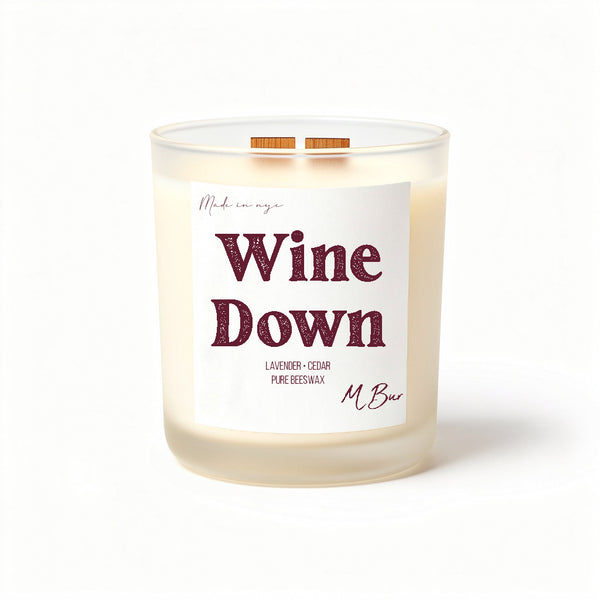
This is where what makes a candle non toxic actually matters. Brands that specifically source phthalate free fragrance oils are actively choosing the safer option and paying more for it.
Additionally, some fragrance oils contain synthetic aromatic compounds that can trigger headaches or respiratory irritation in sensitive people. This varies wildly by formulation. A competitor like Jo Malone uses alcohol based fragrances that some people find gentler. Diptyque uses high quality fragrance oils but doesn't publicly disclose phthalate status. Smaller artisanal brands often source more carefully but lack third party testing to back it up.

Metal Wicks: The Myth That Won't Die
You've probably read that some candle wicks contain lead. This is technically true but massively overstated.
In the 1970s and 1980s, some candle manufacturers added lead to wicks to make the flame burn more steadily. It worked. It also poisoned people. Lead exposure can damage the nervous system, especially in children. The Consumer Product Safety Commission banned lead core wicks in 1994. Any candle made in the United States after that date should not have lead in the wick.
That said, plenty of counterfeit or imported candles still contain lead wicks. And you can't tell by looking. The way to verify is to test the ash. If you've bought a candle and are worried, you can purchase an inexpensive lead test kit from a hardware store.
Most quality candle makers use either cotton wicks or wooden wicks now. Cotton is natural, affordable, and burns cleanly. Wooden wicks, made from sustainably harvested wood cores wrapped in cotton fibers, burn slower and create that crackling sound some people find pleasant.
Dyes and Other Additives
Candle dyes deserve a mention, though they're less problematic than fragrance. Some cheap candles use lead based pigments to achieve bright colors. Better manufacturers use non toxic cosmetic grade dyes or mica for color.
The issue with colored candles is usually aesthetic rather than safety. Darker dyes can interfere with even burning and scent throw. They're sometimes added purely for shelf appeal, not function.
Natural candle makers often skip dyes entirely, opting for the natural cream or pale yellow color of unbleached wax.
The Beeswax Advantage: Chemistry That Actually Works
Beeswax is a naturally occurring wax produced by honeybees. It's composed of long chain hydrocarbons, esters, and other lipids that are remarkably stable when burned.
Unlike paraffin, beeswax has a higher melting point, which means it burns longer and hotter without producing the soot that paraffin does. More importantly, beeswax doesn't release VOCs the way petroleum based wax does. It burns cleanly, producing mainly carbon dioxide and water vapor.
There's a persistent claim that beeswax "purifies air" by releasing negative ions that trap pollutants. This is overblown. Yes, beeswax can release some negative ions, but the amount is minimal, and the effect on air quality is negligible. Don't buy beeswax candles expecting them to replace an air purifier.
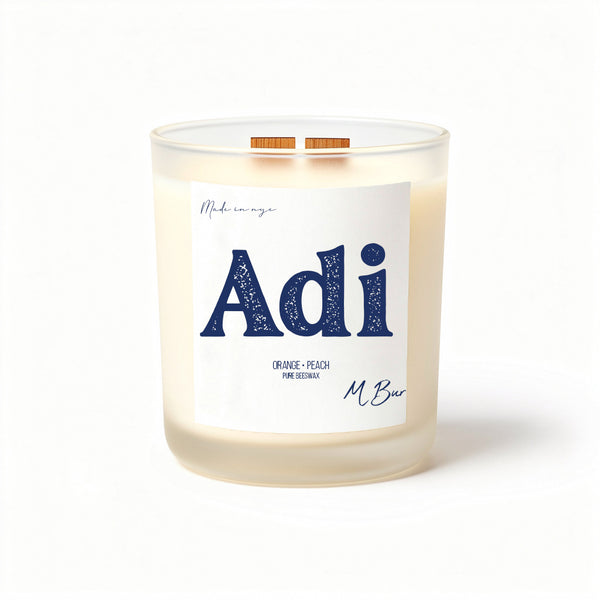
What beeswax does offer: a cleaner burn, longer burn time, and a wax that doesn't come with the chemical baggage of petroleum refining. Our 100% beeswax candles with phthalate free fragrance offer one of the cleanest burning options available. The 80 hour burn time on the largest size means you're getting actual value, not just a product that burns down in three days and leaves soot on your walls.
One honest note: beeswax is more expensive. It costs more than soy, which costs more than paraffin. That's partly because beeswax is a byproduct of honey production, and it's in limited supply.
Soy Wax: The "Natural" Option That's Complicated
Soy candles became popular in the 1990s as an eco friendly alternative to paraffin. Soy is plant based, renewable, and biodegradable. On paper, it sounds perfect.
In practice, soy wax has issues. Most soy wax available in the candle industry is blended with paraffin or other waxes to improve burning properties. Pure soy wax can be unpredictable: it can tunnel (only burn in the center), produce weak scent throw, and require careful temperature management during production.
Additionally, most soy in the US is genetically modified and grown with heavy pesticide use. From an environmental standpoint, it's not the clean alternative the marketing suggests.
Soy wax candles are fine, but they're not inherently safer than beeswax. They're just cheaper and marketed as more eco friendly.
Scent Throw and the Headache Connection
One toxicity concern that's actually valid: scent throw intensity can trigger headaches and respiratory irritation in sensitive people.
Fragrance molecules are volatile. They evaporate into the air. If a candle is designed to fill a huge room with scent, it's releasing a lot of fragrance into a limited space. For people with scent sensitivity, asthma, or migraine triggers, this can cause real discomfort.
A review in the journal Environmental Health Perspectives found that some fragrance compounds, even at low concentrations, can trigger airway irritation or headaches in susceptible individuals. The problem isn't inherent toxicity. It's dose and individual sensitivity.
This is where product formulation matters. Some brands deliberately create softer, quieter scents. Others maximize scent throw as a selling point. If you experience headaches from candles, the solution isn't to avoid all scented candles. It's to choose ones with gentler scent profiles and ensure good ventilation.
Customer review from someone who switched: "Absolutely loved the Wine Down candle! The scent is so light and clean, not overpowering at all, which is exactly what I look for. A lot of other candles tend to give me headaches, but this one was a total game changer. I was able to enjoy the calming aroma without any discomfort." This person found a product where the fragrance level worked for their body, not against it.
Specific Red Flags to Actually Avoid
So what should you actually watch for when buying a scented candle?
First: any candle that doesn't list ingredients. Transparency matters. If a company won't tell you what's in their product, there's usually a reason.
Second: candles labeled "fragrance" with no indication of whether it's phthalate free. Many mainstream brands fall into this category. They're not necessarily dangerous, but you're rolling the dice.
Third: unusually bright colors with no explanation of the dye source. This is often a sign of cheap pigmentation.
Fourth: candles that are suspiciously cheap. A large beeswax candle that costs five dollars is not a bargain. It's a sign of either very low quality wax or heavily cut fragrance that smells nothing like it should.
Fifth: candles from unknown manufacturers with no accessible information about production. This isn't necessarily a health risk, but it's a sign the brand doesn't prioritize quality or transparency.
Safe Candle Sourcing: A Practical Checklist
Here's what to look for when you want a genuinely safer scented candle:
Single ingredient wax: 100% beeswax or 100% soy. Blends are cheaper but less transparent.
Phthalate free fragrance: The company should state this explicitly. If they don't mention it, ask.
Natural or cotton wicks: Avoid anything with unclear wick composition.
Natural dyes or no dyes: Cosmetic grade color or unbleached wax.
Burn time transparency: A quality candle will tell you exactly how long it should burn. If they won't specify, the burn time is inconsistent.
Company transparency: Can you find information about where and how the candle is made? Do they publish ingredient lists?
Customer reviews mentioning headaches or sensitivities: Read reviews from people sensitive to fragrance. Their experiences reveal real world performance.
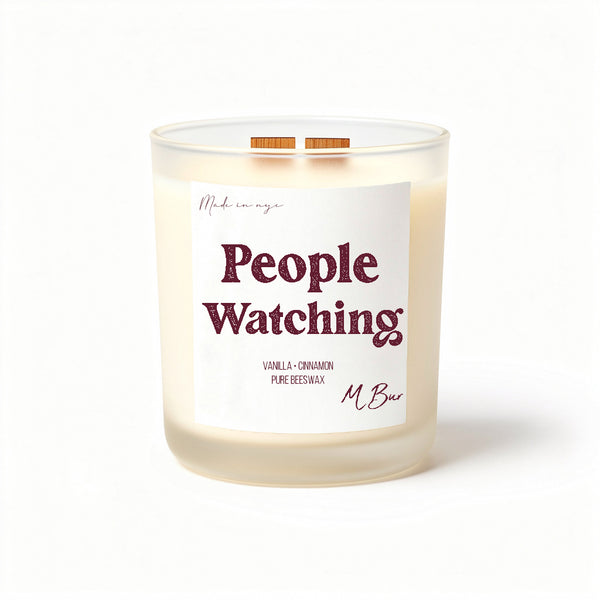
Our approach at MBur checks every box: 100% beeswax, phthalate free fragrance, wooden wicks for clean burn and that pleasant crackling sound, and an 80 hour burn time that actually delivers on the promise. The fragrance intensity is intentionally moderate, which is why we see reviews like the one above about avoiding headaches.
Frequently Asked Questions
Do all scented candles contain phthalates? No. Many quality brands now specifically source phthalate free fragrance oils. But if a brand doesn't explicitly state it, you can't assume they're phthalate free. The fragrance industry isn't required to disclose phthalate use.
Is paraffin wax actually unsafe to burn? At typical usage levels in a normally ventilated home, paraffin candles are not acutely dangerous. But they do produce soot, and they release VOCs at higher concentrations than other wax types. They're the cheapest option for a reason: the safety and quality are the lowest.
Can I get poisoned from burning one candle? Not from a single paraffin candle burned for an evening. Toxicity is about dose and duration. That said, regularly burning poor quality candles in an unventilated space could contribute to respiratory issues over time.
Why do some candles give me headaches? This is usually fragrance sensitivity, not chemical toxicity. Some fragrances are formulated stronger than others. Some people's nervous systems are more reactive to volatile fragrance compounds. It's real, but it's not the same as the candle being poisonous.
Is beeswax really hypoallergenic? Beeswax doesn't contain many compounds that trigger allergic reactions. But if you're allergic to bee products or pollen, a beeswax candle could theoretically cause a reaction. This is rare but possible.
The Bottom Line
Are scented candles toxic? The honest answer is: it depends on what you buy and how you use them. A cheap paraffin candle with unknown fragrance in an unventilated room, burned for hours every day, carries more risk than a high quality beeswax candle with phthalate free fragrance used with normal ventilation.
Toxicity isn't binary. It's a spectrum shaped by ingredient choice, production standards, and usage patterns. The safest candles are made from pure, high melting point wax with phthalate free fragrance, natural wicks, and transparent sourcing.
If you're sensitive to fragrance or concerned about air quality, choose brands that prioritize these things. Read reviews from people like you. Ensure ventilation. And remember: a candle that smells good is only good if it doesn't make you feel bad.
Browse our collection of pure beeswax candles formulated with phthalate free fragrance for a cleaner burn.
What buyers say:

