
Pick up three candles that look identical on a shelf, same frosted glass, same "clean burn" promise on the back. They are paraffin, soy, and beeswax, and what each one does to the air in your living room is wildly different. The label almost never tells you which is the honest wax, and this breakdown does. We make 100% beeswax candles, so browse the full beeswax collection as you read, but the point is the real tradeoffs. By the end you will know which wax earns a place in your home and which one quietly does not.
What customers say on Google
View on Google
The short version
Beeswax is the cleanest wax you can burn. It comes straight from the hive, needs no chemical processing, and throws almost no soot. Paraffin sits at the other end. It is the leftover sludge from refining crude oil into gasoline, and burning it releases benzene, toluene, and formaldehyde into the air you breathe. Soy lands in the middle, better than paraffin on paper, with an asterisk most brands do not mention.
Paraffin: petroleum waste with a wick in it
Paraffin starts as the waxy byproduct left at the bottom when refineries turn crude oil into fuel. Someone figured out it holds fragrance cheaply and burns long enough to sell, and most candles on the mass market have been made of it ever since.
The problem is the burn. Paraffin produces visible black soot that settles on your walls and the inside of the jar. That soot is fine particulate matter, the kind of pollutant you would rather not be breathing indoors. Pair it with toxic fragrance loaded with phthalates, which is standard on cheap candles, and a paraffin candle becomes a small, steady source of indoor air pollution. It smells lovely doing it, which is exactly the trap.
Soy: better, with an asterisk
Soy wax was the wellness world's answer to paraffin, and it is a real improvement. It is plant based and renewable, and it burns cooler than paraffin with far less soot. If those were the only facts, soy would win easily.
Most "soy" candles are actually soy and paraffin blends, and the label rarely tells you the ratio. A candle can be ten percent soy and still call itself soy on the front. Soy also has a weaker natural scent throw, so brands often compensate with heavier toxic fragrance to make it carry. The wax got cleaner while the fragrance got worse, and the net result depends entirely on a brand you have to take on faith. Pure soy from an honest maker is a fine candle. The category as a whole is a coin flip.
Beeswax: the one that needs no asterisk
Beeswax is the oldest candle material on earth, burned since around 5,000 BCE, and it is still the cleanest. Bees make it, beekeepers collect it as a byproduct of honey, and it goes into a candle with nothing refined out and nothing blended in.
It burns almost soot free, so your walls stay clean. The melting point is the highest of any candle wax, which is why a beeswax candle outlasts the same size in soy or paraffin by a wide margin. Beeswax is naturally hypoallergenic, and the light it gives off is warm and full, closer to the spectrum of natural sunlight than other waxes. Buying it also supports beekeeping, which the rest of the food system quietly leans on.
The one honest catch is price. Beeswax costs more because it is harder to source and cannot be stretched with cheaper fillers. You are paying for a single ingredient instead of a blend. Whether that is worth it is the whole question, and the table lays out exactly what you get.
Beeswax vs soy vs paraffin, side by side
| Factor | Paraffin | Soy | Beeswax |
|---|---|---|---|
| Source | Petroleum refining byproduct | Soybean oil, often blended | Honeybee hives, no processing |
| Soot | Heavy, visible | Low | Almost none |
| VOCs released | Benzene, toluene, formaldehyde | Low if pure | None inherent to the wax |
| Burn time, same size | Shortest | Medium | Longest |
| Scent throw | Strong, often toxic fragrance | Weaker, often boosted | Strong with clean fragrance |
| Hypoallergenic | No | Sometimes | Naturally yes |
| Price | Cheapest | Mid | Highest |
The wax is only half the story
Most comparisons stop at the wax, but the fragrance and the wick can undo a good wax fast. A beeswax candle wrapped around toxic fragrance and a metal core wick is not the clean candle you think you bought. When you read a label, the things that actually decide how clean a candle burns are simple. The wax should be a single ingredient. The fragrance should be phthalate free and clearly stated, never the catch all word "fragrance" hiding a list you cannot see. The wick should be cotton or wood, never metal cored. And nothing should be dyeing the wax.
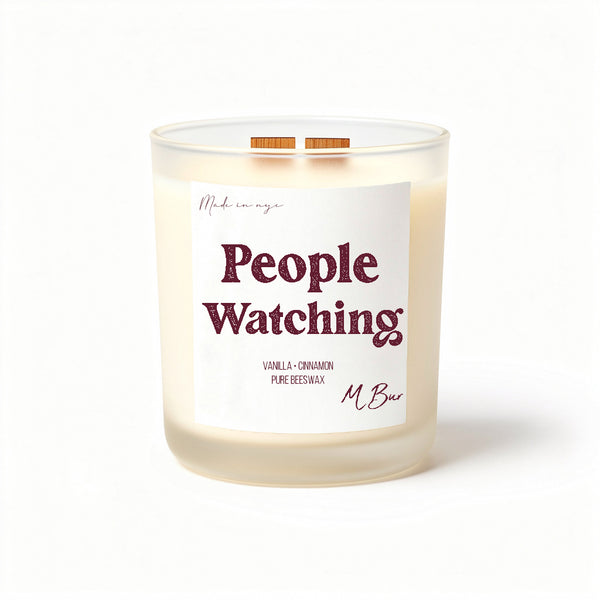
Every MBur candle is built to pass that checklist: one wax that is 100% beeswax, phthalate free non toxic fragrance, an untreated wooden wick that crackles as it burns, and no dyes. That is the whole reason the collection exists.
You can feel the difference in a room, which is the part a spec sheet cannot capture. As one buyer put it after switching:
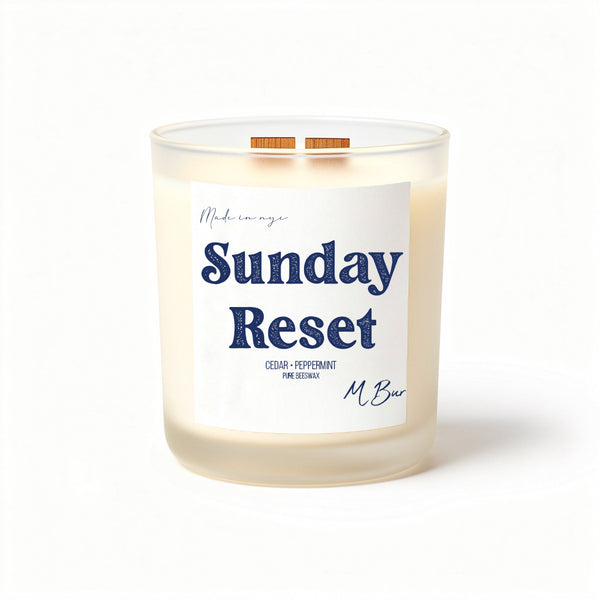
I love these candles. No headache or feeling nauseous like the Bath & Body candles with all the extra chemicals. I love the package and how carefully everything was wrapped. - Jason H., Sunday Reset Candle
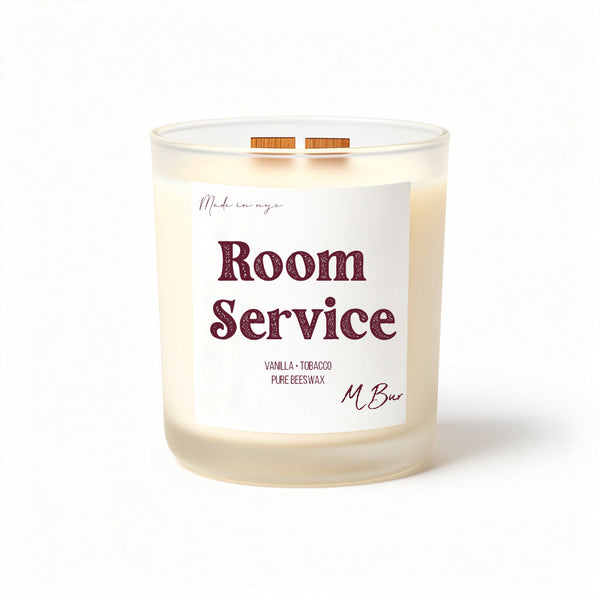
If you want a place to start, Room Service is the one with hotel lobby warmth, saffron, tobacco, vanilla, and tonka bean, and it carries a big room without any of the chemical weight.
Common questions
Is soy wax really that much better than paraffin?
Pure soy is meaningfully cleaner than paraffin, with less soot and no petroleum byproducts. The catch is that many soy candles are blended with paraffin and the label will not say how much, so "soy" alone does not guarantee a clean burn. Look for 100% soy, or go with beeswax, which cannot be blended down the same way. You can see what a single ingredient wax looks like across the collection.
Why are beeswax candles more expensive?
Beeswax is harder to source and cannot be stretched with cheap fillers, so you pay for one real ingredient instead of a blend. The upside is the longest burn time of any wax, so the cost per hour is closer than the sticker suggests. MBur candles start at twenty dollars for the 20 hour size and go up to sixty dollars for the 80 hour. Do Not Disturb is the 80 hour option if you want the best value per hour.
Does beeswax really burn longer?
Yes, and it comes down to physics. Beeswax has the highest melting point of any candle wax, so it burns slower and steadier than soy or paraffin of the same size. A pure beeswax candle simply lasts longer in the same jar.
So which wax wins?
If price is all that matters, paraffin wins and your air pays for it. Soy is the solid middle if you want a real improvement and you trust the brand to be pure. And if you want the cleanest burn with nothing to take on faith, it is beeswax, full stop. That is the wax we chose to build the entire line around.
Ready to switch to a wax with no asterisk? Browse the full MBur beeswax collection, 100% beeswax, phthalate free fragrance, wooden wicks, and nothing else.
What buyers say:

