

Are Candles Bad for Asthma? What an Allergist Would Say
Are Candles Bad for Asthma? What an Allergist Would Say
Ask an allergist about candles and the answer will be more nuanced than a flat yes or no. The full picture involves what triggers asthma, what's actually in different candles, which ingredients matter most for reactive airways, and what the practical guidance looks like for someone who has asthma and wants to use candles anyway. This is the breakdown from the perspective an allergist would bring, with citations to the actual research where it matters.
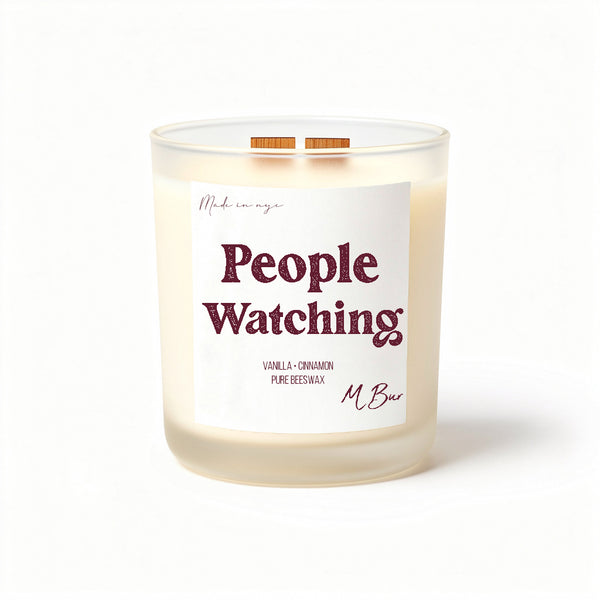
For asthma-friendlier candle options, browse the full MBur beeswax candle collection.
The Quick Answer
Yes, most candles can trigger asthma symptoms, but not all candles do this equally. Paraffin candles, scented candles with synthetic fragrance, and candles burned in small unventilated rooms are the main triggers. 100% beeswax candles, especially unscented or with phthalate-free fragrance, are significantly less likely to trigger asthma in most people. The Asthma and Allergy Foundation of America (AAFA) doesn't ban candles but flags them as a known trigger category. Individual sensitivity varies; some asthmatics tolerate clean candles fine, others react to any candle at all. The right approach is to identify which candles trigger your specific asthma and work from there.
What Asthma Is Triggered By
Asthma is a chronic respiratory condition where the airways become inflamed, narrow, and produce extra mucus in response to triggers. Triggers vary by person but the common categories are:
Allergens (pollen, dust mites, pet dander, mold). Respiratory infections (viral colds and flu). Cold air. Exercise. Strong odors and chemical irritants. Air pollutants (smog, smoke, particulate matter).
Candles intersect with two of these categories directly. The combustion produces particulate matter and chemical irritants. Strong fragrances activate olfactory receptors that can trigger reactive airways in sensitive people. Some candle ingredients specifically appear in asthma trigger studies.
Specific Asthma Triggers in Candles
Paraffin Combustion Byproducts
Paraffin candles release formaldehyde, acrolein, and acetaldehyde when burned. Formaldehyde is a known respiratory irritant and is classified by the EPA as a probable human carcinogen. For asthmatics, formaldehyde at indoor levels has been associated with increased asthma symptoms and exacerbations in multiple studies. Particulate matter (PM2.5 and PM10) from candle combustion can lodge in the lower airways and trigger inflammatory responses.
Phthalates in Synthetic Fragrance
Phthalates are common fragrance fixatives. Studies on phthalate exposure and respiratory outcomes are still developing, but several have linked phthalate exposure to asthma prevalence and severity in children. The AAFA and several medical organizations have flagged phthalates as a category to reduce.
Volatile Organic Compounds (VOCs)
Fragrance candles release dozens of VOCs while burning. Many are skin or respiratory irritants individually (limonene, linalool, benzyl benzoate, hydroxycitronellal). In a sensitized airway, these compounds can trigger bronchospasm and inflammation. SC Johnson's WhatsInside disclosure for Glade candles lists 30 to 50 specific compounds per product, several flagged as allergens by the company itself.
Soot Particulates
All candles produce some soot, but paraffin candles and dyed candles produce significantly more. Soot particles in indoor air contribute to PM2.5 levels, and PM2.5 is one of the most studied asthma triggers in environmental health research.
What an Allergist Would Recommend
Allergist guidance generally follows a hierarchy:
First choice: skip the candle when possible. Use battery LED candles for ambiance or essential oil diffusers for scent in cases where the goal is mood rather than the specific candle experience.
If you want actual candles: choose 100% beeswax (no paraffin). Beeswax produces the least soot of any candle wax and has no synthetic combustion byproducts.
For fragrance: unscented is the safest option. If scented, choose candles with explicit phthalate-free claims from brands that disclose their fragrance approach. Avoid candles marketed for "strong throw" or "long-lasting scent" since these typically use the fixatives that trigger sensitive airways.
For burning: well-ventilated rooms, limited duration (1 to 2 hours is different from 5 to 6 hours), no burning during asthma exacerbations or when symptoms are active. Keep windows cracked or use an air purifier with HEPA filtration in the room.
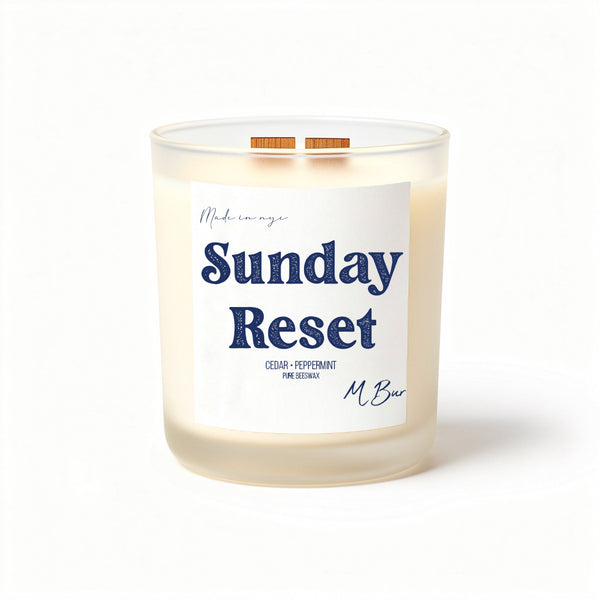
For specific scents: bergamot, lavender, and eucalyptus are sometimes tolerated when others aren't, but this varies by person. Heavy gourmand scents (vanilla cake, cinnamon roll) and strong floral scents are more often triggers.
How to Test Whether a Candle Triggers Your Asthma
If you're not sure whether a specific candle affects your asthma, an allergist would suggest a structured trial:
Burn the candle in a single ventilated room for one hour. Don't move it through the house.
Stay in the room with the candle for 30 minutes during that hour.
Note any symptoms during the burn and for 24 hours after: chest tightness, wheezing, coughing, increased rescue inhaler use, peak flow meter changes if you use one.
Compare to a control day with no candle.
If symptoms increase, that candle is a trigger for you. If symptoms don't change, it's likely tolerable.
Different candles may have different effects. A candle with the same scent type from a different brand can be completely different in terms of asthma response, depending on the fragrance composition and wax base.
Specific Brand Categories from an Asthma Perspective
Most Likely to Trigger
Mass-market paraffin candles with strong synthetic fragrance: Yankee Candle, Bath & Body Works, Capri Blue Volcano, IKEA candles, Target Threshold, Diptyque, most Costco multi-packs. The combination of paraffin combustion and aggressive fragrance is the highest-trigger profile.
Variable
Mid-market candles with cleaner credentials but partial composition disclosure: Paddywax (soy blend, phthalate-free fragrance, but blend may contain paraffin), Homesick (soy blend, phthalate-free), Voluspa (paraffin-free coconut blend, phthalate-free). These tend to be tolerable for some asthmatics and not for others. Worth testing individually.
Least Likely to Trigger
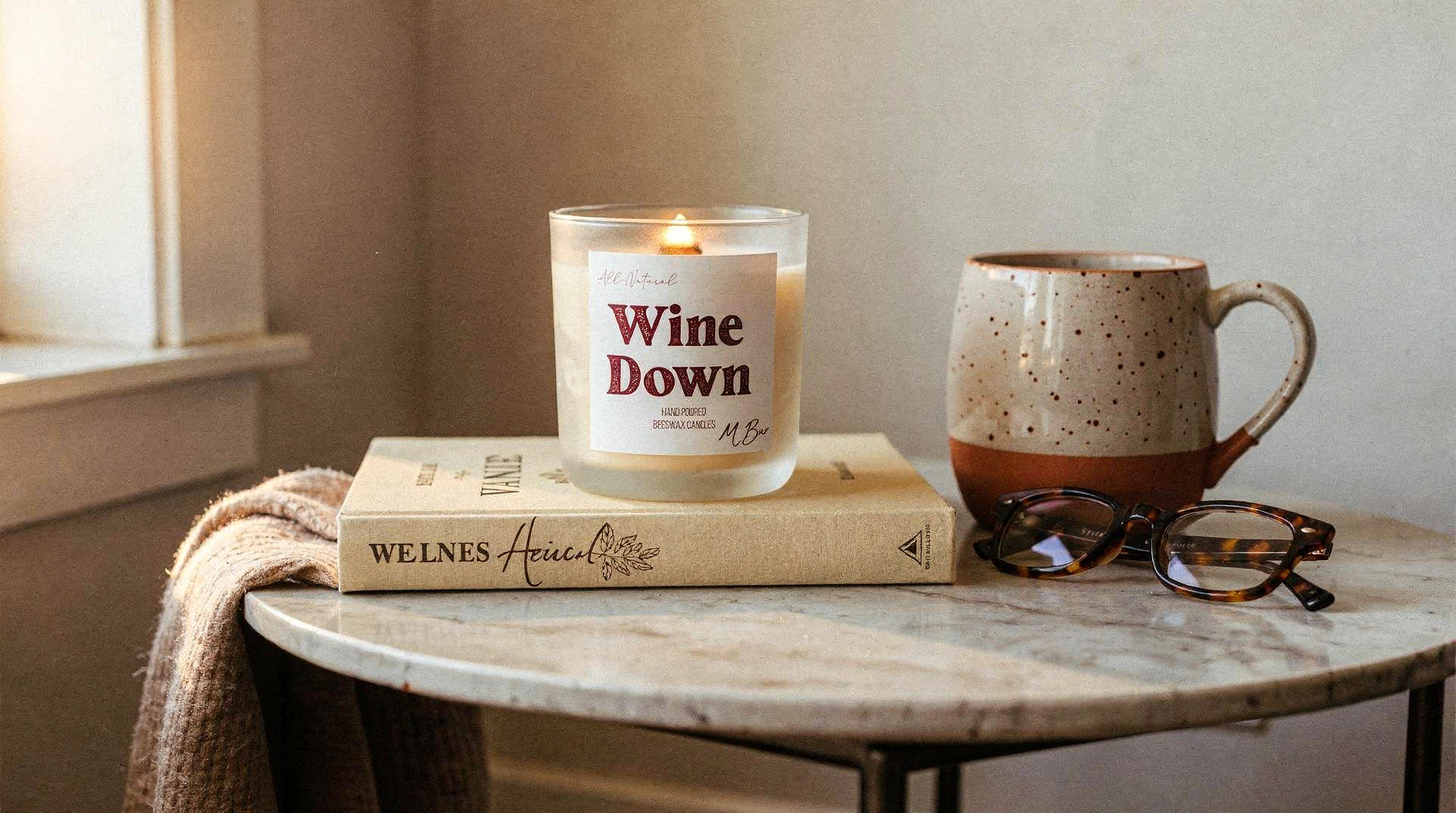
Fully transparent clean candles: MBur (100% beeswax, phthalate-free, wooden wicks, no dyes), Big Dipper Wax Works (100% beeswax, unscented), Fontana (MADE SAFE certified beeswax-coconut blend with essential oils). The combination of clean wax plus disclosed fragrance is the least-trigger profile available.
Frequently Asked Questions
Are unscented candles safe for asthma?
Significantly safer than scented, but not automatic. Unscented paraffin still produces combustion byproducts that can trigger asthma. Unscented 100% beeswax is the safest candle category for asthmatics, with very low trigger rates in most people.
What scents are safest for asthma?
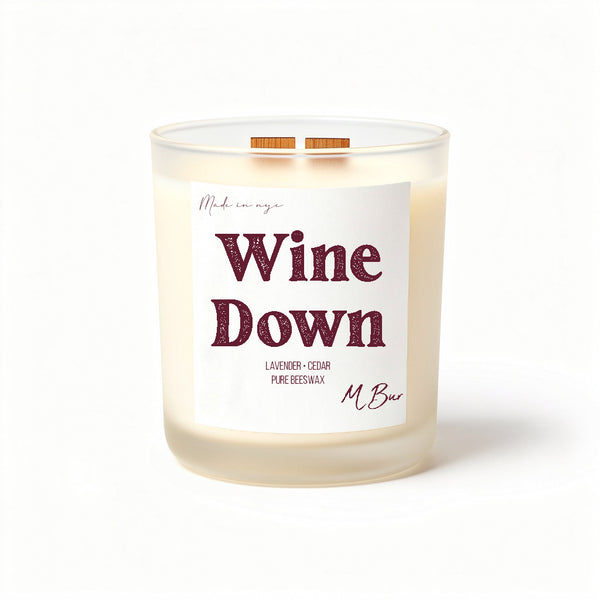
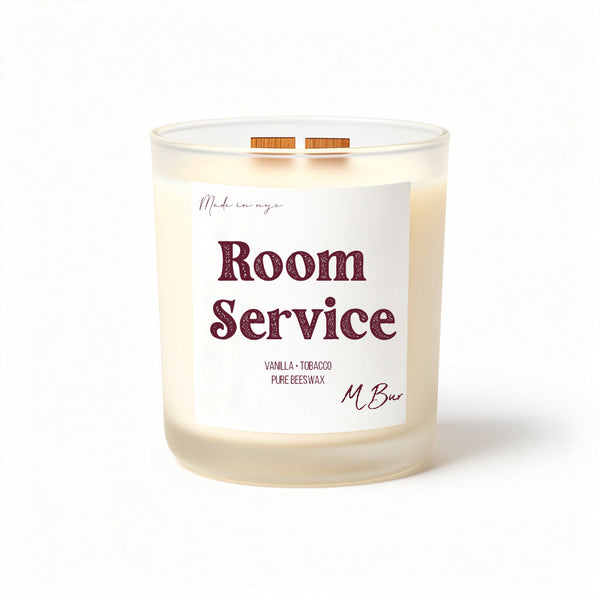
Individual sensitivity varies a lot. Generally lavender, bergamot, eucalyptus, and chamomile are tolerated more often than heavy florals, gourmand sweets, or aggressive citrus. Wine Down (lavender, chamomile, sandalwood) is a common asthma-friendly pick when burned in a ventilated room.
Can I use a candle during an asthma attack?
No. Don't burn candles during an active asthma exacerbation, even clean ones. Any additional airborne irritant during a flare can worsen symptoms. Wait until baseline breathing is fully restored before reintroducing candles.
What about essential oil candles?
Essential oils can both help and trigger asthma depending on the specific oil and the person. Lavender and chamomile are generally tolerated. Eucalyptus and peppermint help some asthmatics (the menthol effect) and trigger others. Strong citrus can be a trigger for reactive airways. Essential oil blend candles like Fontana's are worth testing individually.
Does an air purifier help when burning candles?
Yes, an air purifier with HEPA filtration can reduce particulate matter and improve indoor air quality during candle use. This doesn't eliminate the combustion byproducts (HEPA filters don't capture VOCs unless the purifier also has activated carbon), but it helps with the particulate side. An air purifier running during and after candle burning is a reasonable practice for asthmatics who want to burn candles.
The Bottom Line
Candles can trigger asthma, but the candle type matters significantly. Paraffin candles with synthetic fragrance are the highest-trigger category. 100% beeswax candles with phthalate-free fragrance or unscented are the lowest-trigger category and are generally tolerated by most asthmatics with normal ventilation. The right approach for someone with asthma is to identify which candles trigger your specific airways, choose accordingly, and use candles in well-ventilated rooms with reasonable moderation. An allergist would probably tell you that candles aren't a yes-or-no question; they're a "which candles, how often, where" question.
Shop the full collection of clean-burning beeswax candles
What buyers say:
Related reading:

