

Are Candles Bad for Birds? What Every Bird Owner Should Know
Are Candles Bad for Birds? What Every Bird Owner Should Know
Birds are uniquely vulnerable to airborne toxins. The phrase "canary in the coal mine" exists because canaries die from gases that humans wouldn't notice for hours. Their respiratory system is more efficient at gas exchange than any other vertebrate's, which is incredible for flight performance and catastrophic for indoor air quality. Candles aren't as immediately dangerous as Teflon fumes, but the answer to whether they're safe around pet birds is more complicated than most candle marketing suggests. Here's what the science says.
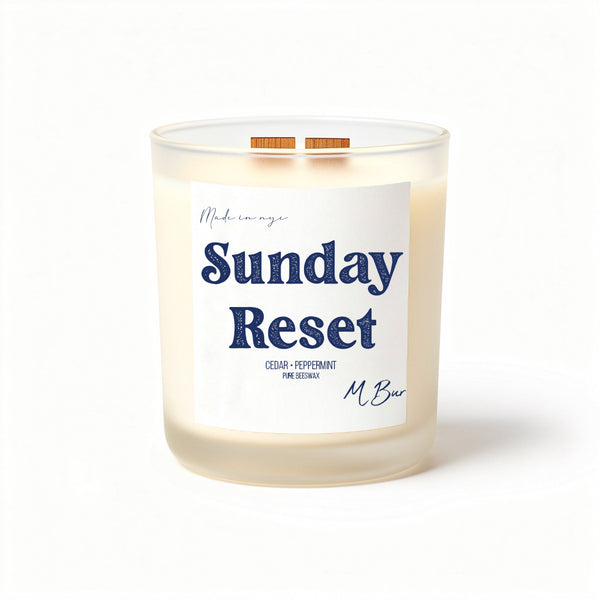
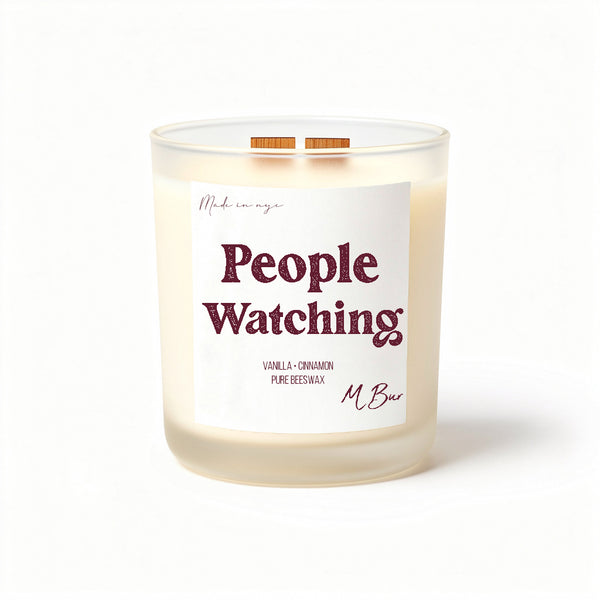
For the cleanest possible candles if you decide to use them in a bird household, browse the full MBur beeswax candle collection.
The Quick Answer
Paraffin candles and scented mass-market candles are genuinely risky around pet birds and should be avoided. Unscented 100% beeswax candles are the safest option if you want to burn candles in a household with birds, used in a separate room with the door closed and the bird's room ventilated. Even with the cleanest candle, the bird shouldn't be in the same room as a burning candle. Avian veterinarians generally recommend avoiding candles in bird households entirely, or limiting them to candles you'd burn in well-ventilated areas far from where the bird lives.
Why Birds Are More Vulnerable Than Other Pets
The bird respiratory system is fundamentally different from a mammal's. Air doesn't move in and out of bird lungs the way it does in human or dog lungs. Instead, birds have a unidirectional airflow system with nine air sacs that move oxygen continuously through the lungs in one direction. This is how a bird in flight can extract enough oxygen from the thin air at high altitudes to power sustained wingbeats. It's a remarkable adaptation.
The downside is that this same efficient system delivers airborne toxins to bird tissues faster and more thoroughly than mammalian respiration would. Whatever's in the air doesn't get "filtered" the way it would in a mammal's two-way breathing. The toxin reaches deeper into the respiratory system, contacts more surface area, and stays in contact longer. Small concentrations of airborne irritants that humans don't notice can be fatal to birds within hours.
This is why historically canaries were used in coal mines to detect carbon monoxide and methane. The bird would show distress or die well before the levels became dangerous for humans. It's also why Teflon (PTFE) overheating, which produces fumes that mildly irritate humans, can kill a bird in a different room within minutes.
Specific Candle Concerns
Paraffin Wax Combustion
Most mass-market candles use paraffin wax (petroleum-derived). When paraffin burns, it releases benzene, toluene, formaldehyde, and acetone as combustion byproducts. These are recognized indoor air pollutants for humans. For birds, with their more efficient respiratory uptake, these compounds reach the lungs and air sacs in higher effective doses. The cumulative exposure of regular paraffin candle burning in a bird household is a real concern, not just a theoretical one.
Synthetic Fragrance
Scented candles typically use synthetic fragrance compounds, often with phthalate fixatives to extend scent throw. Phthalates have documented endocrine-disruption effects in mammals, and birds appear to be similarly or more sensitive. The specific fragrance chemicals that make a candle smell strong are exactly the volatile compounds that reach bird airways most easily. Aggressive scent throw is the opposite of what you want around birds.
Soot and Particulates
All burning candles produce some soot, but paraffin candles, dyed candles, and candles with thin wicks produce significantly more. Soot particles can lodge in a bird's air sacs and lung tissue, causing inflammation that the bird may not show symptoms of until significant damage has occurred. Birds compensate for respiratory damage by reducing activity, which owners often miss because birds in cages may already be sedentary.
Lead-Core Wicks
Lead-core wicks were banned in US-made candles in 2003, but imported candles can still slip through with metal-core wicks. Lead aerosolized from a burning wick is dangerous for any household but especially for birds, who concentrate metals in their bones and feathers more readily than mammals do.
If You Choose to Burn Candles in a Bird Household
The safest practice is to not burn candles when the bird is in the home, or only burn them in rooms the bird never enters. If you want some candle use:
Use 100% beeswax candles only. Beeswax produces the least soot of any candle wax and has no synthetic combustion byproducts. Unscented is safest. If scented, choose phthalate-free non-toxic fragrance from a brand that states this explicitly. Burn the candle in a room with a closed door and the bird in a different room, ideally with the bird's room ventilated to outdoor air. Allow at least an hour after the candle is out and the room is ventilated before bringing the bird back in. Never burn a candle in the same room as a bird, even briefly. Avoid any candle marketed for strong scent throw, since strong throw means high volatile compound concentration.
Other Candle-Like Sources to Watch For
Birds are also at risk from wax melts, scented oils, plug-in air fresheners, incense, and aerosol sprays. The combustion-product issue with paraffin candles is similar to the heating-element issue with wax melts, and synthetic fragrance is the same chemical risk in any delivery format. Many bird owners discover the candle question only after switching to "safer" alternatives that turn out to have the same problems. The safest bird household removes all combustion and aerosol scent sources, not just candles.
Frequently Asked Questions
Can I burn one candle in a different room?
If the bird's room has the door closed and is ventilated to outdoor air, and the candle is clean (100% beeswax, unscented or phthalate-free), the risk is low. Air movement between rooms in most homes is significant though, so this isn't zero-risk. Avian veterinarians generally recommend skipping candles entirely when possible.
What about birthday candles or holiday candles?
Brief, single candle exposures in well-ventilated rooms with the bird elsewhere are likely fine. The concern is sustained or repeated exposure. A 5-second blowing out of birthday candles is different from a 3-hour mood candle burning daily.
Are essential oil candles safer for birds?
Essential oils can actually be more dangerous for birds than synthetic fragrance, despite being "natural." Many essential oils (especially tea tree, peppermint, eucalyptus, citrus, and pine) are toxic to birds at very low airborne concentrations. Don't assume "essential oil" means "bird-safe." If anything, single-note essential oil candles should be especially avoided around birds.
Will my bird show symptoms if a candle is hurting them?
Sometimes, but often not until significant damage has occurred. Watch for breathing changes (open-mouth breathing, tail bobbing, increased respiratory rate), lethargy, reduced vocalization, or any unusual behavior. By the time a bird is visibly distressed from inhaled toxins, the situation is already serious. Don't wait for symptoms; remove the source first and consult an avian vet.
Are there candles specifically marketed as bird-safe?
No reputable certification exists for "bird-safe" candles. Some brands market candles as "pet-safe" but this usually means non-toxic if eaten by a curious cat or dog, not safe for bird respiration. The MADE SAFE certification covers human health but doesn't specifically test for bird tolerance.
The Bottom Line
Bird respiratory systems are far more sensitive to airborne toxins than mammals'. Paraffin candles and aggressively scented candles should be avoided in bird households. 100% beeswax candles, unscented or phthalate-free, are the safest option if you want some candle use, but should be burned in a different room from the bird with ventilation. The safest practice is to skip candles when possible. Avian veterinarians generally recommend this. If candle use matters to you, expect to make significant accommodations for the bird's air quality.
Shop the full collection of clean-burning beeswax candles
What buyers say:
Related reading:

